American History

  • Paine’s Common Sense Published 

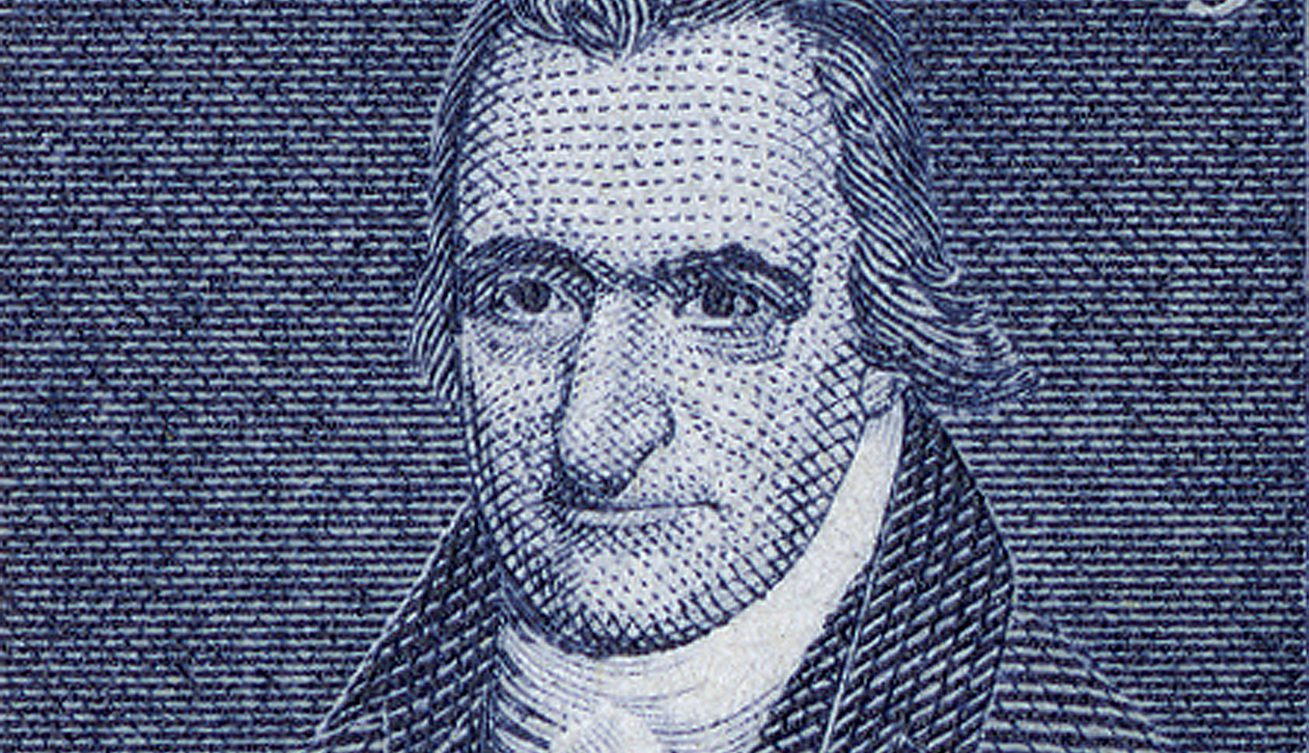
    On January 10, 1776, a short pamphlet quietly appeared in Philadelphia—and helped change the course of history. Published anonymously and written in clear, forceful language, Common Sense urged American colonists to do something many still feared to say aloud: break completely from Great Britain. Within weeks, its ideas were being read aloud in taverns, debated in meeting halls, and discussed around kitchen tables, helping turn the dream of independence into a shared conviction.

  • Battle of Princeton

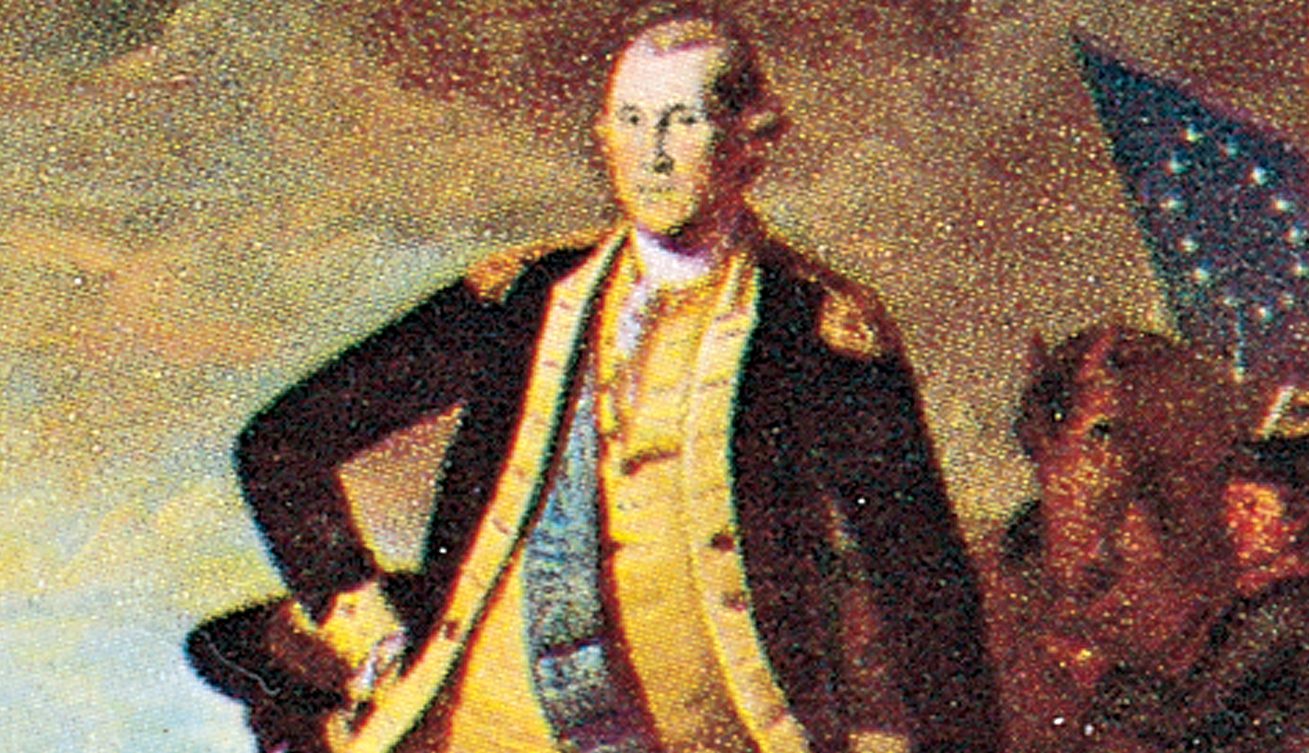
    On January 3, 1777, General George Washington earned one of the most important victories of the American Revolutionary War at the Battle of Princeton in New Jersey. Although small in size compared to later battles, the victory came at a critical moment when the Continental Army was struggling, and it helped change the course of the war by restoring American confidence and weakening British control in the region.

  • Birth of Oscar Micheaux

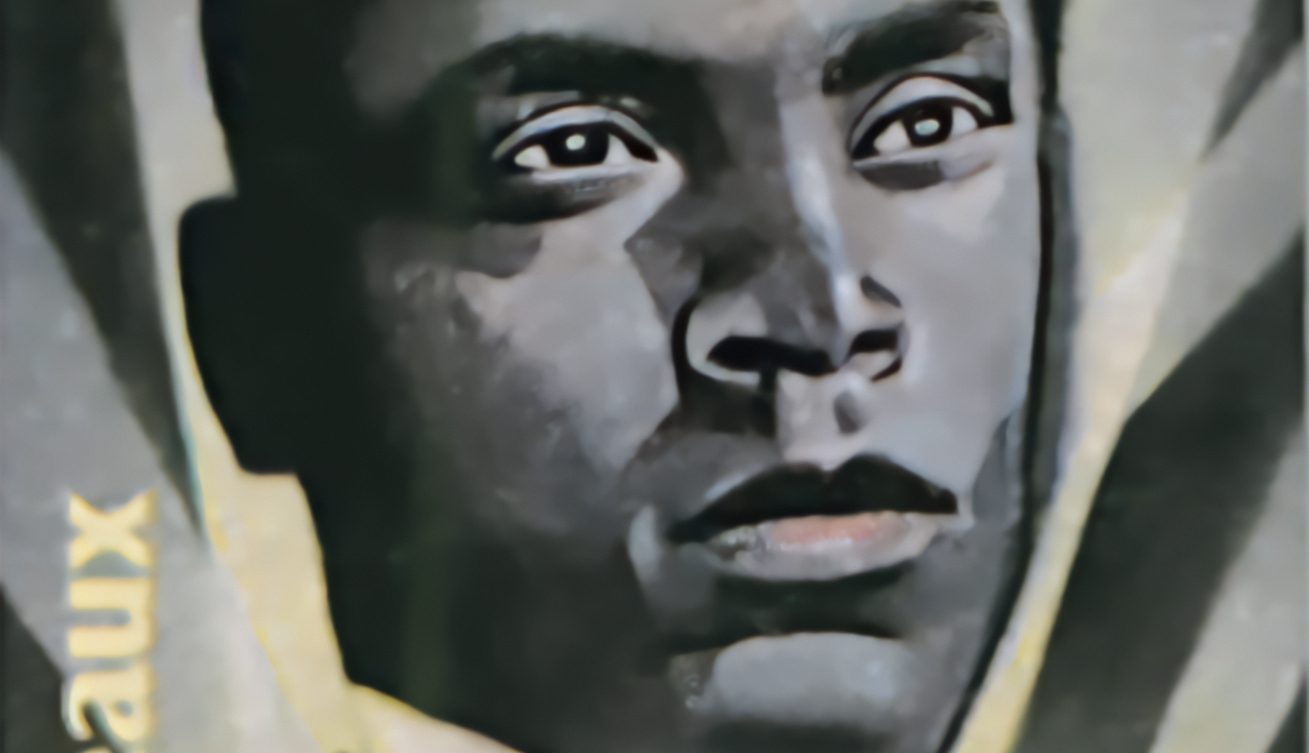
    Oscar Devereaux Micheaux was born on January 2, 1884, in Metropolis, Illinois—and he would grow up to change American film forever. As an author, director, and producer, Micheaux became a pioneering voice in early cinema, creating films that challenged racial stereotypes and told powerful Black stories at a time when few such voices were allowed on screen.

  • Kennedy Half Dollar Authorized

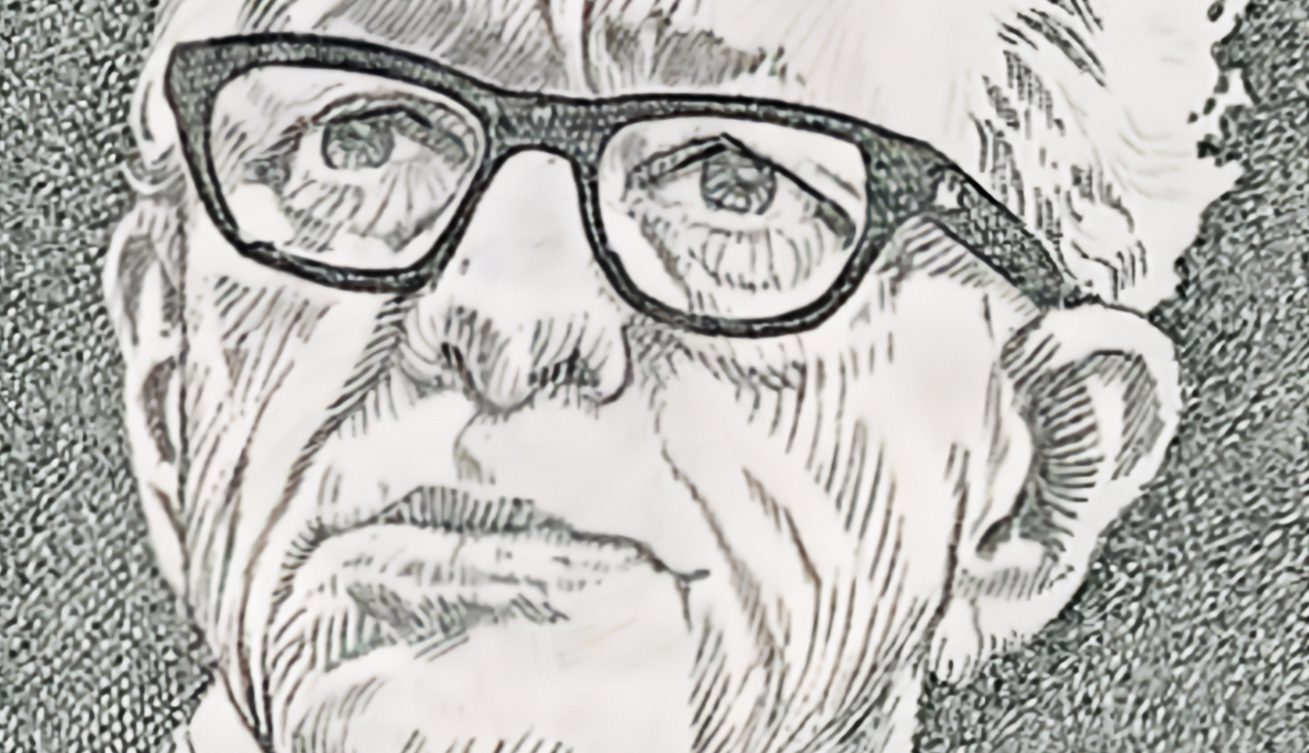
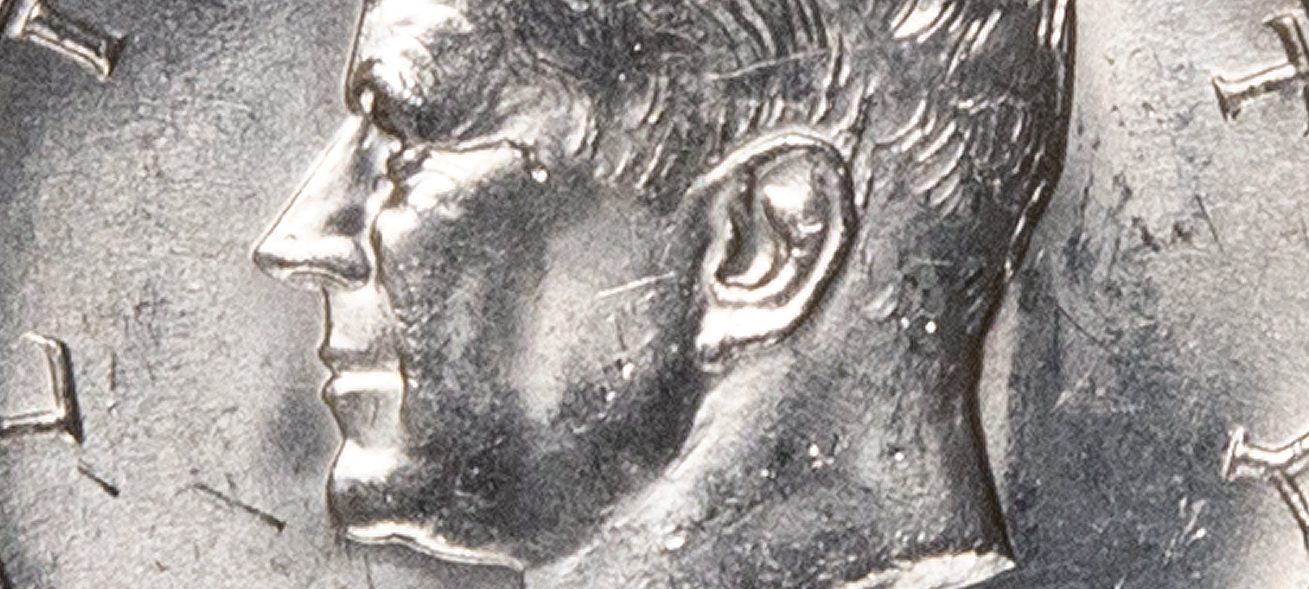
    On December 30, 1963, just weeks after the nation was shaken by the assassination of President John F. Kennedy, Congress passed a bill approving the creation of a new half dollar coin bearing his likeness. This decision came a full ten years before a redesign of the half dollar was legally required, showing how strong the desire was to honor the fallen president as quickly as possible.

  • First YMCA Opens in America

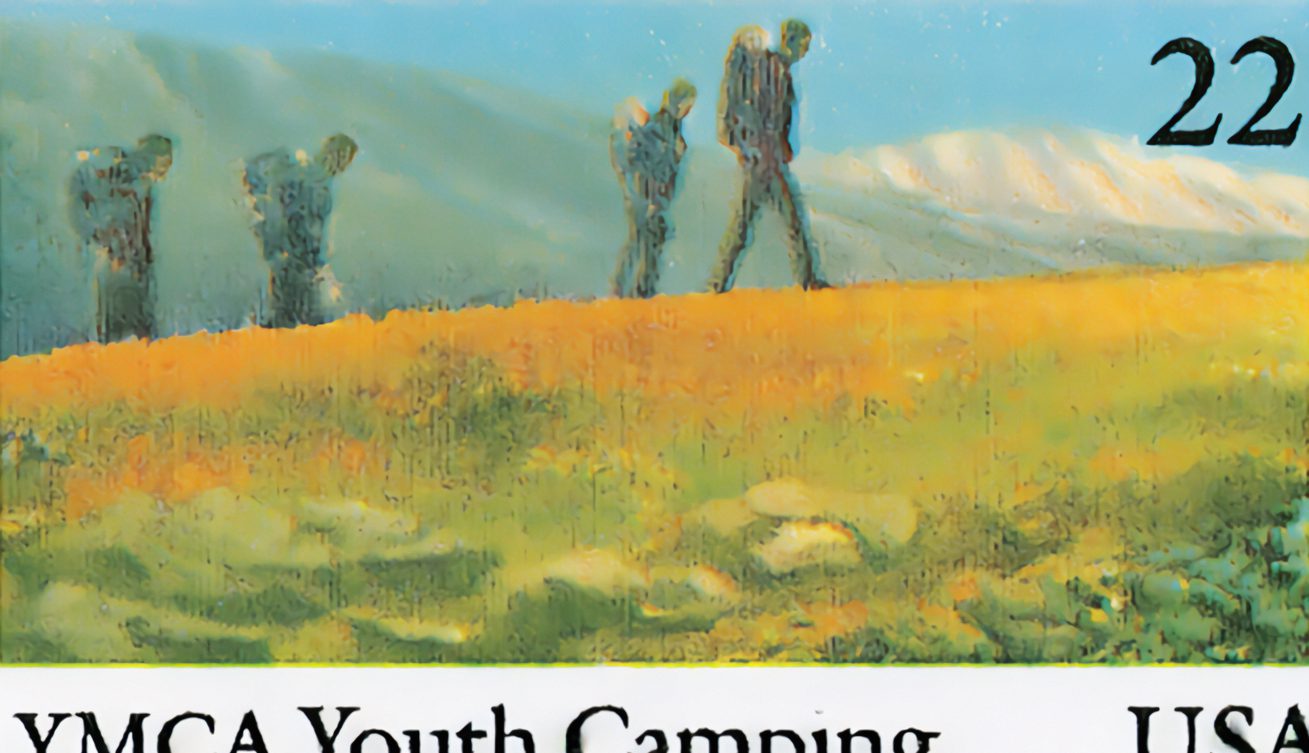
    On December 29, 1851, Thomas V. Sullivan helped establish America’s first Young Men’s Christian Association, or YMCA, in Boston. What began as a small effort to guide and support young men soon grew into one of the most influential community organizations in the world. The YMCA’s early history reflects the challenges of rapid industrial growth and the desire to provide safe, healthy alternatives for people facing difficult urban conditions.