Birth of John Quincy Adams
America’s sixth president, John Quincy Adams was born on July 11, 1767, in Braintree (present-day Quincy), Massachusetts. He was the first president’s son to become president.


America’s sixth president, John Quincy Adams was born on July 11, 1767, in Braintree (present-day Quincy), Massachusetts. He was the first president’s son to become president.
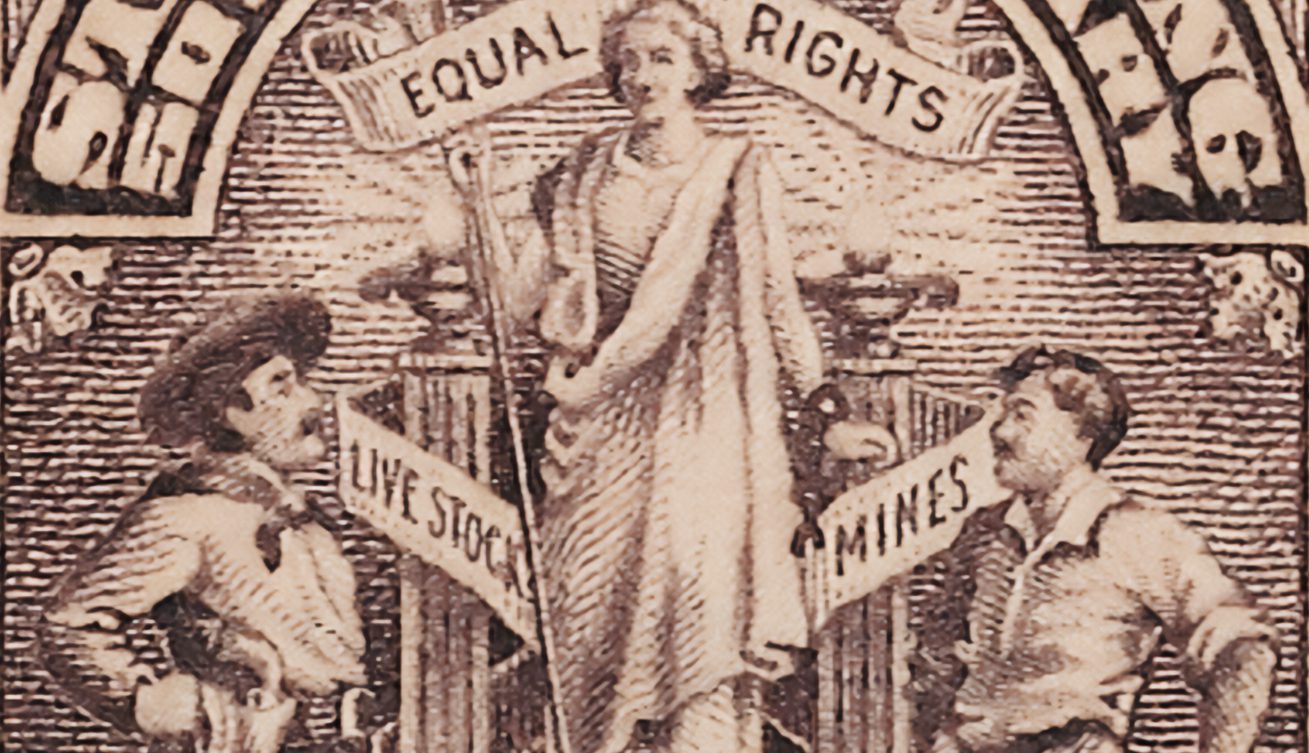
On July 10, 1890, Wyoming was accepted as America’s 44th state. Per its state constitution, it was the first state to give women the right to vote.

On July 9, 1944, American troops claimed victory after a three-week battle on Saipan. Having broken through the Japanese defenses, this enabled the US to launch strategic bombing campaigns.

Showman Phineas Taylor “P.T.” Barnum was born on July 5, 1810, in Bethel, Connecticut. Barnum became known as the “Shakespeare of Advertising” because of his many innovative ideas for the time.

On July 4, 1971, the USPS issued the first stamp in the Bicentennial Series. Over the course of six years, the USPS issued 113 commemorative stamps honoring the 200th anniversary of the American Revolution.
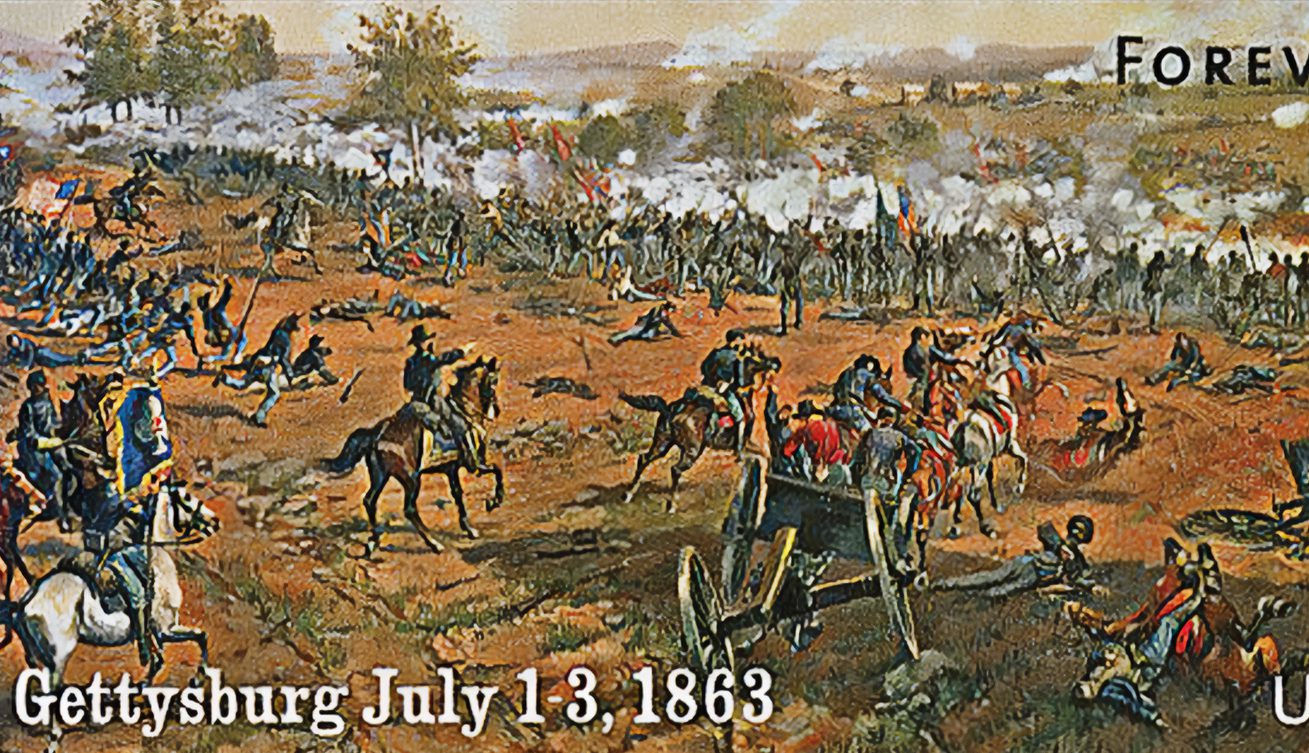
On July 3, 1863, Union forces turned the tide of the Civil War with their victory at the Battle of Gettysburg. It helped to raise morale in the North and was a major turning point in the war.

On July 1, 1847, America’s first postage stamps were issued. While the use of stamps wasn’t mandatory until 1856, this was a historic philatelic milestone.

US Army general and civil engineer, George Washington Goethals was born on June 29, 1858, in Brooklyn, New York. Under his leadership, the Panama Canal was completed two years ahead of schedule.

On June 28, 1776, South Carolina patriots won their first decisive victory of the Revolutionary War at Sullivan’s Island.