Birth of Kit Carson
Christopher Houston Carson was born December 24, 1809, in Richmond, Kentucky. Better known as Kit Carson, his contributions to the westward expansion of the United States rank him as one of the nation’s great folk heroes.


Christopher Houston Carson was born December 24, 1809, in Richmond, Kentucky. Better known as Kit Carson, his contributions to the westward expansion of the United States rank him as one of the nation’s great folk heroes.
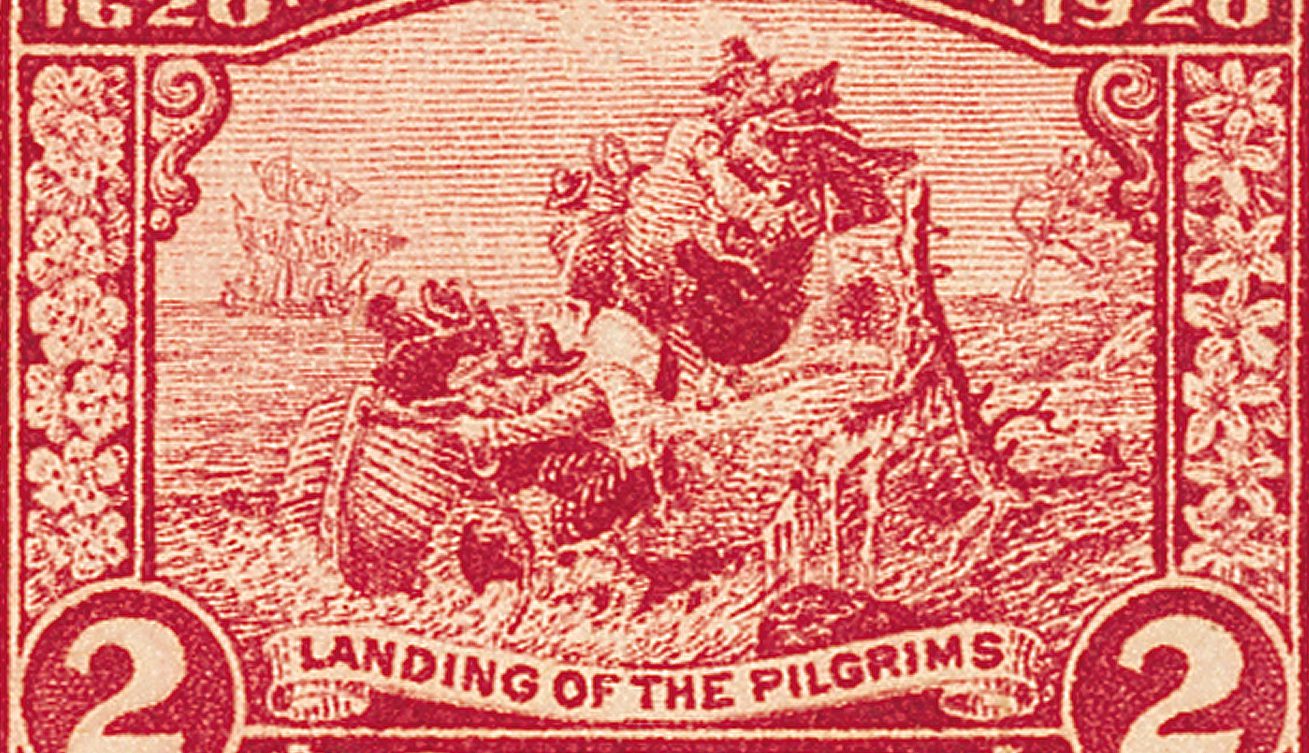
On December 21, 1920, the US Post Office Department issued a set of three stamps honoring the 300th anniversary of the landing of the Pilgrims at Plymouth, Massachusetts.

From December 19, 1777, to June 18, 1778, the Continental Army, under the command of General George Washington, camped at Valley Forge, Pennsylvania.

Author and abolitionist John Greenleaf Whittier was born on December 17, 1807, at his family’s rural homestead in Haverhill, Massachusetts.

On December 16, 1773, a group of Massachusetts colonists known as the Sons of Liberty staged a dramatic protest against British taxes – the famed Boston Tea Party.
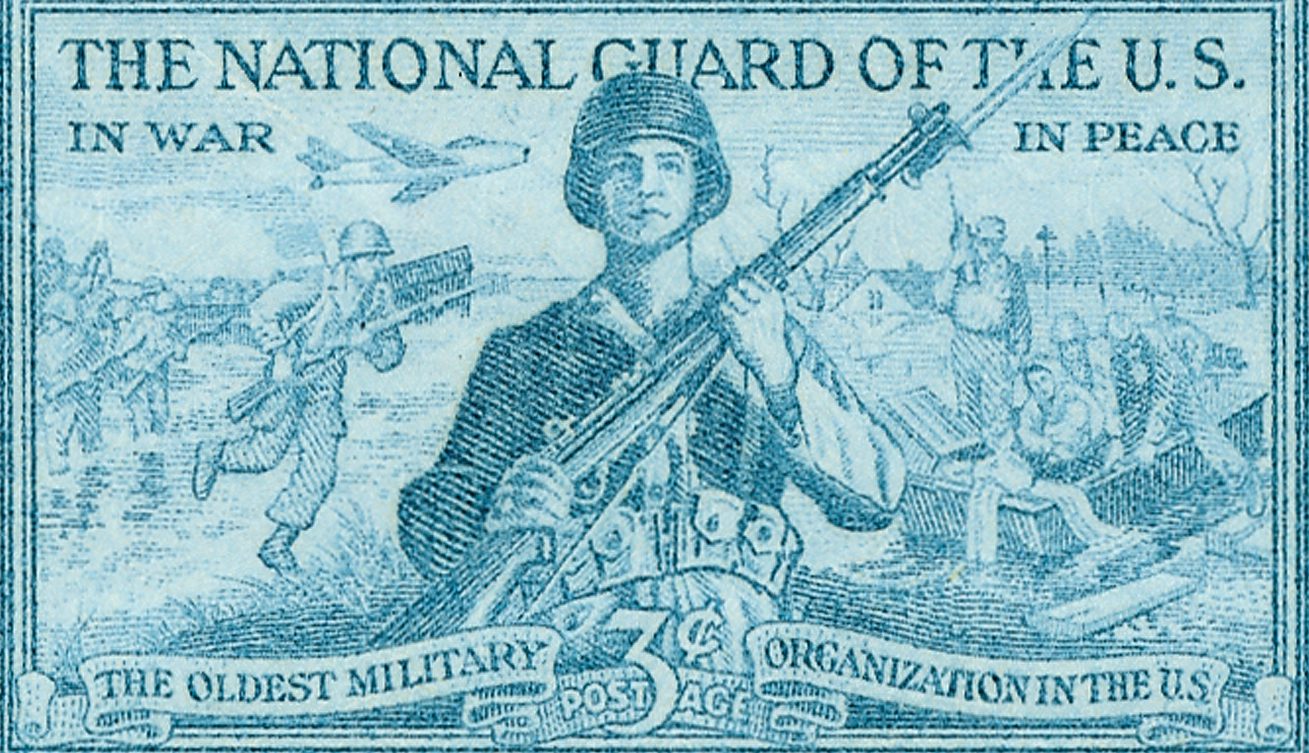
On December 13, 1636, the Massachusetts Bay Colony established its own militia, the precursor to America’s National Guard. Militias were later established in every state, eventually becoming the National Guard in 1916.
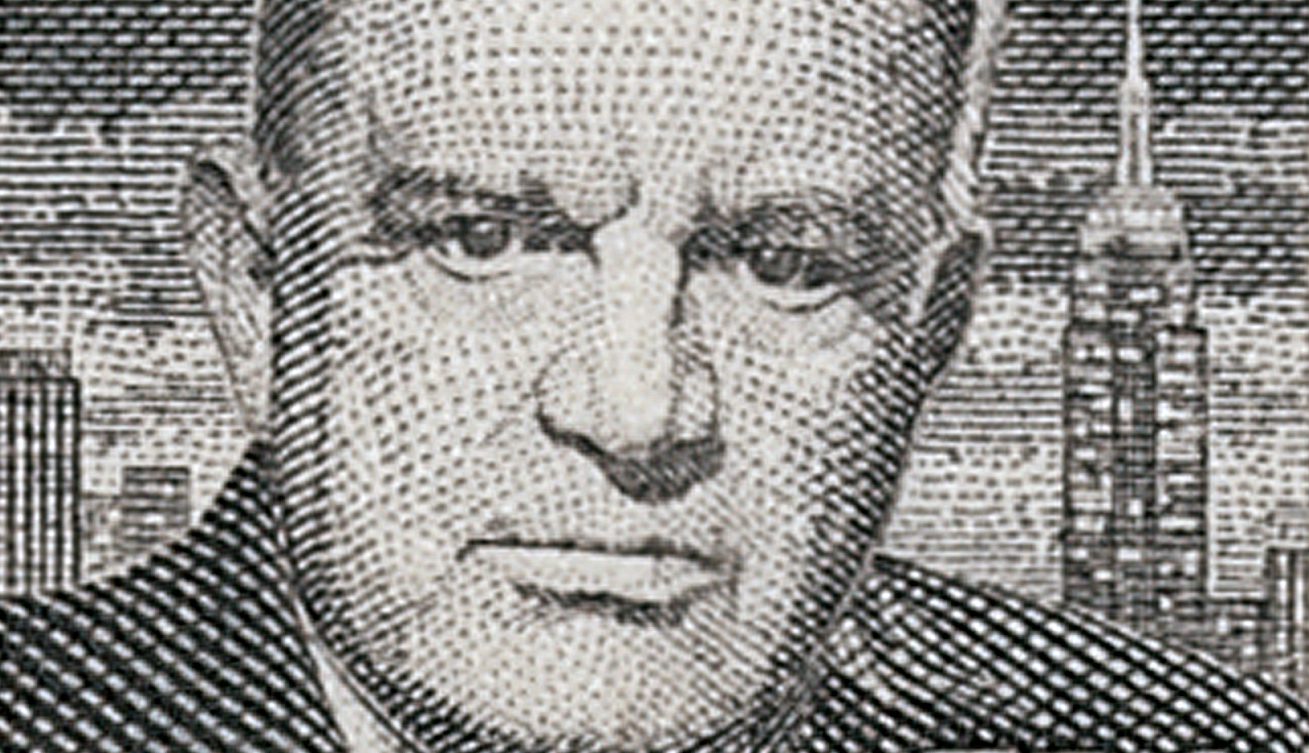
Fiorello La Guardia, was born December 11, 1882, in Greenwich Village, New York. He was voted the best former mayor in America for his 12 years of leadership of New York City.

On December 7, 1907, the first Christmas Seals went on sale. The first stamps were created to help save a Delaware tuberculosis sanitarium, but later issues went on to support the Red Cross, National Tuberculosis Association, and American Lung Association.
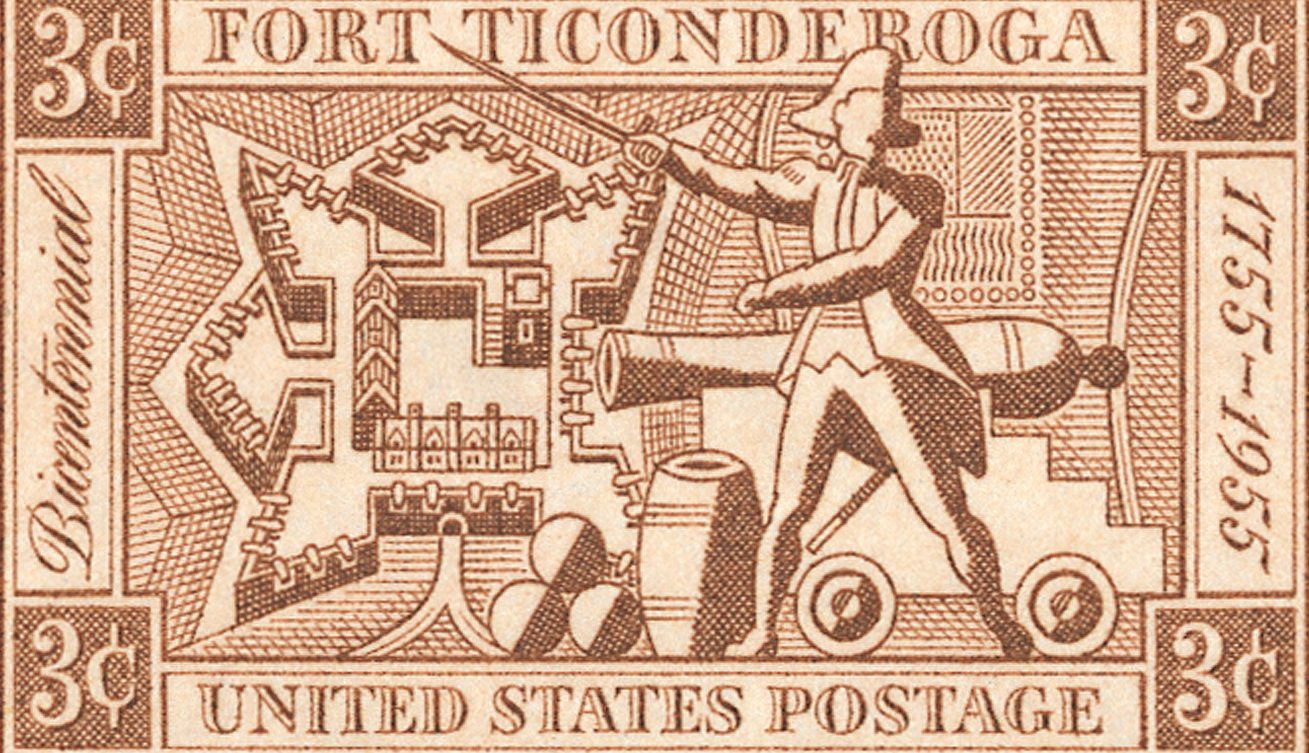
On December 5, 1775, Continental Army Colonel Henry Knox reached Fort Ticonderoga in preparation for his “noble train of artillery.” Arriving in Boston 10 weeks later, he delivered much-needed weapons to George Washington.