The Battle of Plattsburgh
On September 11, 1814, American forces won an important victory at the Battle of Plattsburgh (also known as the Battle of Lake Champlain).


On September 11, 1814, American forces won an important victory at the Battle of Plattsburgh (also known as the Battle of Lake Champlain).

Ordered by a Congressional Act in 1794, the first American ship to be christened the Constellation was launched on September 7, 1797. It was the first ship commissioned into the United States Navy; the first put to sea; and the first to fight, defeat, and capture an enemy vessel.
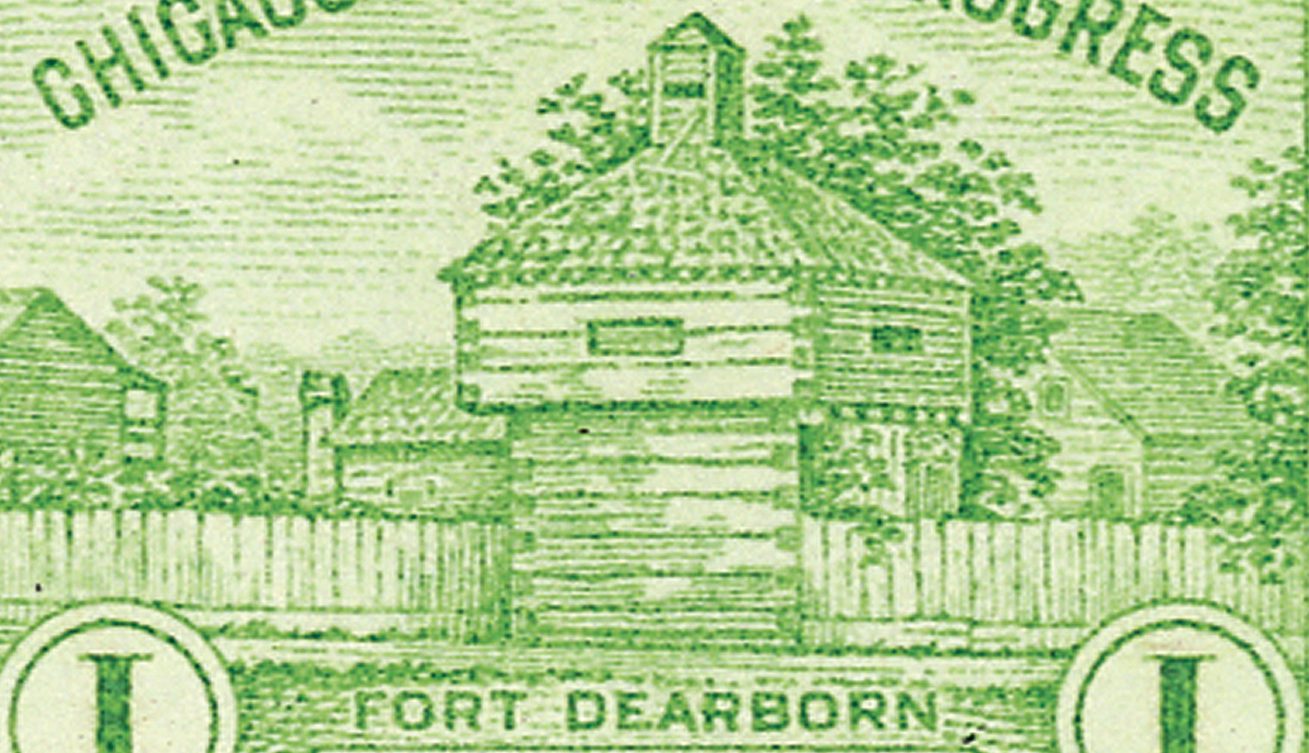
In a battle lasting only 15 minutes on August 15, 1812, the Potawatomi Native Americans attacked Fort Dearborn near present-day Chicago, Illinois, and burned it to the ground.

On April 4, 1818, President James Monroe signed a flag act that changed the way the US flag was updated when new states joined the Union. This act has affected every US flag issued since…
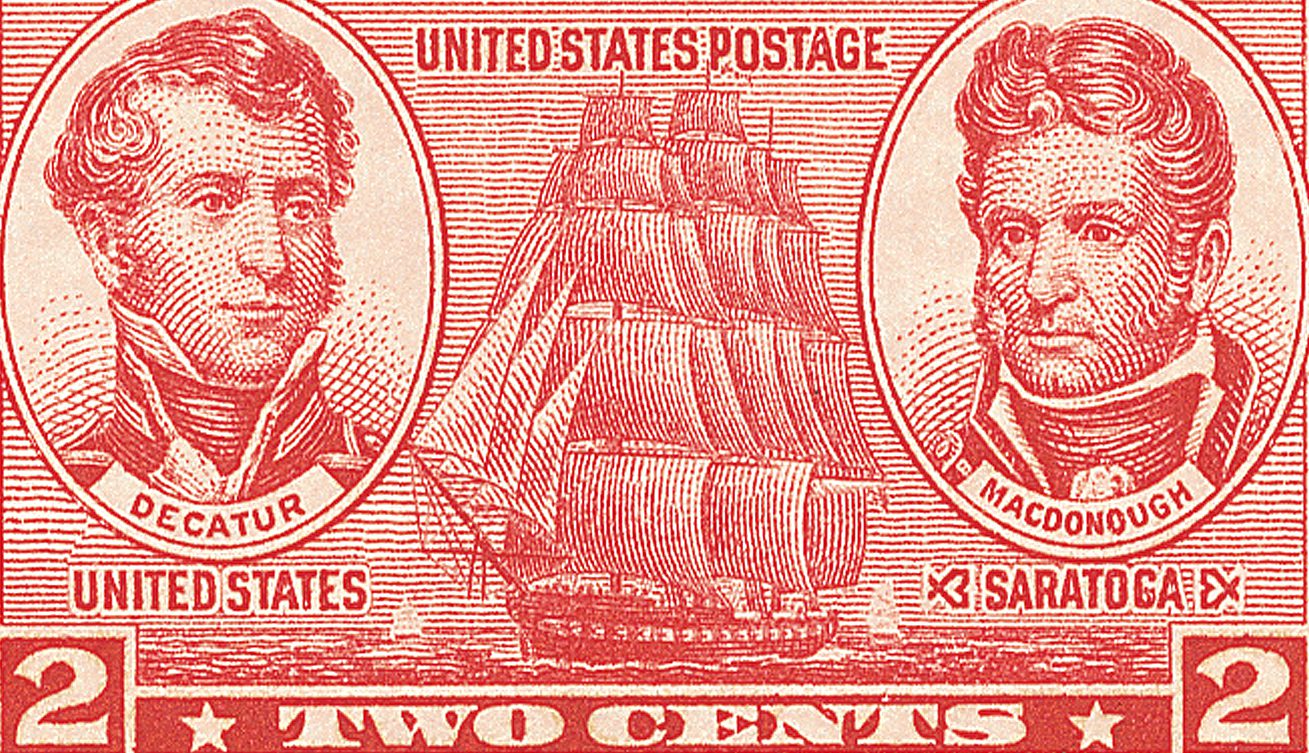
Stephen Decatur Jr. was born on January 5, 1779, in Sinepuxent, Maryland. The youngest man in the navy to reach the rank of captain, Decatur was a hero of the War of 1812 and the Barbary Wars.

On December 14, 1819, Alabama was admitted to the Union as the 22nd state.
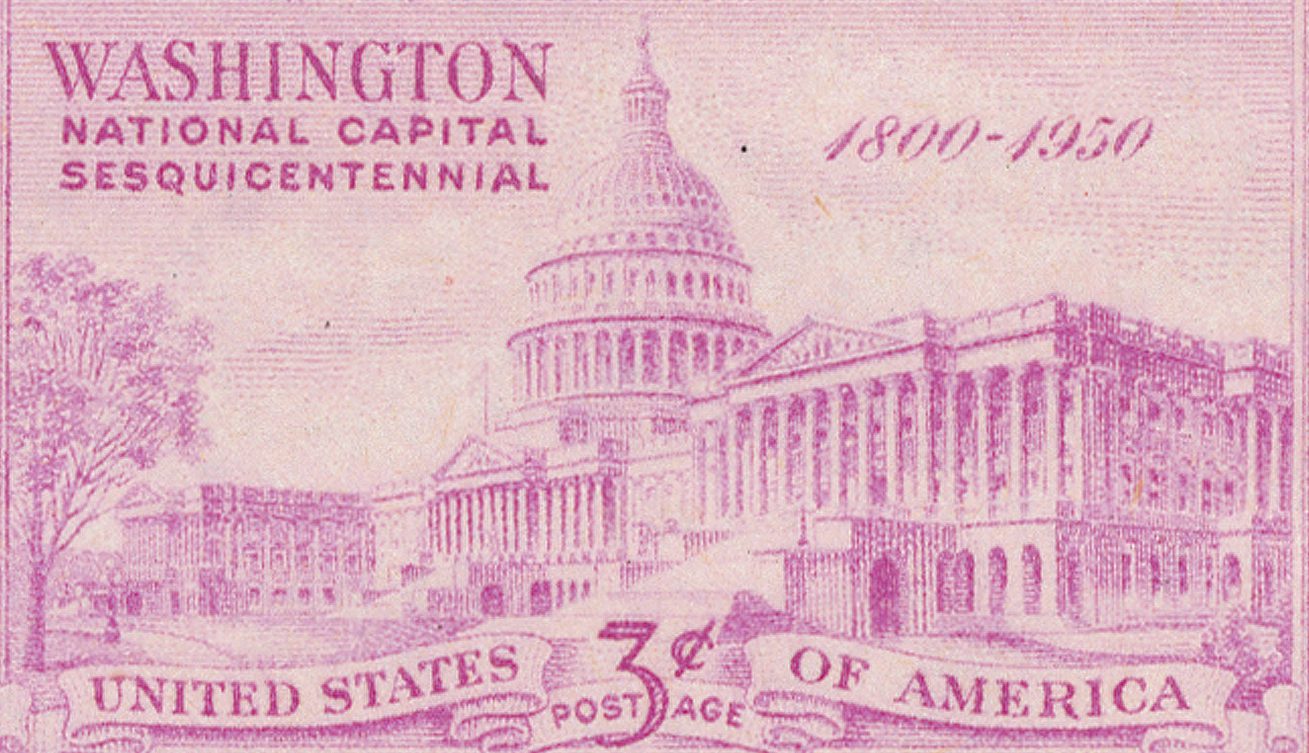
On November 17, 1800, Congress convened in the still-under-construction Capitol building in Washington, DC for the first time. The Capitol building would undergo several expansions over the years, eventually growing to 16.5 acres.
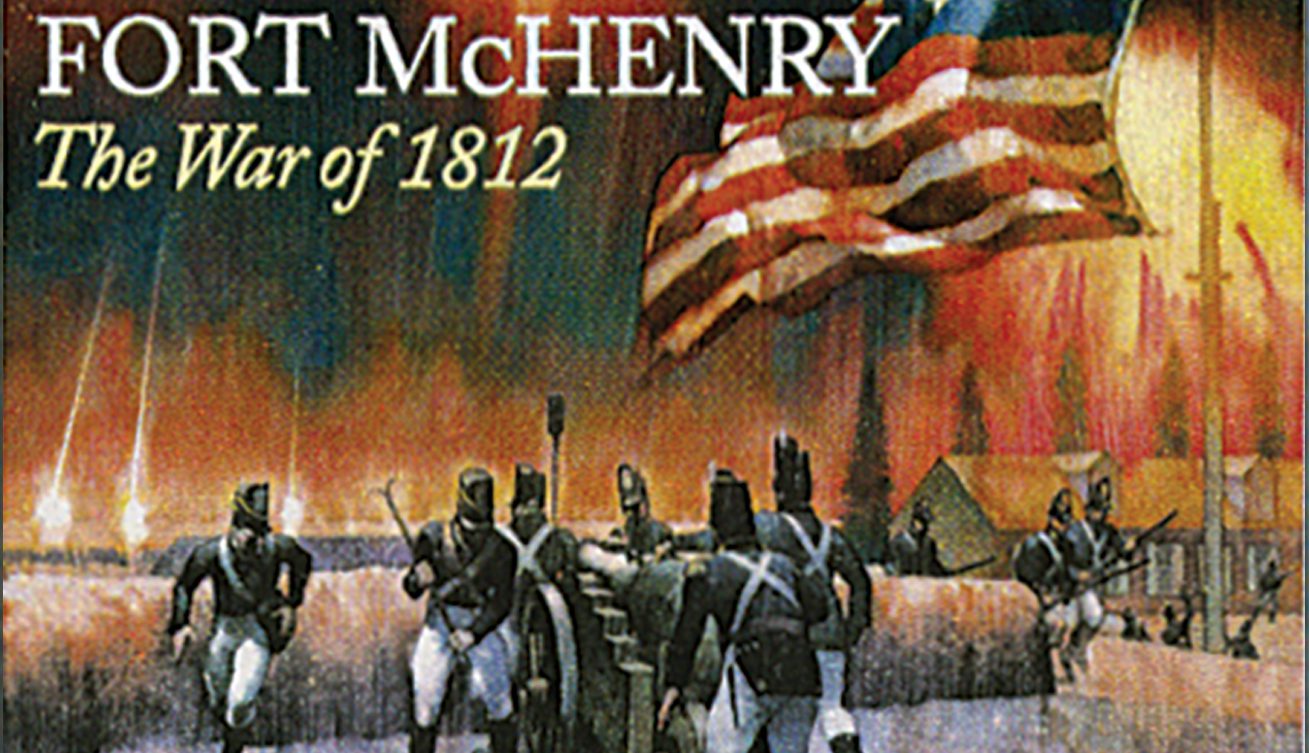
On August 11, 1939, Congress established Fort McHenry National Monument and Historic Shrine. The monument honors and preserves this historic fort where our national anthem was born. It’s also the only place in the National Park system to be designated a Historic Shrine.
Thomas Macdonough (born McDonough) Jr. was born on December 31, 1783, in New Castle County, Delaware. The town in which he was born was later named McDonough in his honor.