Battle of Okinawa
On April 1, 1945, the Battle of Okinawa began. Lasting nearly three months, it was the last major battle of the war and the largest amphibious assault in the Pacific.


On April 1, 1945, the Battle of Okinawa began. Lasting nearly three months, it was the last major battle of the war and the largest amphibious assault in the Pacific.

On March 31, 1918, daylight saving time went into effect for the first time in the United States. It was originally instituted as a wartime measure, but was later adopted permanently.
On March 22, 1941, James Stewart was inducted into the US Army, making him the first major US movie star to don a military uniform during World War II.
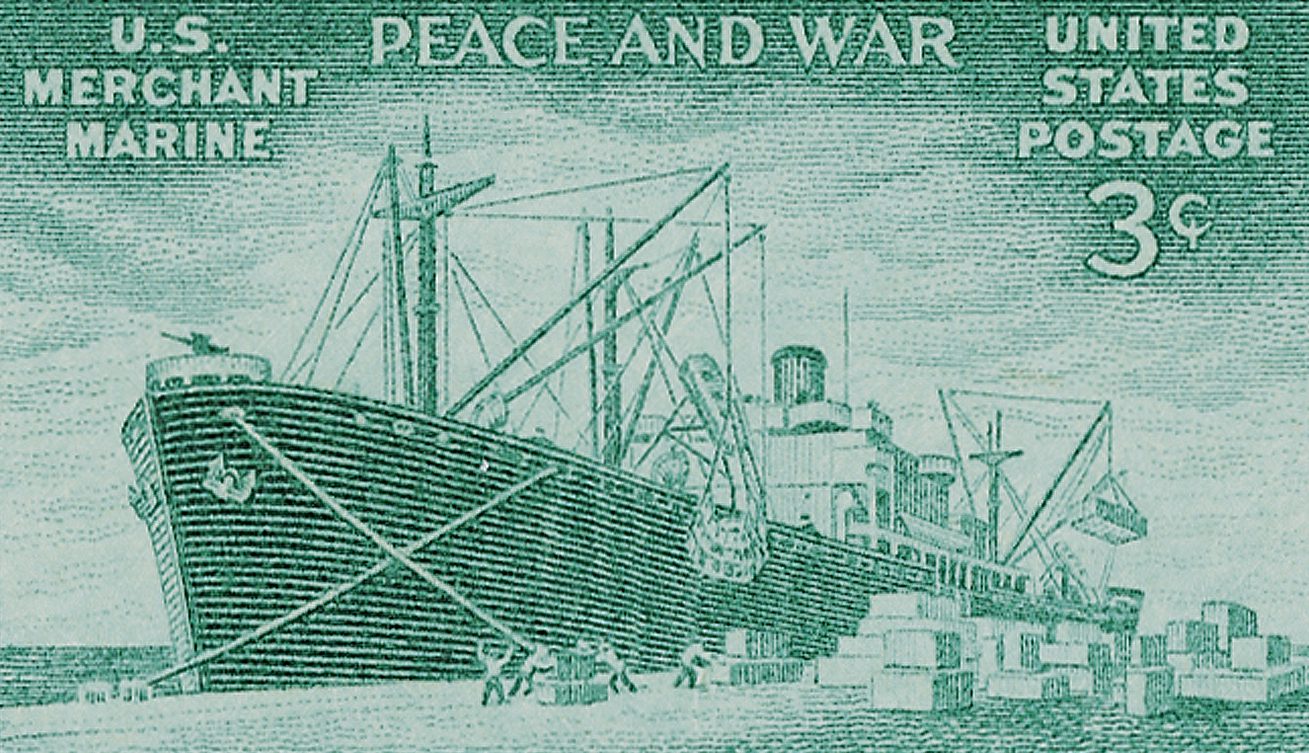
On March 15, 1938, the Merchant Marine Cadet Corps was established. Merchant Marines transport cargo and passengers in peacetime and are called upon in times of war to deliver troops and supplies wherever needed.
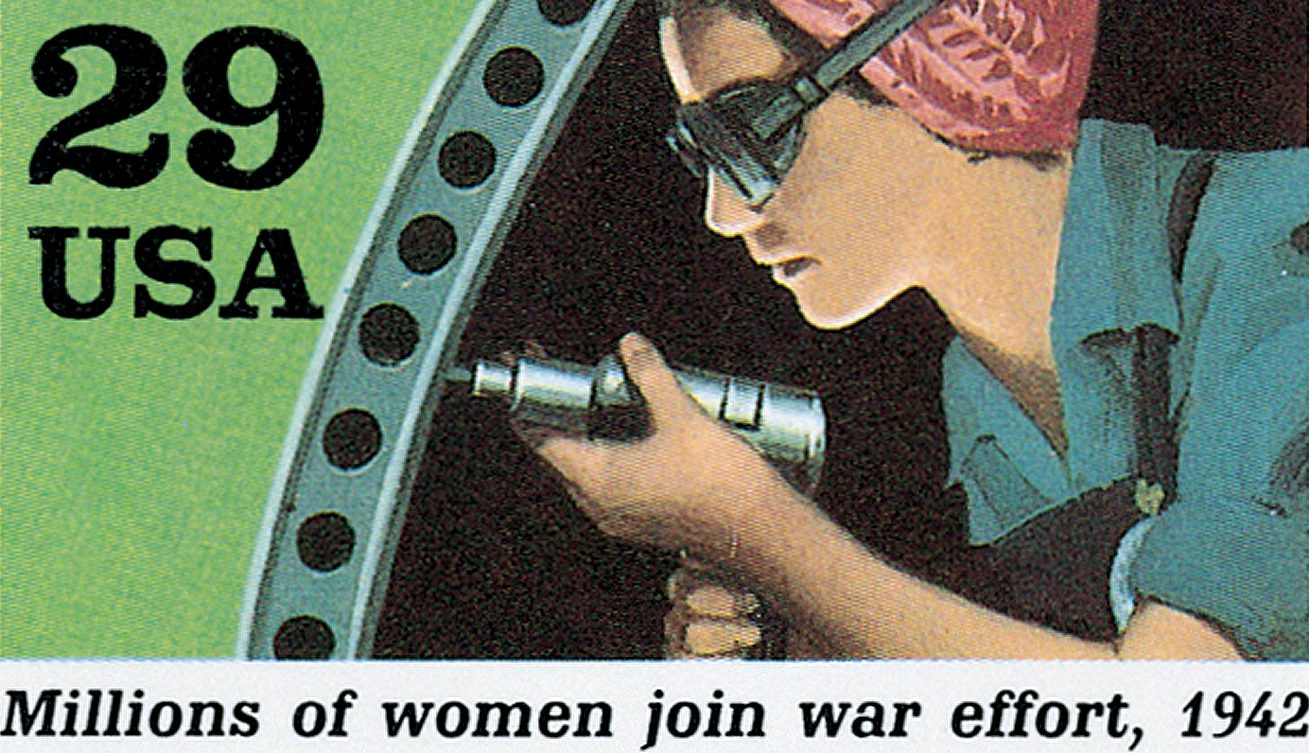
On February 15, 1943, the famed Rosie the Riveter “We Can Do It” poster was first displayed in Westinghouse factories.

On February 3, 1943, after the SS Dorchester was sunk, the Four Chaplains sacrificed their lives to protect the other men on their boat. The sinking is considered the second-worst sea disaster of World War II.
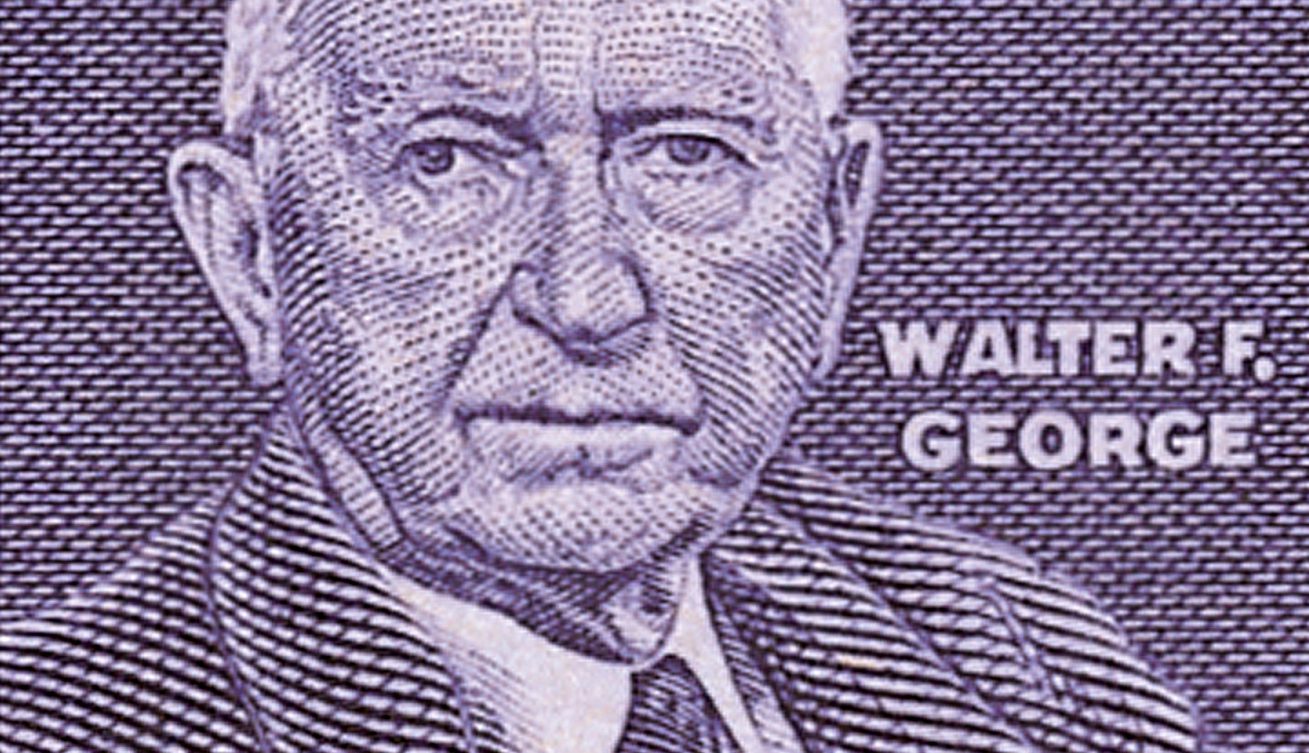
Politician Walter Franklin George was born on January 29, 1878, in Preston, Georgia. Representing Georgia in the US Senate for 35 years, he became one of the most powerful and respected men in Congress during his lifetime.
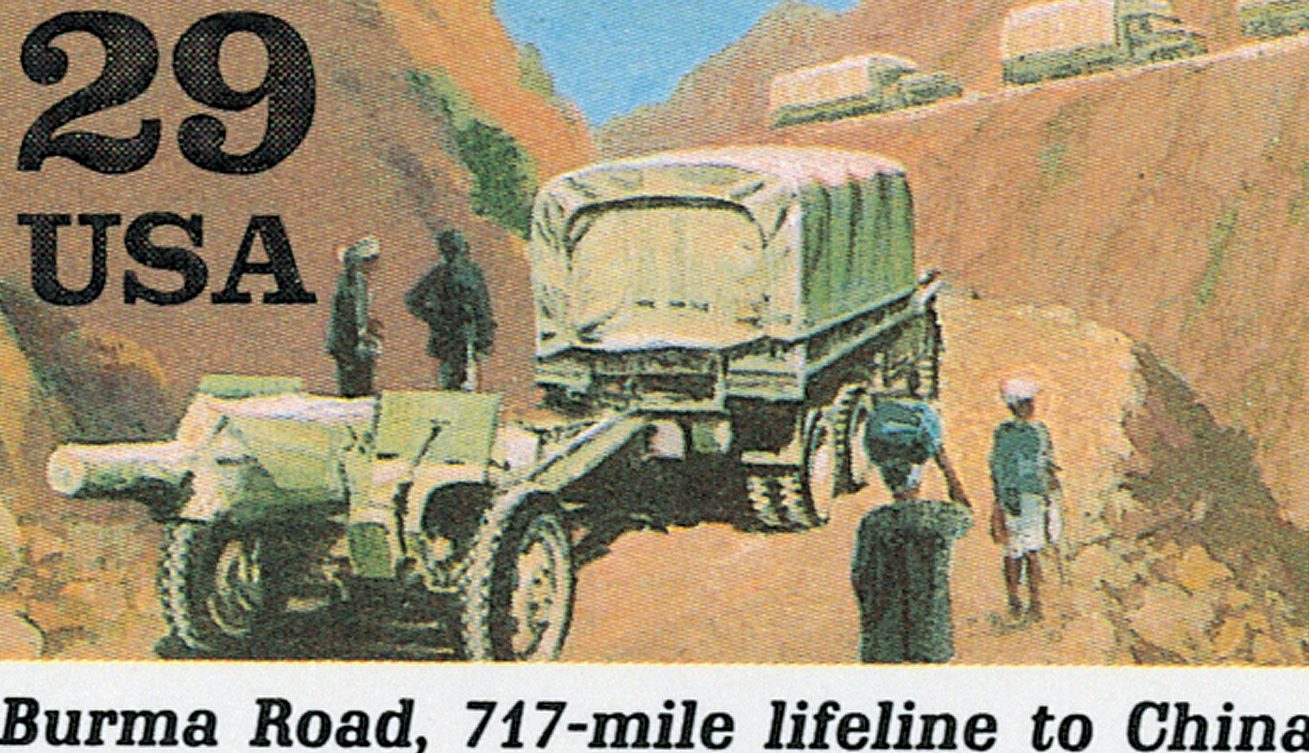
On January 28, 1945, the Burma Road, linking Burma with the southwest of China, was reopened. It was a vital supply road that helped contribute to victory in the region.

On January 18, 1919, composer-turned statesman Ignacy Paderewski was sworn in as the first prime minister of newly independent Poland.