

In the dark days of World War II, when victory was far from certain, Allied leaders gathered in secret to make decisions that would shape the course of the conflict—and the world that followed. Beginning on January 14, 1943, President Franklin D. Roosevelt and Prime Minister Winston Churchill met in Casablanca, Morocco, for a high-stakes conference that set the direction of the war in Europe and beyond. What was decided would influence battles, alliances, and the meaning of victory itself.
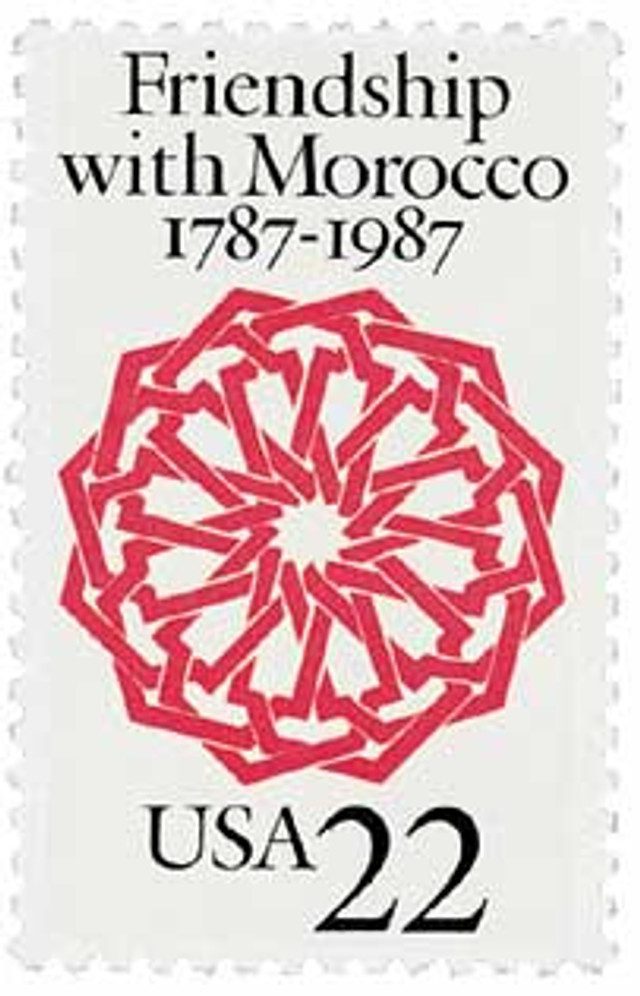
Secrecy surrounded the Casablanca Conference from the start. To hide his movements, Roosevelt boarded a train heading north, leading reporters to believe he was traveling to his estate in upstate New York. Instead, he quietly switched trains in Baltimore, rode south to Miami, and boarded a plane bound for the Caribbean. This daring journey made Roosevelt the first sitting US president to fly in an airplane and the first to leave American soil during wartime. From Miami, he traveled more than 11,000 miles—stopping in Trinidad and Tobago, Brazil, and The Gambia—before finally arriving in Casablanca five days after leaving Washington. That very first night, Roosevelt and Churchill stayed up until 3 a.m., already deep in discussion about the war’s future.

Also attending the conference were Charles de Gaulle and Henri Giraud, leaders of rival French factions seeking to restore France after German occupation. Their presence highlighted tensions even among the Allies. Joseph Stalin, leader of the Soviet Union, had been invited but declined, saying he could not leave Moscow while the crucial Battle of Stalingrad was still raging. Despite his absence, the conference placed strong emphasis on supporting the Soviet war effort.
The main goal of the Casablanca Conference was to plan Allied military strategy for 1943 and beyond. Roosevelt and Churchill agreed that the Allies needed to take pressure off Soviet forces fighting Germany on the Eastern Front. To do this, they committed to increasing shipments of weapons, vehicles, and supplies to the Soviet Union. They also agreed to expand military operations in the Mediterranean, choosing to invade Sicily later that year. This invasion aimed to knock Italy out of the war, weaken Germany’s southern defenses, and force Axis forces to spread themselves thin.

At the same time, the Allies planned for the future. While an invasion of Northern France was not yet ready, leaders agreed to begin assembling troops and equipment in England for a large-scale landing—what would eventually become D-Day in June 1944. They also decided to intensify strategic bombing campaigns against German cities and factories, hoping to damage Germany’s ability to wage war.
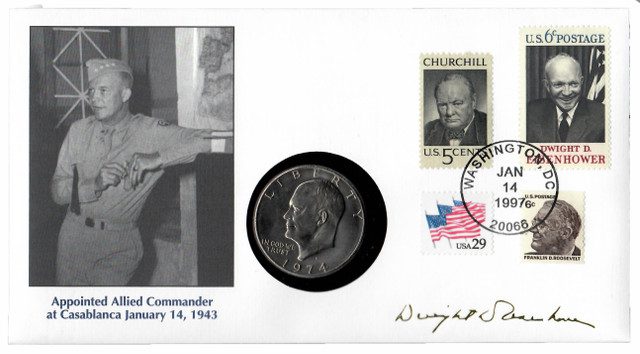
The conference addressed the Pacific Theater as well. Roosevelt and Churchill agreed on operations to push Japanese forces out of Papua New Guinea, which would help protect Australia and open new supply routes. They also supported efforts to reopen land routes to China through Burma, strengthening resistance against Japan in Asia. Another important decision was naming General Dwight D. Eisenhower as Supreme Commander of Allied Forces, a move that helped unify Allied military leadership.
Perhaps the most famous—and controversial—outcome of the Casablanca Conference was the announcement of a policy of unconditional surrender. Roosevelt declared that the Allies would accept nothing less from the Axis powers. He explained that the policy was not meant to punish civilian populations, but to destroy the ideas of conquest and oppression that had led to the war. Critics worried this stance might prolong the fighting or discourage resistance within Axis countries, but supporters believed it would prevent future conflicts by eliminating dangerous ideologies.
The conference ended on January 24, 1943, but the public did not learn of it until days later, once all leaders had safely left Morocco. While debated at the time, the decisions made at Casablanca shaped Allied cooperation and strategy. Two years later, Germany would surrender, and historians would look back on Casablanca as a turning point on the long road to Allied victory.
Click here for more WWII stamps.
| FREE printable This Day in History album pages Download a PDF of today’s article. Get a binder or other supplies to create your This Day in History album. |
Discover what else happened on This Day in History.
Morocco has always been there for us. They were the FIRST foreign government to recognize the US after the revolution. Our embassy at the time is still there and I visited it. It is a great country and they treated my American party very well for the two weeks we were there.
Of all the gin joints in the world, see had to walk into this one. Bogie.