

On January 17, 1944, the Allies launched a brutal struggle in Italy that would test their endurance and reshape the course of the war in Europe. The Battle of Monte Cassino became one of World War II’s longest and bloodiest campaigns, marked by sacrifice, controversy, and hard-won victory.
Although Italy had officially surrendered to the Allies on September 3, 1943, the fighting was far from over. German forces quickly moved in to take control of the Italian mainland, determined to slow the Allied advance toward Rome. Italy’s geography worked in Germany’s favor. The country’s narrow shape, steep mountains, and winding roads made it ideal for defense. As Allied troops pushed northward, they were forced into direct assaults against carefully prepared German positions.
One of the strongest of these defenses was the Gustav Line, commanded by German General Albert Kesselring. This line stretched across Italy from coast to coast and was anchored by Monte Cassino, a steep hill crowned by a centuries-old Benedictine monastery. Monte Cassino stood about 75 miles south of Rome and overlooked key roads and river valleys. As long as the Germans held this position, the road to Rome was effectively blocked.
The first major fighting at Monte Cassino began on January 17, 1944, when British forces attacked German positions along a 20-mile front near the coast. The Allies hoped to break through quickly, but they underestimated the strength of the German defenses. Heavy rain, winter cold, and muddy terrain made movement slow and dangerous. German troops, well dug in and experienced, repelled repeated attacks.
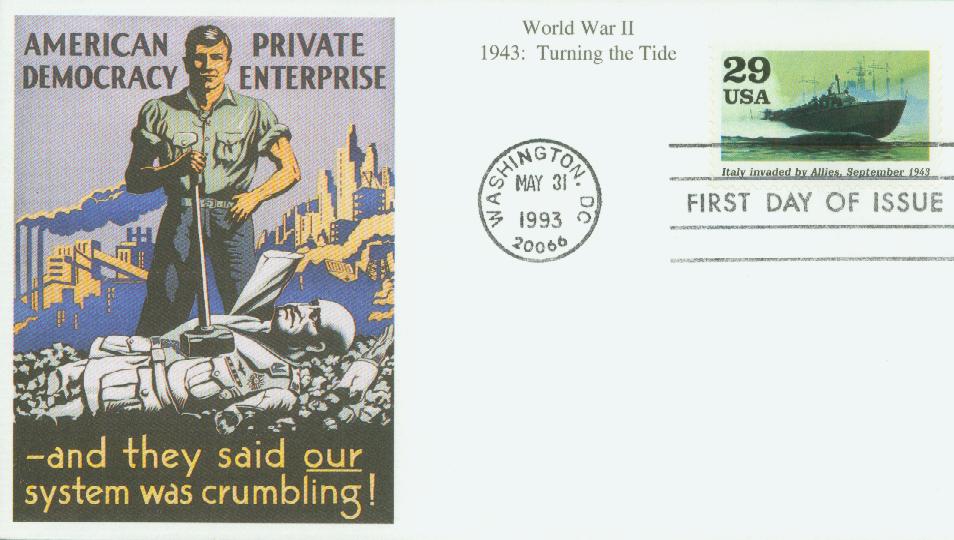
Two days later, the Allies launched another assault, prompting the Germans to send reinforcements from Rome. For weeks, intense fighting continued. The Allies managed to gain ground at times, but they were unable to hold their positions. Each advance came at a high cost, and the Gustav Line remained unbroken.
In an effort to break the stalemate, the Allies launched Operation Shingle on January 22, 1944. This amphibious landing placed 36,000 Allied troops at Anzio, behind German lines. At first, the landing was a success. The Germans were caught off guard, and resistance was light. However, instead of pushing forward aggressively toward Rome, Allied commanders chose to strengthen their beachhead. This delay proved costly. General Kesselring quickly organized a powerful counteroffensive, trapping Allied forces at Anzio. For the next four months, they remained pinned down under constant attack.

Meanwhile, attention returned to Monte Cassino and its famous monastery. Allied leaders feared that German observers were using the monastery to direct artillery fire. Because the abbey was a historic and religious site, commanders hesitated to destroy it. Some argued that bombing it would prevent German use, even if they were not there yet. In February 1944, the difficult decision was made to bomb the monastery. After two days of heavy shelling, much of the ancient structure lay in ruins. Ironically, German troops then moved into the rubble, using it as an even stronger defensive position.
After two more failed attempts to break the Gustav Line, the Allies developed a new plan called Operation Diadem. This massive offensive brought together forces from several countries, including British, Polish, French, New Zealand, South African, and American troops. The coordinated attack began in May 1944 and struck German positions from multiple directions. The fighting was fierce and costly, but this time the pressure was too great. Within a week, German defenses began to collapse. On May 18, Polish forces captured the mountaintop monastery, finally ending the long struggle at Monte Cassino.
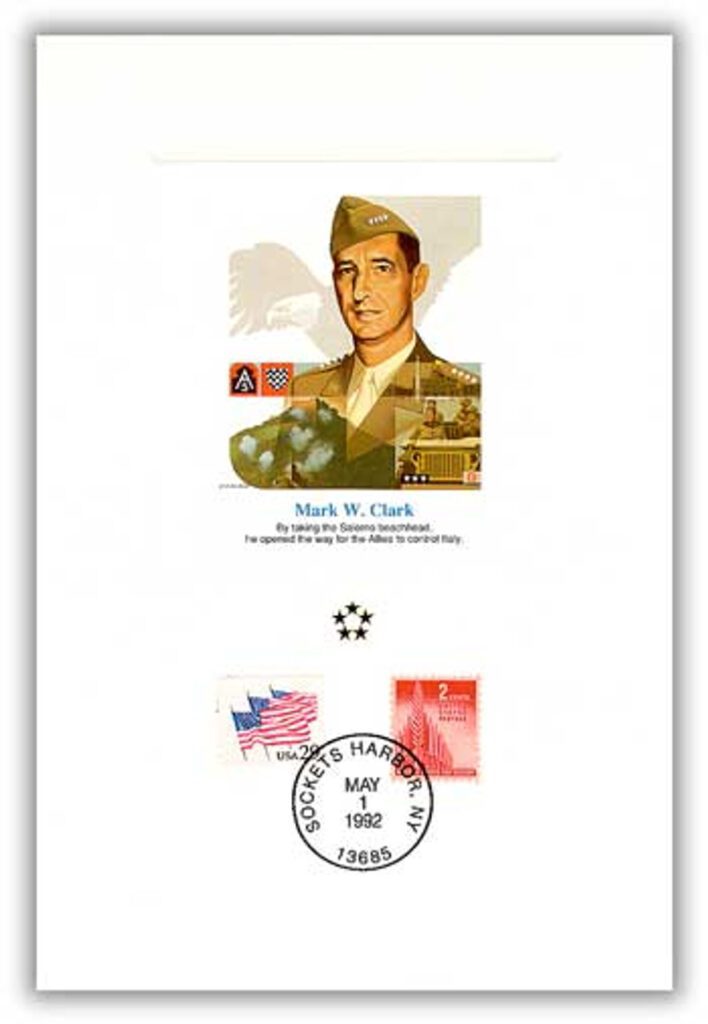
The breakthrough at Monte Cassino opened the road to Rome. Controversially, General Mark Clark ordered American troops to head directly for the city rather than follow the battle plan to capture the retreating German Tenth Army. Allied troops entered the city on June 4, 1944, greeted by cheering crowds. Clark later described Romans waving flags, placing flowers in soldiers’ rifles, and celebrating wildly. The liberation of Rome was a powerful morale boost for the Allies. Just two days later, Allied forces landed in Normandy, beginning the liberation of Western Europe.
The Battle of Monte Cassino was a crucial Allied victory, but it came at a terrible cost. Approximately 55,000 Allied soldiers and 20,000 German troops were killed, wounded, or missing. The battle stands as a reminder of the harsh realities of war and the enormous sacrifices made to secure freedom and victory.
Click here for a neat video about the battle.
| FREE printable This Day in History album pages Download a PDF of today’s article. Get a binder or other supplies to create your This Day in History album. |
Discover what else happened on This Day in History.
Let us never forget the sacrifices that the boys and men made, but even on the homefront, mothers and daughers sacrificed as well. Let us also not forget what one person with too much power can do to others.