

On January 18, 1944, the grand halls of the Metropolitan Opera House echoed with something never heard there before—the electrifying sound of jazz. What began as a magazine poll became a historic night that blended music, patriotism, and cultural change during the height of World War II.
The idea for the concert came from Esquire magazine, which was extremely popular with American servicemen during the war. Looking to strengthen its connection with GIs and music fans alike, the magazine ran a reader’s poll asking subscribers to vote for their favorite jazz musicians. Readers selected top performers by instrument, as well as singers and big band leaders. The poll tapped into the deep affection Americans had for jazz, a music style that symbolized freedom, creativity, and modern American culture.
The results of the poll were published in Esquire’s December 1943 issue and quickly stirred excitement. Many of the winners were already famous stars, which led to some controversy. Critics argued that the poll favored well-known names and overlooked talented younger musicians who were still building their careers. Instead of hurting interest, the debate drew even more attention to the poll and helped spark a bold idea—bringing all the winners together for a live performance.

Esquire’s publisher decided to turn the poll into something bigger: a benefit concert that would support the war effort. The event was planned to raise money for the Navy League, encourage the purchase of war bonds, and promote Armed Forces Radio, which broadcast entertainment to troops overseas. Framed as a patriotic event, the concert gained immediate backing from military and civilian leaders alike.
One of the most surprising supporters was the Metropolitan Opera House itself. Opened in 1883, the Met was one of the most prestigious music venues in the world and had long been associated with classical opera. Jazz, often seen at the time as informal or even rebellious, had never been performed there. Yet on January 18, 1944, the Met opened its doors to a completely new sound, marking a major cultural milestone.

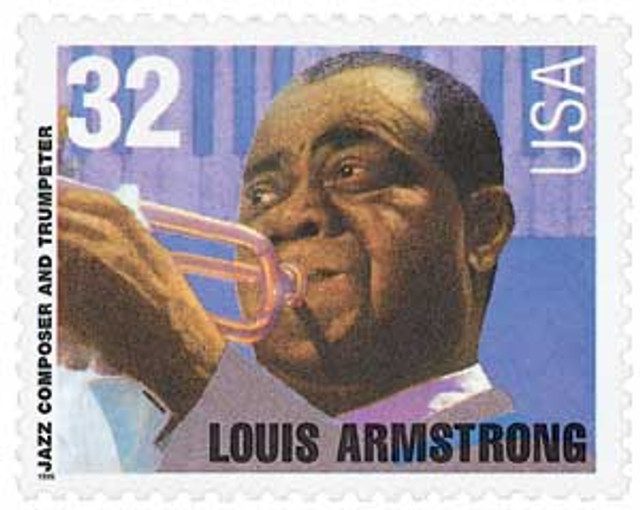
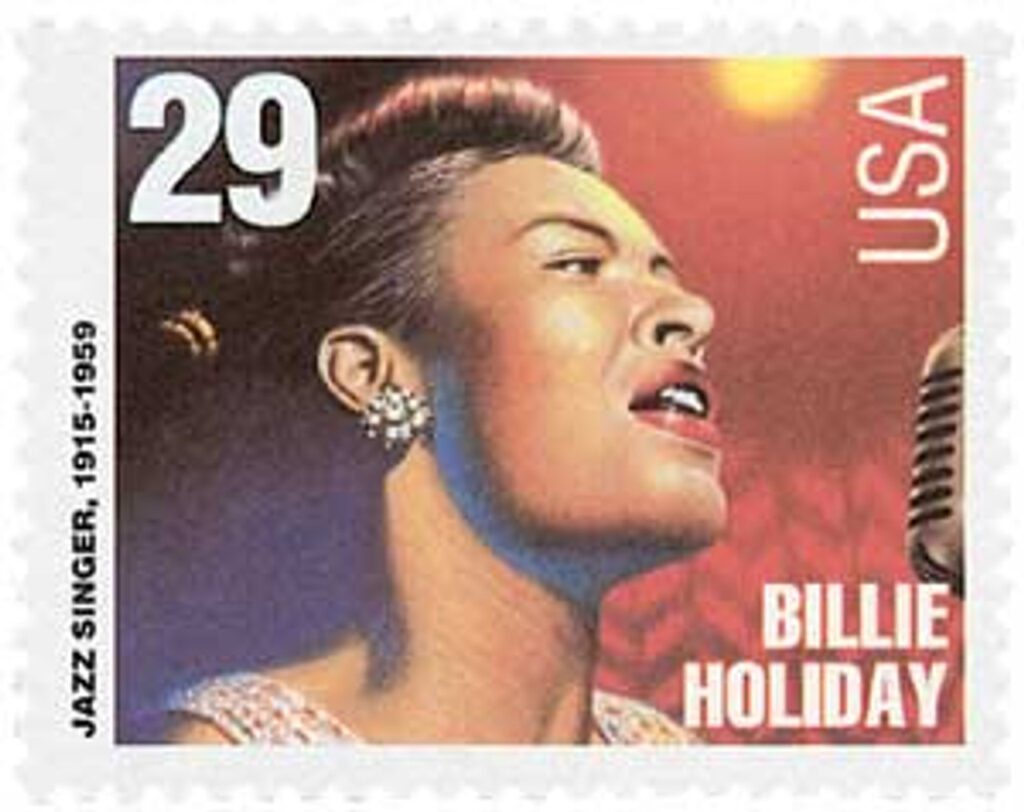
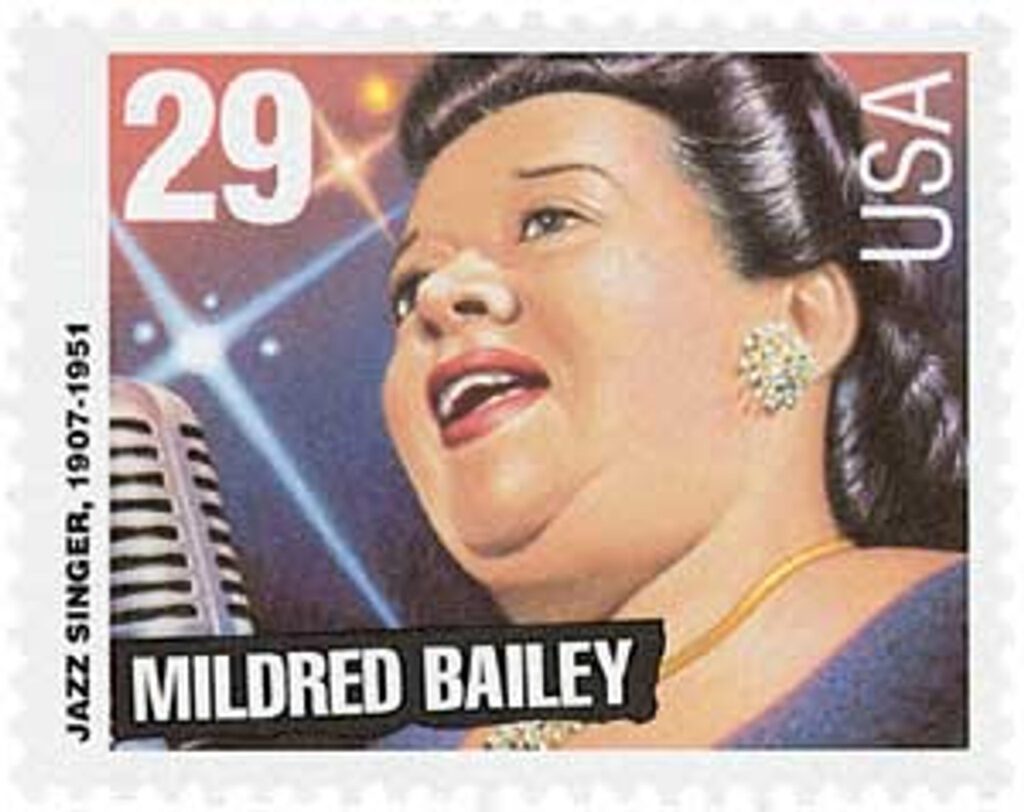
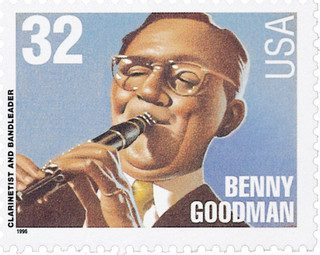
The concert, later known as the Metropolitan Opera House Jam Session, featured an extraordinary lineup of jazz legends. Trumpet stars Louis Armstrong and Roy Eldridge brought power and personality to the stage. Pianists Art Tatum and Teddy Wilson dazzled audiences with their technical brilliance. Other performers included Oscar Pettiford on bass, Barney Bigard on clarinet, Sidney Catlett on drums, Al Casey on guitar, Coleman Hawkins on saxophone, Lionel Hampton on vibraphone, Jack Teagarden on trombone, and Red Norvo on xylophone. Vocalists Billie Holiday and Mildred Bailey added emotional depth and style to the evening. Although Benny Goodman could not appear in person, his performance was broadcast from Hollywood, ensuring his presence was still felt.
The entire concert was broadcast worldwide on the NBC Blue Network and Armed Forces Radio, allowing soldiers across the globe to hear the performance. Jazz, often called America’s music, became a unifying force during a time of global conflict.
Newspaper reviews captured the excitement and novelty of the night. One writer described an opera house filled with swinging shoulders, cheers, whistles, and rhythmic clapping—behavior rarely seen in a venue usually reserved for formal opera performances. The reviewer joked that the ghosts of legendary opera singers like Enrico Caruso must have been shocked by the lively sounds echoing through the hall.
About 3,400 people attended the concert in person, and the event raised an impressive $650,000 in war bond sales. The success led to similar concerts in 1945 and 1946, though the 1944 performance remained the most famous. Years later, recordings of the concert were released, preserving a night when jazz claimed its place on one of the world’s most respected stages.
Click here to listen to the concert.
| FREE printable This Day in History album pages Download a PDF of today’s article. Get a binder or other supplies to create your This Day in History album. |
Discover what else happened on This Day in History.
Very cool to have the link to listen to the concert! Really appreciate that!
This concert must have brought Benny Goodman’s memory back to a similar event six years earlier. On January 16th, 1938, he and his band performed the first jazz concert at Carnegie Hall. Fortunately (although unknown to the public at the time), that concert was also recorded, It was finally released in 1950.
Volume 1 of 3 of this concert can be found here:
https://www.bing.com/videos/riverview/relatedvideo?q=Metropolitan+Opera+House+Jam+Session+1944&&mid=9ACC63CD2E9978CF41DC9ACC63CD2E9978CF41DC&FORM=VRDGAR