
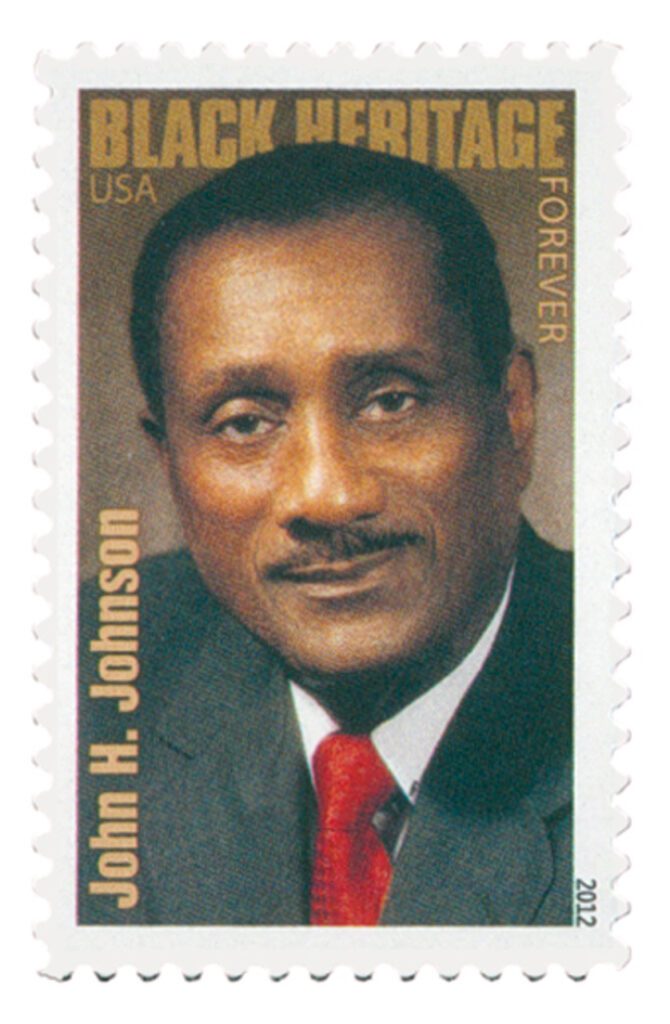
Born on January 19, 1918, in Arkansas City, Arkansas, John Harold Johnson rose from poverty and segregation to become one of the most influential publishers in American history. With vision and determination, he built a media empire that reshaped how African Americans saw themselves—and how the nation saw them.
Johnson’s early life was shaped by the harsh realities of segregation in the South. As a child, he attended an overcrowded, underfunded elementary school reserved for African American students. There was no high school available for Black children in his town, but Johnson loved learning so much that he chose to repeat the eighth grade rather than end his education early. This decision reflected a lifelong belief that education was the key to opportunity and progress.
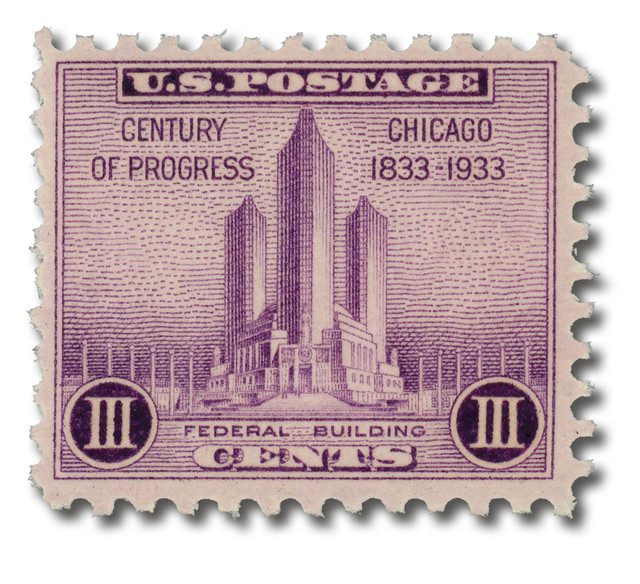
A turning point came in 1933, when Johnson attended the Chicago World’s Fair with his mother, Gertrude Johnson. The fair showcased innovation, culture, and possibility, and it convinced them that greater opportunities existed beyond the South. Soon afterward, they moved to Chicago, part of the larger Great Migration of African Americans seeking better lives in northern cities.
In Chicago, Johnson enrolled at Wendell Phillips High School, an all-Black school that offered far more opportunities than those available to him in Arkansas. He later transferred to DuSable High School, where he found himself surrounded by future stars and leaders, including Nat King Cole, Redd Foxx, and William Abernathy. Johnson stood out as a leader, serving as student council president and editor of the school newspaper. His ability to organize, communicate, and inspire others was already clear.
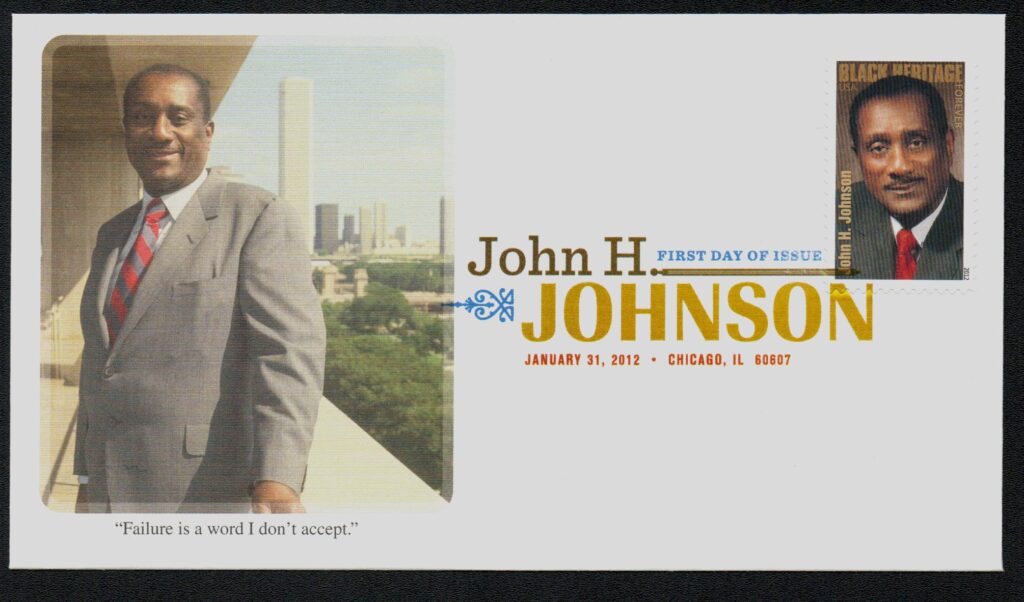
Johnson graduated with honors and earned a scholarship to the University of Chicago. While attending college, he worked as an office boy at Supreme Life Insurance Company, one of the largest Black-owned businesses in the country. One of his tasks was collecting newspaper articles into a monthly digest. As he read stories that often ignored or misrepresented African Americans, Johnson had an idea: create a publication similar to Reader’s Digest but focused on Black readers and their experiences.

That idea became Negro Digest. At first, almost no one believed in the project—except Johnson’s mother. She showed her faith by offering her furniture as collateral so he could secure a loan. In 1942, the first issue was published. With the help of magazine distributor Joseph Levy, the publication quickly reached readers in major cities. Within six months, Negro Digest had a circulation of 50,000, proving there was a strong demand for Black-centered media.
In 1945, Johnson launched Ebony, a glossy magazine that celebrated African American life, success, and culture. It became the largest Black-owned magazine in the world. The following year, Johnson broke new ground by convincing white-owned companies to advertise in Ebony using African American models—something that had never been done before. He later introduced Jet, African American Stars, and Ebony Jr., expanding his reach across generations. Through these publications, Johnson highlighted Black entrepreneurs, entertainers, politicians, and everyday families, challenging harmful stereotypes and promoting pride.
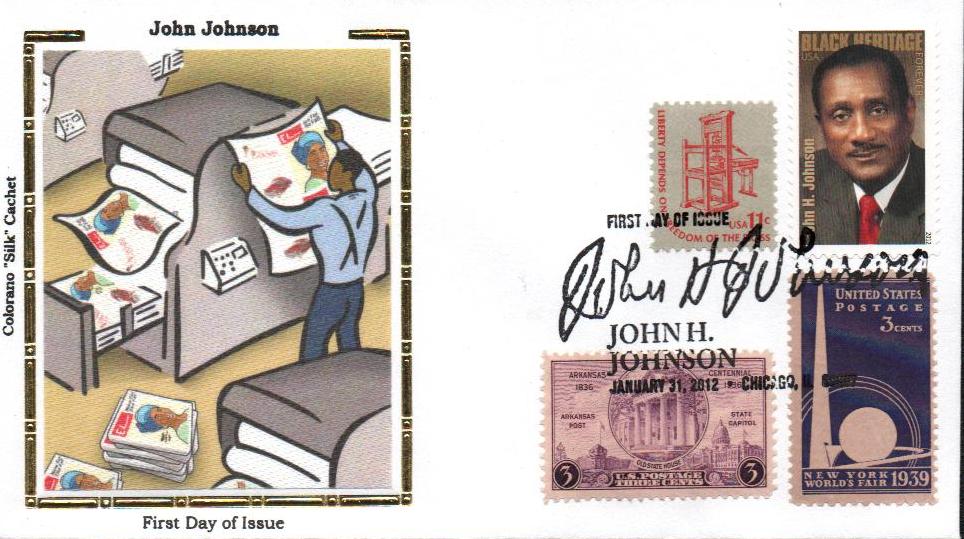
Johnson’s impact reached a critical moment in 1955 after the brutal murder of 14-year-old Emmett Till. Jet published a photo of Till’s open casket, exposing the violence of racism to the world. The image shocked the nation and became a powerful catalyst for the civil rights movement. Johnson’s publications continued to cover freedom rides, protests, and landmark legislation, always from the Black perspective.

Over a 60-year career, John H. Johnson transformed American media. He also owned radio stations, television production companies, and cosmetics businesses, and served on the board of the Greyhound Corporation. In 1996, President Bill Clinton awarded him the Presidential Medal of Freedom, praising him for giving African Americans “a new sense of who they were and what they could do.”
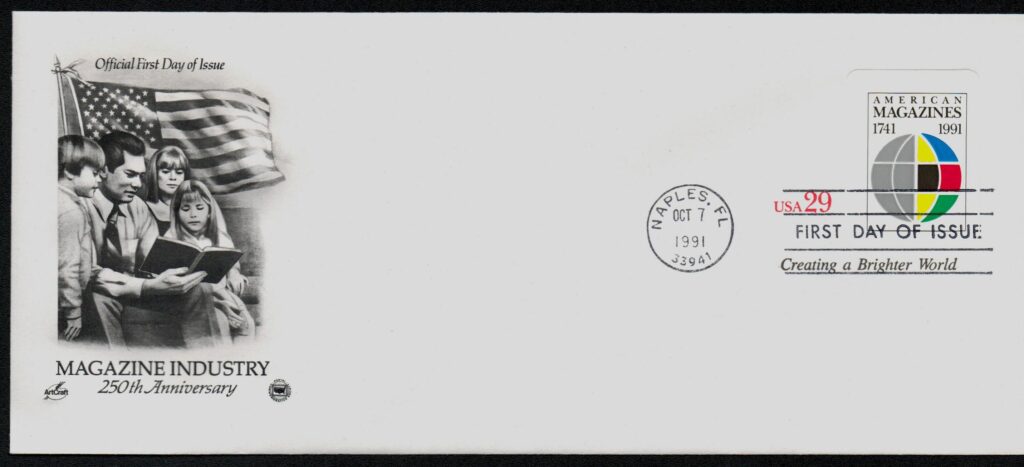
Johnson died on August 8, 2005. More than 3,000 people attended his funeral, including Bill Clinton, Jesse Jackson, and Barack Obama. His legacy continues to inspire, reminding future generations of the power of vision, perseverance, and pride.
| FREE printable This Day in History album pages Download a PDF of today’s article. Get a binder or other supplies to create your This Day in History album. |
Discover what else happened on This Day in History.
Thank you for sharing this brief biography of John H. Johnson. A true inspiration for our African American brothers and sisters as well as all of us!
I agree totally 💯 👍
I agree 1000%. Very few of us realized how hard folks had to work to make us present days’s life more comfortable. Thank you Mystic for compiling such a beautiful and enduring story.
Very interesting piece of biography. Next time I’m in Chicago I’ll remember this article and the man, John Johnson. Thanks Mystic!