

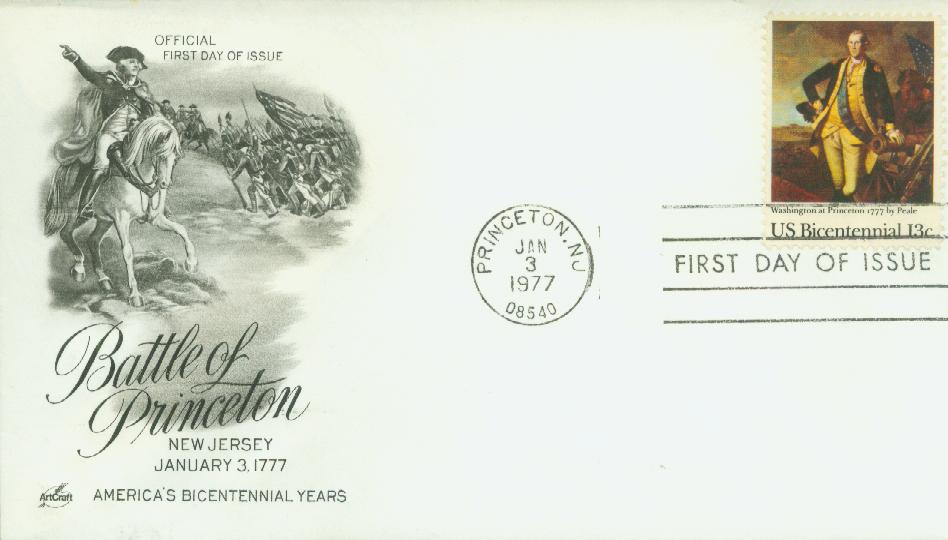
On January 3, 1777, General George Washington earned one of the most important victories of the American Revolutionary War at the Battle of Princeton in New Jersey. Although small in size compared to later battles, the victory came at a critical moment when the Continental Army was struggling, and it helped change the course of the war by restoring American confidence and weakening British control in the region.
In late December 1776, Washington and his army were facing low morale, short enlistments, and repeated defeats. Many soldiers were preparing to leave the army at the end of the year. In this desperate situation, Washington made a bold move. On the night of December 25, 1776, he famously led his troops across the icy Delaware River and surprised the Hessian forces at Trenton, New Jersey. The victory at Trenton was small, but it gave the Americans renewed hope.

Determined to respond, British General Lord Cornwallis gathered more than 9,000 troops at Princeton, a key British stronghold in New Jersey. On January 2, 1777, Cornwallis marched with about 8,000 men toward Trenton to crush Washington’s army. That afternoon and evening, British forces attacked the American defenses three times but were held back each time. As night fell, Cornwallis believed Washington was trapped and planned to finish the attack the next morning.

Instead of waiting to be defeated, Washington met with his officers and made a daring decision. During the night, most of the Continental Army quietly slipped out of Trenton. About 500 men were left behind to keep campfires burning and make noise, creating the illusion that the army was still there. Meanwhile, Washington led the main force toward Princeton, hoping to strike the British garrison stationed there.
By morning, Washington’s army was running behind schedule. To delay Cornwallis’s troops from following them, Washington sent Brigadier General Hugh Mercer and about 350 men to destroy the Stony Creek Bridge. At the same time, British Lieutenant Colonel Charles Mawhood was marching toward Trenton with his own troops. Mawhood soon realized that the Americans had abandoned Trenton and were heading toward Princeton. He quickly turned his force around and moved to intercept Mercer.
The two sides met near Princeton and exchanged gunfire for about ten minutes. Mercer’s men were badly outnumbered and were armed mostly with rifles, which took longer to reload than British muskets. When the British launched a bayonet charge, the Americans were overwhelmed. During the fighting, Hugh Mercer was seriously wounded and later died. His death would later be memorialized in this famous painting by John Trumbull.
Soon after, Brigadier General John Cadwalader arrived with reinforcements, but his troops were inexperienced. Seeing Mercer’s men retreat, they began to flee as well. At this moment, Washington arrived on the battlefield. He rode forward, rallied the retreating soldiers, and called out, “Parade with us, my brave fellows! There is but a handful of the enemy and we shall have them directly!”
Washington boldly positioned himself in front of his troops to direct their fire. Thick smoke from musket fire filled the air, and many feared he had been killed. When the smoke cleared, Washington was still there, unharmed, waving his men forward. Inspired by his leadership, the American troops regrouped and pushed the British forces into a full retreat.

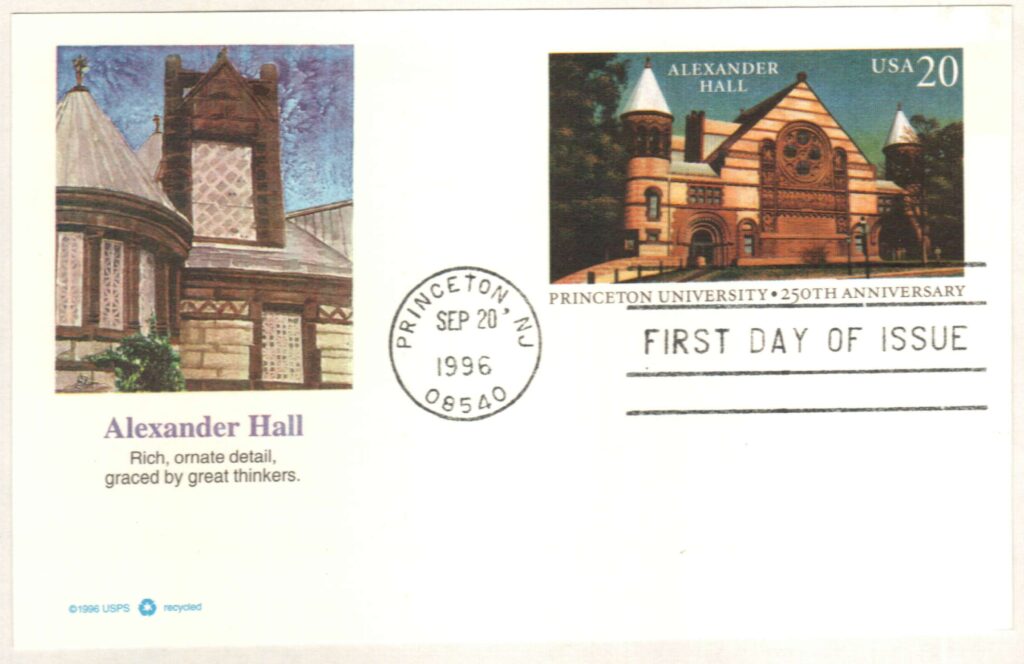
Meanwhile, on the outskirts of Princeton, Brigadier General John Sullivan led his men against additional British troops. Some British soldiers tried to take refuge inside Nassau Hall, a large building at the College of New Jersey (now Princeton University). American artillery was brought forward, and after being surrounded, the British inside Nassau Hall surrendered.

Although British commanders considered the Battle of Princeton a minor setback, its impact was enormous for the Americans. The victory greatly boosted morale, encouraged new enlistments, and convinced many soldiers to remain in the army. Just as importantly, it weakened British control of New Jersey and showed that the Continental Army could defeat professional British forces.
Together, the victories at Trenton and Princeton marked a turning point in the war. At a time when the American cause seemed close to collapse, Washington’s bold leadership helped keep the fight for independence alive.
| FREE printable This Day in History album pages Download a PDF of today’s article. Get a binder or other supplies to create your This Day in History album. |
Discover what else happened on This Day in History.
The importance of good leadership by genereal officers cannot be underestimated indeed!
Thanks Mystic as you have provided more details about the Battle of Princeton than I recalled from my U S History class.
A good job by Mystic
Great job Mystic. Many historical facts that I never knew about and you guys report about them.
I really enjoy Mystic and take advantage of it’s special offers. But for the most part their prices are very high!!