

On March 20, 1865, John Wilkes Booth set in motion a plan to kidnap President Abraham Lincoln. The attempt never happened—but its failure helped push Booth toward a far more deadly decision just weeks later.
Threats against Abraham Lincoln began almost as soon as he was elected president in 1860. The nation was already divided, and tensions were rising quickly. As Lincoln traveled from Springfield, Illinois, to Washington, DC, for his inauguration, officials uncovered a possible assassination plot in Baltimore. To reduce the risk, Lincoln was quietly escorted through the city at night. He arrived safely, but the incident showed how serious the danger had become.
During the Civil War, Lincoln often took a relaxed approach to his own safety. He moved around Washington with limited protection. He frequently visited soldiers, hospitals, and public places. His willingness to remain accessible made him popular, but it also increased his risk. By the time he was reelected in 1864, the number of threats had grown. Confederate agents and sympathizers were rumored to be considering kidnapping him. Their goal was to exchange Lincoln for thousands of captured Confederate soldiers or to force political concessions.
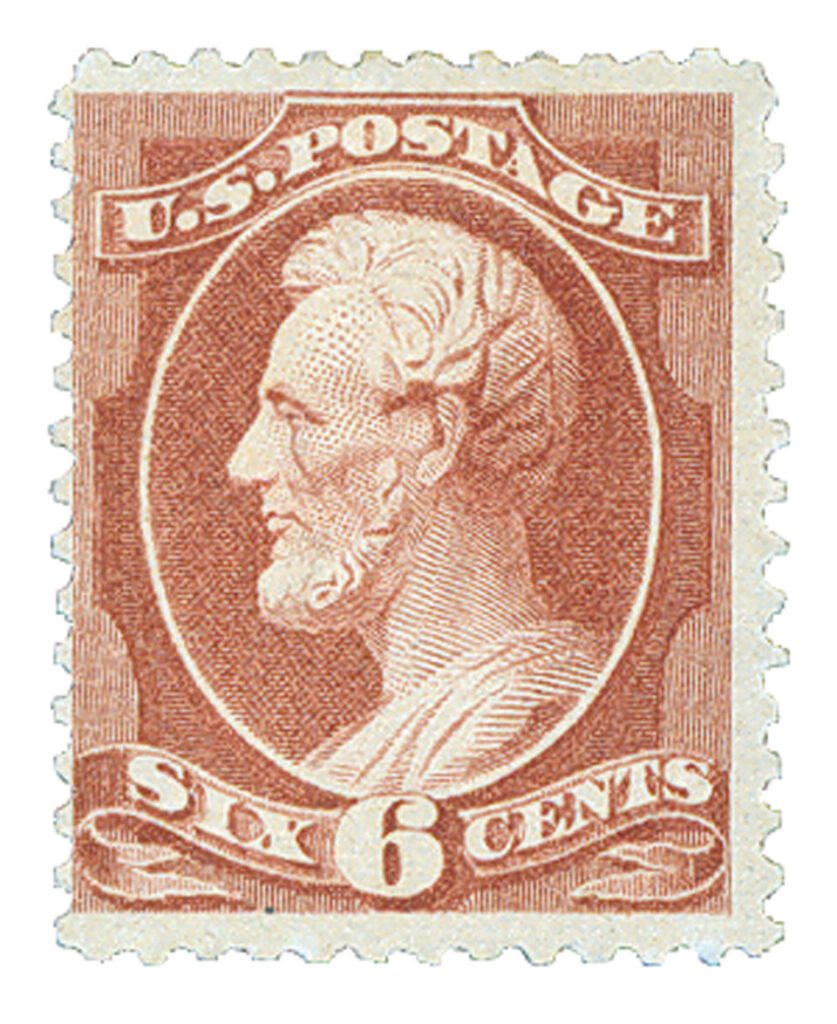
In response, the War Department increased security measures. Even so, Lincoln’s protection remained inconsistent. This created an opportunity for individuals willing to take extreme action.
One of those individuals was John Wilkes Booth. Booth was a well-known stage actor from a famous theatrical family. He strongly supported the Confederacy, even though he lived in the North during the war. Booth was deeply angered by Lincoln’s policies, especially the push to end slavery, having written, “This country was formed for the white, not for the black man. And, looking upon African slavery from the same standpoint held by the noble framers of our constitution, I, for one, have ever considered it one of the greatest blessings that God ever bestowed upon a favored nation.” He believed the South had been wronged and wanted to strike a blow against the Union government.
Ironically, Lincoln admired Booth’s acting. The president had seen him perform at Ford’s Theatre in 1863. Lincoln even invited Booth to visit the White House, though Booth never accepted. The two men never met, but their paths had crossed more than once.
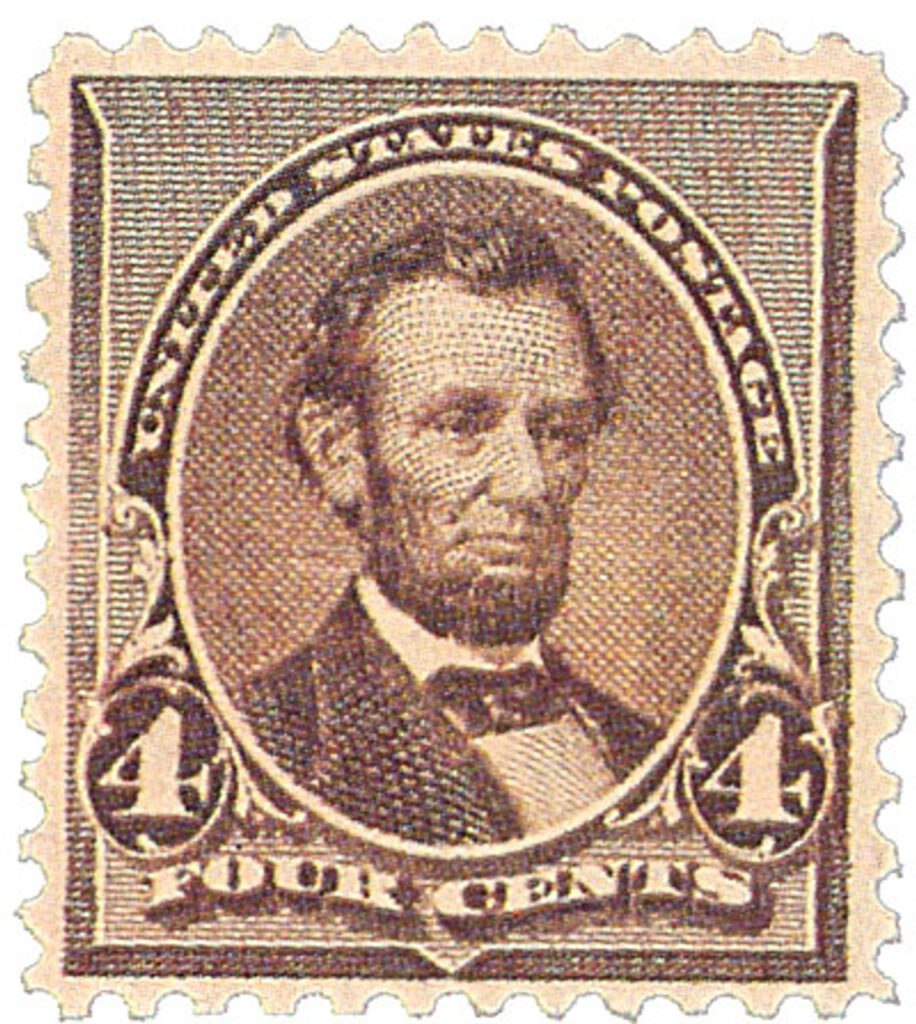
On March 4, 1865, Booth attended Lincoln’s second inauguration. The war was nearing its end, and Lincoln spoke about healing the nation. Booth, however, reacted very differently. In his diary, he later wrote that he regretted not taking action that day. Soon after, he began organizing a group to carry out a kidnapping.
Booth recruited several co-conspirators. Their plan was to capture Lincoln and take him south to Richmond, the Confederate capital. They hoped to use him as leverage to secure the release of Confederate prisoners. At the time, thousands of Southern soldiers were being held in Union prison camps.
Booth studied Lincoln’s habits carefully. The president often traveled outside the White House to visit the Soldiers’ Home, a retreat located just north of Washington. He also made regular visits to nearby military hospitals. These trips were less guarded than official events, making them ideal targets.

Booth learned that Lincoln planned to attend a performance at Campbell Hospital, near the Soldiers’ Home, on March 20, 1865. Booth and his team prepared to intercept the president’s carriage along the road. They positioned themselves along the route and waited. The plan was to overpower Lincoln’s small escort, capture him, and quickly move him out of the city.
But the plan fell apart before it could begin. At the last minute, Lincoln changed his schedule. Instead of traveling to the hospital, he went to the National Hotel in Washington. By coincidence, Booth was staying there at the time. The conspirators waited in vain. Lincoln never appeared.

The failed attempt was a turning point. Booth had invested time, energy, and risk into the kidnapping plan. Its failure frustrated him deeply. Around the same time, the Confederacy was collapsing. Richmond would fall to Union forces in early April. Booth began to believe that kidnapping was no longer enough.
Historians generally agree that this failed plot helped shift Booth’s thinking. Within weeks, he changed his plan from kidnapping to assassination. On April 14, 1865, less than a month later, Booth shot President Lincoln at Ford’s Theatre.
The events of March 20 did not result in violence, but they revealed how close Lincoln came to being captured. They also show how quickly events were changing in the final days of the Civil War. A missed appointment and a last-minute decision altered the course of history.
| FREE printable This Day in History album pages Download a PDF of today’s article. Get a binder or other supplies to create your This Day in History album. |
Discover what else happened on This Day in History.
The little known ‘facts’ regarding people and events that are presented on your blog add a whole new dimension to my understanding of history. I look forward to reading it every day to learn something new! However, as a scientist, I would appreciate references and/or links to sources used in order to verify the information presented. Nothing elaborate, just a couple of key links. Would that be possible?
Great stuff, how little decisions here and there create their own historic timeline. Keep up the great work.
Every day I learn something new, Thank you Mystic!!!!!
I really appreciate the U S History lessons that you provide. Many facts that were not included in my studies. Thank you Mystic.
Interesting tid bits that make a dry subject like history interesting! Thank you Mystic keep the good work going…
I enjoy your stories and history lessons. But I really wish you’d give the date of issue of each stamp discussed, not just the Scott number. Thus I could check my album to see whether or not it’s an issue I have or need to add to my collection.
Bill M. – each of the stamp images in these articles are ‘clickable’ and take you to the full info Mystic has for them on their web site. For instance, #77 was issued in April 1866, and the Mystic info shows earliest known use as 4/16/1866. Wasn’t sure if you were aware you could select them for more info – U.S. or World stamps.
Each day becomes a magical history lesson and important insights into facts not only from US history but also from world history. Thank you very much.
And once again Mystic, you tell us history that in many ways gives a new perspective on past events and makes me wonder why I was never taught these little known gems in my history class growing up. Keep up the great ‘This day in History’ tidbits. They are always fascinating reads that aren’t avaiilable anywhere else.