
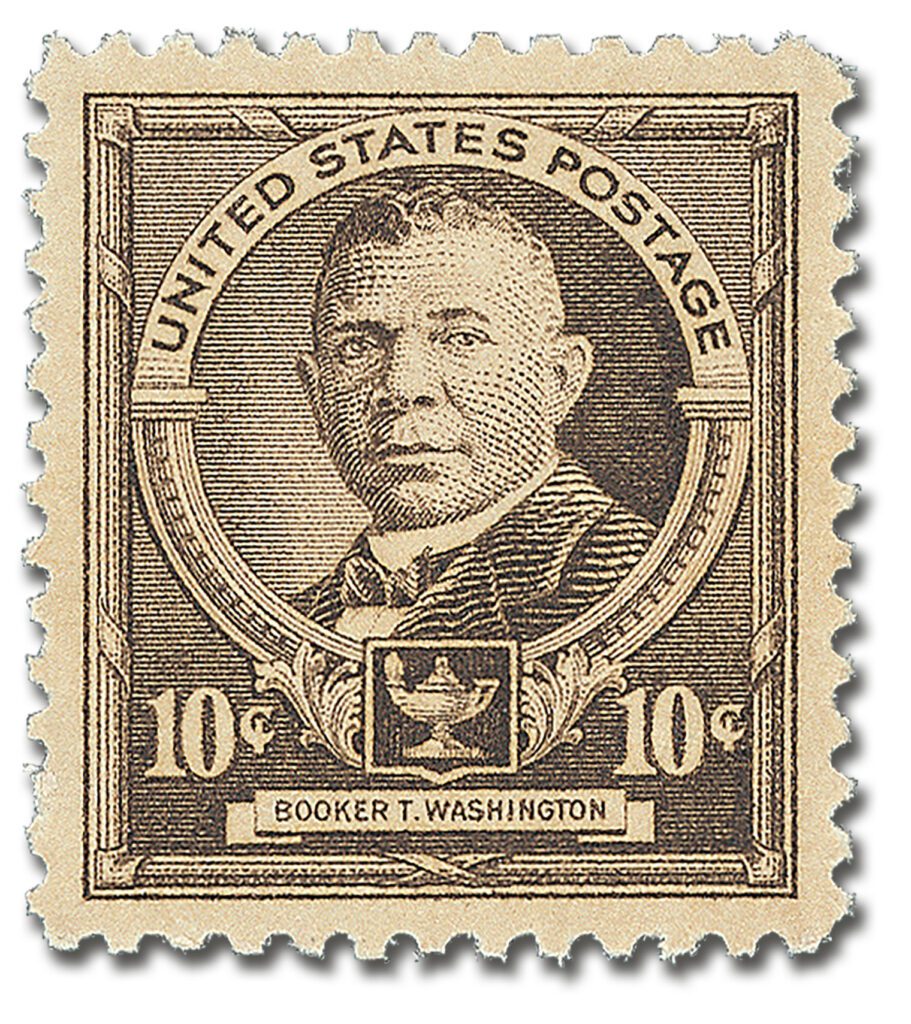
On April 5, 1856, Booker Taliaferro Washington was born into slavery in Hale’s Ford, Virginia. From those beginnings, he built a life centered on education, discipline, and practical progress in the years after the Civil War.
Washington grew up on a small plantation, where his mother worked as a cook. His father was an unknown white man, likely from a nearby farm. As a child, Booker performed hard labor. He carried heavy loads of grain to a mill and worked long hours with little rest. Despite these demands, he developed a strong desire to learn. One moment stayed with him for life. He once looked through the window of a schoolhouse and saw children reading. He later wrote that this simple scene left a deep impression on him.
After the Civil War ended in 1865, his family moved to Malden, West Virginia. His mother married a freedman named Washington Ferguson, and Booker took his stepfather’s first name as his own. Life remained difficult. He worked in salt furnaces and later in coal mines to help support the family. Still, his mother encouraged his interest in education. She obtained a book for him, and he taught himself to read and write in the early mornings before work.
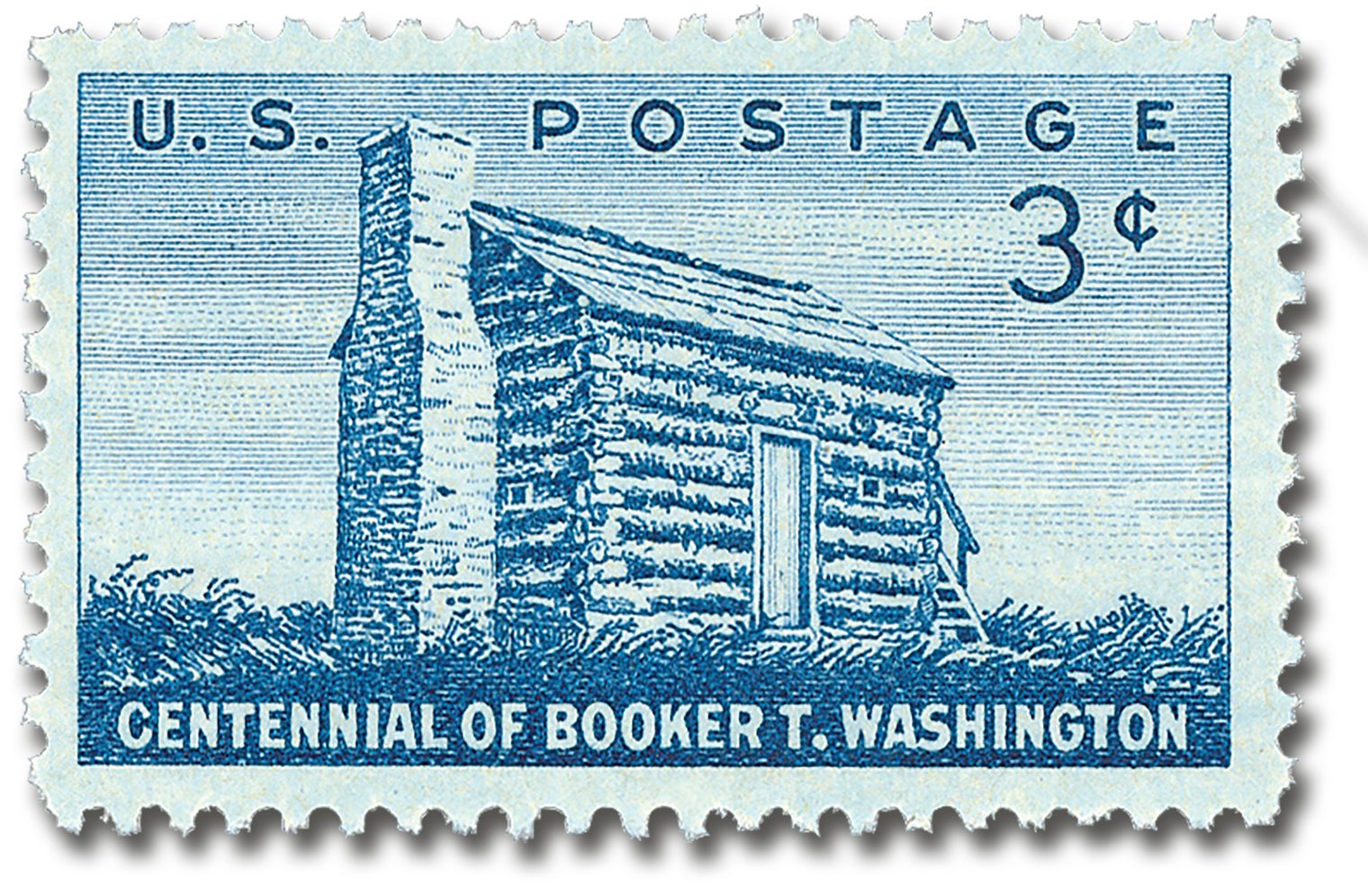
At about age 10, Washington worked for Viola Ruffner, the wife of a coal mine owner. Ruffner was known for strict discipline. She demanded cleanliness, punctuality, and honesty. Washington later credited her with shaping his habits and character. She also allowed him to attend school for short periods during the winter. These early lessons in discipline and responsibility influenced his later approach to education.
In 1872, Washington set out on a long journey to the Hampton Normal and Agricultural Institute in Virginia. He traveled roughly 500 miles, often on foot, taking odd jobs along the way to survive. When he arrived, he was nearly penniless. To gain admission, he cleaned a classroom so thoroughly that the head teacher judged his work as proof of his readiness. The school’s founder, General Samuel Chapman Armstrong, recognized Washington’s determination and supported his education.
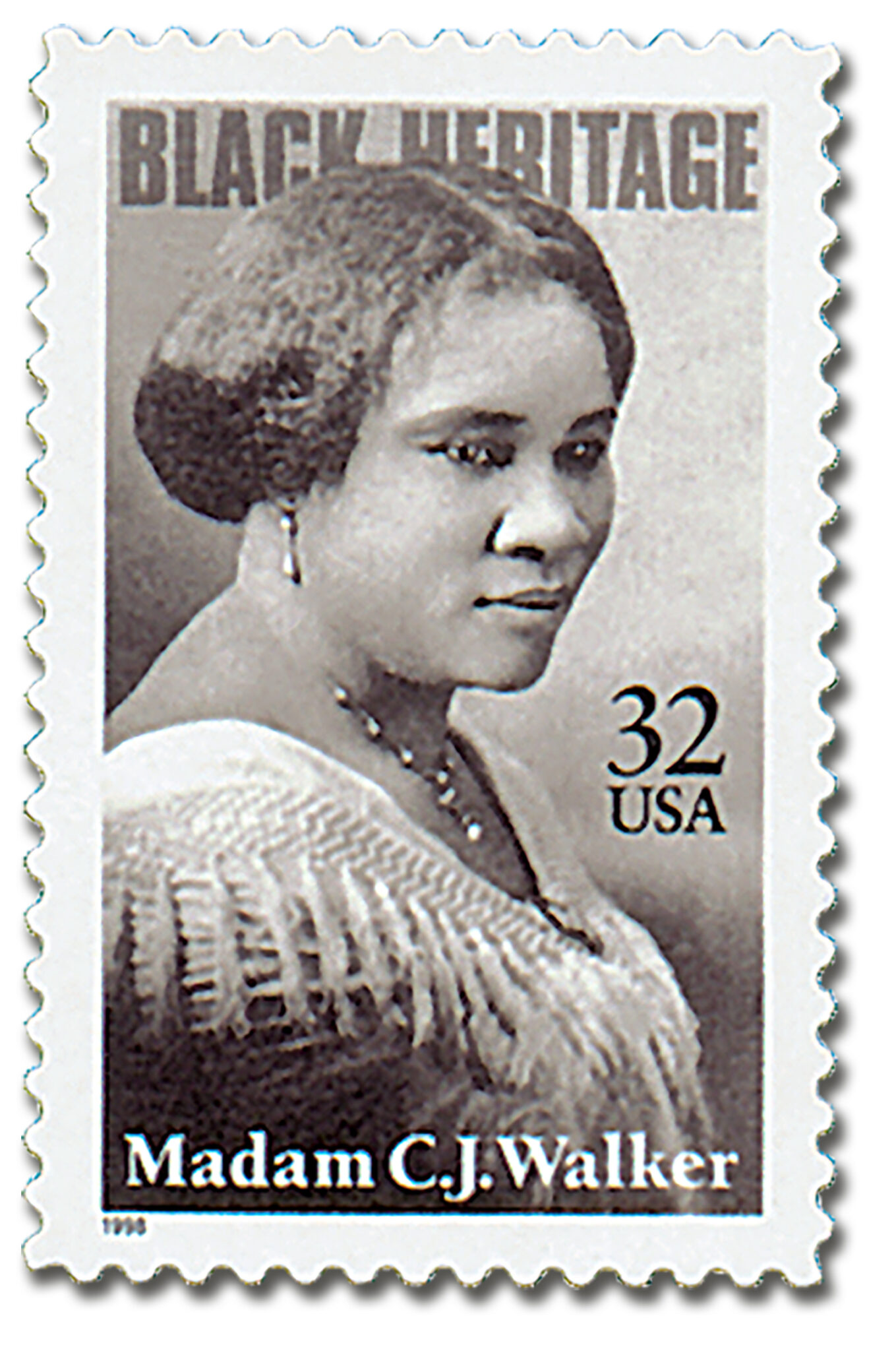
Madam C.J. Walker left part of her estate to the Tuskegee Institute in her will.
Washington graduated from Hampton in 1875. He later studied at Wayland Seminary in Washington, DC, while also teaching. He returned to Malden and then to Hampton as an instructor. His growing reputation as a disciplined and capable educator led to a major opportunity in 1881. The Alabama legislature approved funding for a new school for Black students. Armstrong recommended Washington to lead it.
That school became the Tuskegee Normal and Industrial Institute, later known as Tuskegee University. Washington began with no campus and few resources. He recruited students and raised funds while building the school from the ground up. Students helped construct the buildings, make bricks, and grow food. The curriculum emphasized practical skills such as farming, carpentry, and trades, along with basic academic education. Washington believed this approach would help Black Americans achieve economic stability in the South.
Washington gained national attention on September 18, 1895, when he spoke at the Atlanta Cotton States and International Exposition. His address, later called the “Atlanta Compromise,” urged Black Americans to focus on vocational training and economic progress. He also encouraged cooperation between Black and white communities. His statement that the races could be “separate as the fingers” but united in common interests drew both praise and criticism. Many white leaders welcomed his message. Some Black leaders, including W.E.B. Du Bois, argued that it accepted segregation and did not push strongly enough for civil rights.
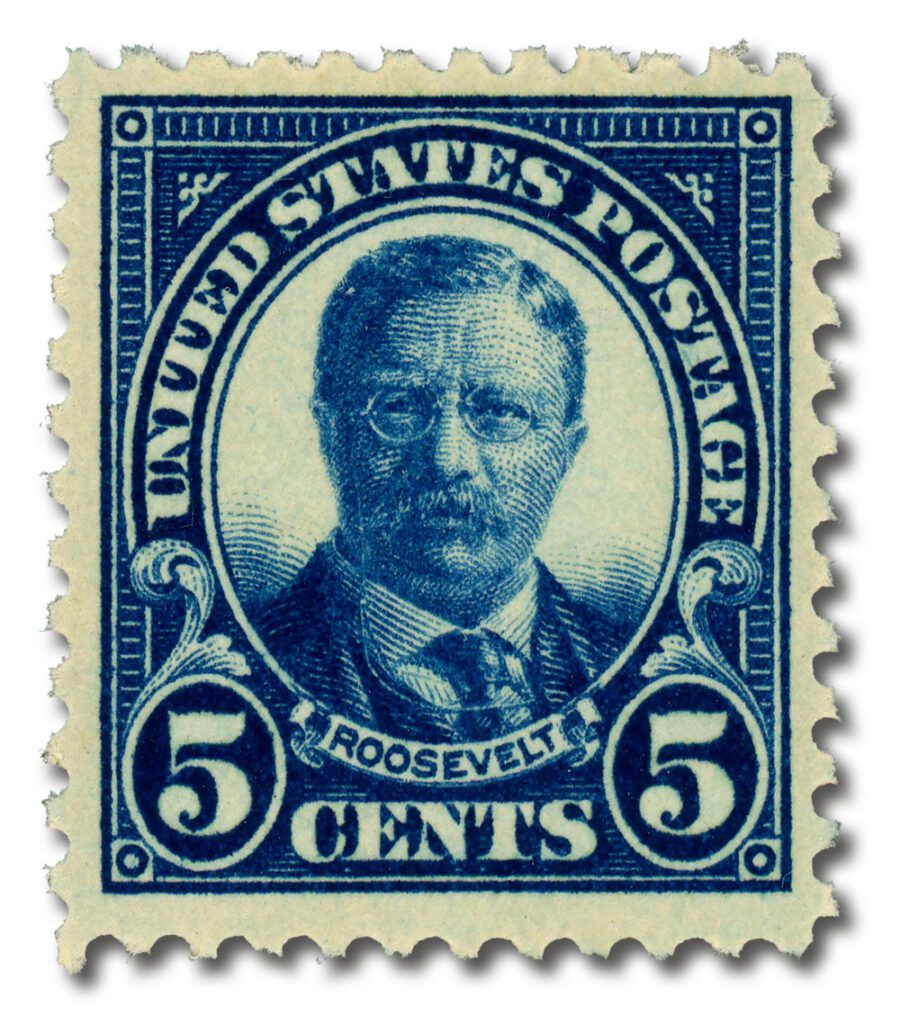
Despite these debates, Washington became one of the most influential Black leaders of his time. He advised Presidents Theodore Roosevelt and William Howard Taft on political appointments and racial issues. In 1901, Roosevelt invited him to dine at the White House, a rare and controversial event at the time. Washington also helped support legal challenges to discriminatory laws, often working quietly behind the scenes.
His autobiography, Up from Slavery, published in 1901, brought his story to a wide audience. In it, he described his early life, his education, and his philosophy of self-help and steady advancement. The book became widely read and helped shape public understanding of his ideas.
Washington remained head of Tuskegee until his death on November 14, 1915. By that time, the school had grown into a well-established institution with hundreds of students and a large campus. His life reflected the challenges and possibilities of the post-Civil War era. He focused on building institutions, promoting education, and encouraging practical skills as a path forward.
| FREE printable This Day in History album pages Download a PDF of today’s article. Get a binder or other supplies to create your This Day in History album. |
Discover what else happened on This Day in History.
If Mr. Washington died in 1915, how could he influence Franklin Roosevelt’s presidency which began in 1932?
not Franklin…Theodore Roosevelt.
Hi Valorie – this has been fixed. Thank you.
When Washington’s second autobiography, Up From Slavery, was published in 1901, it became a bestseller and had a major effect on the African-American community, its friends and allies. In October 1901 President Theodore Roosevelt invited Washington to dine with him and his family at the White House; he was the first African American to be invited there by a president. Democratic Party politicians from the South, including future Governor of Mississippi James K. Vardaman and Senator Benjamin Tillman of South Carolina indulged in racist personal attacks when they learned of the invitation. Vardaman described the White House as
Very refreshing reminder but sad more black communities don’t teach his views.
I believe he meant Teddy
Hi Bill – this has been corrected. Thank you.
Think you may have missed the time line on this one. FDR took office in 1933.
Thanks for the correction!
Please Change title to April 5.
Hi Stephen – It has been corrected. Thanks!
You got the month wrong. It only FEELS like March 5 today!
Thanks, Steve. And very true.
I had the good fortune as a guest professor to visit Tuskegee University several years ago. I am very thankful that we have Tuskegee University. It is a “great” place with many achievements. I could see, feel, and experience the influence of Booker T. Washington. God Bless Tuskegee and all that are associated with that wonderful university. Respectfully submitted Dr. Doug Piirto, Professor Emeritus and RPF
Interesting how such an influential man could cause a moral conflict within the Civil Rights movement. His contributions continue today thru his writings and speeches; may we never forget.
I enjoyed reading and learning about Booker Taliaferro Washington. He was obviously a very smart man; he knew how to act and what to do during his years in the U.S. in order to live a better life … and he did. He proved himself and made positive contributions to our Nation. I am happy I got to find out who Booker T. Washington was. Thanks, Mystic !!
Very nice to know and to hear of a little black boy grow up to be such a well educated smart intelligent wise person, who born into slavery. I am well pleased to learn of this taught himself to read and write, every black man today should take exception of this look forward to bigger and better things in life, Booker T Washington clear the pathway not only for blacks but for everyone else who wants a good education, Thank You Mystic for this amazing information.