2026: A Year in Stamps Trivia Answers
January
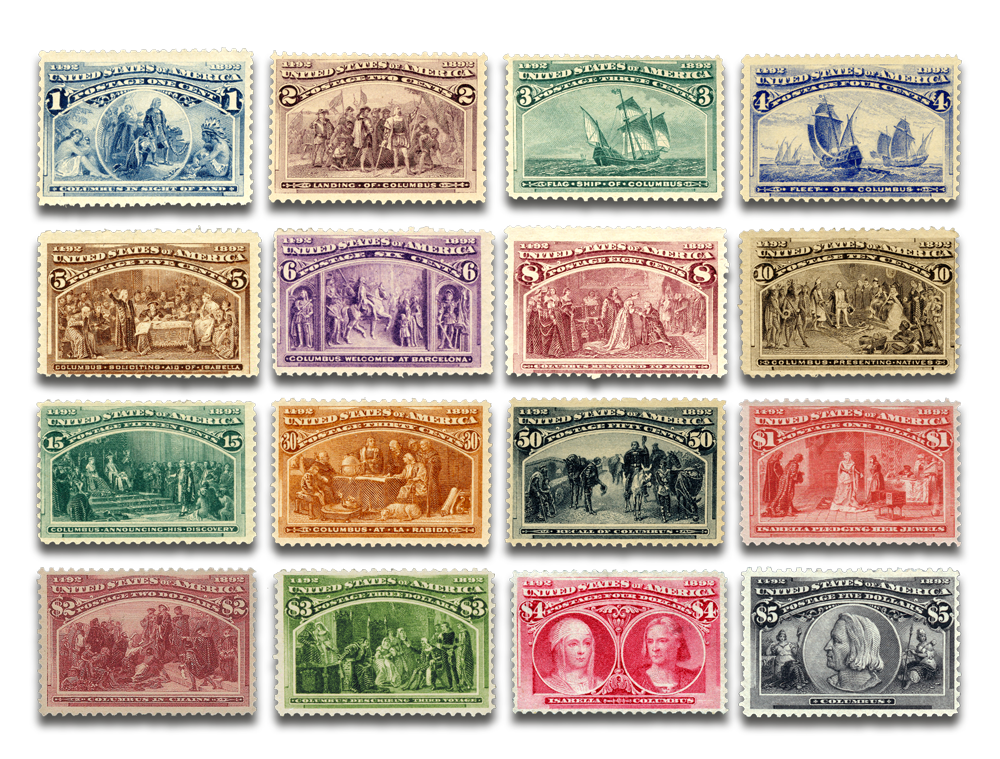
Queen Isabella is pictured on several stamps in the 1893 Columbian Series. As a sponsor of Columbus’ expeditions, she was an important figure in his voyages to the Americas. Her appearance in the series reflects how people in the 19th century viewed exploration—as something driven by powerful rulers and national ambition. By including Queen Isabella, the stamps highlight her authority and her role in helping make one of the most famous voyages in world history possible.
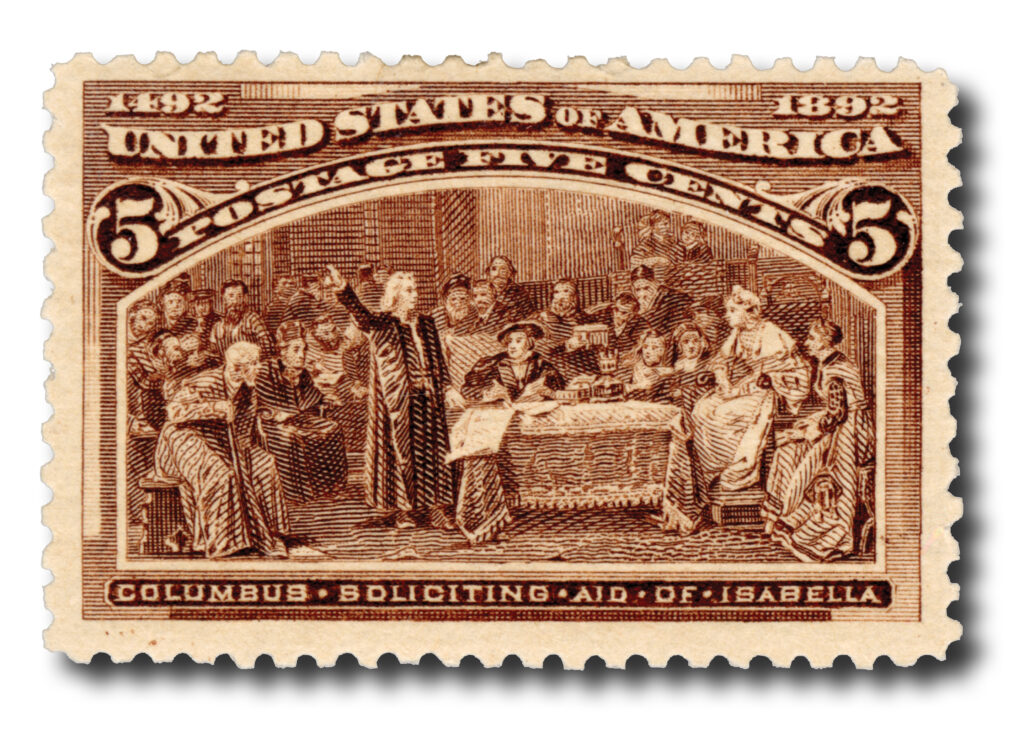
5¢ Columbus Soliciting Aid of Queen Isabella
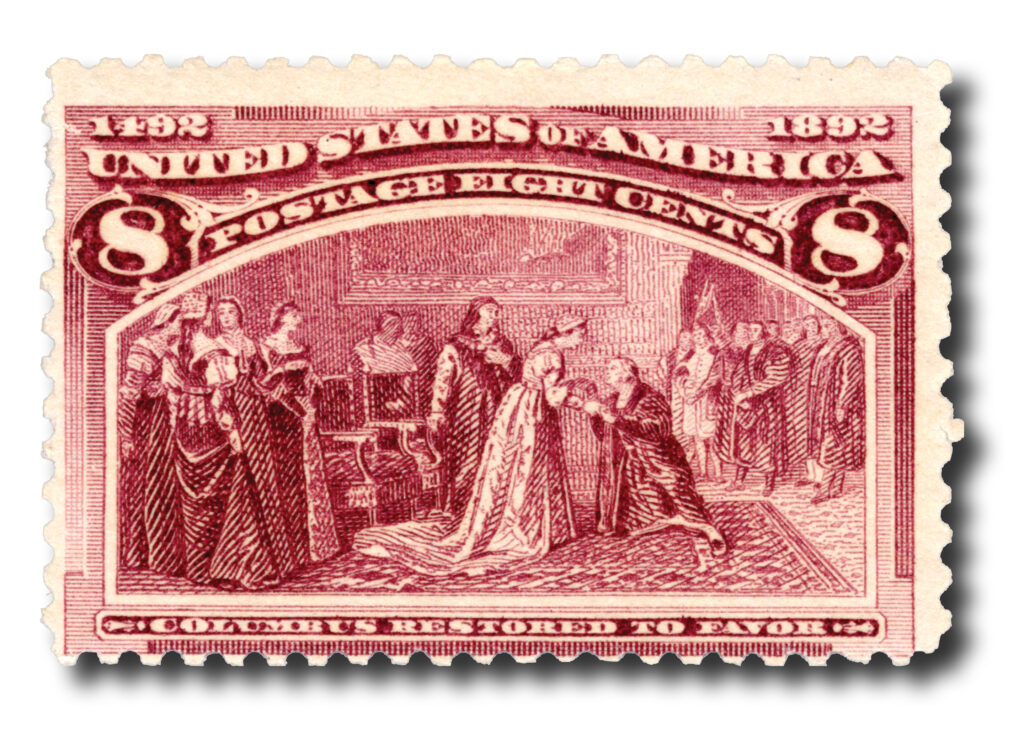
8¢ Columbus Restored to Favor
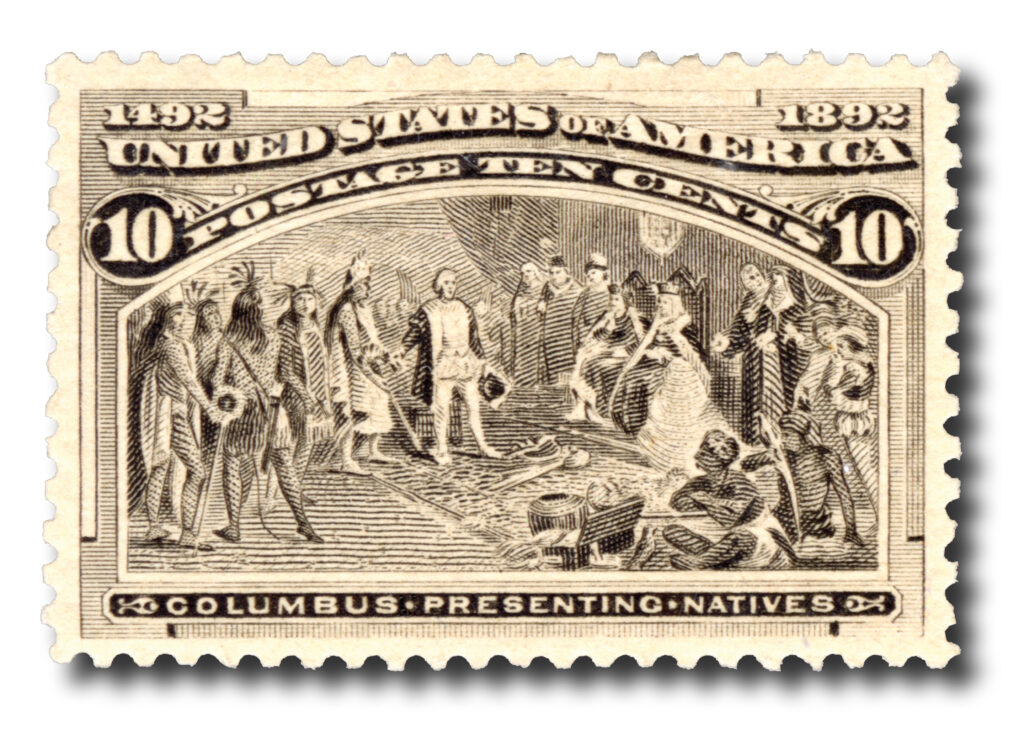
10¢ Columbus Presenting Natives
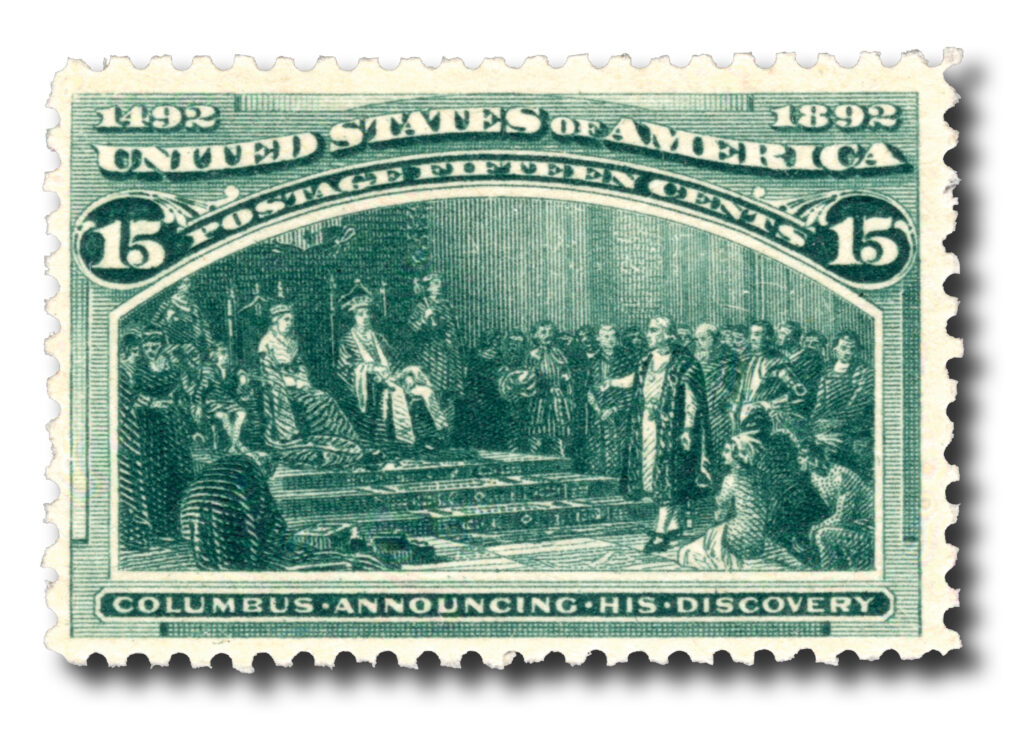
15¢ Columbus Announcing His Discovery
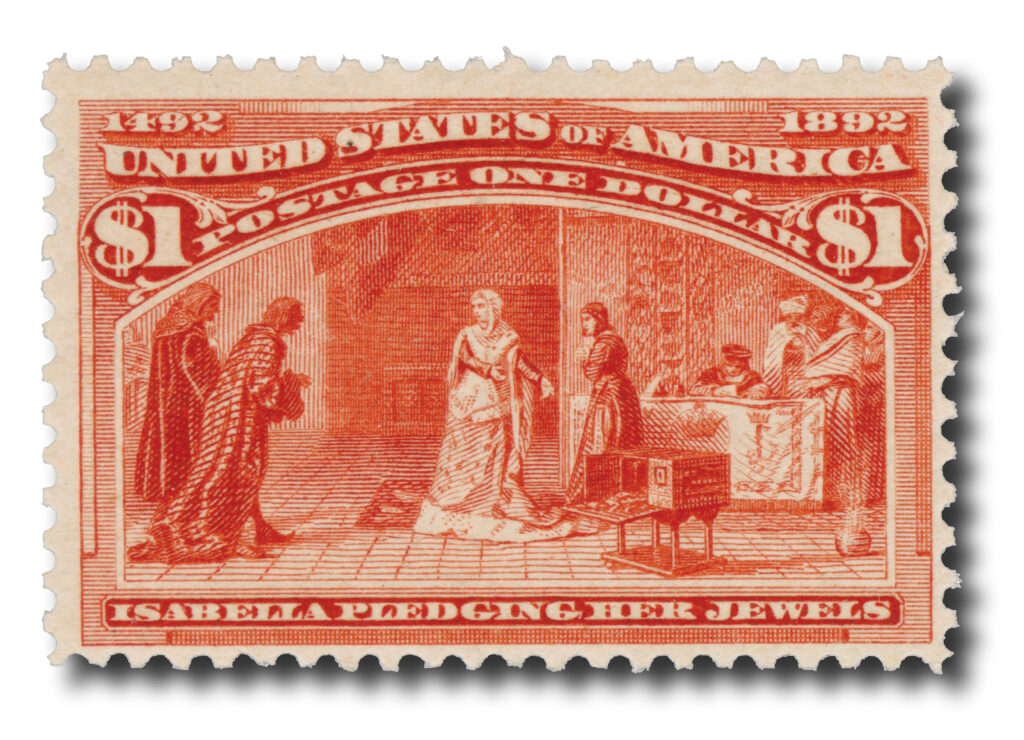
$1 Queen Isabella Pledging Her Jewels
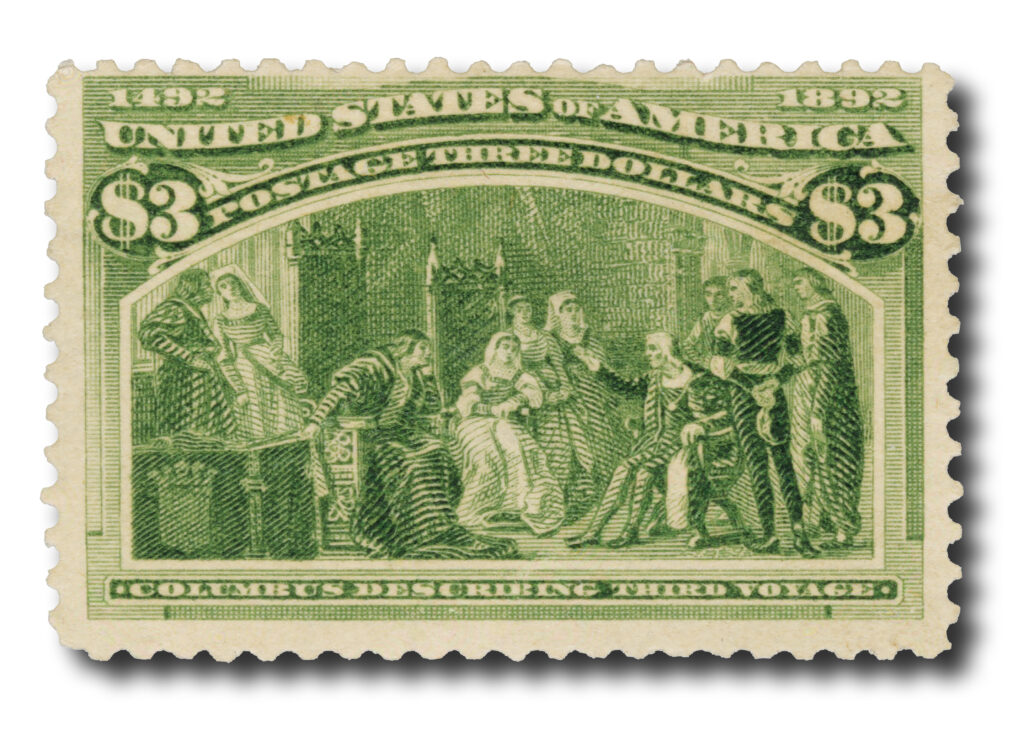
$3 Columbus Describing Third Voyage
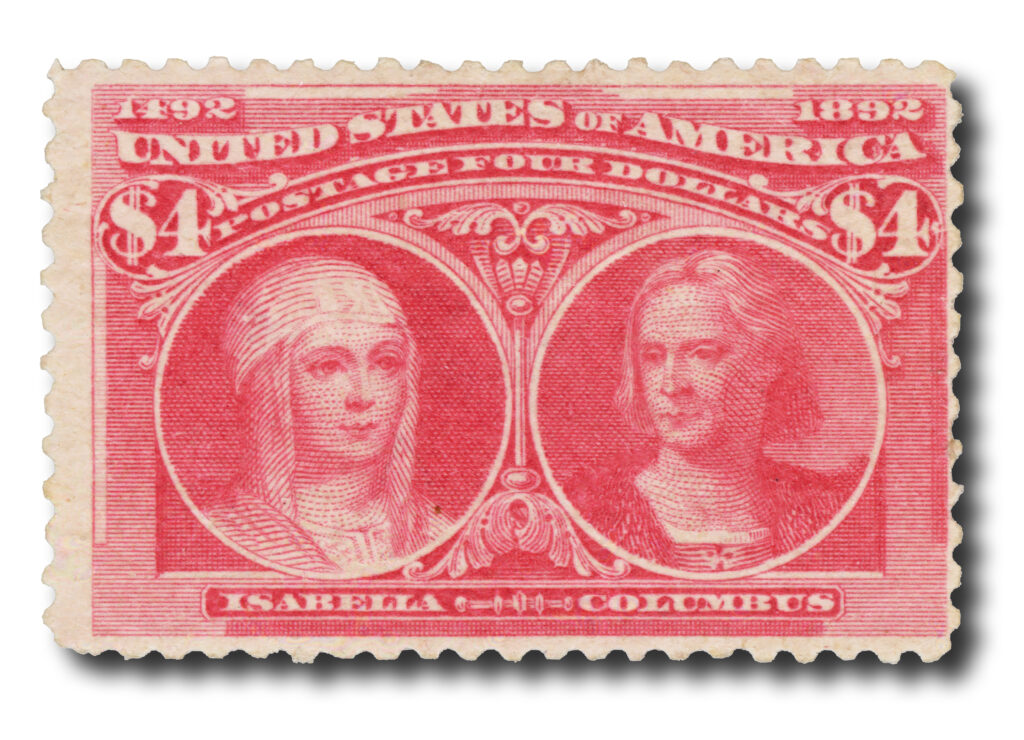
$4 Queen Isabella and Columbus
Want to discover the history behind the rest of the January events on your calendar?
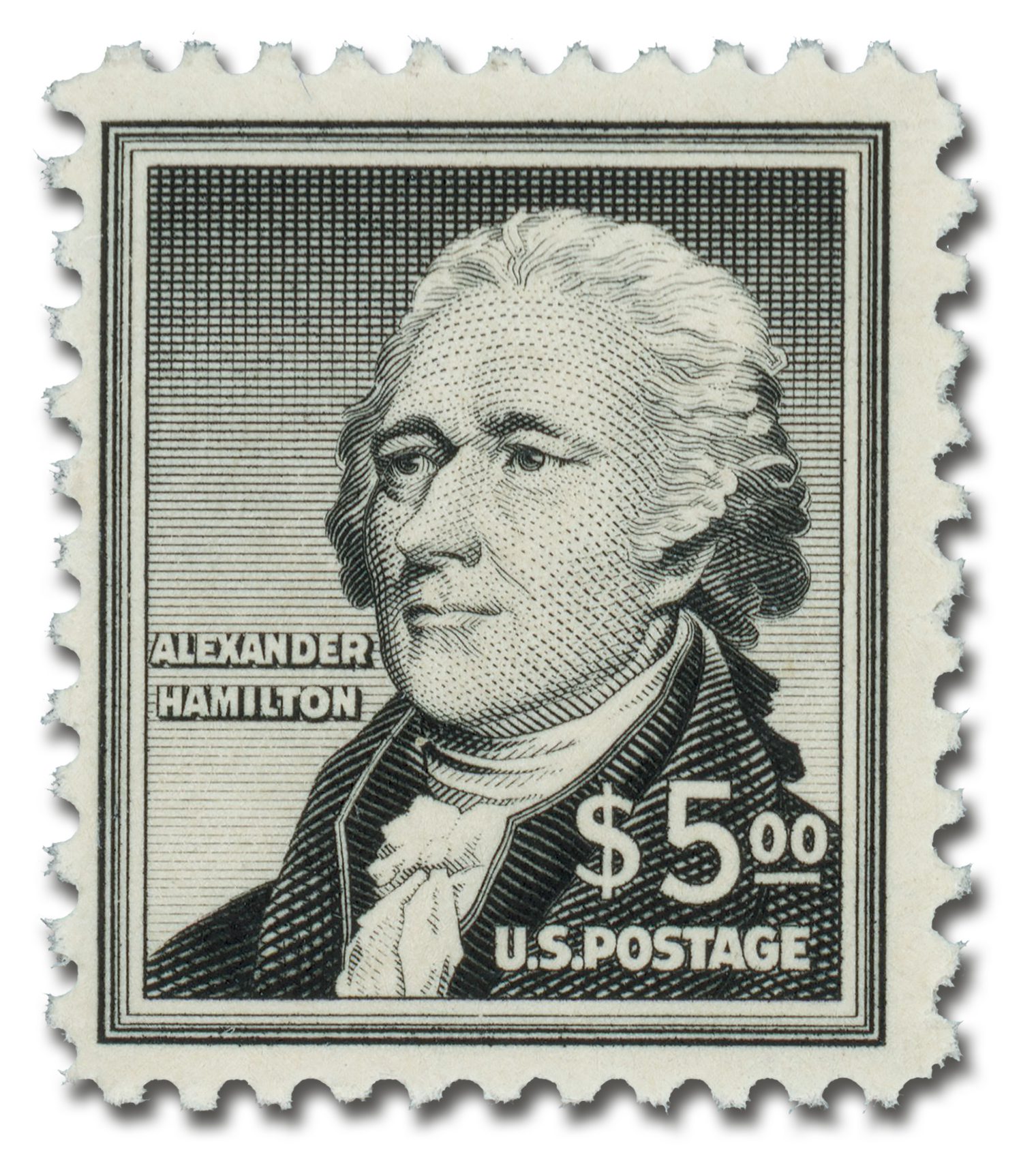
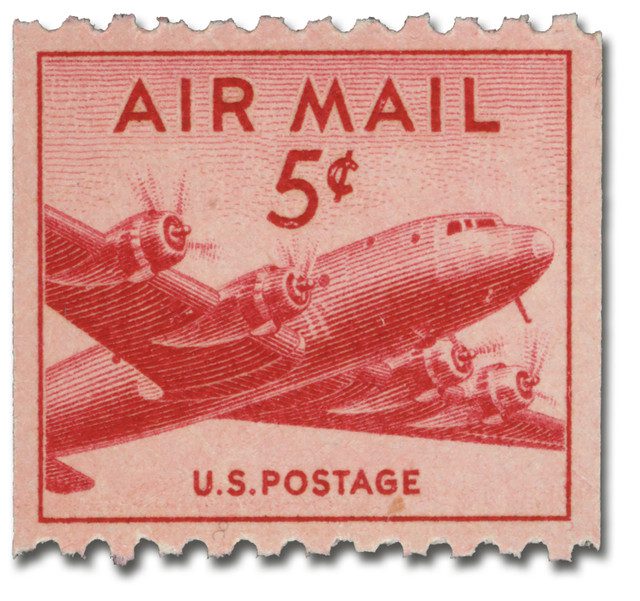
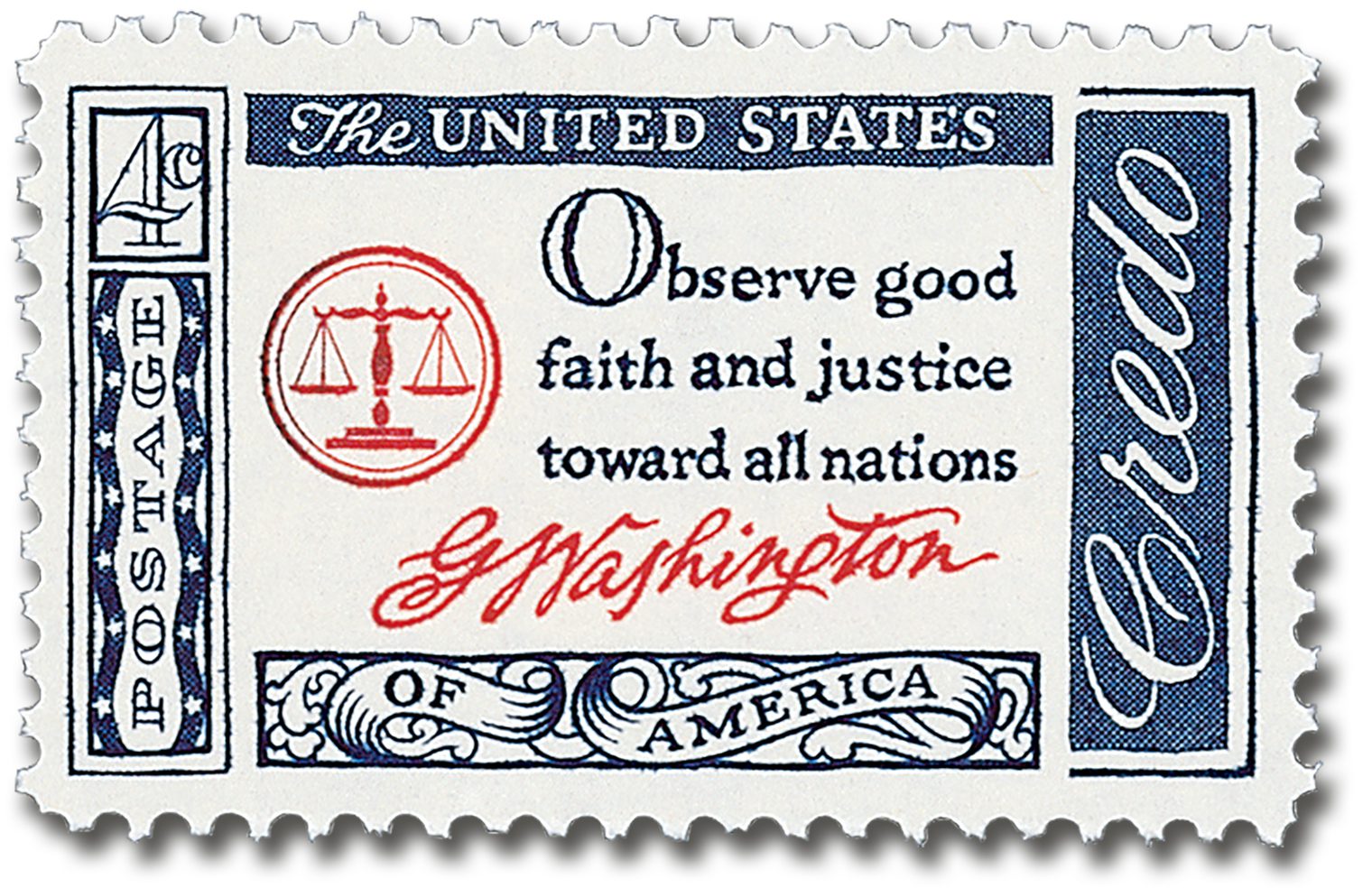
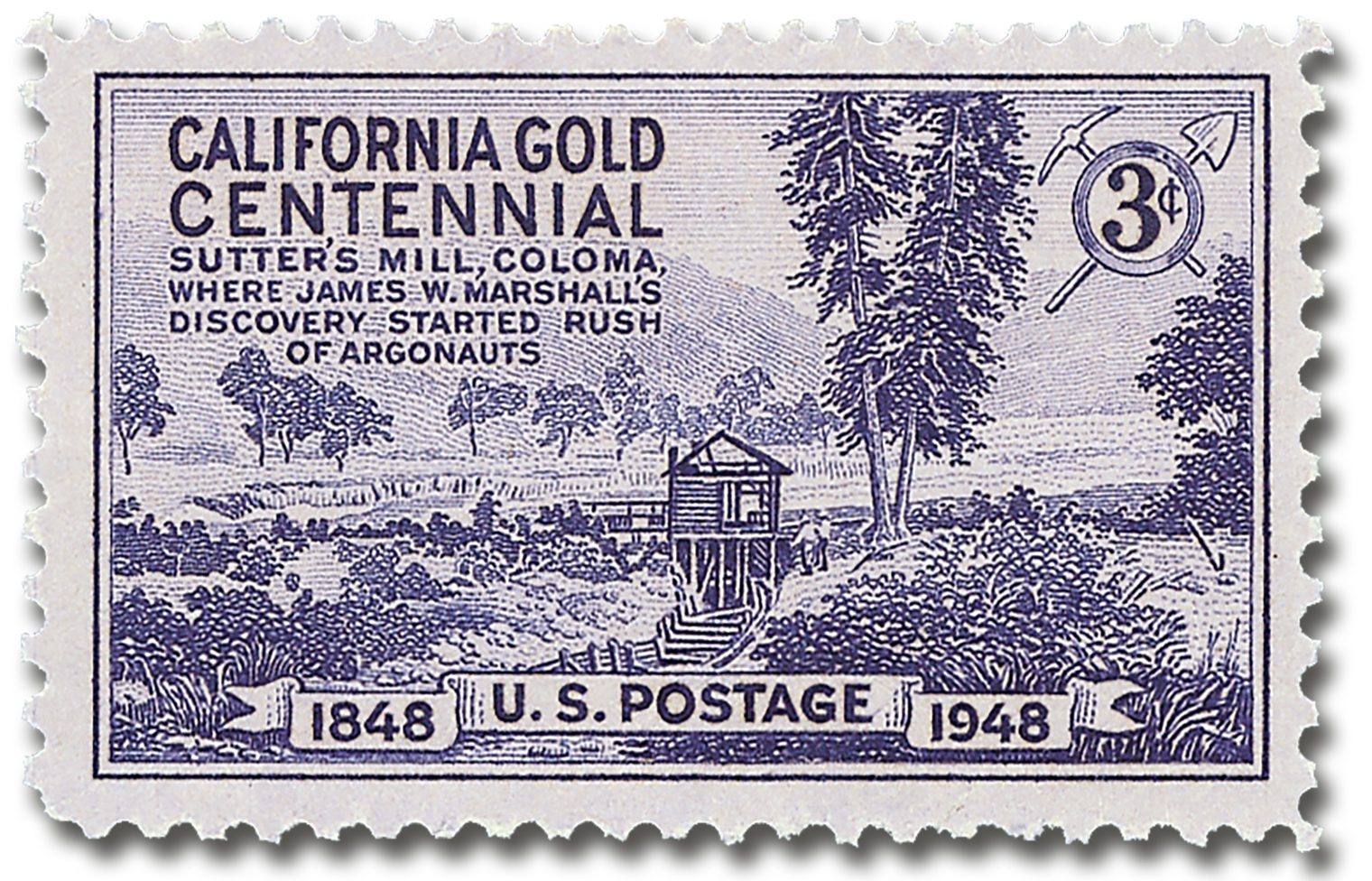
February
The roots of what became the Smithsonian’s National Postal Museum can be traced to a modest but meaningful gift: a sheet of 10-cent Confederate States of America stamps issued in 1863. Donated in the late 19th century to the Smithsonian Institution, the stamps were valued not just for their rarity, but for what they represented—a tangible record of how even a nation at war relied on postal communication to function. This early donation helped spark institutional interest in preserving postal history as a serious subject of study, laying the groundwork for a national collection. From that single sheet, the collection has expanded dramatically. Today, the National Postal Museum holds one of the world’s largest and most comprehensive philatelic collections, numbering millions of objects, including stamps from every country, original artwork, printing plates, postal uniforms, vehicles, and historic mail.
Click here for more about the National Postal Museum.
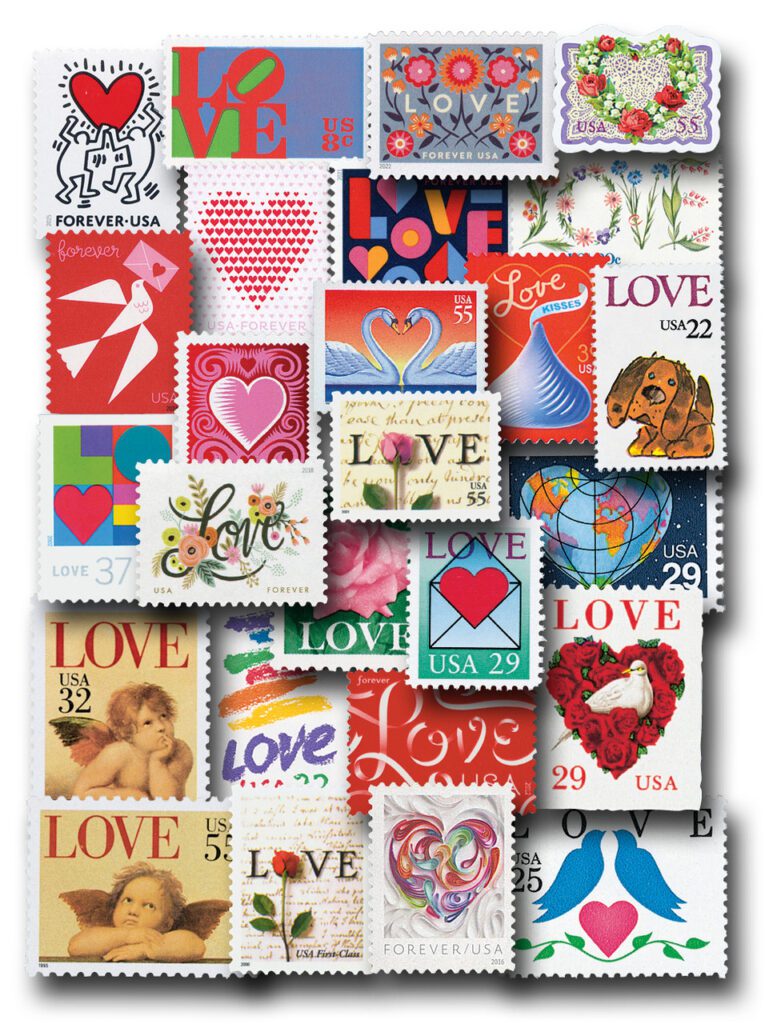
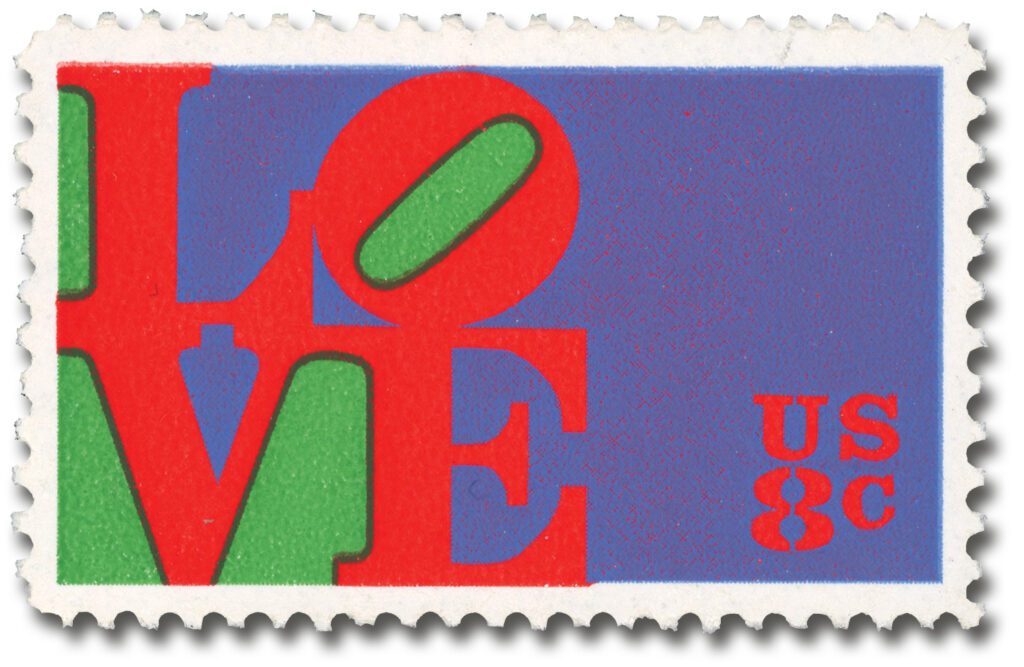
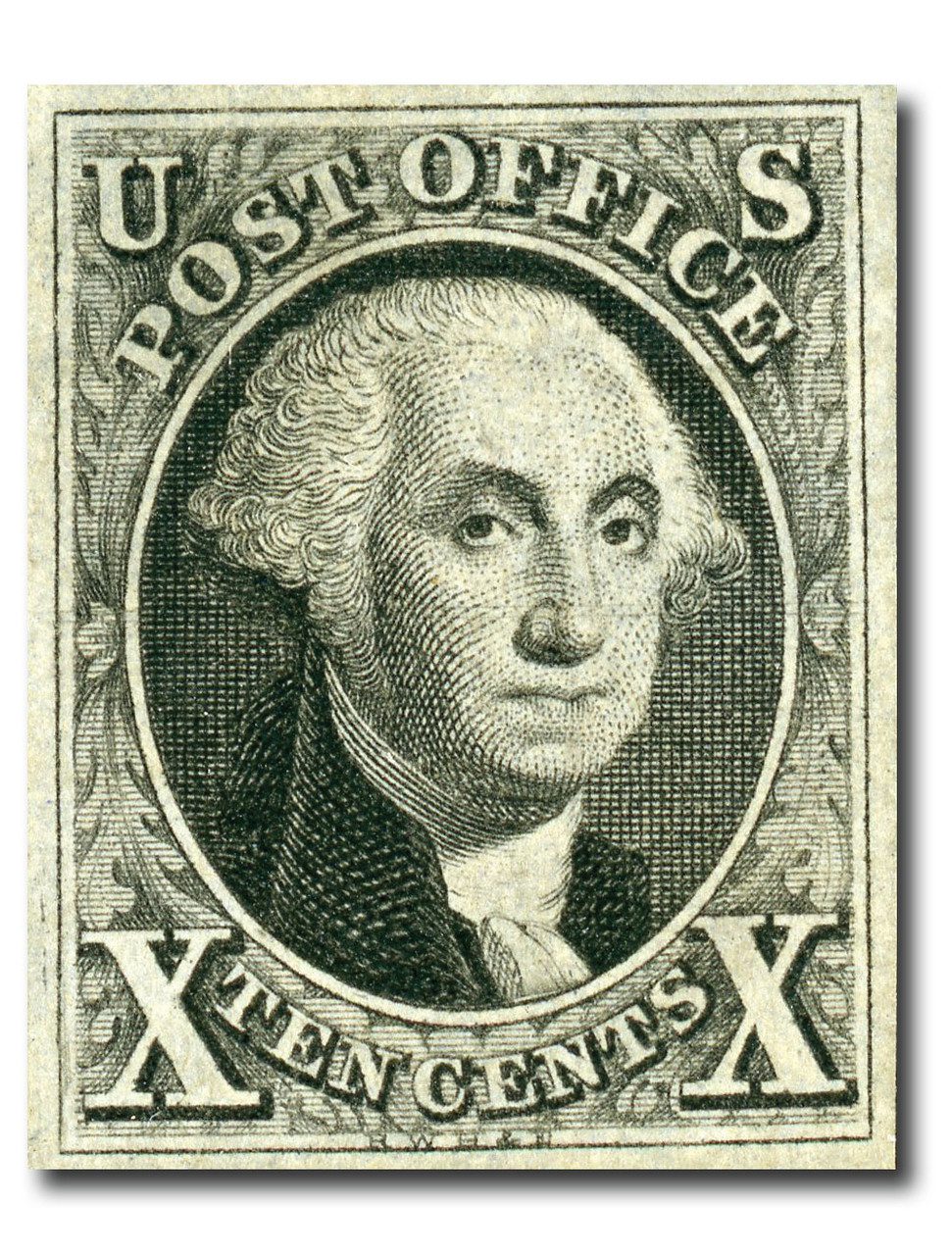
Your February calendar also showcases the first US Love stamp…
Want to discover the history behind the rest of the February events on your calendar?
March
Issued a year after the Pathfinder landed on Mars, US #3178 features the first image the Pathfinder sent back to Earth. Measuring 3 inches across by 1.5 inches high, the Mars Pathfinder stamp is the largest US postage stamp ever issued. (Newspaper and Periodical stamps issued in 1865 were larger.) In addition to being the largest US postage stamp, the Mars Pathfinder stamp has several other interesting features.

The Pathfinder stamp has special “USA” perforations on the bottom row of perfs. And the vertical perfs extend beyond the stamp to the bottom of the selvage for easier removal of the stamp. Hidden words were incorporated into the design and are visible with a stamp decoder. They read “USPS” and “MARS PATHFINDER • JULY 4, 1997” in alternating lines.
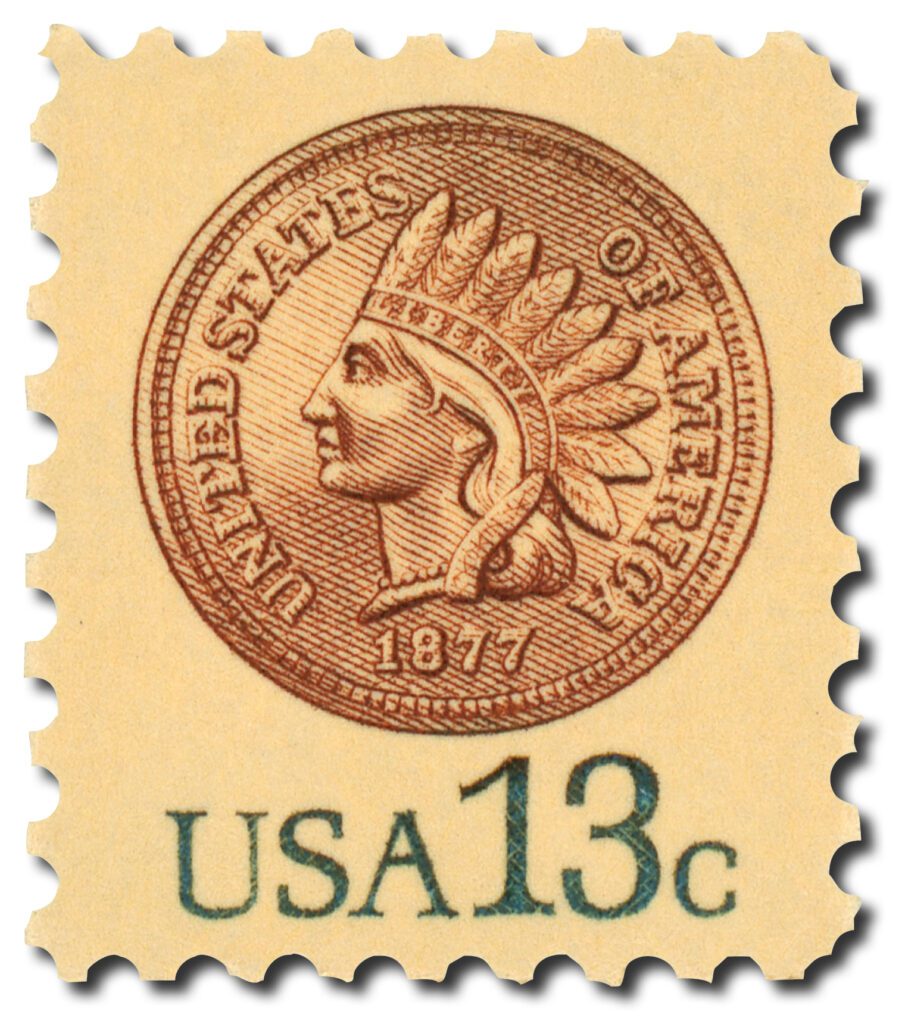
Conversely, the 1978 Indian Head Penny stamp (#1734) was part of an experiment to lower production costs and increase output. The smaller image area, which was about 1/3 smaller than usual, provided for 150 stamps per pane instead of the usual 100.
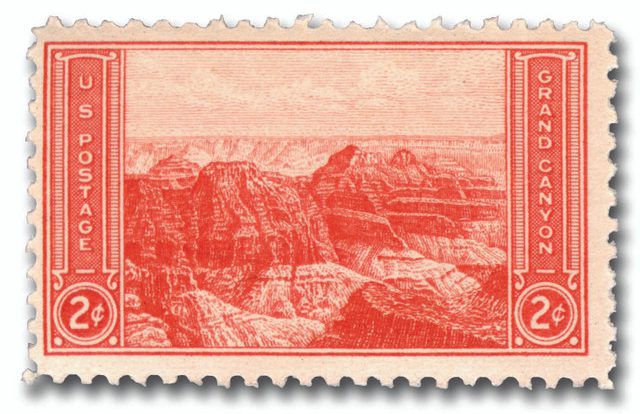
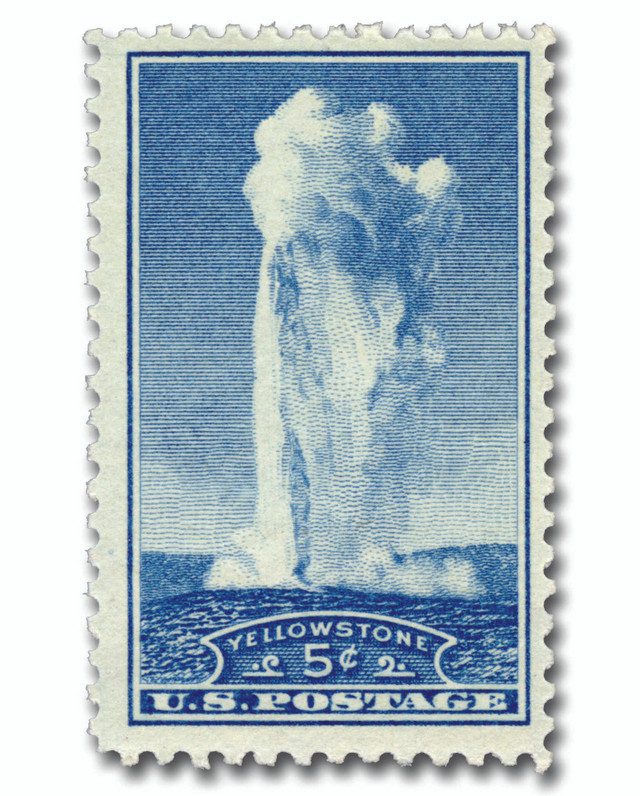
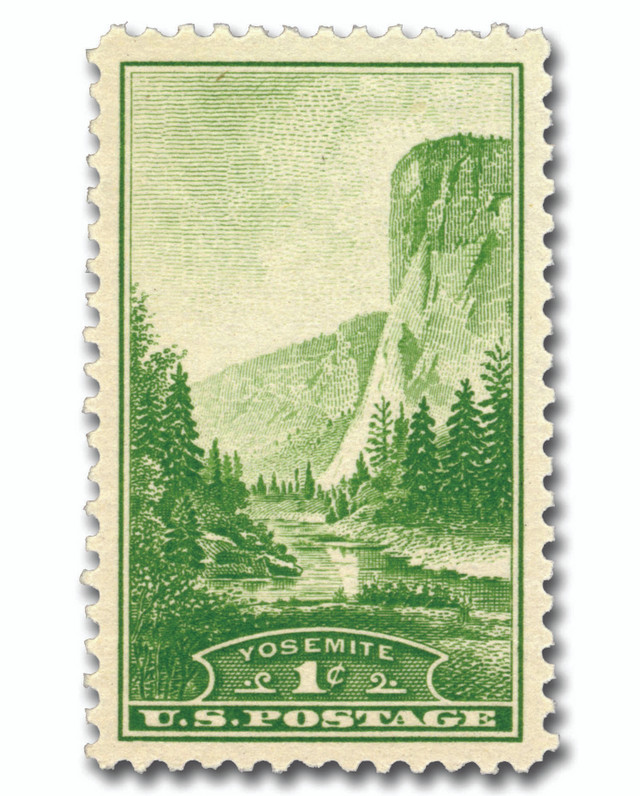
Your March calendar also honors the world’s first national park…
Want to discover the history behind the rest of the March events on your calendar?
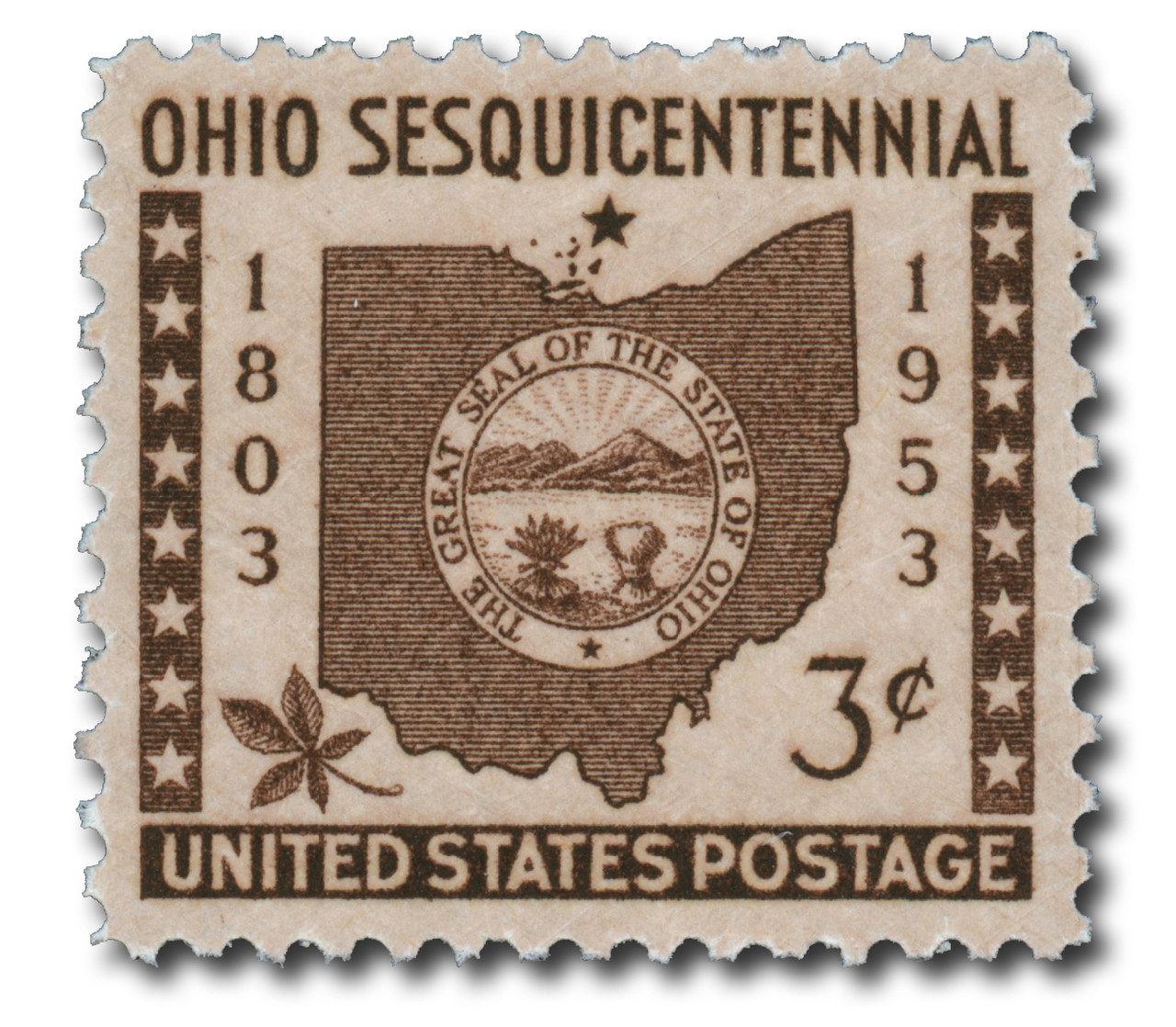
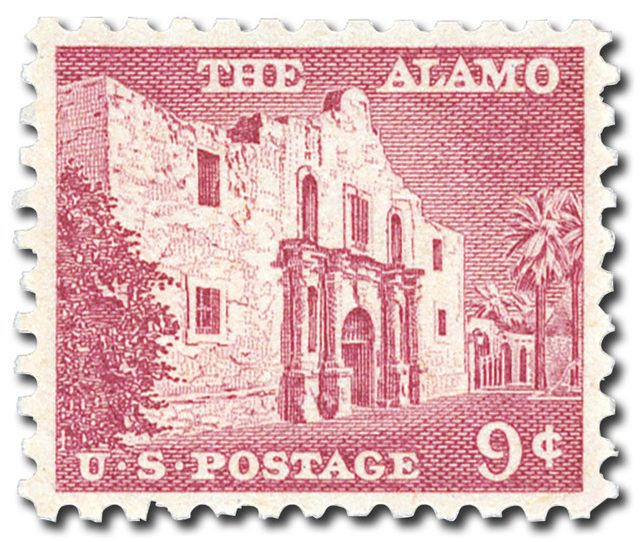
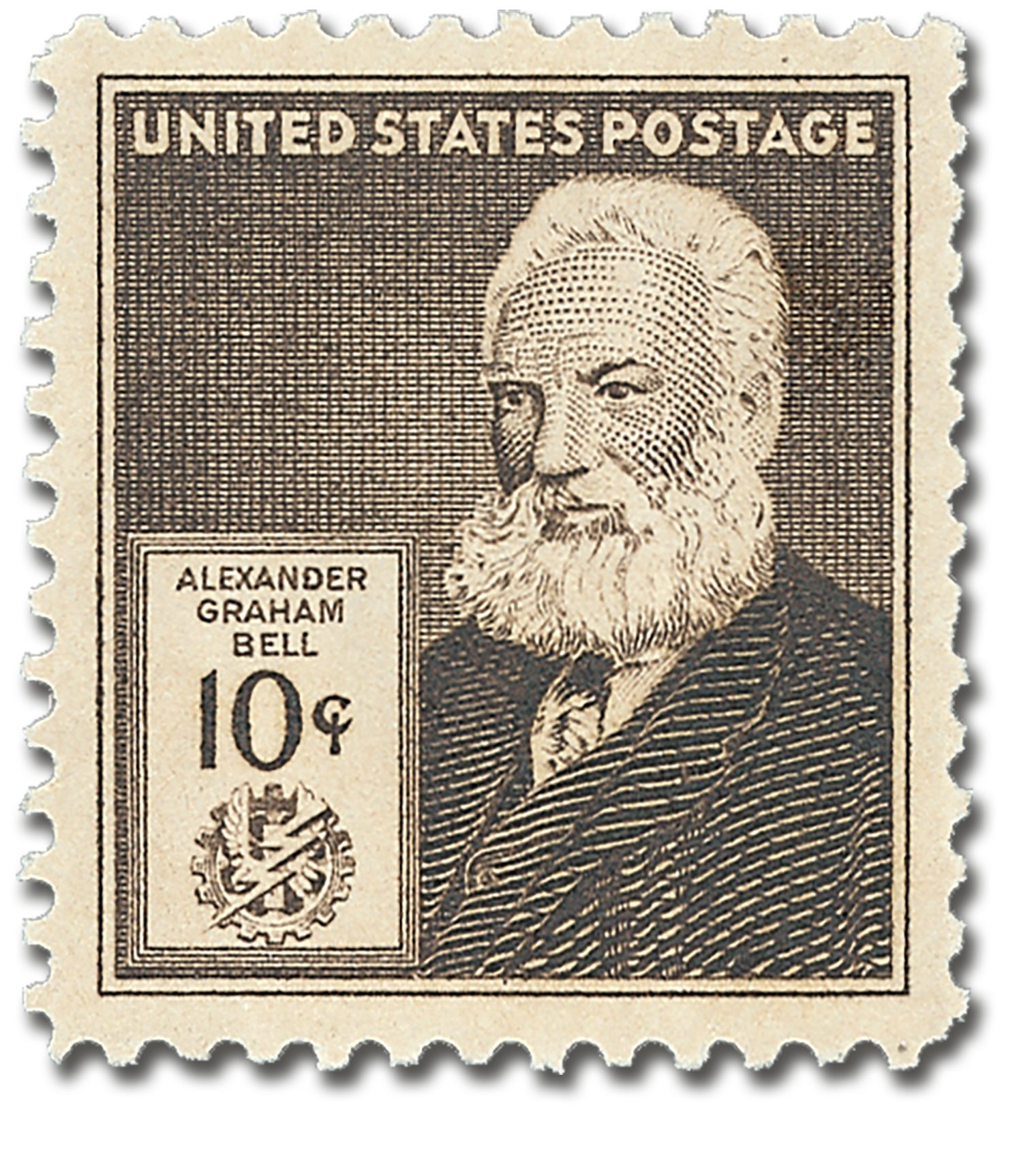
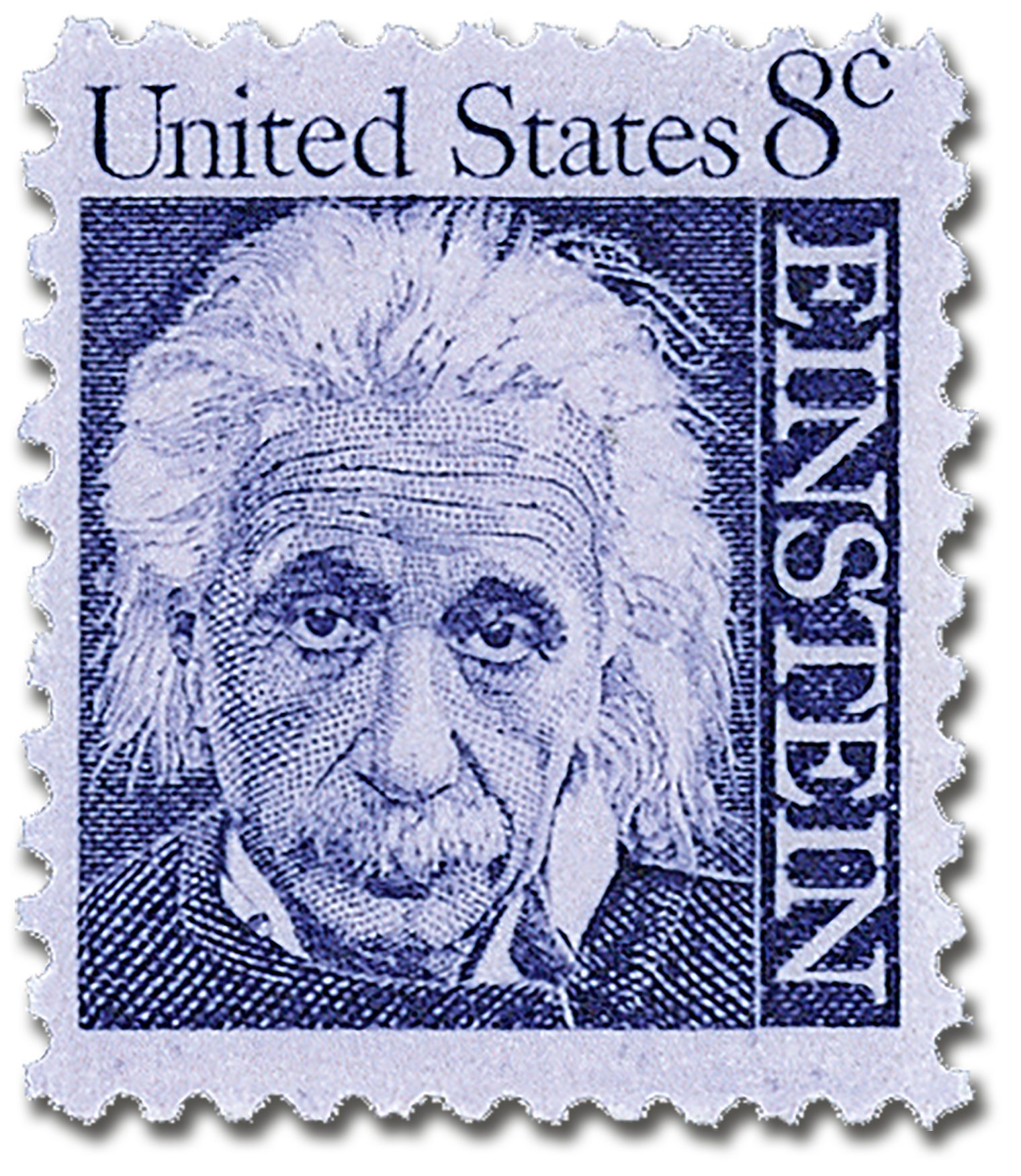
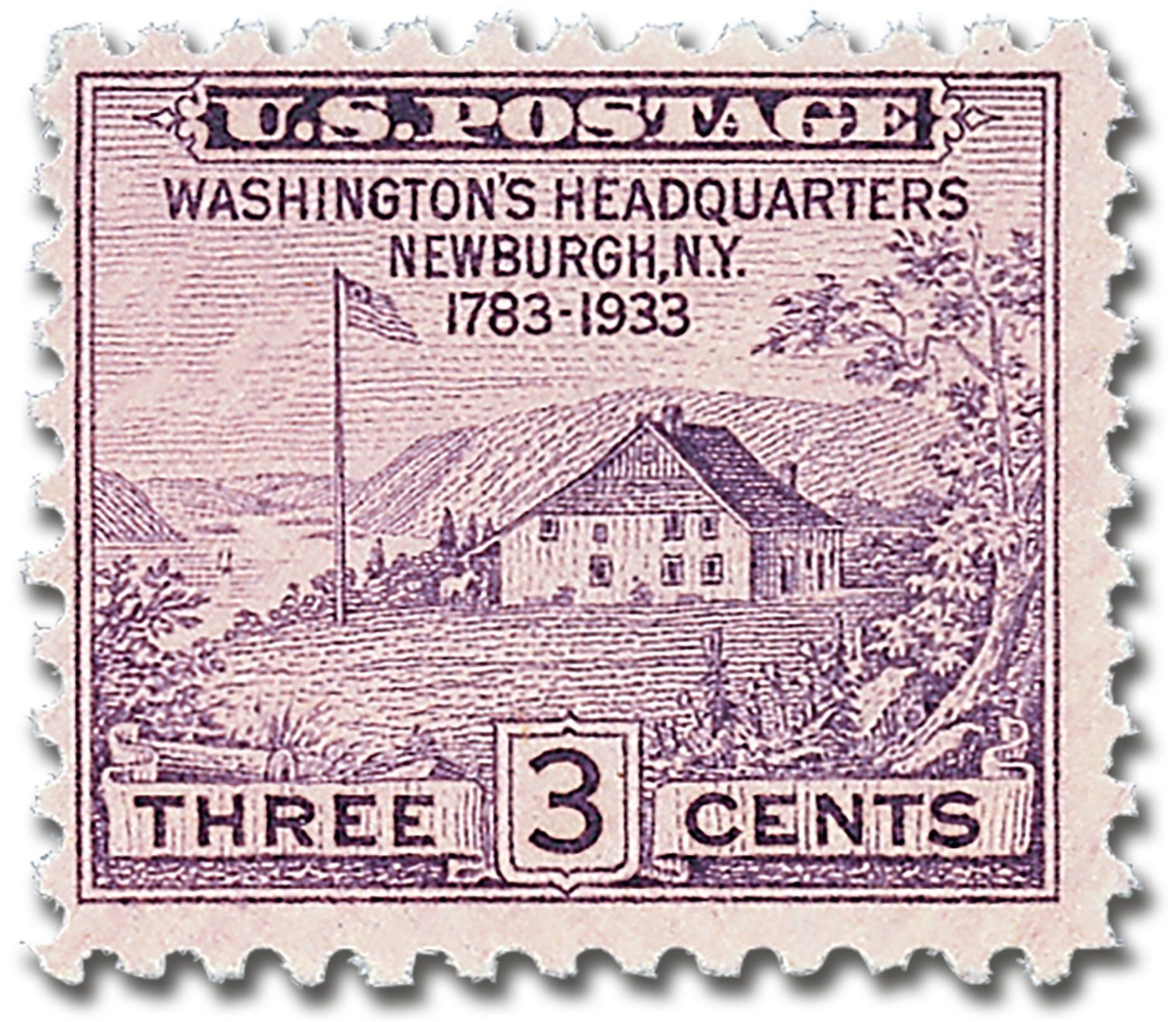
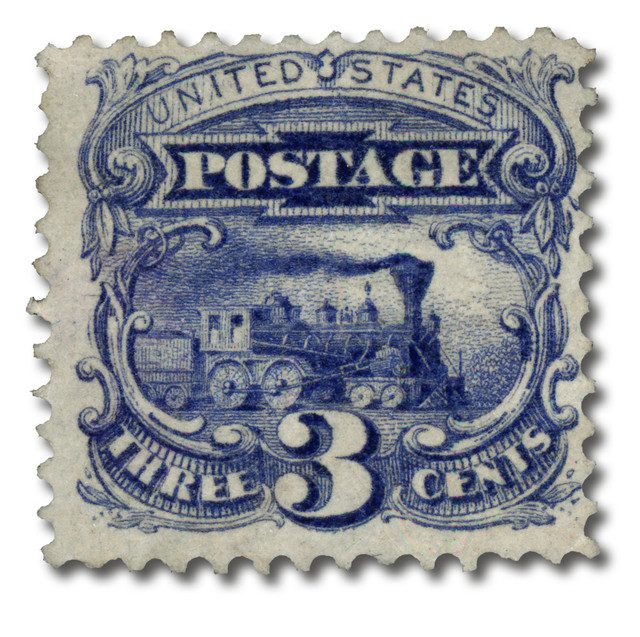
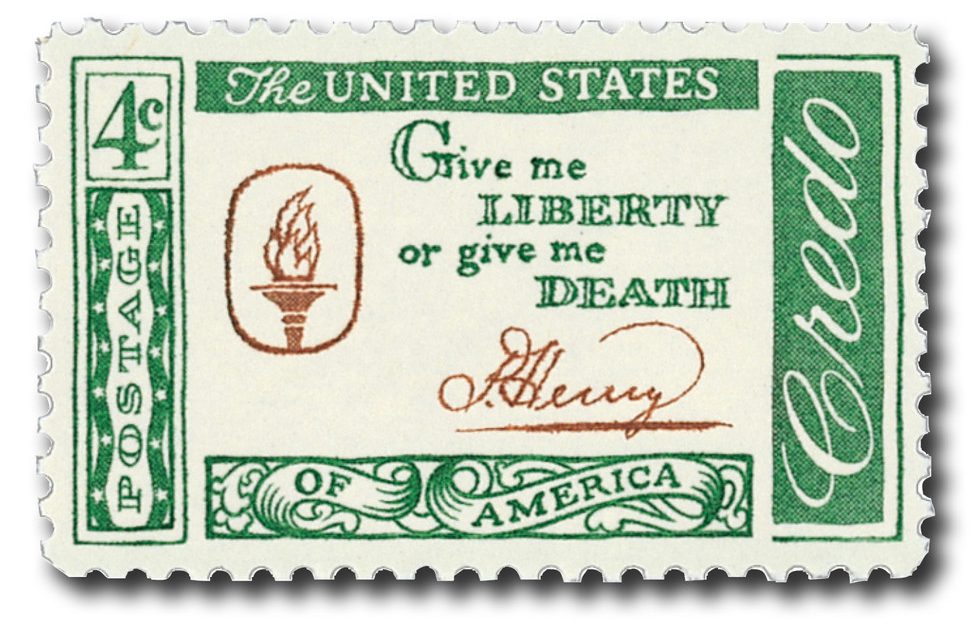
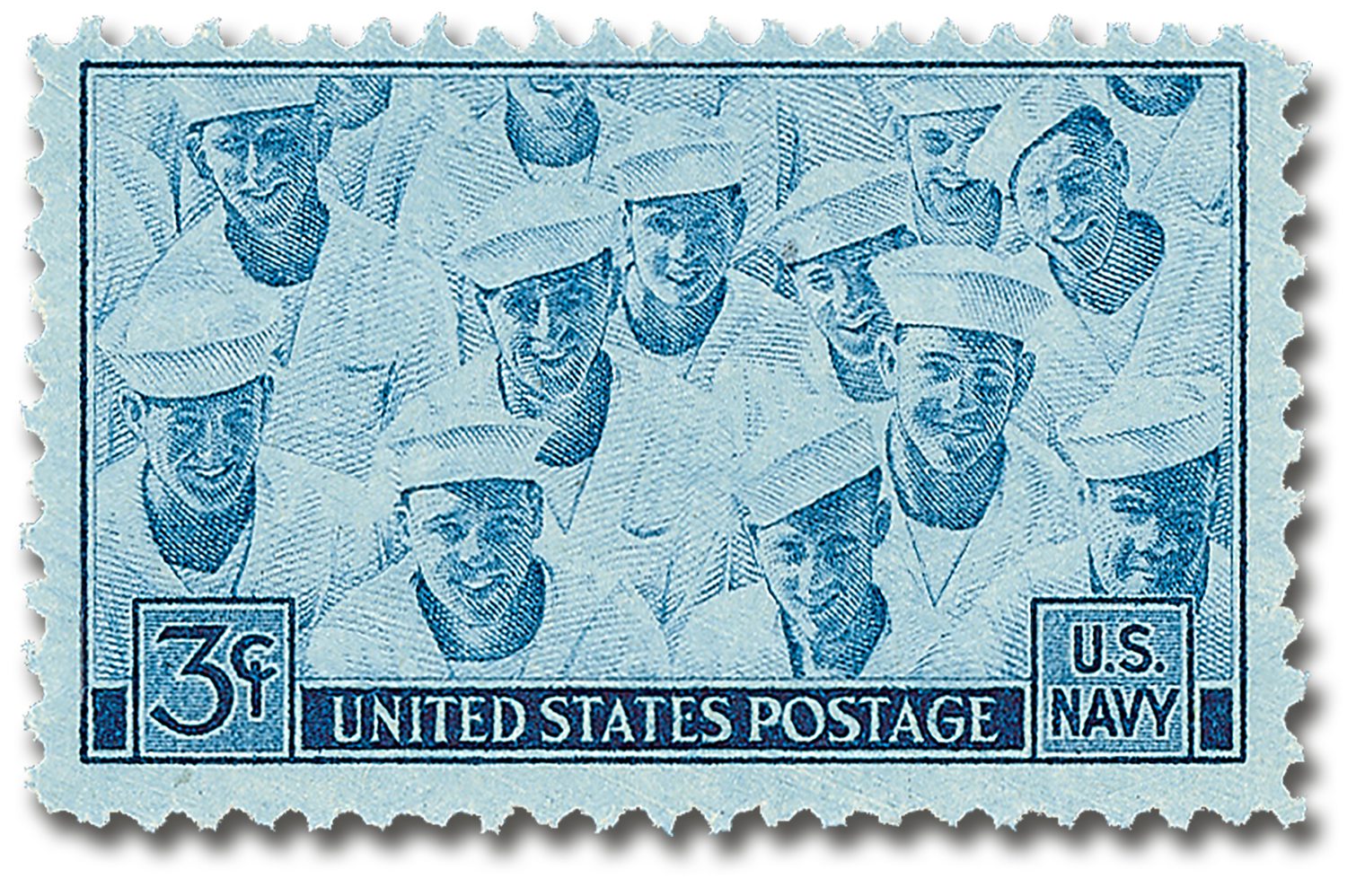
April
In 1991, the USPS issued a set of stamps (US #2568-77) featuring each of the planets with the spacecraft that explored it. But one stamp stood out. Picturing a lone planet, it proclaimed, “Pluto: Not Yet Explored.” NASA took this as a challenge, developing the New Horizons mission with plans to explore Pluto, its moons, and objects beyond them.
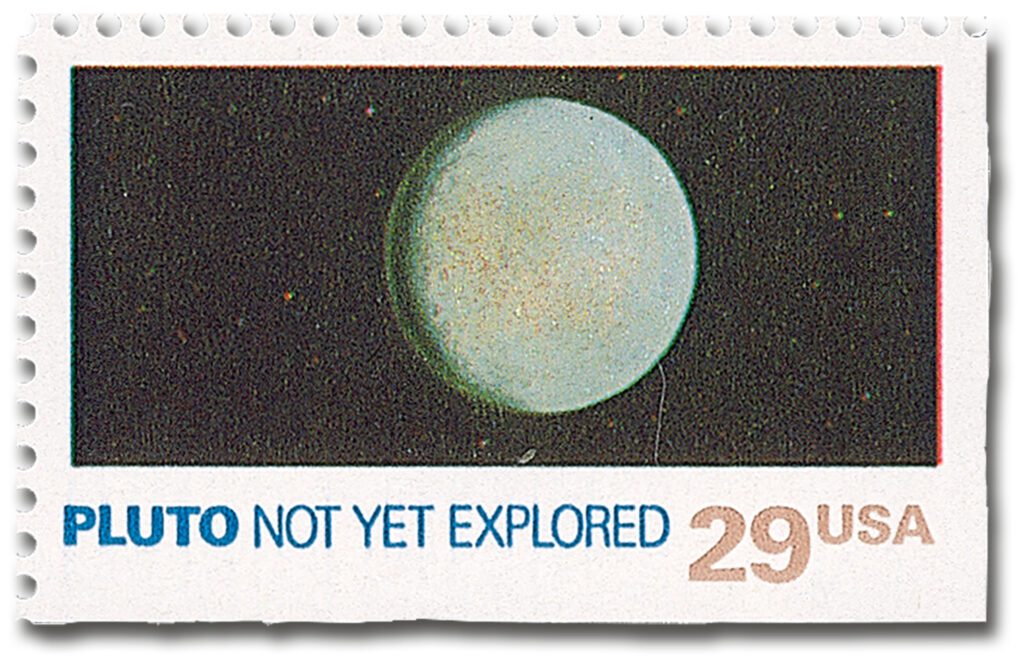
Launched on January 19, 2006, New Horizons traveled over 3.2 billion miles from Earth before reaching Pluto on July 14, 2015. Before launch, the 1991 “Pluto Not Yet Explored” stamp was affixed to the New Horizons probe. In 2016, the stamp earned the Guinness World Record for the farthest distance traveled by a postage stamp. After completing its mission at Pluto, New Horizons continued into the Kuiper Belt, and is estimated to have traveled over 5.9 billion miles, extending its record distance every day.
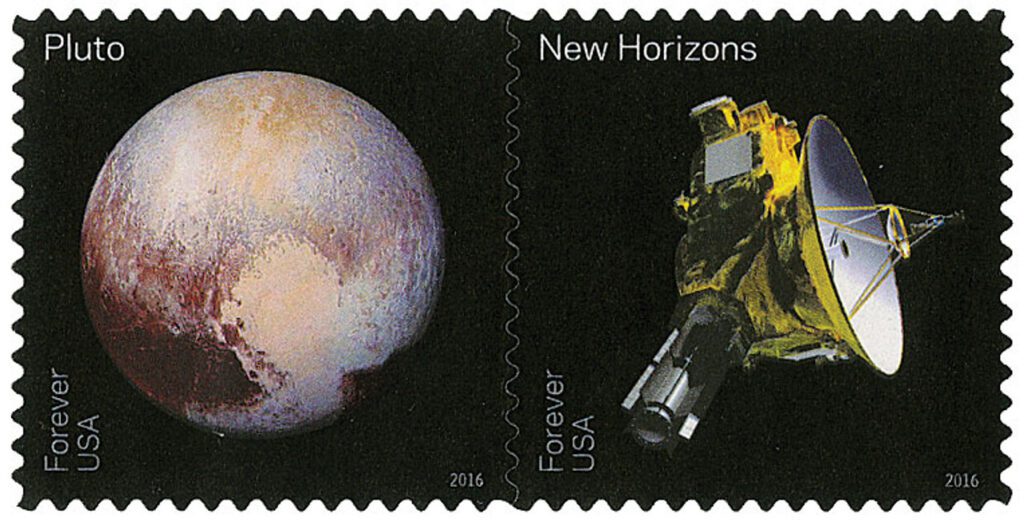
Click here for more about the New Horizons mission and the stamp that inspired it.
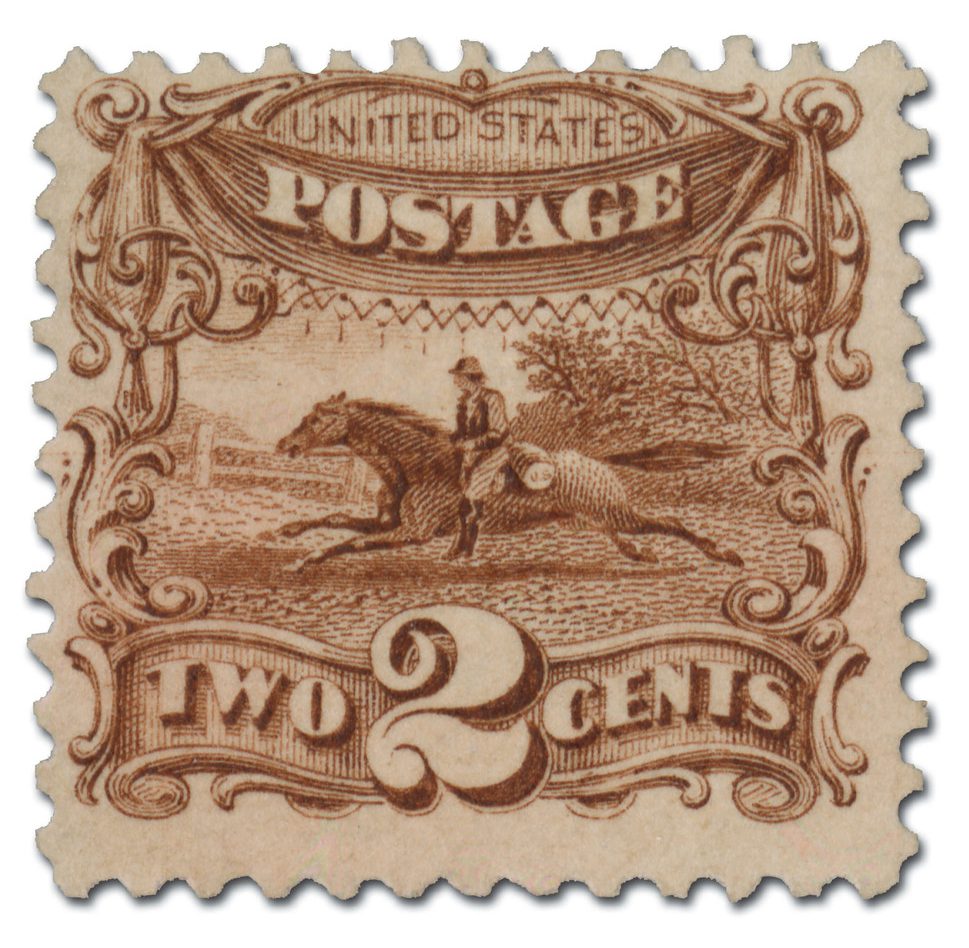
Your April calendar also honors the first run of the legendary Pony Express…
Want to discover the history behind the rest of the April events on your calendar?
May
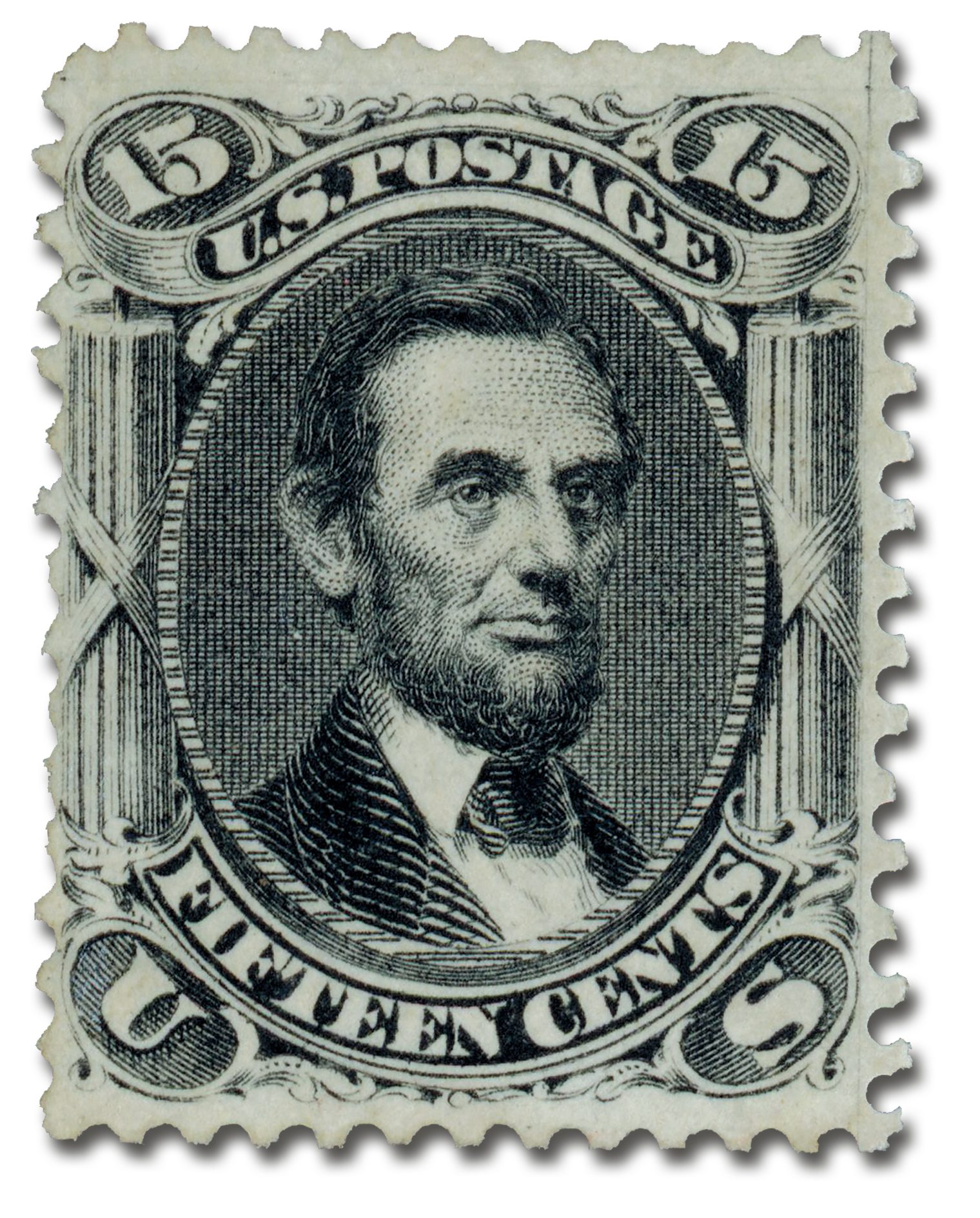
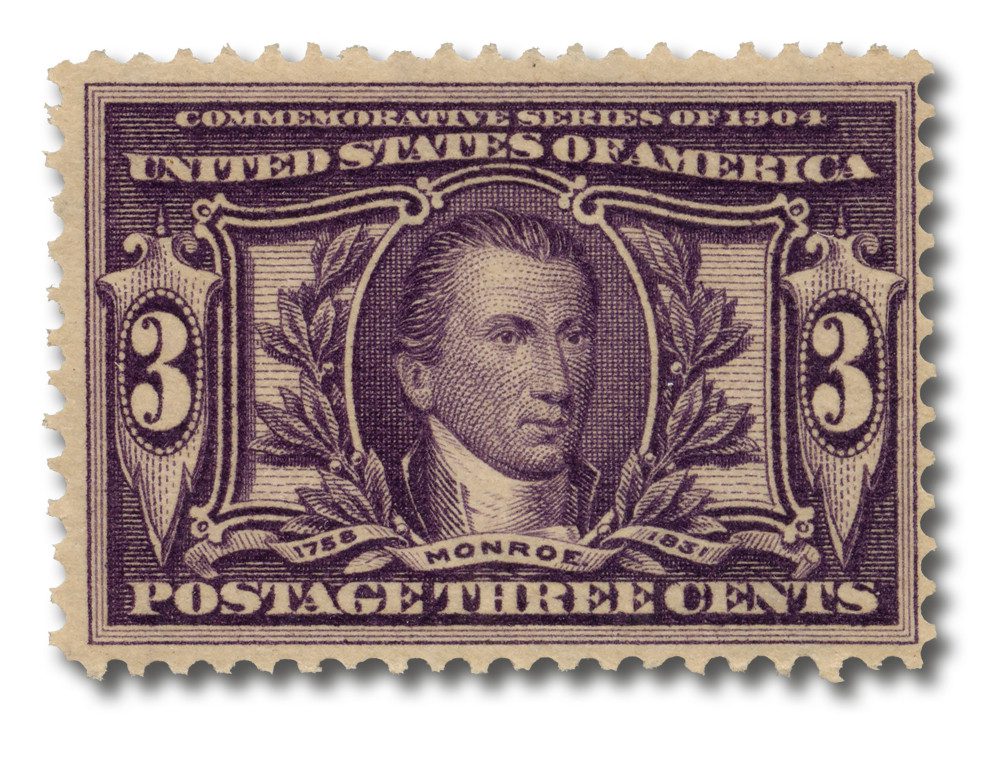
On May 7th, 1833, Abraham Lincoln was appointed postmaster of New Salem, Illinois. Lincoln enjoyed his time as postmaster and was popular among his customers for his habit of going out of the way to keep them happy. Lincoln remained in his post until May 30, 1836, when the post office closed.
In 1914, Harry Truman was appointed postmaster of Grandview, Missouri. He held the position only in title, handing the work and its pay over to Ella Hall, the widow of a Civil War veteran who needed the money. He remained in the post for less than a year.
Click here for more about Lincoln and Truman’s postmaster careers.
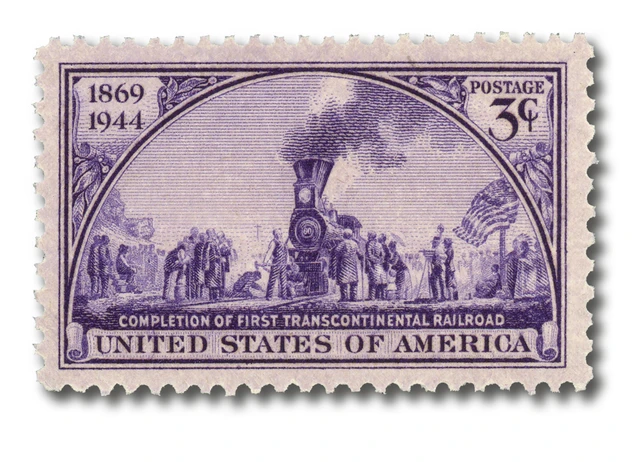
Your May calendar also honors the completion of the Transcontinental Railroad…
Want to discover the history behind the rest of the May events on your calendar?
June
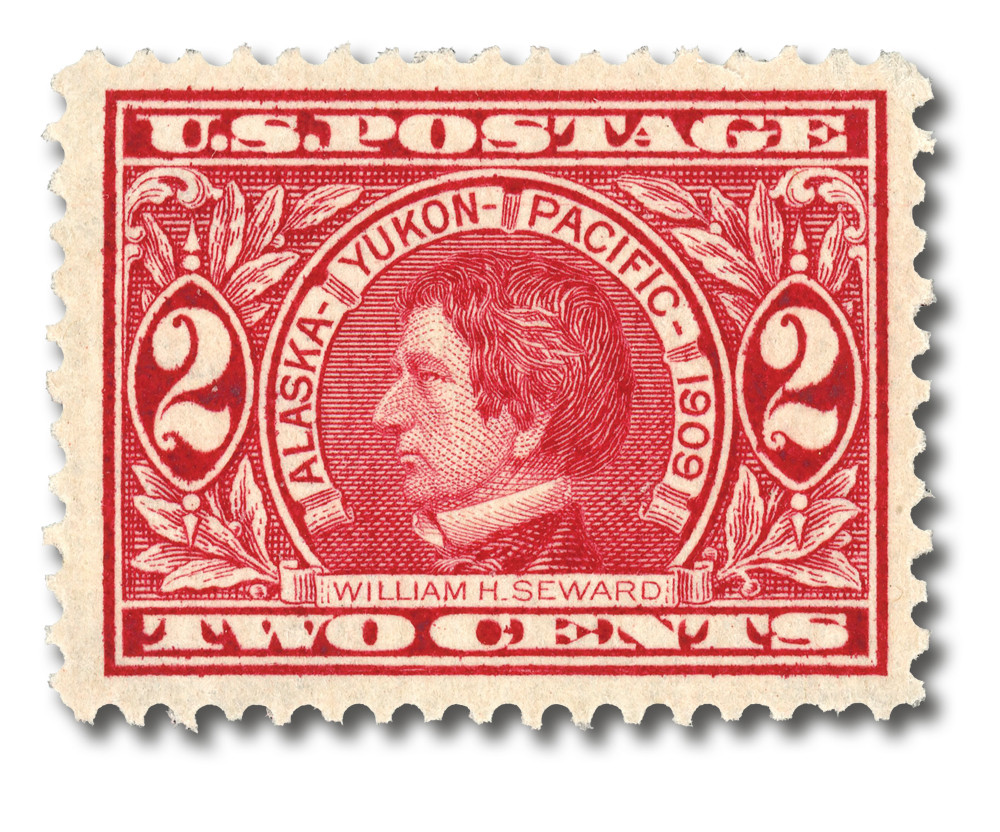
In 1981, Babe Zaharias and Bobby Jones were the first honorees in the American Sports Personalities Series – the first stamps to honor individual athletes. Running until 2013, the series honored 11 athletes from a wide variety of sports.
Click here for more about the American Sports Personalities Series.
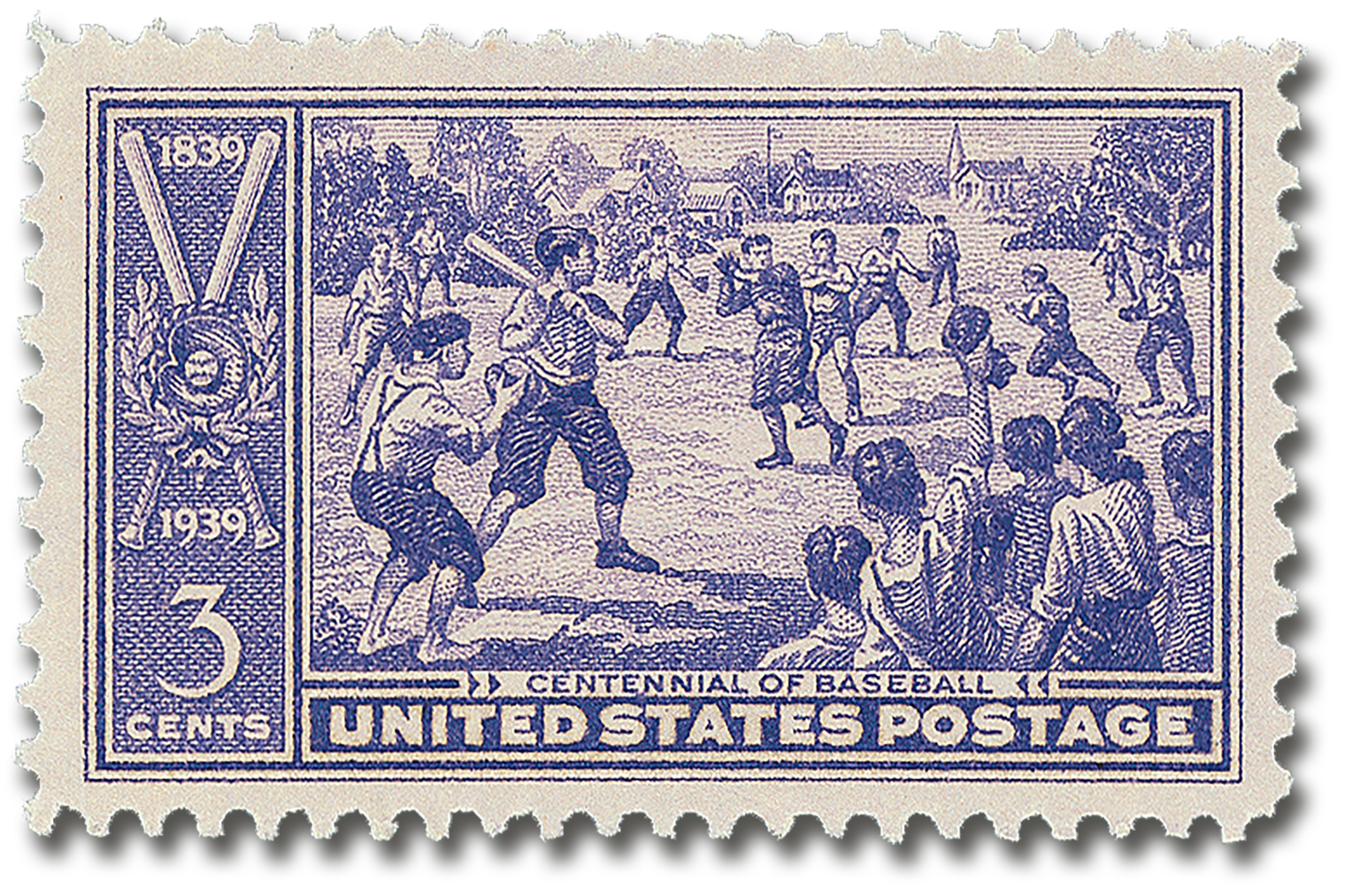
Your June calendar also honors the opening of the Baseball Hall of Fame in Cooperstown, NY…
Want to discover the history behind the rest of the June events on your calendar?
July
Although the Post Office had first begun selling stamps on July 1, 1847, their use had remained optional for nearly ten years. Prepayment became mandatory on April 1, 1855 and on January 1, 1856, the Post Office required that nearly all domestic mail be prepaid using postage stamps. From that point forward, unstamped letters were no longer accepted for standard delivery. By making stamps compulsory, the federal government created a more efficient, reliable, and modern postal system suited to a rapidly growing nation.
Click here for more about this classic era of US stamp history.
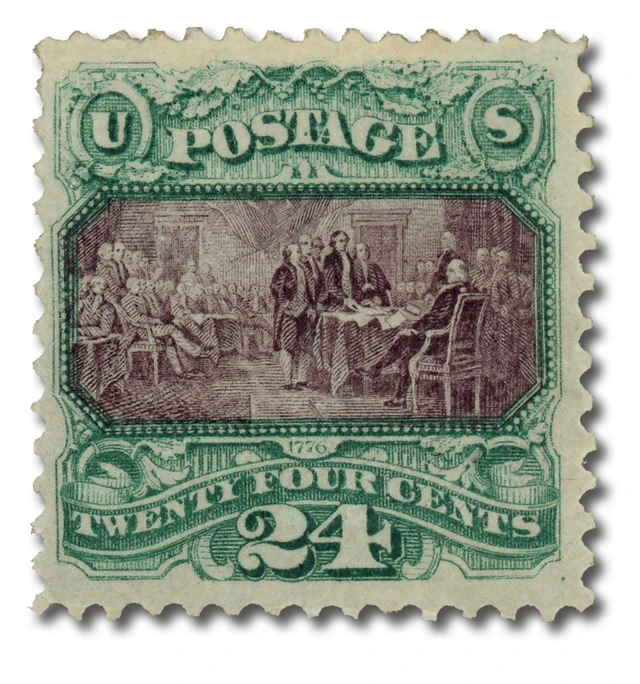
Your July calendar also honors the 250th anniversary of the Declaration of Independence…
Want to discover the history behind the rest of the July events on your calendar?
August
On August 8, 1929, the Graf Zeppelin departed the airfield in Lakehurst, New Jersey, to return 21 days later.
It was the fastest trip up to that point. The popularity of this trip created “Zeppelin Mania” and inspired several later flights. The following year, the Graf Zeppelin made another trip across the Atlantic, and the US issued three stamps to frank mail on that flight.
Click here for more about the Graf Zeppelin and its famous trip.
Want to discover the history behind the rest of the August events on your calendar?
September
The entire portrait of Varela consists of the microprinted letters “USPS” repeated over and over again. The letters cannot be seen without magnification. The shading is created by using different shades of purple to print the letters. They are also italicized and vertically staggered to create a crosshatching effect. The frame lines and typography are printed in solid color instead of microprinting.


Want to discover the history behind the rest of the September events on your calendar?
October
In response to Parliament’s Stamp Act of 1765, American colonists assembled in New York City on October 7 to organize a unified protest. The act imposed direct taxes on the colonies for the first time. Many colonists were outraged because Parliament taxed them without allowing them representation. That October, delegates drafted the 14-point Declaration of Rights and Grievances. It affirmed loyalty to the Crown, argued that colonial representatives alone could levy internal taxes, defended the right to trial by jury, and warned that the act would reduce trade with Britain. Parliament ultimately repealed the act. The Stamp Act Congress is often considered one of the first organized political actions of the American Revolution.


Want to discover the history behind the rest of the October events on your calendar?