
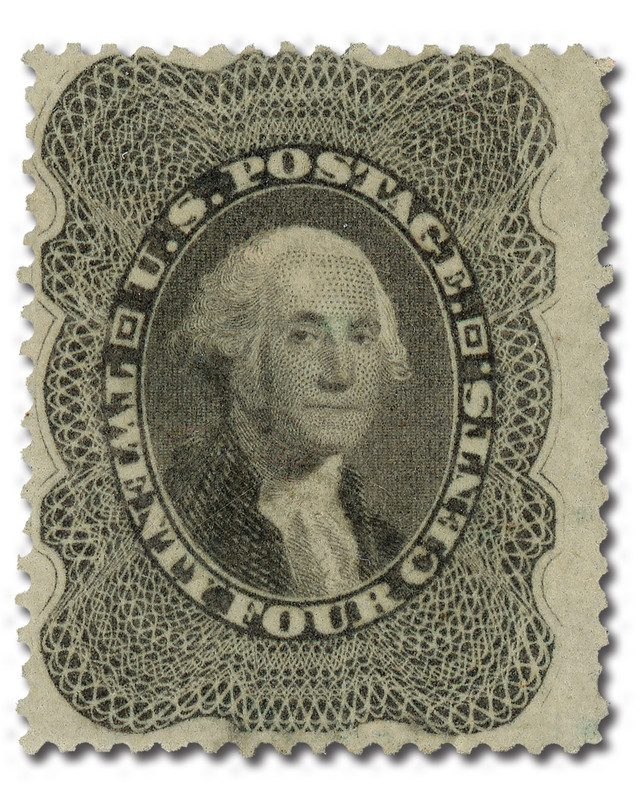
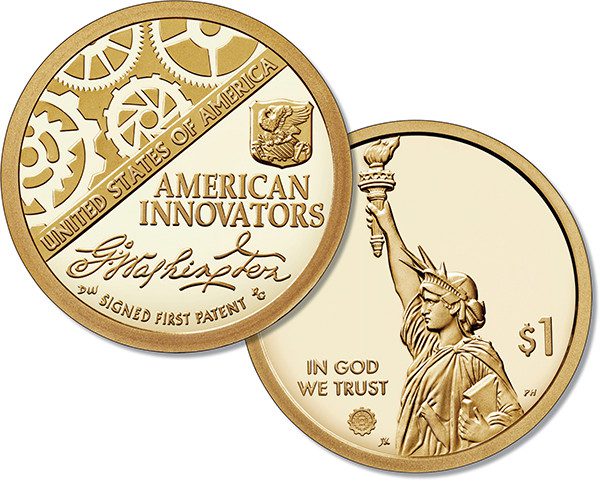
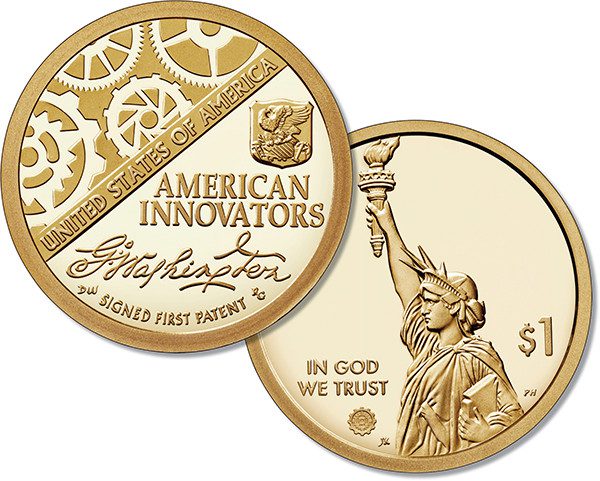
On April 10, 1790, President George Washington signed the Patent Act of 1790 into law, creating a formal system to protect new inventions in the young United States. In just a few paragraphs, the new country set rules that would shape American innovation for generations.
The idea of patents did not begin in America. It had deep roots in Europe. England’s Statute of Monopolies, passed in 1624, is often seen as the foundation of modern patent law. That law limited the Crown’s ability to grant monopolies but allowed patents for new inventions for a set period. Many American leaders were familiar with this system. They believed that protecting inventors would encourage practical innovation and economic growth.
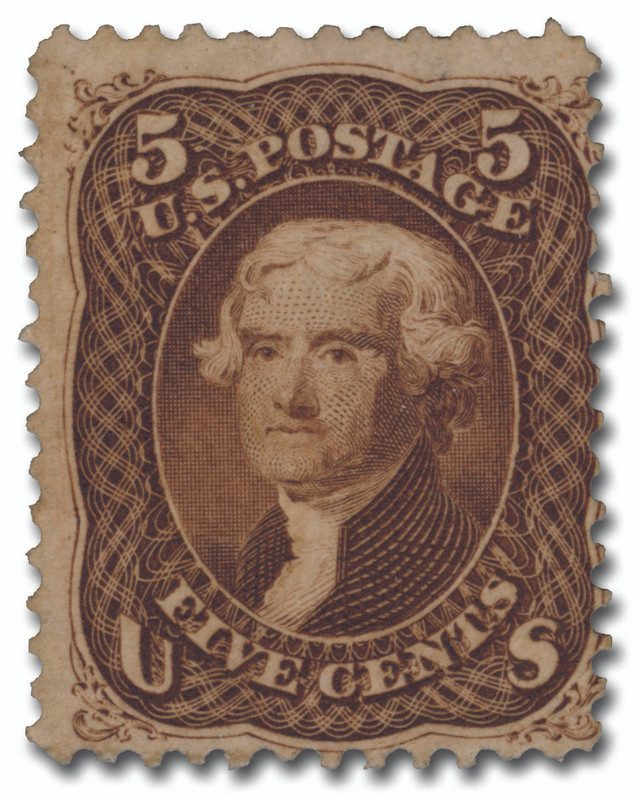
In the years leading up to 1790, the American colonies and early states had no unified patent system. Individual states sometimes granted exclusive rights, but the process was inconsistent. An inventor might receive protection in one state but not in another. This created confusion and discouraged investment in new ideas. After the Constitution was adopted in 1787, the need for a national system became clear.
The Constitution directly addressed the issue. Article I, Section 8 gave Congress the power “to promote the progress of science and useful arts” by granting inventors exclusive rights to their discoveries for limited times. This clause provided the legal foundation for the Patent Act of 1790.
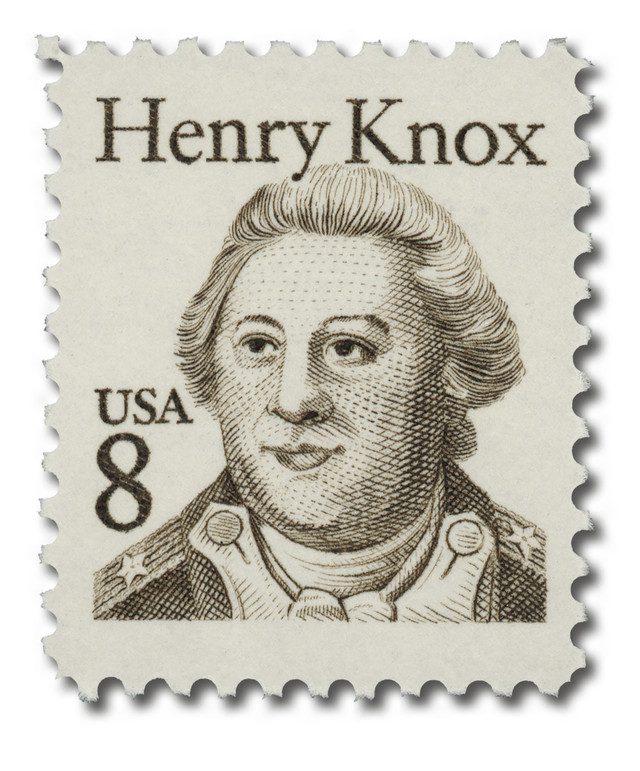
The act itself was short but specific. It allowed patents to be granted for “any useful art, manufacture, engine, machine, or device, or any improvement thereon not before known or used.” Applications were reviewed by a small committee made up of three officials: the Secretary of State, the Secretary of War, and the Attorney General. At the time, those roles were held by Thomas Jefferson, Henry Knox, and Edmund Randolph. They personally examined each application to decide if it was truly new and useful.
This process was careful but slow. Each invention required detailed review by top government officials. There was no separate patent office yet. Instead, the responsibility initially fell under the State Department.
Three months after the law was passed, the first US patent was issued. On July 31, 1790, Samuel Hopkins of Vermont received Patent No. 1. His invention improved the production of potash and pearl ash using a new apparatus and process. These substances, derived from wood ash, were important in early American industry. They were used in soap making, glass production, and baking. The patent document was signed by George Washington, Thomas Jefferson, and Edmund Randolph, reflecting the importance placed on the new system.
Hopkins’ work did not stop there. In 1791, he became the first person to receive a Canadian patent as well. His process for producing potash and soap showed how practical chemistry could support both domestic needs and trade.
The original patent system soon proved too slow. By 1793, Congress revised the law. The new Patent Act removed the requirement for detailed examination. Instead, patents were granted more quickly, based largely on registration. This sped up the process but led to weaker quality control. Some patents were issued for ideas that were not truly new.
To address these problems, Congress passed another major revision in 1836. This law created the modern US Patent Office and reintroduced a formal examination system. Professional examiners began reviewing applications for novelty and usefulness. This system, with updates over time, still forms the basis of how patents are granted today.
The number of patents grew steadily as the country expanded. Early inventions focused on agriculture, tools, and basic manufacturing. By the mid-1800s, patents covered railroads, telegraph systems, and industrial machinery. The late 19th and early 20th centuries brought inventions like the telephone, electric light, and automobile. Each required legal protection to attract investment and support development.
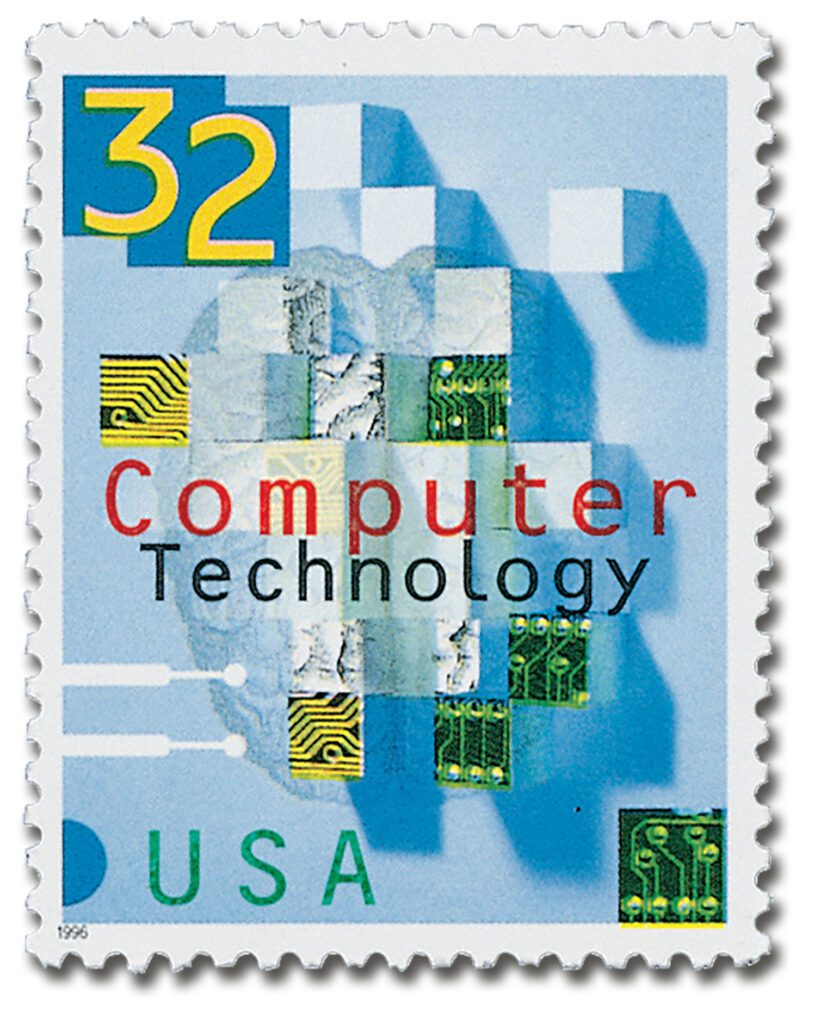
In the modern era, patents cover a wide range of technologies. These include pharmaceuticals, computer software, biotechnology, and renewable energy systems. The process is now managed by the United States Patent and Trademark Office, which operates with a large staff of trained examiners.
Since 1790, the United States has issued more than 11 million patents. This number reflects over two centuries of continuous innovation. Each patent represents a specific solution to a real problem, from small improvements in tools to major technological breakthroughs.
| FREE printable This Day in History album pages Download a PDF of today’s article. Get a binder or other supplies to create your This Day in History album. |
Discover what else happened on This Day in History.