
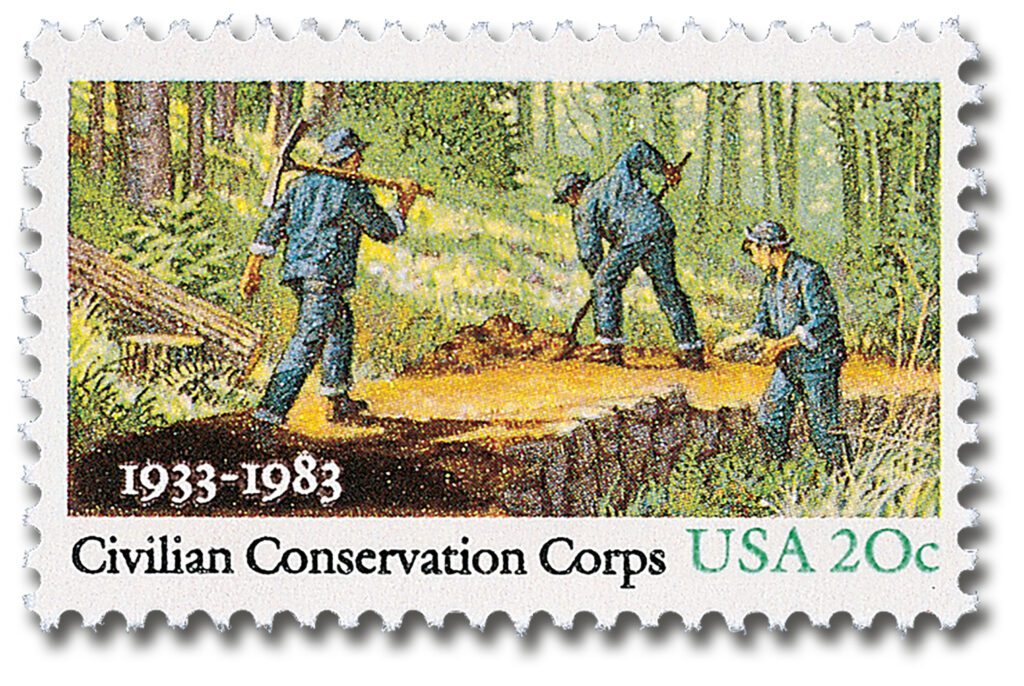
On March 31, 1933, President Franklin D. Roosevelt established the Civilian Conservation Corps (CCC), putting thousands of unemployed young men to work almost immediately. The program became one of the earliest and most visible efforts of the New Deal, addressing both economic hardship and environmental need with practical, measurable results.
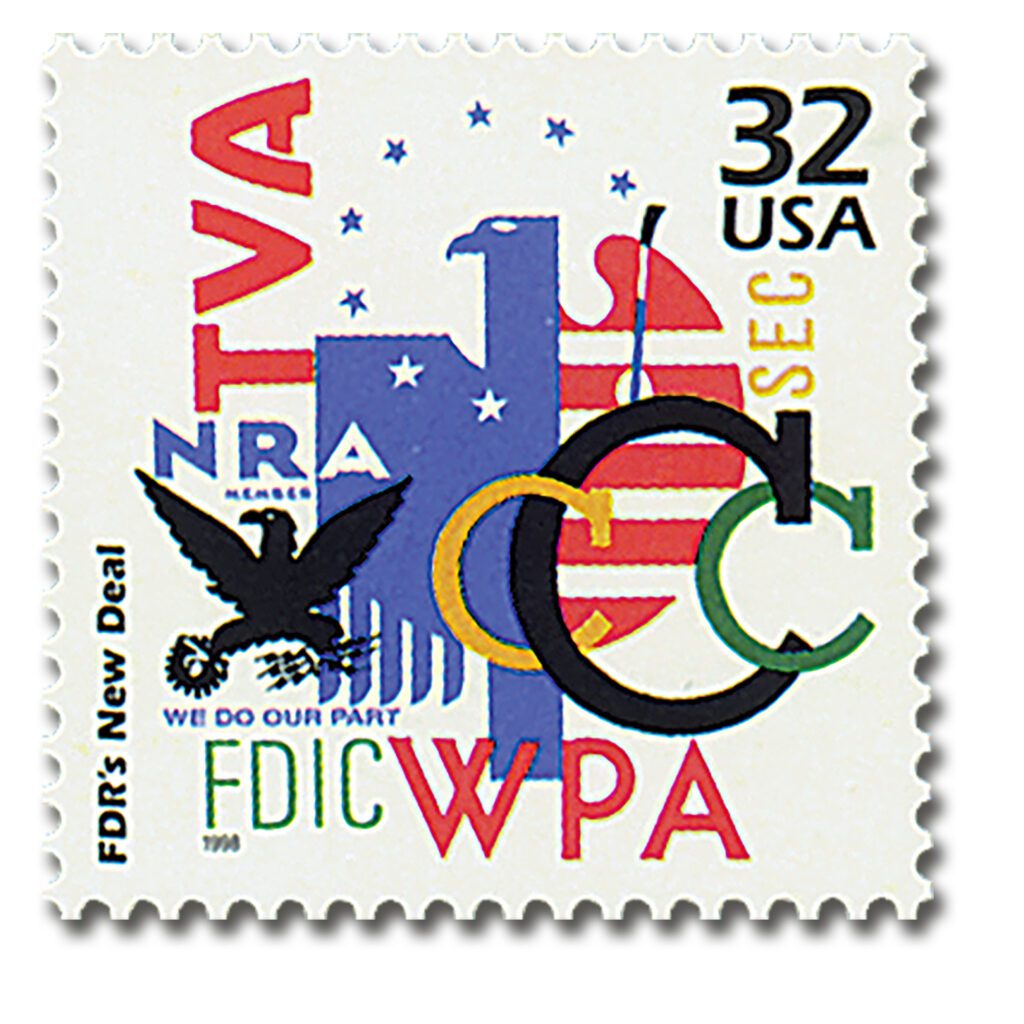
In the presidential election of 1932, Franklin D. Roosevelt campaigned on a promise of a “New Deal” for what he called the “forgotten man.” The country was in the depths of the Great Depression. By early 1933, nearly one in four Americans was unemployed. Banks had failed in large numbers, farms were struggling, and industrial production had dropped sharply. Many Americans had lost confidence in the federal government’s ability to respond. Roosevelt’s victory reflected a demand for direct and immediate action.
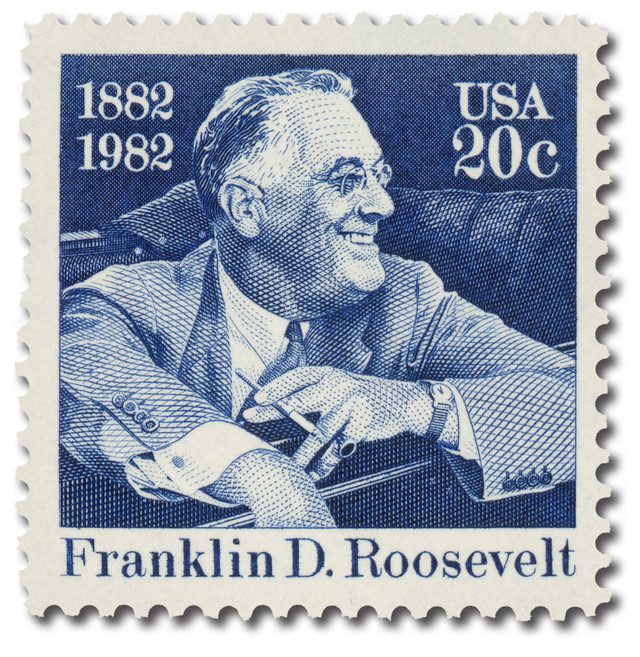
Once in office in March 1933, Roosevelt moved quickly. His first months became known as the “Hundred Days,” a period marked by rapid legislation and new federal programs. These included the National Recovery Administration (NRA), which aimed to stabilize industry; the Federal Deposit Insurance Corporation (FDIC), which restored trust in the banking system; and later, the Securities and Exchange Commission (SEC), which regulated financial markets. Alongside these measures, Roosevelt placed strong emphasis on relief programs designed to put people back to work.
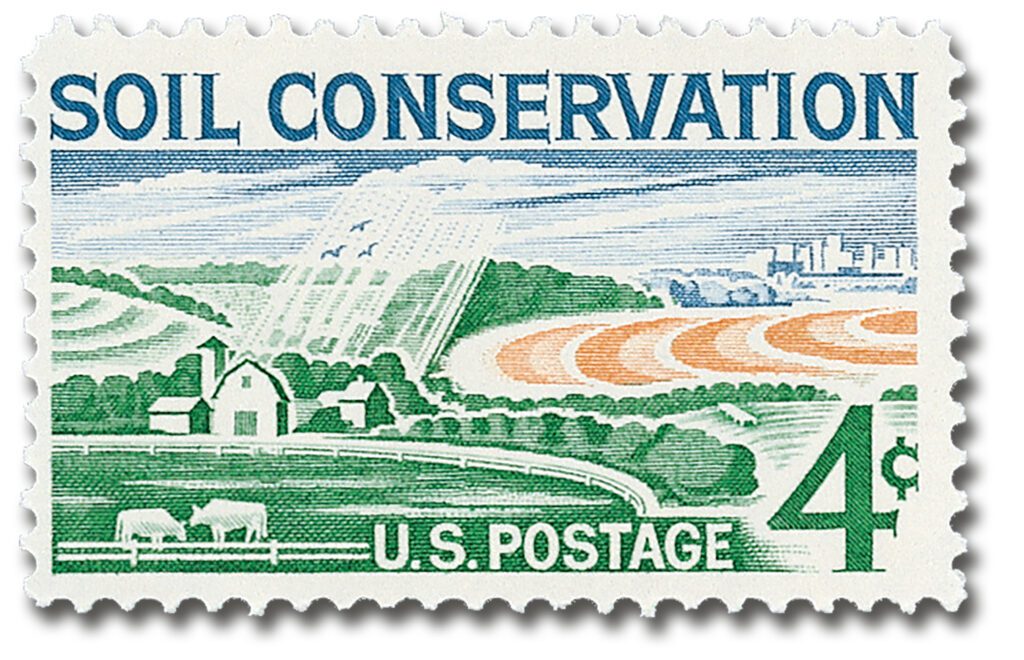
The Civilian Conservation Corps grew out of that goal. Roosevelt had already tested a similar idea while serving as governor of New York, where he supported reforestation and public works projects using unemployed labor. On March 21, 1933, he formally proposed the program to Congress. He described it as a way to engage young men in “simple work” that would not compete with existing jobs. The focus would be on forestry, soil conservation, flood control, and related efforts that produced lasting public value.

Congress acted quickly. The Emergency Conservation Work Act was introduced and passed within ten days. On March 31, Roosevelt signed it into law. He followed with an executive order on April 5 to formally organize the program. Administration of the CCC was shared among several federal departments, including Labor, War, Agriculture, and Interior. The Army played a key role in setting up and managing the camps, providing structure and logistics.
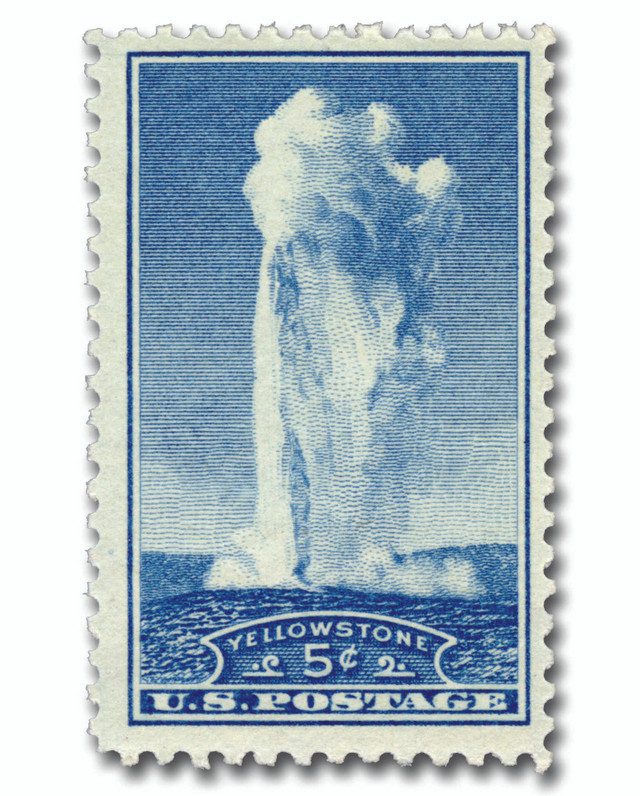
Enrollment began almost immediately. The CCC targeted unmarried men between the ages of 18 and 25, though the age range was later expanded. Enrollees received $30 per month, with $25 typically sent directly to their families. This ensured that the program supported not only the workers themselves but also households across the country. At its peak, the CCC operated more than 2,500 camps nationwide.
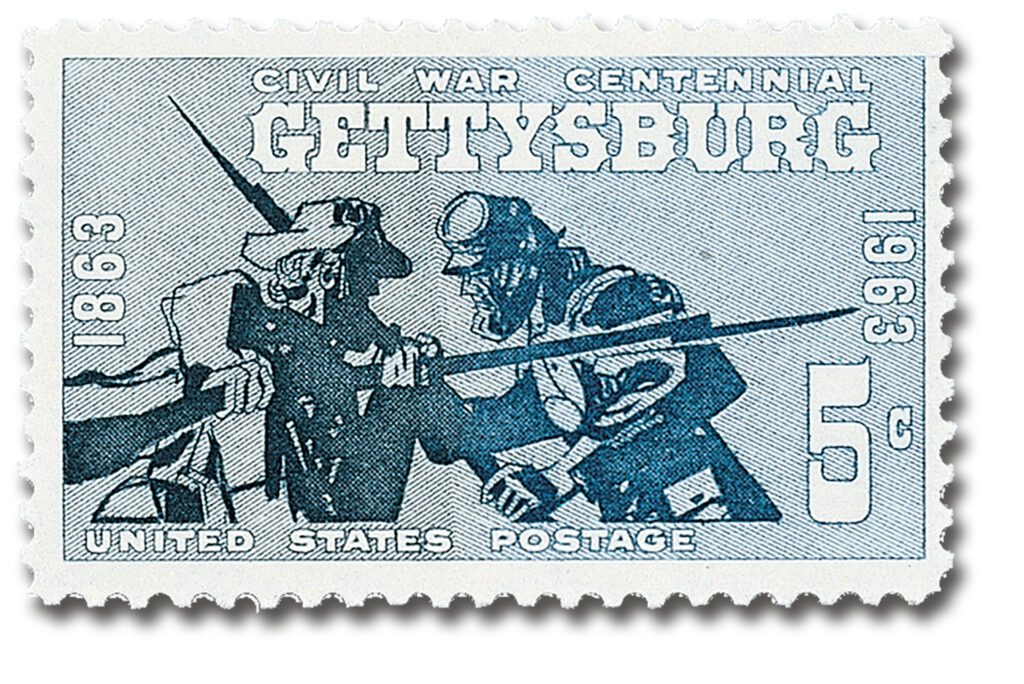
The work performed by the CCC was physically demanding but carefully organized. Crews planted billions of trees, helping to restore forests damaged by logging and fire. They built firebreaks, roads, and trails in state and national parks. They worked on soil conservation projects, especially in areas affected by the Dust Bowl. CCC workers constructed dams, improved irrigation systems, and helped control flooding in vulnerable regions. Many of these projects still shape the American landscape today.
Life in the camps followed a structured routine. Enrollees lived in simple barracks and received meals, clothing, and medical care. In addition to manual labor, the CCC placed emphasis on education. Evening classes were offered in basic literacy, arithmetic, and vocational skills. Over the course of the program, more than 40,000 men learned to read and write. Others gained training in trades such as carpentry, mechanics, and surveying, which helped them find employment later.
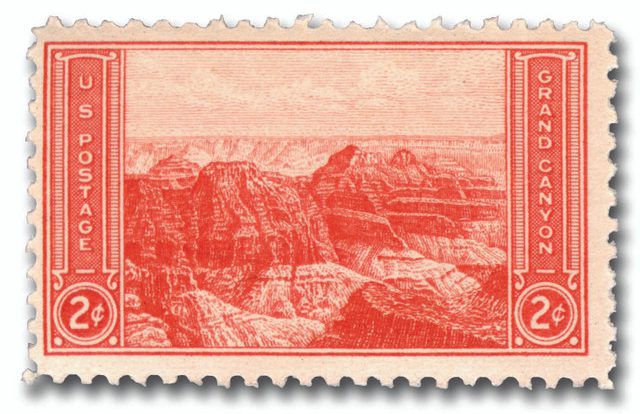
The CCC also had a broader impact on conservation policy. It strengthened the role of the federal government in managing natural resources and expanded the development of public lands. National and state parks saw major improvements, including facilities that increased public access. The program demonstrated that conservation work could be organized on a large scale while providing economic relief.
Between 1933 and its end in 1942, more than three million men served in the CCC. The program gradually declined as the economy improved and as the United States prepared for World War II. By the early 1940s, many former enrollees were entering military service or taking jobs in defense industries. Congress officially ended funding for the CCC in 1942.

The Civilian Conservation Corps provided immediate relief to millions of families and left a lasting physical legacy. Its camps, roads, forests, and conservation projects remain visible across the country, reflecting a program built on practical work and long-term benefit.
| FREE printable This Day in History album pages Download a PDF of today’s article. Get a binder or other supplies to create your This Day in History album. |
Discover what else happened on This Day in History.