
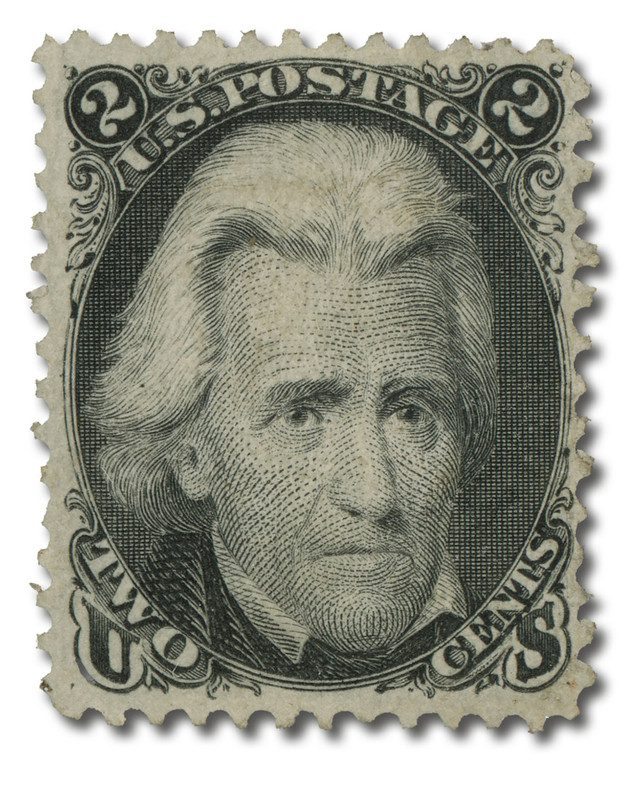
On January 30, 1835, a gunshot was meant to change American history—but it didn’t. That winter day, outside the US Capitol, an unemployed house painter named Richard Lawrence attempted to assassinate President Andrew Jackson, marking the first known assassination attempt against a sitting US president.
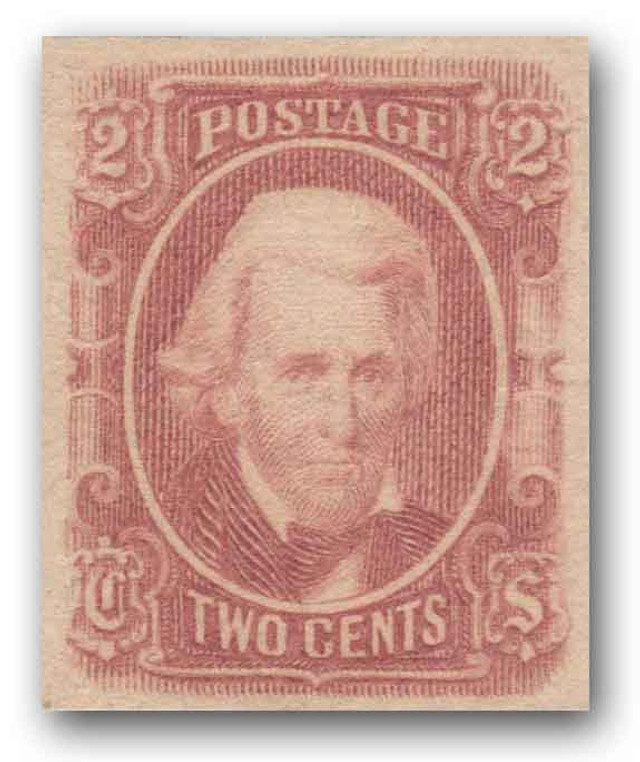
The attack occurred just after Jackson had attended the funeral of Representative Warren R. Davis of South Carolina. The service was held in the House chamber, a solemn event that brought together many of the nation’s most powerful political figures. As Jackson exited the Capitol through the East Portico, Lawrence stepped forward from behind a column and raised a pistol at close range. He pulled the trigger—but the gun misfired. Lawrence then drew a second pistol and fired again. That weapon also failed to discharge.

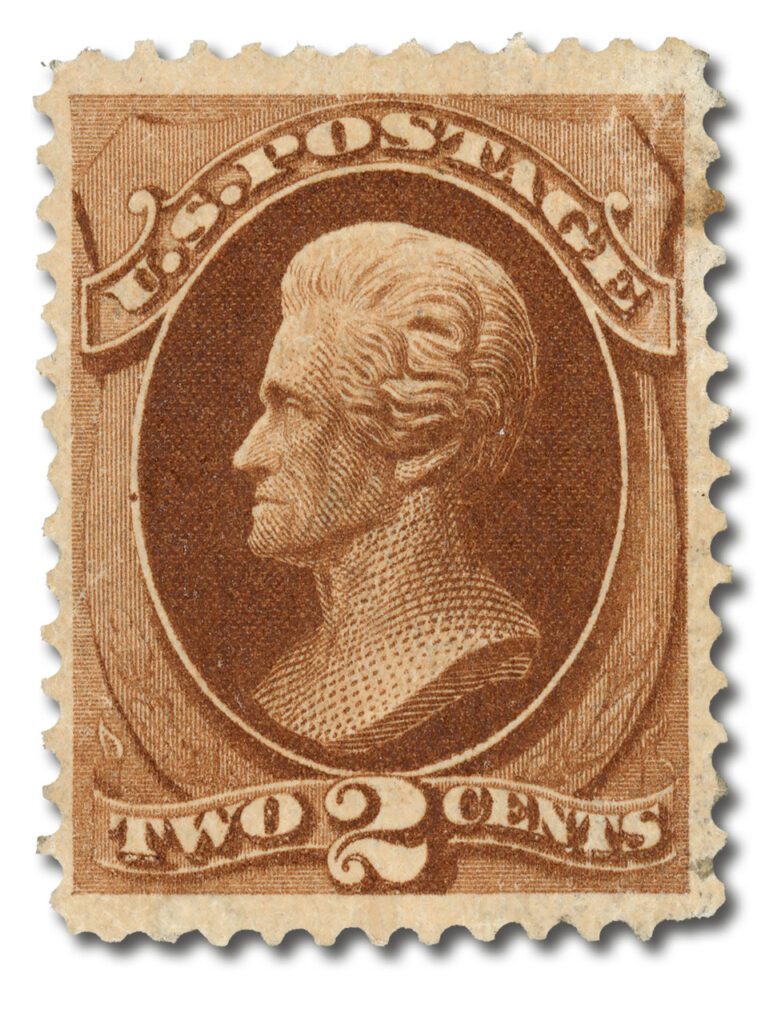
For a brief but terrifying moment, the president of the United States stood face-to-face with an armed attacker. Andrew Jackson, then 67 years old, did not retreat. Instead, he lunged at Lawrence with his cane and began striking him. Members of the crowd quickly joined in. Congressman Davy Crockett of Tennessee helped restrain Lawrence, along with several other congressmen and bystanders. Lawrence was wrestled to the ground and disarmed before either pistol could be fired successfully.
Later examinations showed that both pistols were fully loaded and functional. One plausible explanation for the double misfire is the unusually humid weather that day, which may have dampened the powder. Jackson himself reportedly believed divine providence had spared his life.
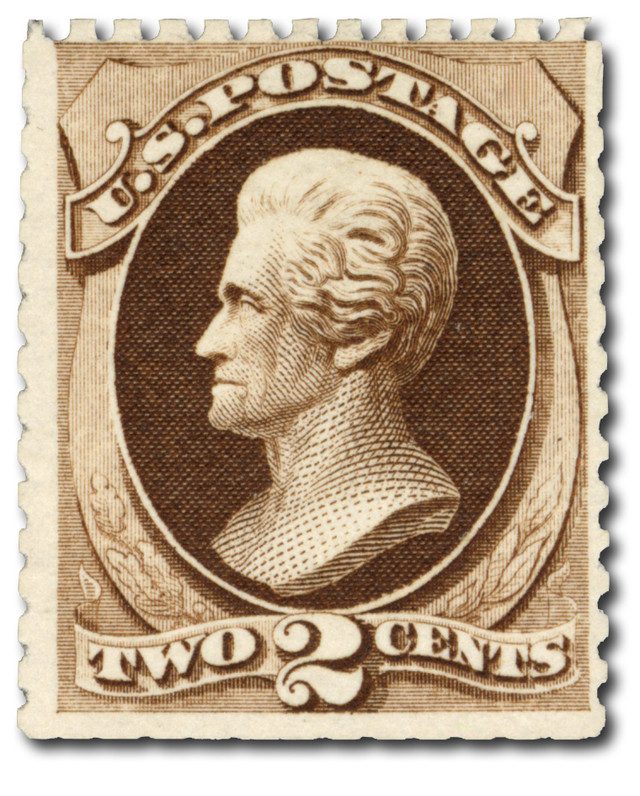
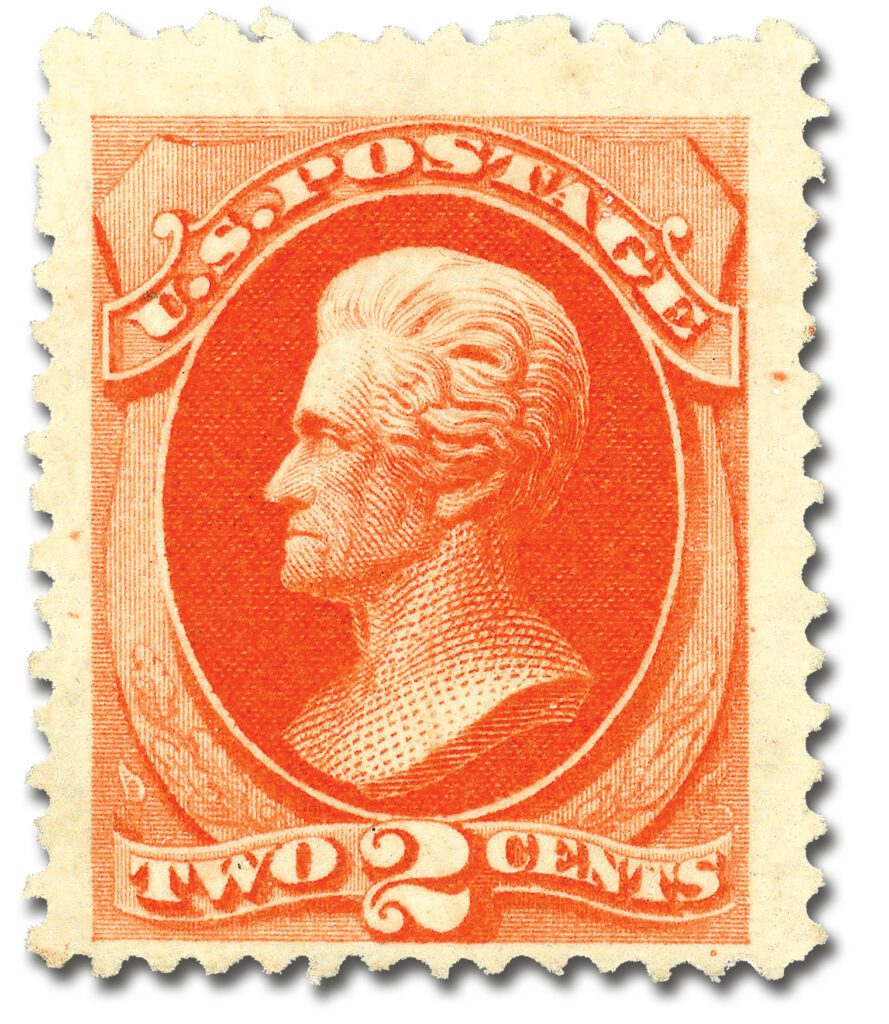
The political climate surrounding the attack was deeply charged. Jackson was one of the most polarizing figures of his era. As president, he had dismantled the Second Bank of the United States, vetoed major internal improvement bills, and forcefully asserted federal authority during the Nullification Crisis. His enemies viewed him as reckless and authoritarian. Senator John C. Calhoun of South Carolina, once Jackson’s vice president and later his bitter rival, famously denounced him as “a Caesar who ought to have a Brutus,” a chilling remark in hindsight.
Supporters, however, saw Jackson as a champion of the “common man,” a war hero who had defeated the British at the Battle of New Orleans and challenged entrenched elites. These opposing views turned American politics into a battlefield of words, accusations, and threats. Newspapers were openly partisan, and personal attacks were common. While Lawrence’s actions were not politically organized, they unfolded against this backdrop of intense hostility.
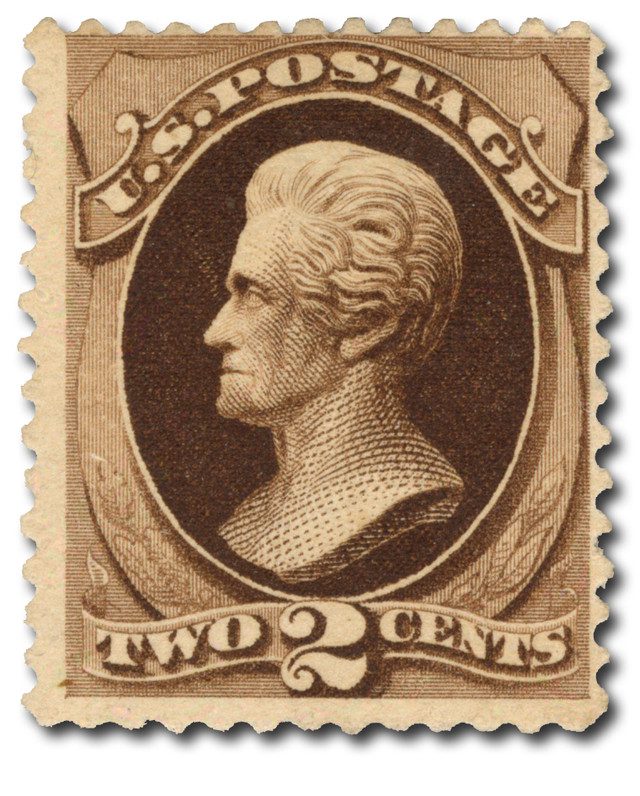
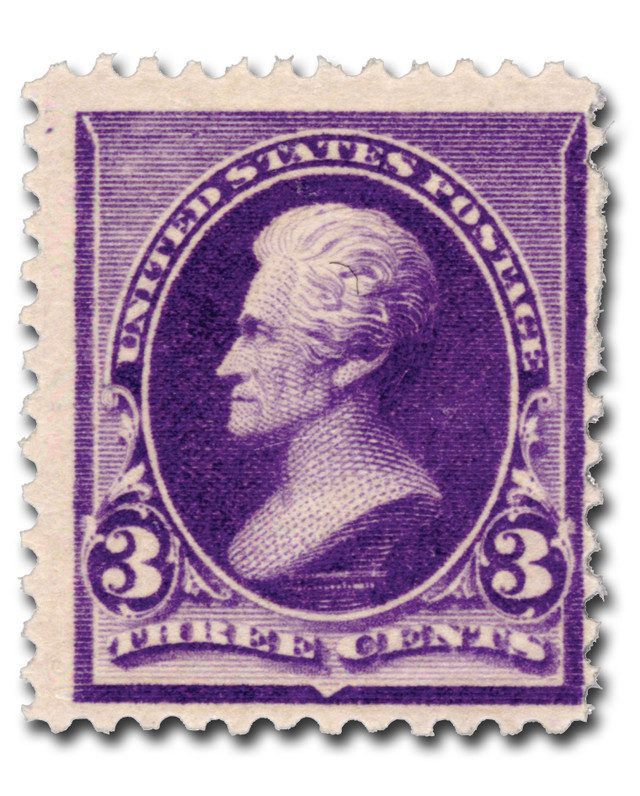
Richard Lawrence himself was not driven by conventional political motives. Born in England and later living in Washington, DC, Lawrence suffered from severe delusions. He believed he was the rightful heir to the British throne and that Jackson was personally responsible for blocking his access to a vast inheritance. In Lawrence’s mind, killing Jackson would somehow restore his fortune and rightful status. During his trial, witnesses testified to his increasingly erratic behavior, including claims of divine mission and royal blood.
Lawrence was found not guilty by reason of insanity, the first prominent, successful use of that defense in US history. He was confined to a mental institution for the rest of his life, where he died in 1861. Jackson, by contrast, completed his presidency and lived until 1845.
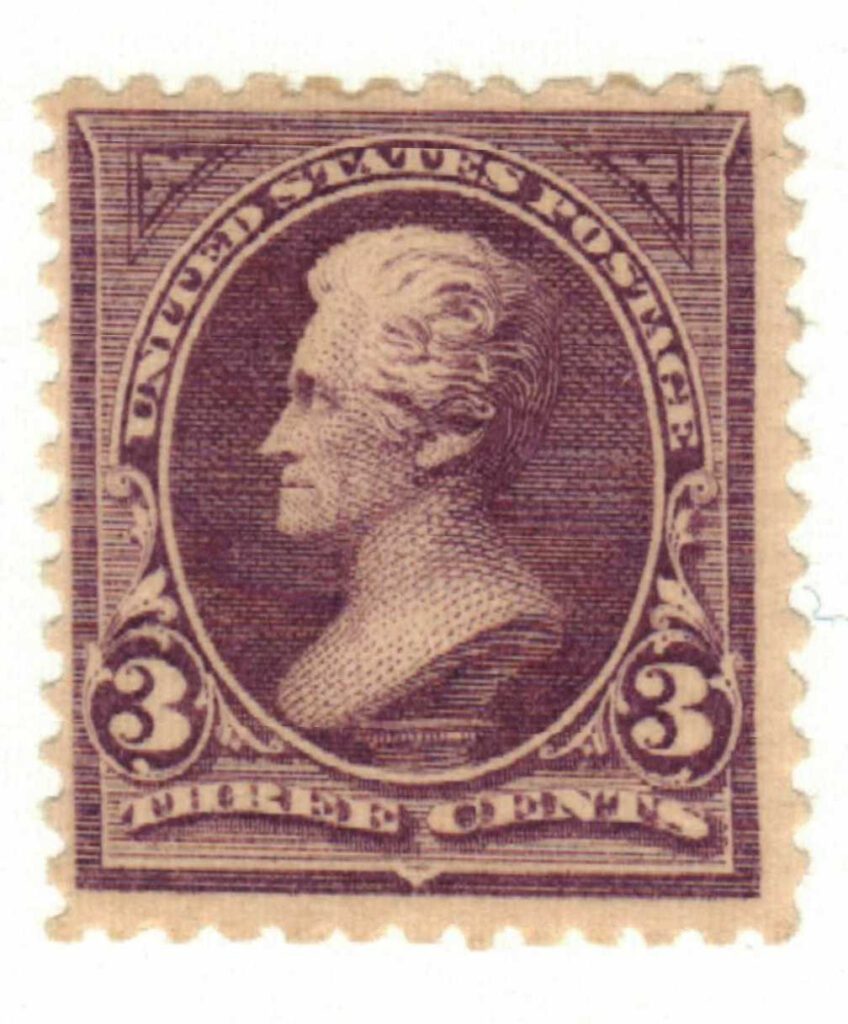
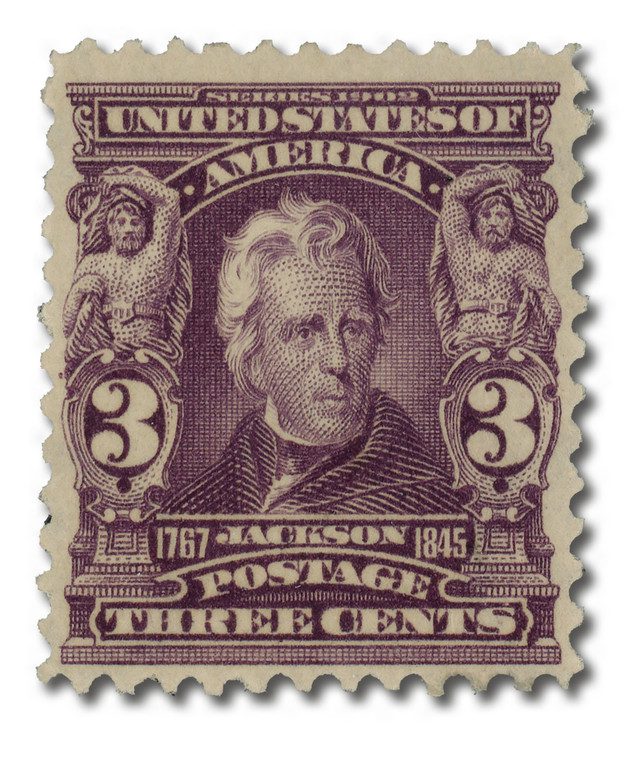
The incident also fit, oddly enough, with Jackson’s extreme personal history. Known for his fiery temper, Jackson had participated in numerous duels during his lifetime—some accounts claim more than 100, though historians agree the true number was far lower. He carried bullets in his body from earlier confrontations – leading some to claim he “rattled like a bag of marbles” – and had already faced death more than once. That reputation made his aggressive response to Lawrence unsurprising to those who knew him well.
Click here for more Jackson stamps.
| FREE printable This Day in History album pages Download a PDF of today’s article. Get a binder or other supplies to create your This Day in History album. |
Discover what else happened on This Day in History.
Good article, which uses the term “polarizing”. I’m glad we don’t have any of that in our day and age:)
I’m glad too Bill – snicker, snicker.
Canes: always loaded and they never misfire.
Very interesting ! Keep the articles coming !