Montauk Point Light
On April 12, 1792, Montauk Point Light was authorized by President George Washington. It was the first lighthouse built in the state of New York and one of the first public works projects of the United States.


On April 12, 1792, Montauk Point Light was authorized by President George Washington. It was the first lighthouse built in the state of New York and one of the first public works projects of the United States.

Dean Gooderham Acheson was born on April 11, 1893, in Middletown, Connecticut. Serving in the state department for over a decade, he was influential in many of the United States’ World War II and post-war initiatives, including the Lend-Lease Act, Marshall Plan, and NATO.
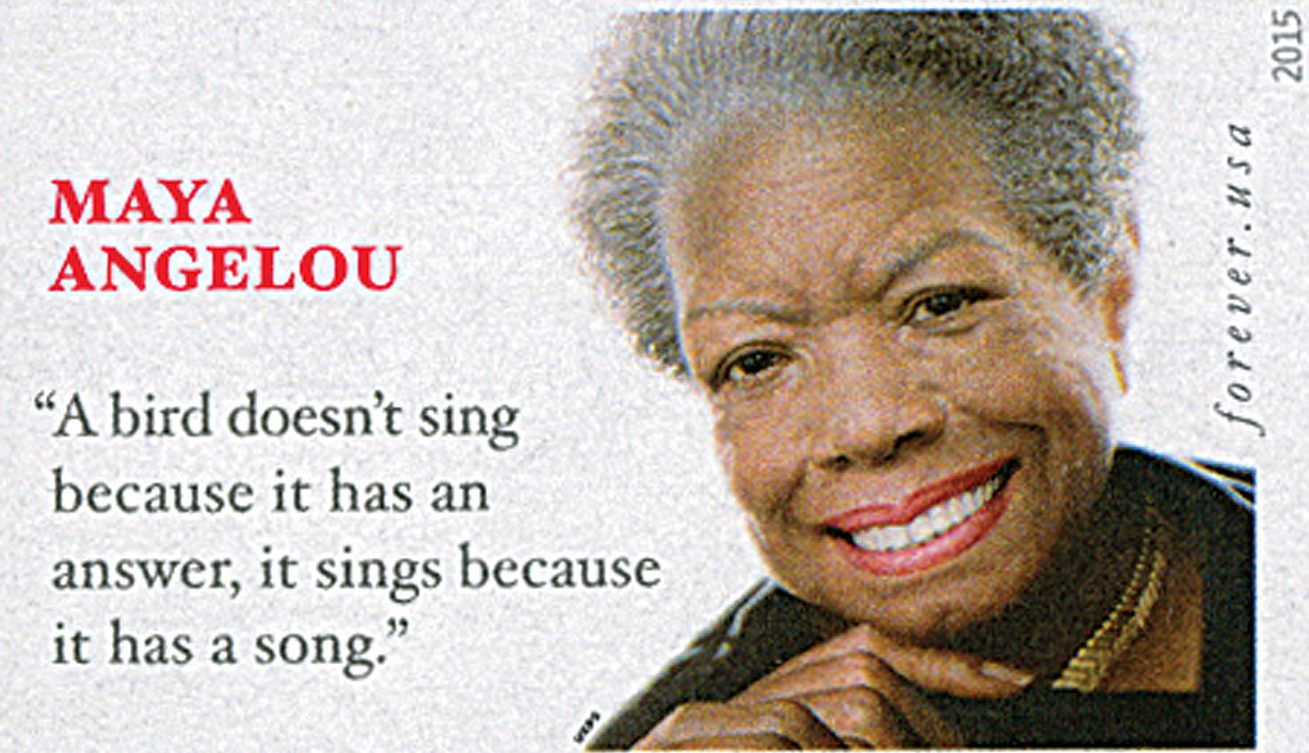
Maya Angelou was born Marguerite Annie Johnson on April 4, 1928, in St. Louis, Missouri. Poet, actor, author, teacher, and activist, Angelou became an influential voice of the 20th century.

President Woodrow Wilson addressed Congress on April 2, 1917, asking to declare war and join World War I. Despite Wilson’s desire to remain neutral, Germany had attacked several ships carrying US citizens, with no promise of stopping.

On March 31, 1918, daylight saving time went into effect for the first time in the United States. It was originally instituted as a wartime measure, but was later adopted permanently.
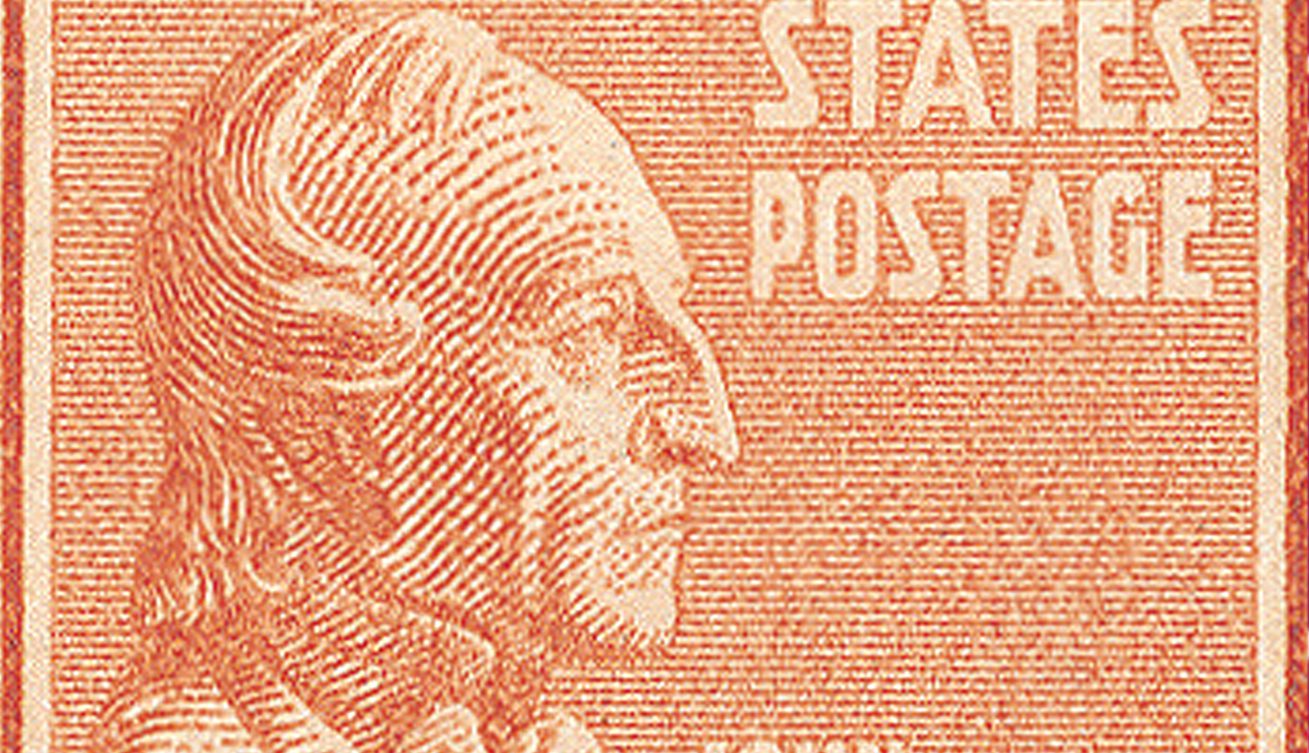
John Tyler was born on March 29, 1790, in Charles City County, Virginia. He was the first vice president to take the nation’s highest office following the death of a sitting president, setting the standard for Presidential succession.
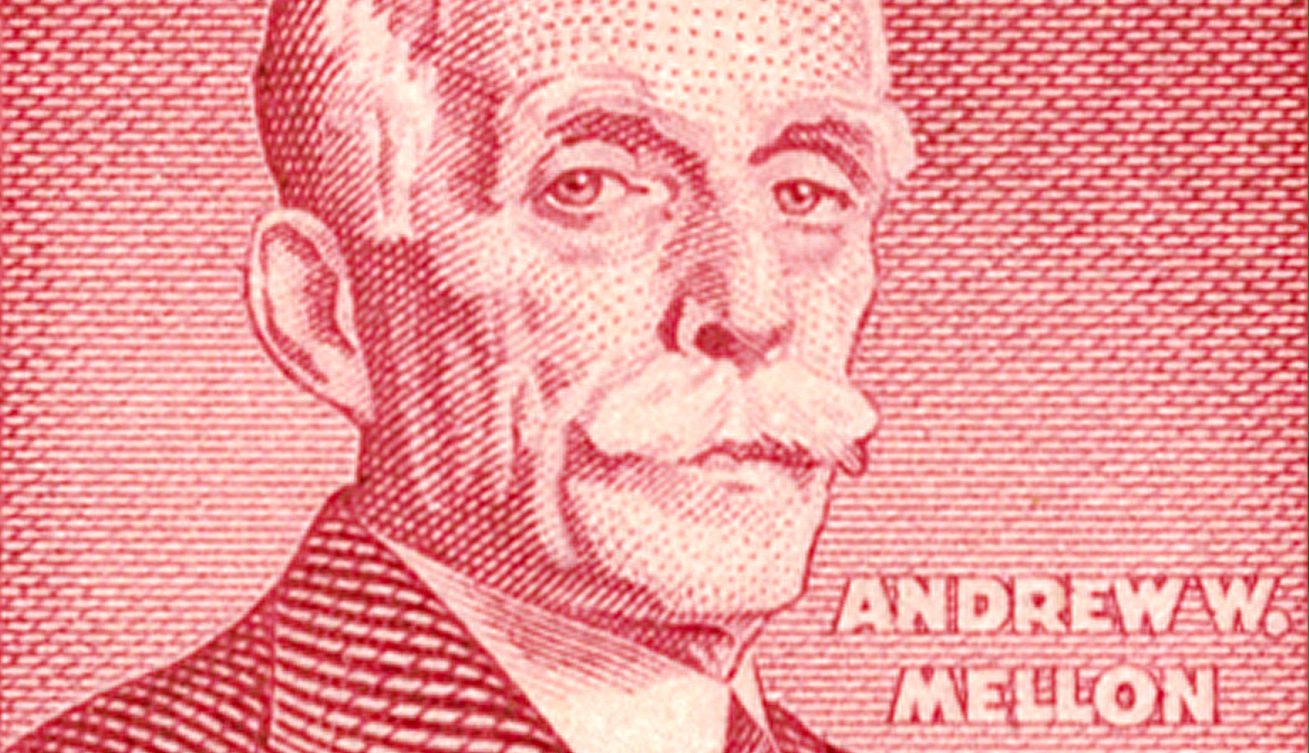
Andrew William Mellon was born on March 24, 1855, in Pittsburgh, Pennsylvania. As one of America’s longest-serving secretaries of state, he helped cut taxes and reduce the national debt following World War I.
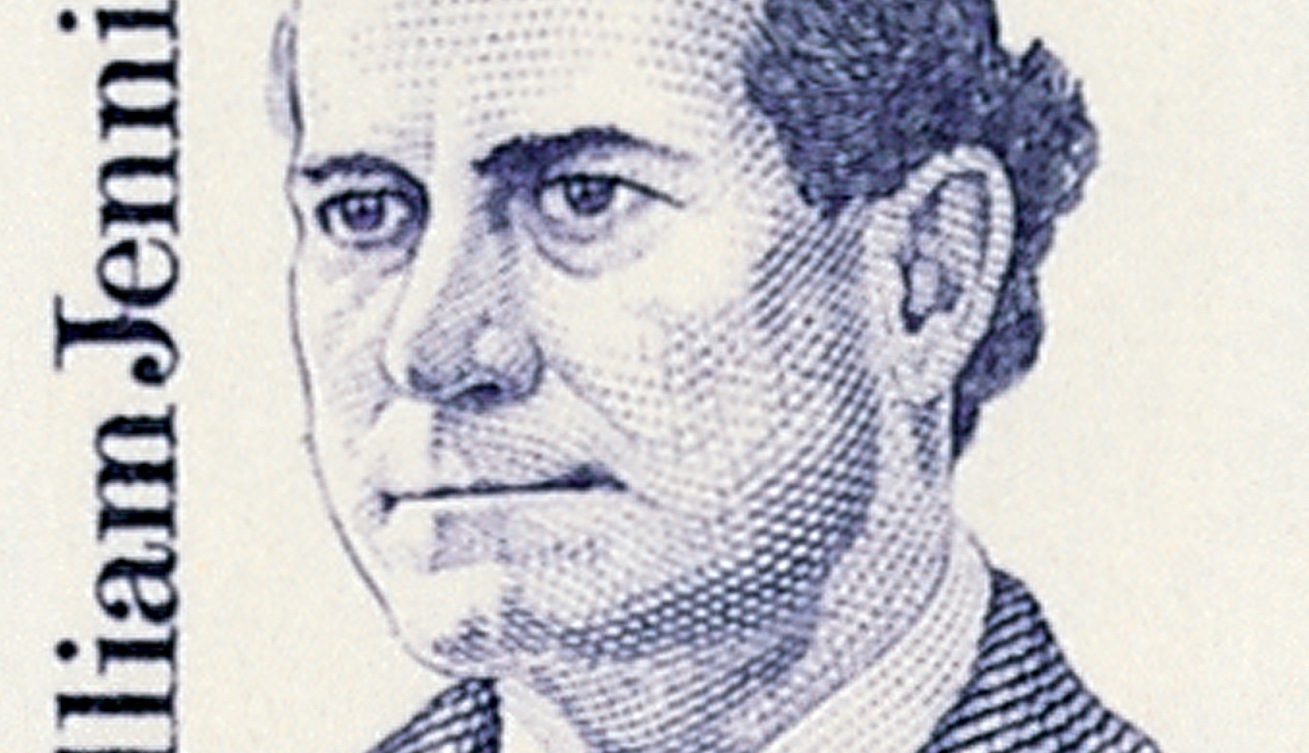
William Jennings Bryan was born on March 19, 1860, in Salem, Illinois. Known as “The Great Commoner,” Jennings ran for president three times, but is remembered for his impassioned speeches on a variety of topics, including anti-trust, anti-imperialism, prohibition, populism, and trust-busting.

On March 18, 1855, the Niagara Railway Suspension Bridge officially opened. A joint project between the US and Canada, the bridge opened a new transportation route and marked the start of more than a century of friendship between our two nations.