Skywriting in America
On November 28, 1922, skywriting was first used for advertising in American skies. It quickly grew in popularity, with advertisers finding a new way to deliver messages to a wider audience.


On November 28, 1922, skywriting was first used for advertising in American skies. It quickly grew in popularity, with advertisers finding a new way to deliver messages to a wider audience.

On November 27, 1932, the Bixby Creek Bridge opened on the Big Sur coast of California. It was the longest concrete arch span in California and the highest single-span arch bridge in the world at the time of its completion.
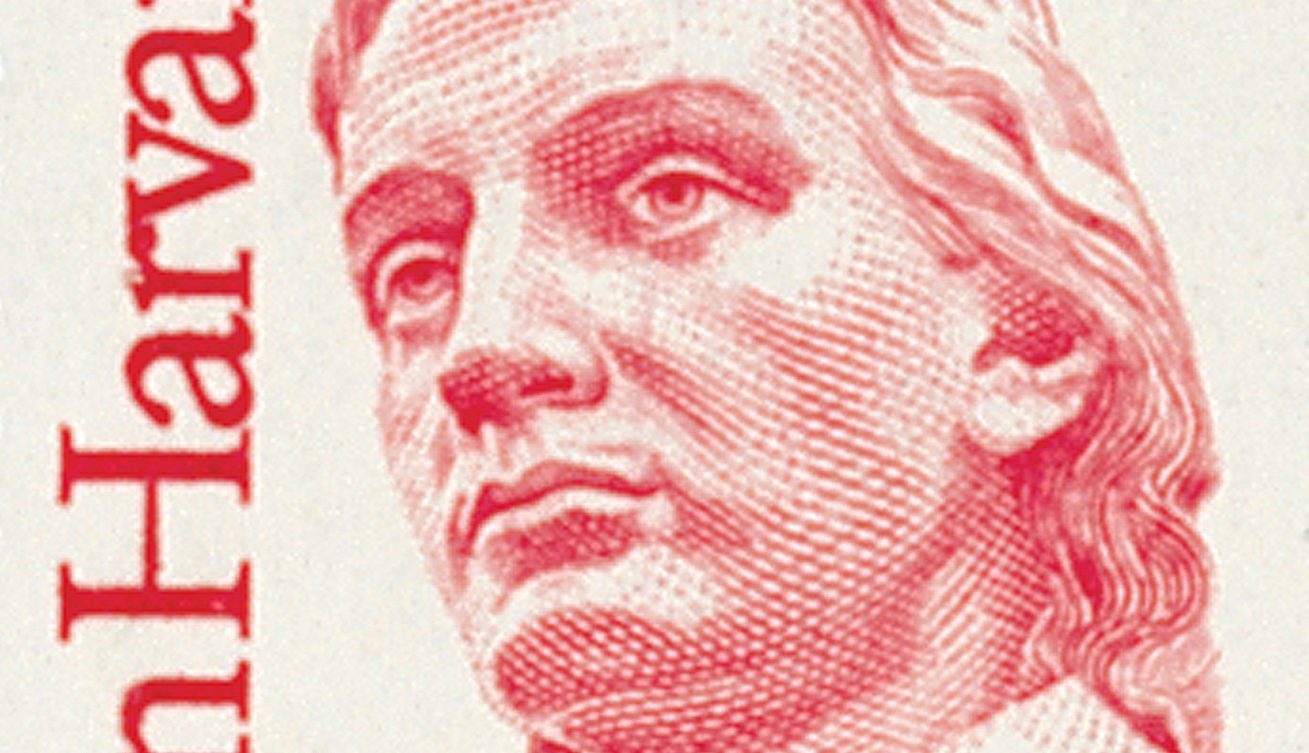
Clergyman John Harvard is believed to have been born on November 26, 1607, in Southward, Surrey, England. Though not a founder, Harvard donated half his fortune and his entire library to the school that was then named in his honor.

On November 25, 1783, the British Army left New York City following the American Revolutionary War. The date was celebrated for over a century as Evacuation Day, with celebrations rivaling those held on the Fourth of July.

US sailor Dorie Miller died on November 24, 1943, during the Battle of Makin. He had previously survived the attack on Pearl Harbor, for which he’d earned a Navy Cross.

On November 19, 1752, George Rogers Clark was born in Albemarle County, Virginia. A hero of the American Revolution, he’s most famous for his captures of Kaskaskia, Vincennes, and Fort Sackville.
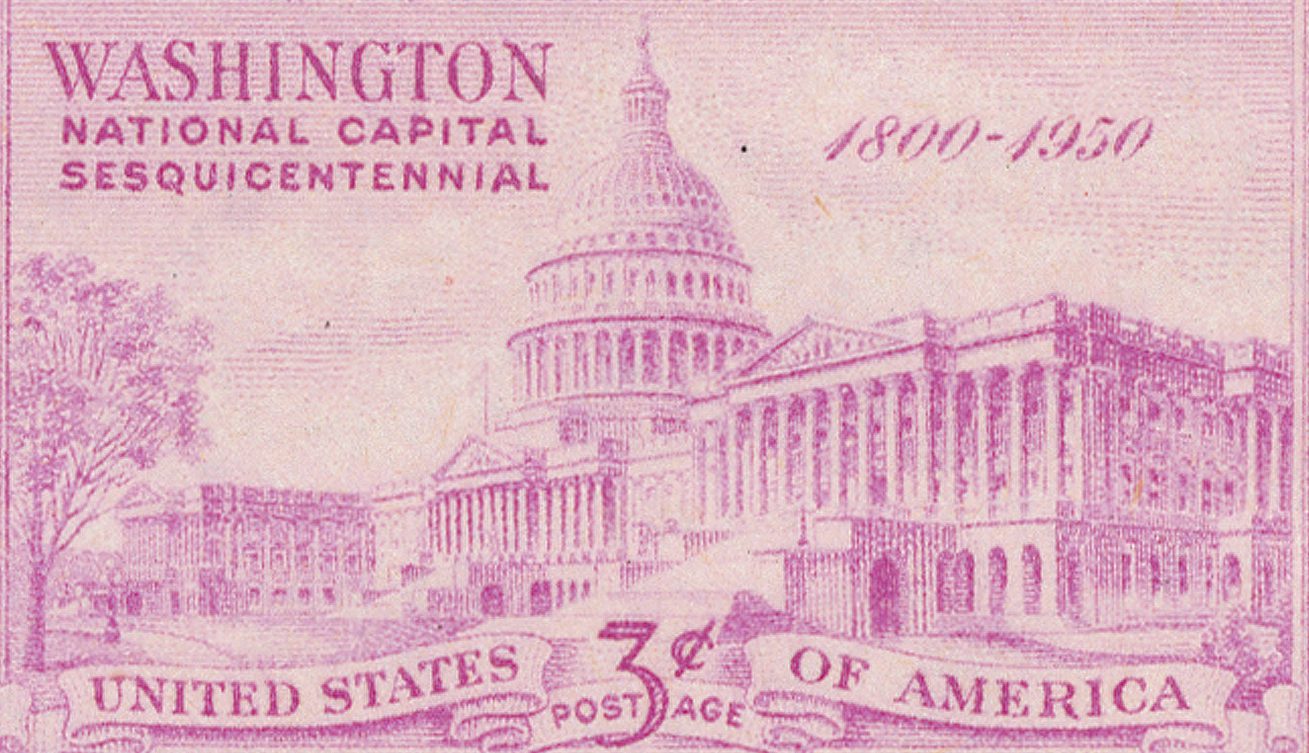
On November 17, 1800, Congress convened in the still-under-construction Capitol building in Washington, DC for the first time. The Capitol building would undergo several expansions over the years, eventually growing to 16.5 acres.

On November 16, 1902, a cartoon appeared in a newspaper that inspired the creation of the first teddy bears, named after President Theodore “Teddy” Roosevelt.

Suffragist and abolitionist Elizabeth Cady Stanton was born on November 12, 1815, in Johnstown, New York. She was a leader of the women’s rights movement and the driving force behind the first women’s rights convention in Seneca Falls in 1848.