The Flag of Liberation
On December 7, 1941, Japan attacked Pearl Harbor. A day that will live in infamy, the attack prompted an unusual handling of the American flag, which became known as the Flag of Liberation.


On December 7, 1941, Japan attacked Pearl Harbor. A day that will live in infamy, the attack prompted an unusual handling of the American flag, which became known as the Flag of Liberation.

US sailor Dorie Miller died on November 24, 1943, during the Battle of Makin. He had previously survived the attack on Pearl Harbor, for which he’d earned a Navy Cross.
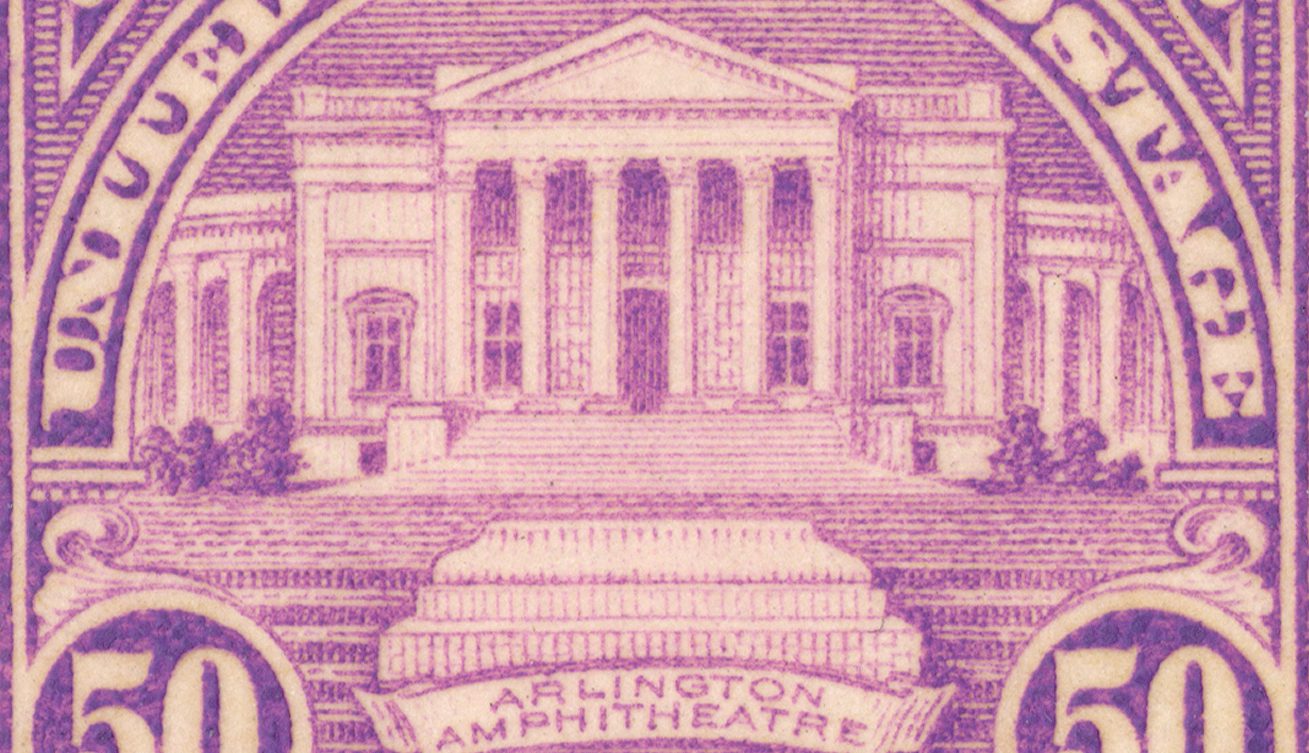
On November 11, 1921, President Warren G. Harding dedicated the Tomb of the Unknown Soldier at Arlington National Cemetery. Now the final resting place for three unknown soldiers, it is guarded 24 hours a day by members of the Army’s 3rd Infantry Regiment.

One of the world’s first female war correspondents, Martha Ellis Gellhorn, was born on November 8, 1908, in St. Louis, Missouri.
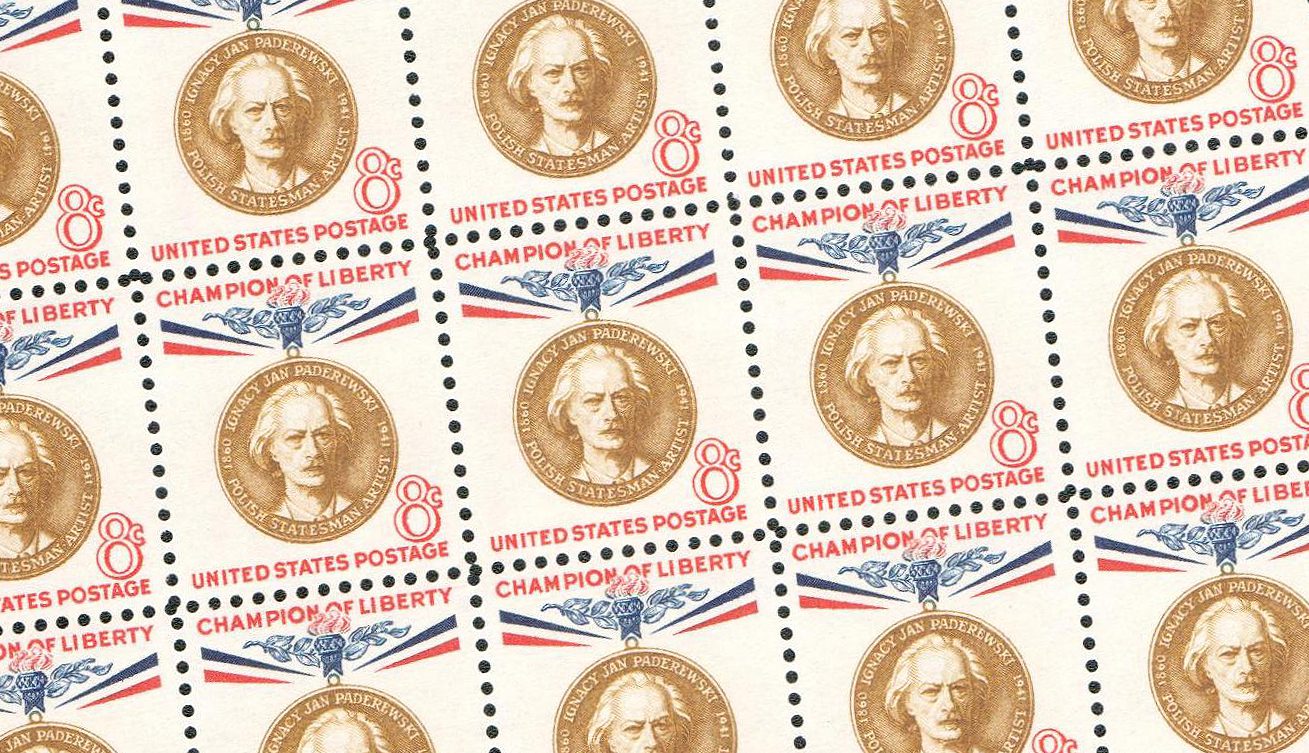
Ignacy Jan Paderewski was born on November 6, 1860, in Kuryłówka, Podolia (in present-day Ukraine). He was an accomplished pianist and composer as well as the first Prime Minister of independent Poland.
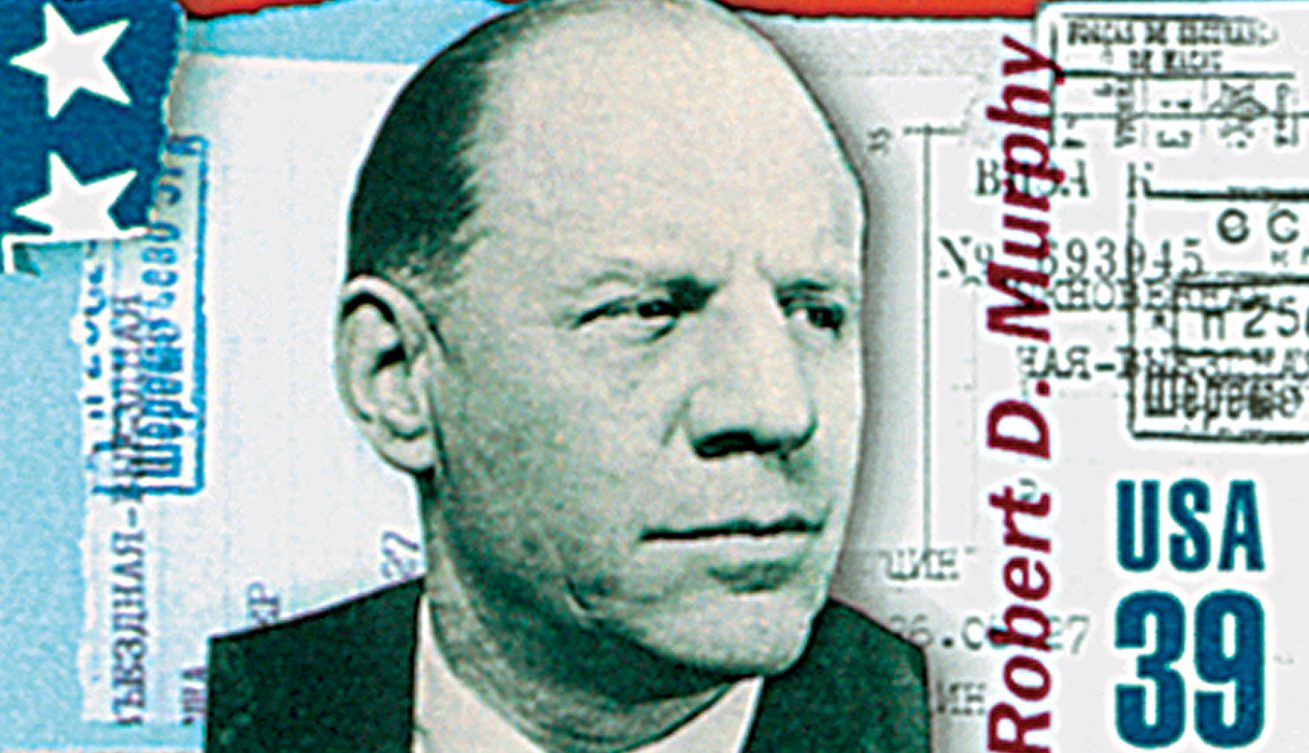
Robert Daniel Murphy was born on October 28, 1894, in Milwaukee, Wisconsin. He was an accomplished American diplomat who helped plan the Allied landings in North Africa during World War II.

On October 17, 1941, a US ship was attacked and damaged by the Germans for the first time during World War II. This quickly led to escalated tensions and the sinking of the first US ship by the end of the month.

On September 27, 1941, the first 14 “Emergency” Liberty Ships were launched in what was dubbed Liberty Fleet Day. These ships served with distinction throughout the war, claiming several victories against German U-Boats.
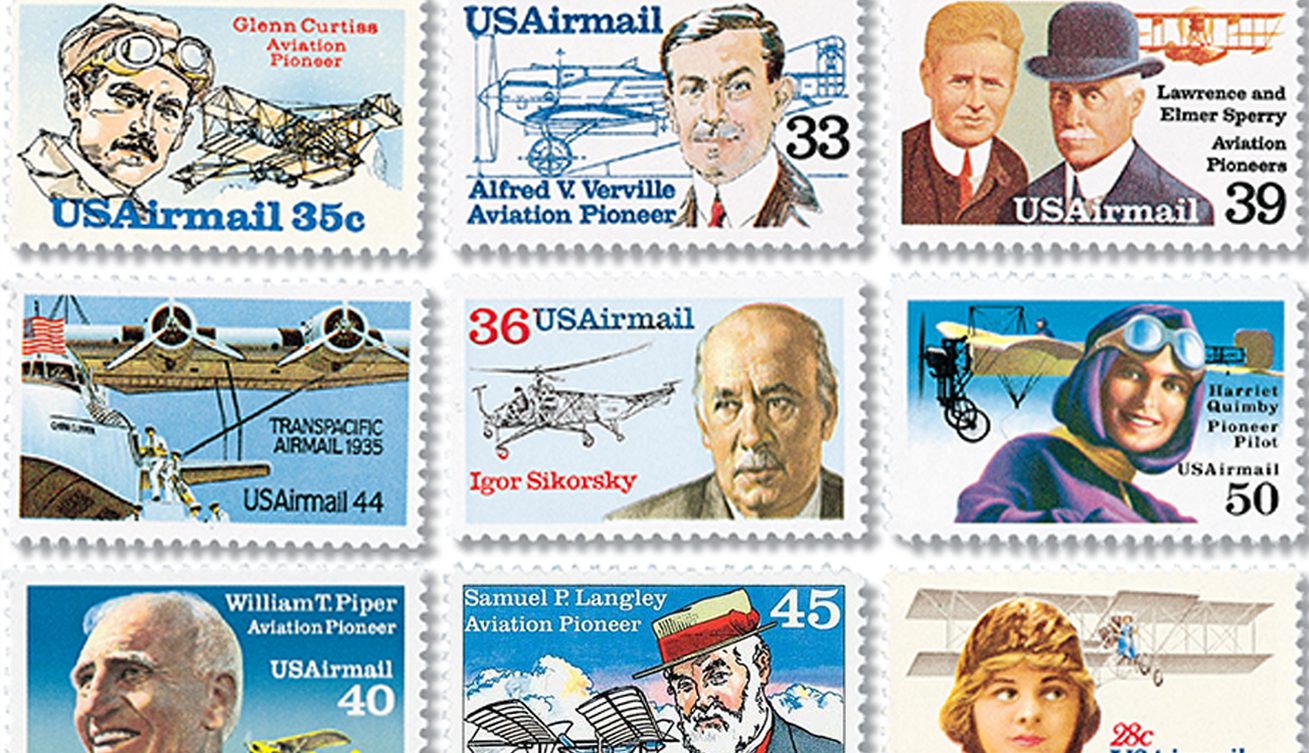
On September 23, 1978, the USPS issued the first stamps in its Pioneers of Aviation Series. The series would span more than 20 years and include 18 stamps honoring some of America’s most legendary aviators and their aircraft.