Victory Over Japan Day
On September 2, 1945, Japan formally surrendered to the Allies aboard the USS Missouri. This is celebrated as VJ in the US. Many other countries celebrate VJ Day on August 15, when Japan announced its surrender.
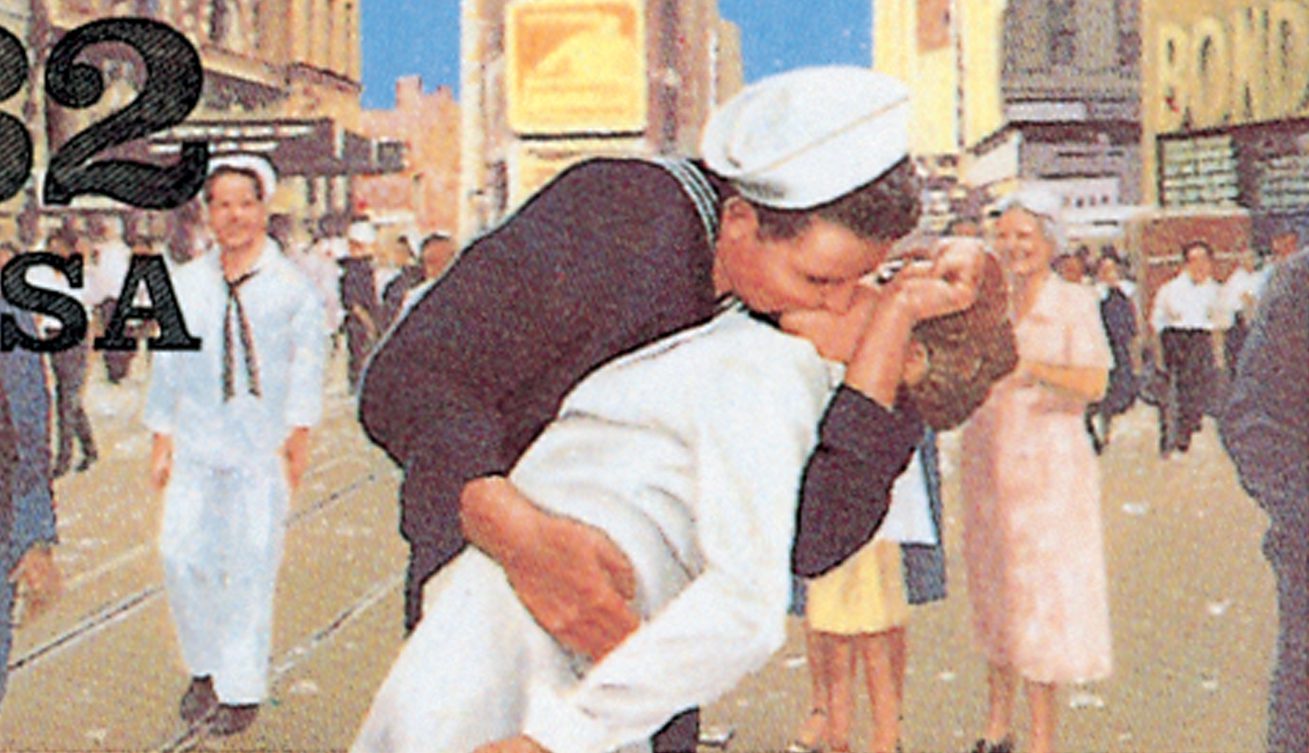
On September 2, 1945, Japan formally surrendered to the Allies aboard the USS Missouri. This is celebrated as VJ in the US. Many other countries celebrate VJ Day on August 15, when Japan announced its surrender.
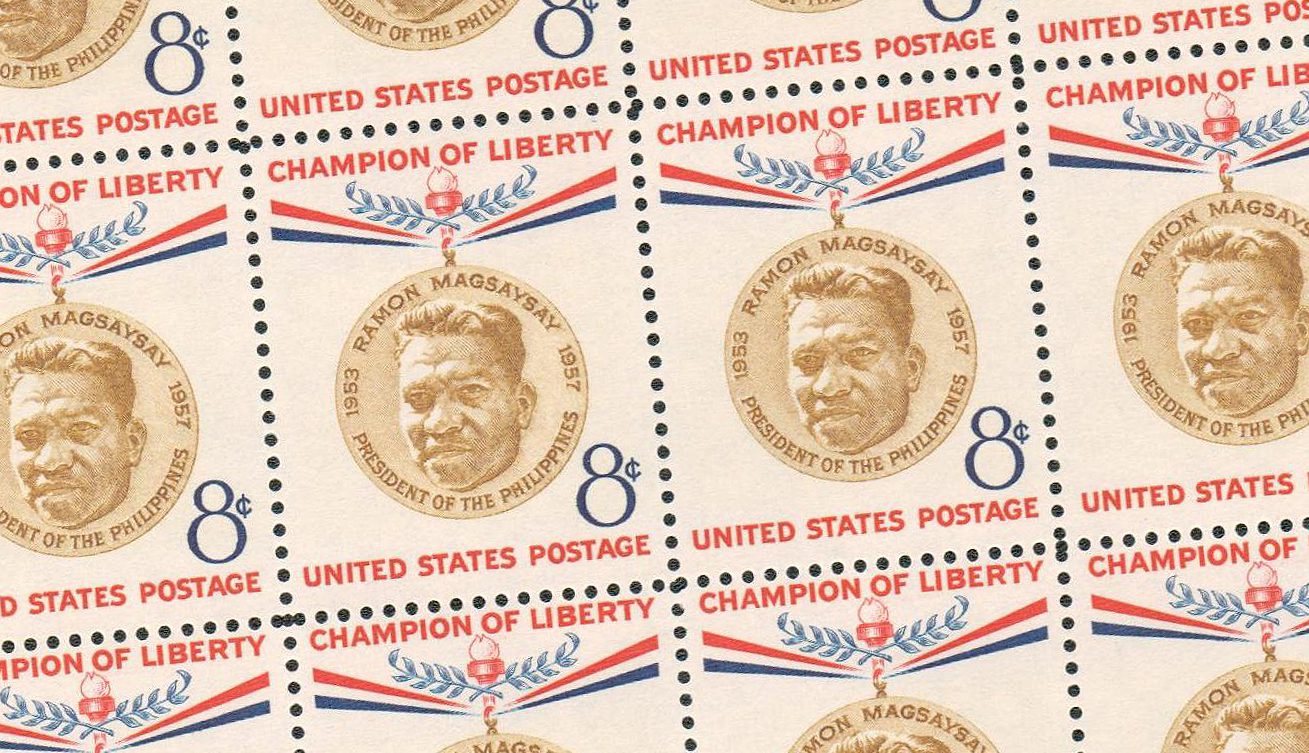
Ramon del Fierro Magsaysay Sr. was born on August 31, 1907, in Iba, Zambales, Philippine Islands. The Philippines’ seventh president, his administration was known for being free of corruption. He was later called the Champion of the Masses and the Defender of Democracy.
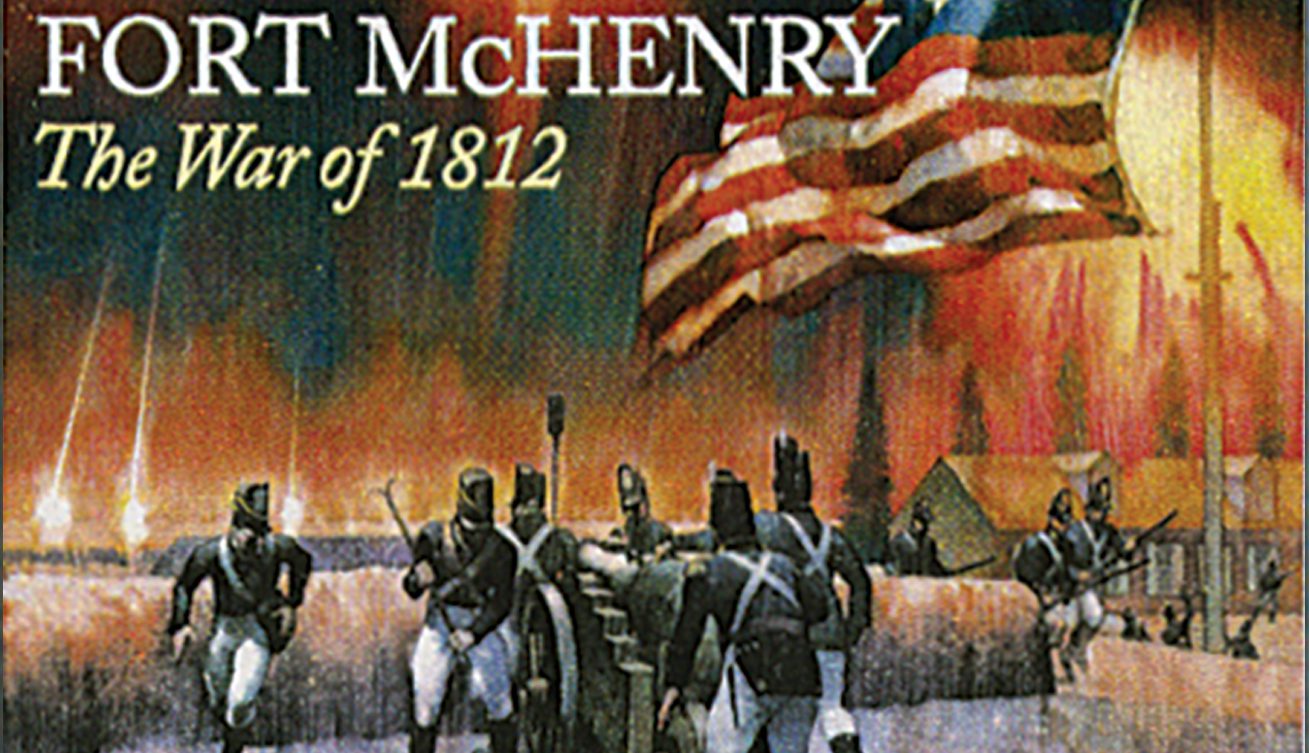
On August 11, 1939, Congress established Fort McHenry National Monument and Historic Shrine. The monument honors and preserves this historic fort where our national anthem was born. It’s also the only place in the National Park system to be designated a Historic Shrine.

On August 7, 1942, Allied troops landed on Guadalcanal, Tulagi, and Florida in the southern Solomon Islands. The Guadalcanal Campaign, also known as Operation Watchtower, was the Allies’ first major offensive against the Japanese Empire.
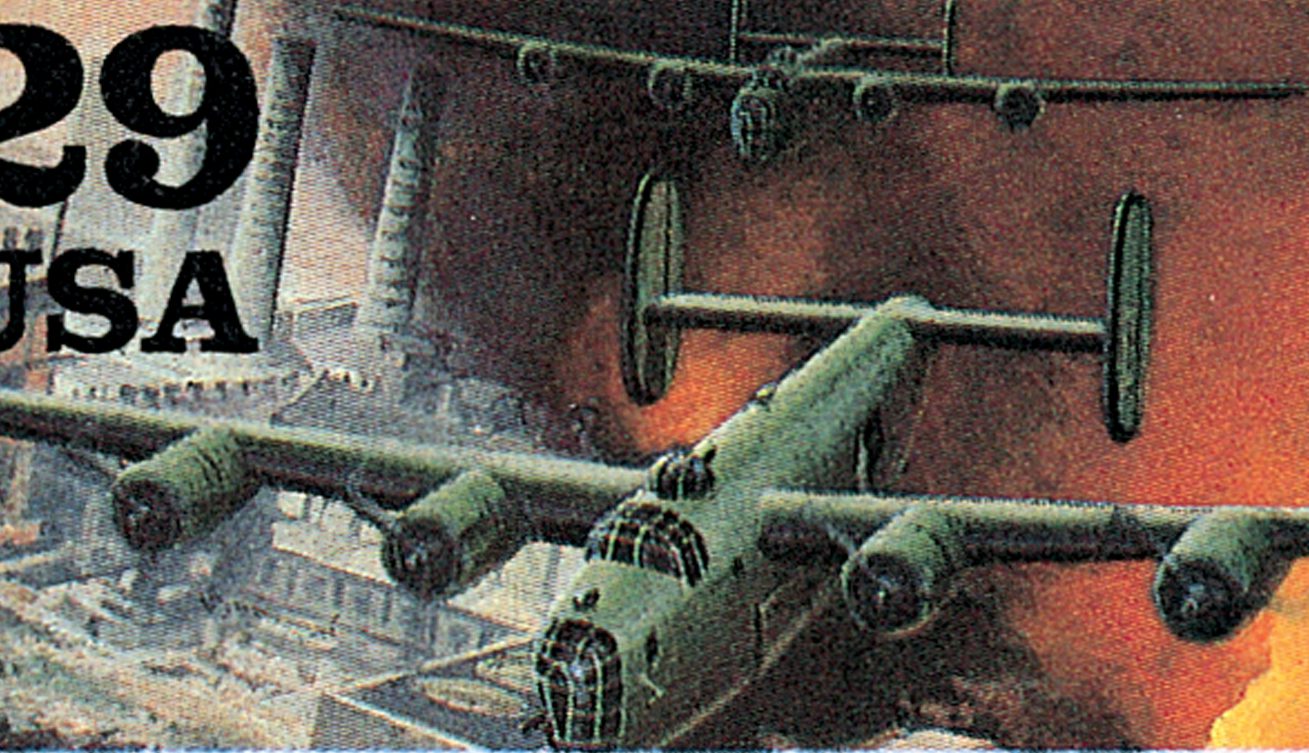
On August 1, 1943, US Army Air Forces bombed oil refineries in Ploesti, Romania. It was part of the Allies’ oil campaign, to cut off Germany’s petroleum supply during World War II.
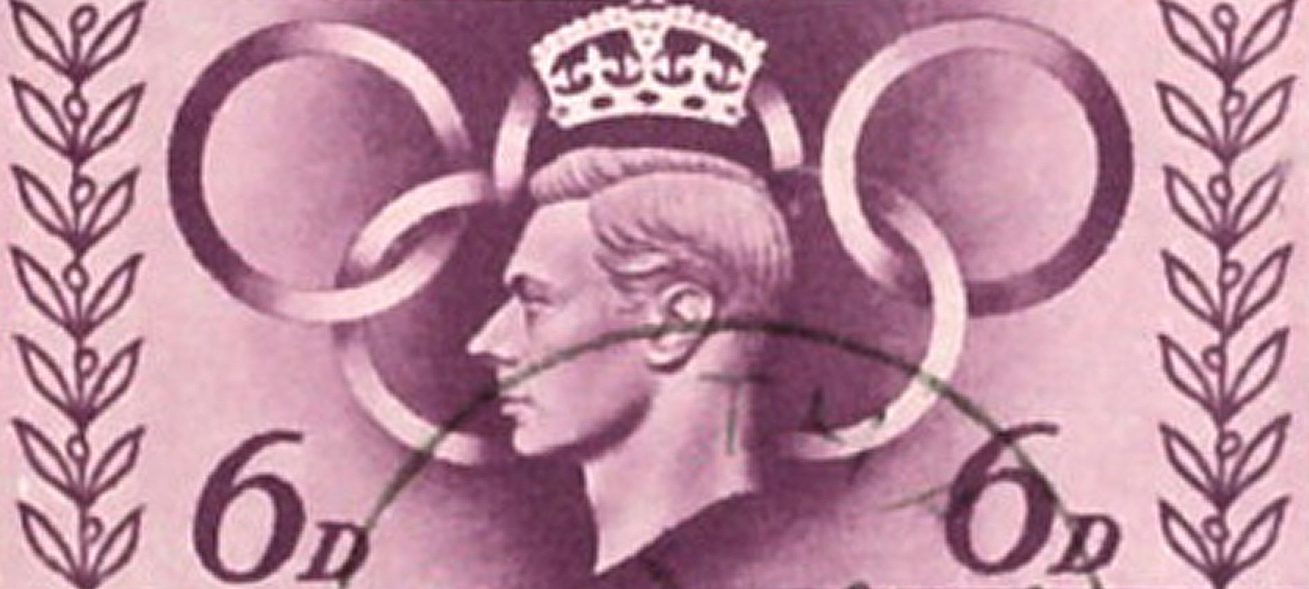
On July 29, 1948, London opened the Games of the XIV Olympiad. They were the first summer games held since Berlin in 1936, having been delayed due to World War II.
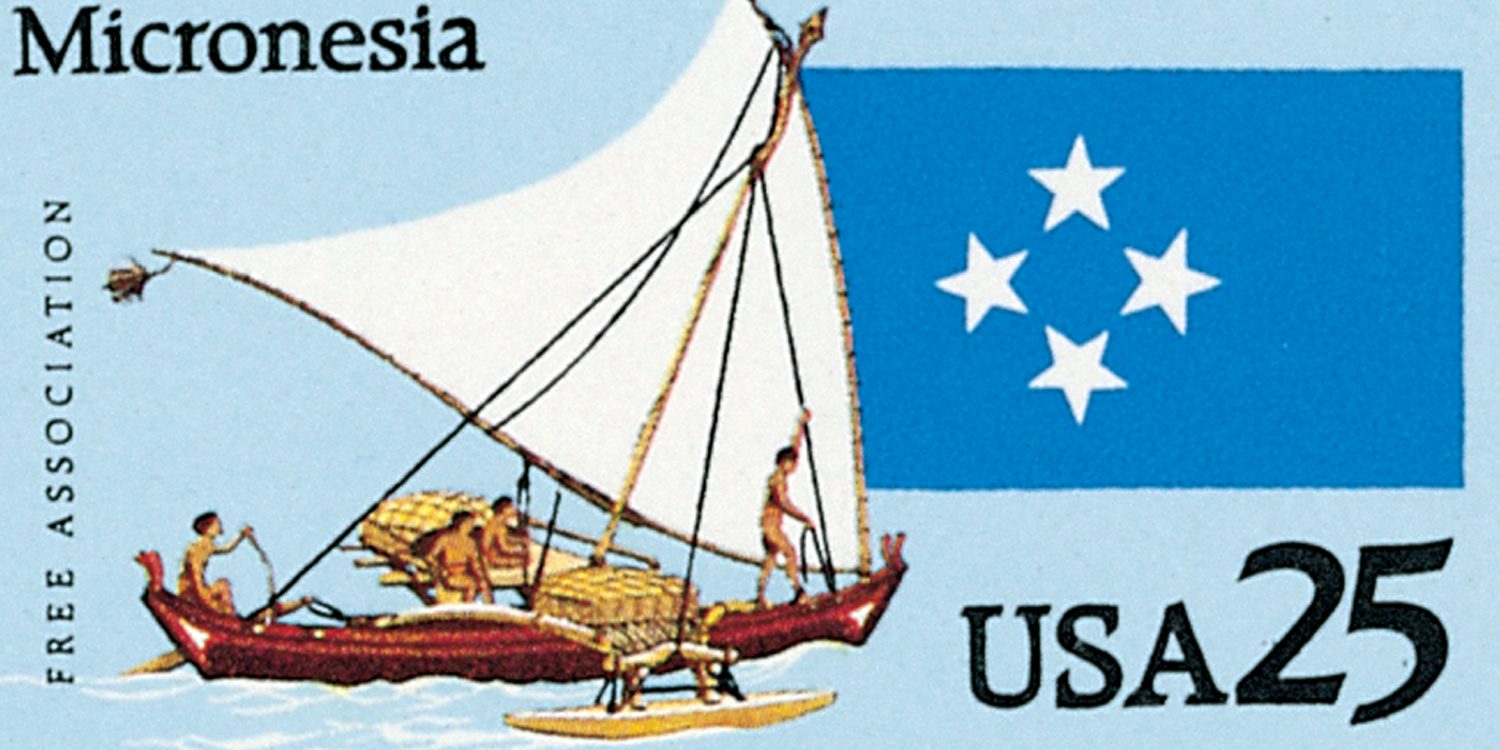
On July 18, 1947, the United Nations established the Trust Territory of the Pacific Islands (TTPI) to be administered by the United States. The TTPI was founded to help these small islands recover in the wake of World War II.
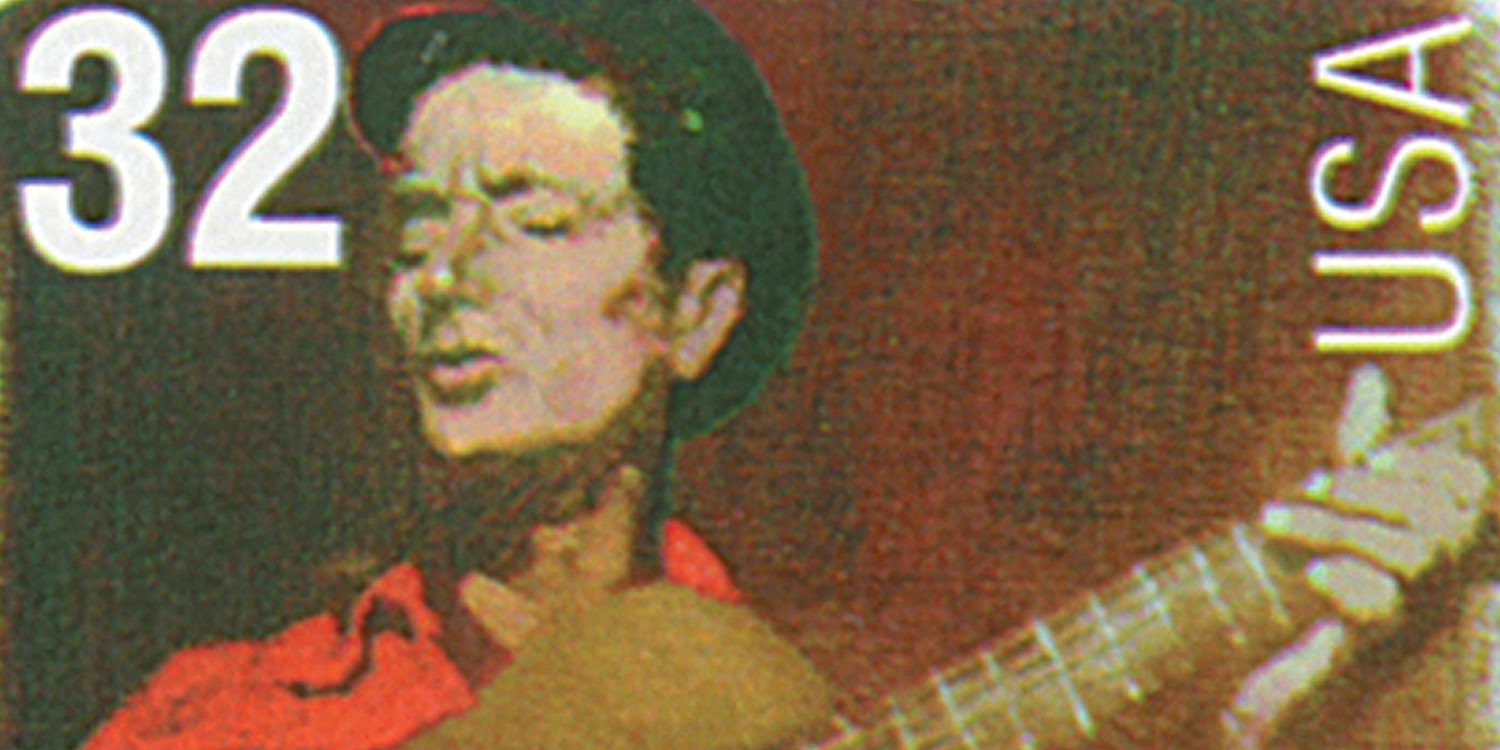
Woodrow Wilson Guthrie was born on July 14, 1912, in Okemah, Oklahoma. He was a major figure in American folk music, writing over 1,000 songs, including his most famous, “This Land is Your Land.”

On June 21, 1945, US troops captured Okinawa from the Japanese. It was the last major WWII battle in the Pacific and has been called the “typhoon of steel” for the fierce fighting, intense kamikaze attacks, and large number of Allied ships and vehicles that assaulted the island.