
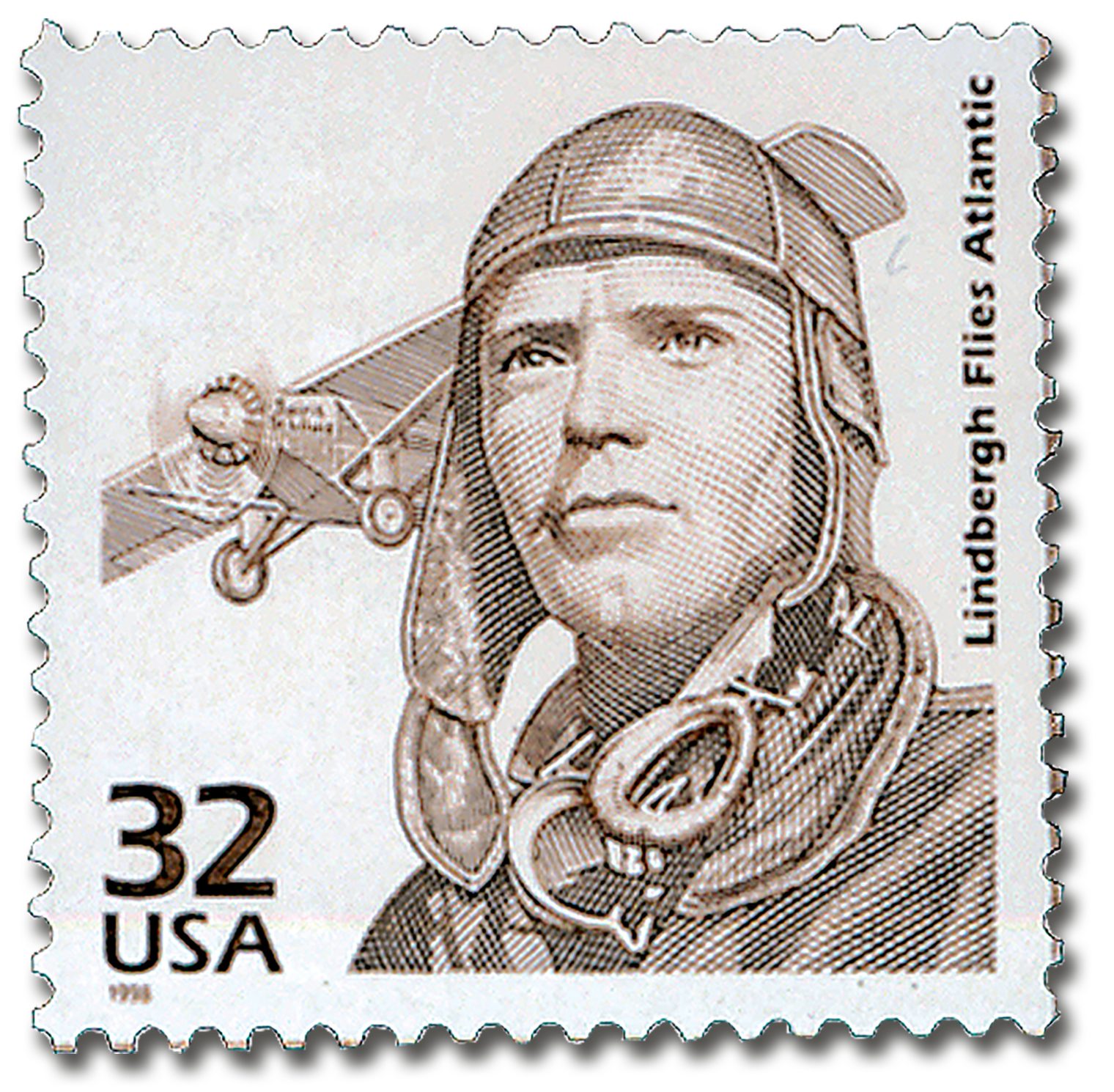
On April 15, 1926, Charles Lindbergh made his first airmail flight, launching a new contract route between Chicago and St. Louis. Just over a year later, that same young pilot would become world famous—but on this morning, he was focused on carrying the mail safely and on schedule.
When the US Airmail Service began in 1918, the Post Office Department handled all operations. Pilots flew under difficult conditions, often navigating by landmarks rather than instruments. By the mid-1920s, the government sought a more efficient system. In 1925, Congress passed the Kelly Act, formally known as the Contract Air Mail Act. This law allowed private companies to bid on airmail routes and carry mail under contract. It marked a major shift toward commercial aviation.
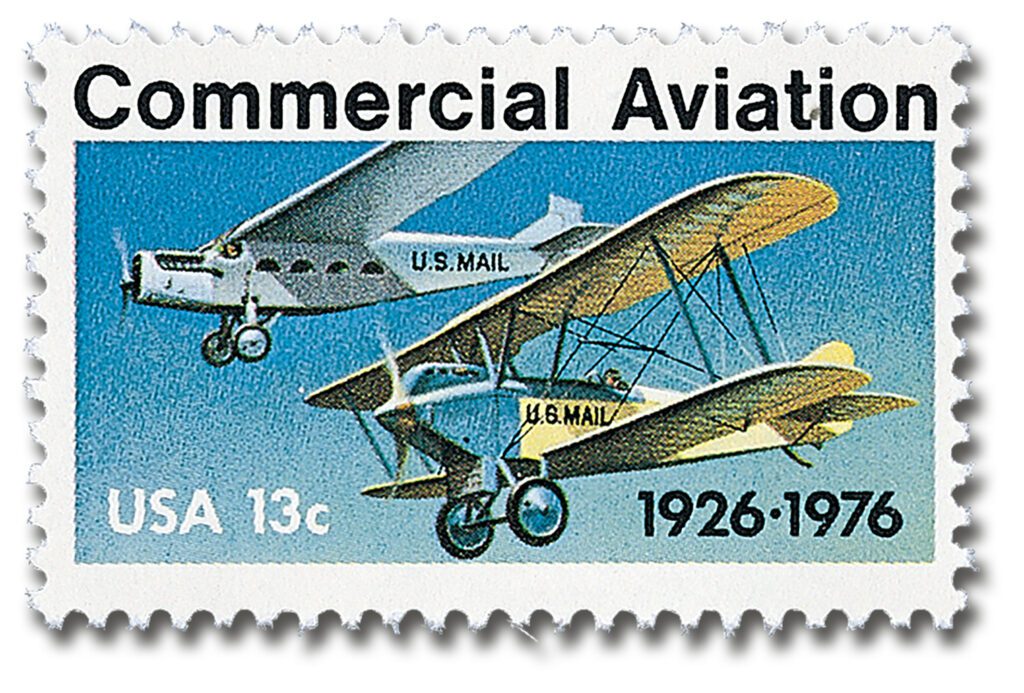
The first contract routes opened on February 15, 1926. These linked Detroit with Cleveland and Chicago. Soon after, the Robertson Aircraft Corporation secured a third route, known as Contract Airmail Route No. 2 (CAM-2). This 278-mile line connected Chicago and St. Louis, with intermediate stops in Peoria and Springfield, Illinois.
At just 24 years old, Charles Lindbergh was hired as the chief pilot. Though young, he already had strong experience. He had flown as a US Army Air Service reserve pilot and had logged many hours in demanding conditions. Before service began, Lindbergh took on the task of preparing the route. He personally surveyed the entire distance by air and ground. He selected landing fields in each city and helped organize local postal handling procedures.
Safety planning was critical. Lindbergh identified nine emergency landing fields along the route, spaced about 30 miles apart. These fields were often simple, open areas rather than developed airports. He also recruited two fellow Army pilots to share the flying duties, ensuring that the route could operate reliably.
In the days before the official launch, Lindbergh and his team flew test runs. On April 10, 1926, they completed final survey flights to confirm that navigation points, landing areas, and mail procedures were ready. These flights also drew public attention. Crowds gathered at landing fields to watch the planes arrive and depart.
At 5:50 a.m. on April 15, Lindbergh lifted off from Chicago, carrying 87 pounds of mail. Much of it consisted of specially prepared envelopes bearing commemorative cachets marking the first flight. These covers later became prized items for collectors.

The flight proceeded south in stages. Lindbergh first landed in Peoria, where he took on an additional 23 pounds of mail. He then continued to Springfield, adding another 93 pounds. Each stop required quick coordination between ground crews and the pilot to keep the schedule tight. Lindbergh reached St. Louis at 9:15 a.m., completing the route in just over three hours.
The return trip that afternoon showed how quickly public interest had grown. Pilot Phil Love departed St. Louis with 144 pounds of mail. Anticipating heavy demand, Lindbergh and another pilot also took off in separate planes, flying ahead to handle additional loads. In Springfield, large crowds had gathered. Together, they sent out 385 pounds of mail. After another stop in Peoria, the planes returned to Chicago by 7:15 p.m.

Lindbergh continued flying the route for about ten months. He worked five days a week, often in poor weather and with limited navigation aids. Flying at night was especially dangerous. On September 16, 1926, he ran out of fuel while approaching Chicago and had to parachute from his plane near Wedron, Illinois. His 4,000-foot descent was reported as the longest night parachute jump at the time. On November 3, he bailed out again after encountering severe weather and landed in a barbed wire fence, narrowly avoiding serious injury.
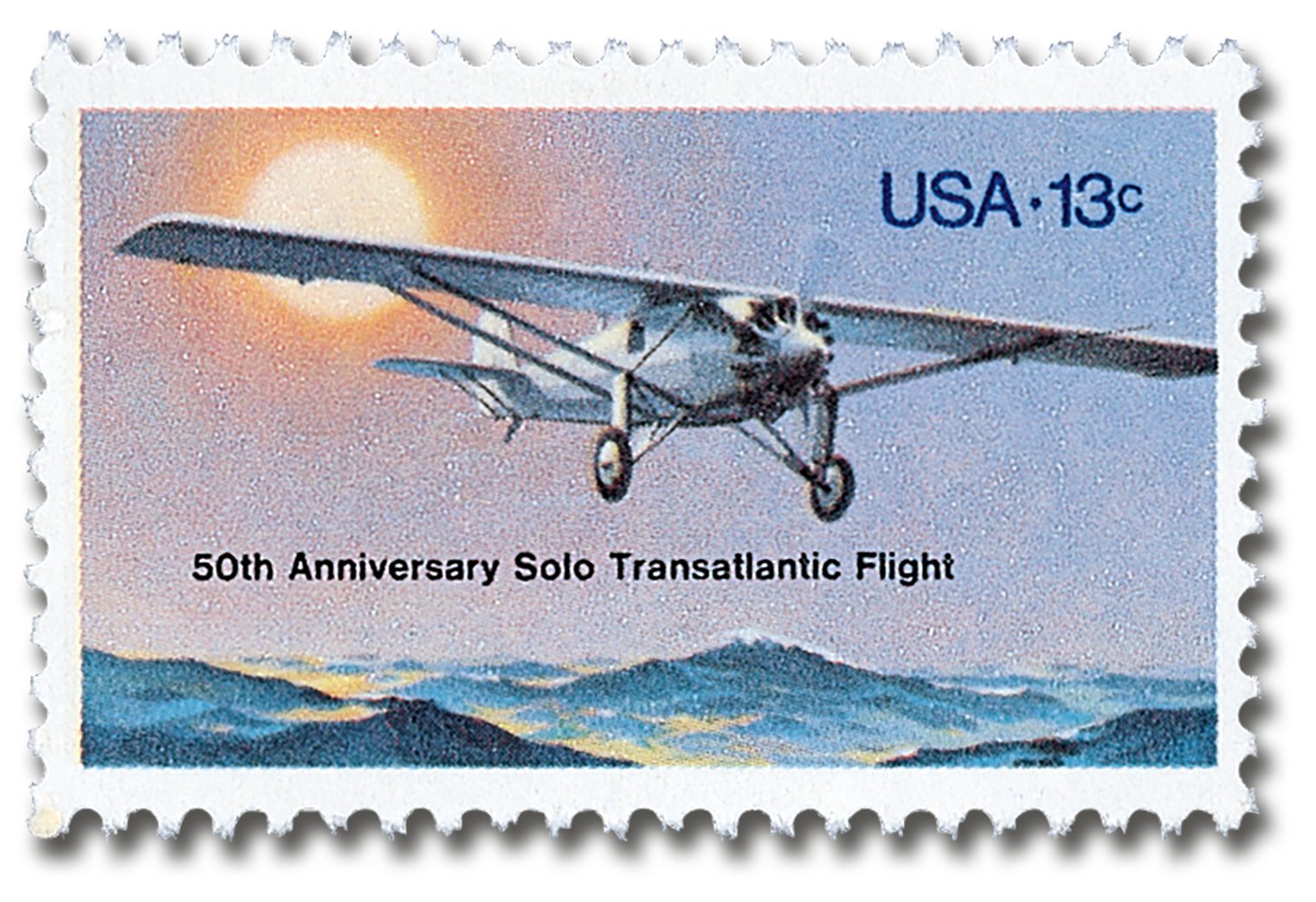
These experiences shaped Lindbergh’s skills and judgment. Airmail pilots were expected to maintain strict schedules despite risk. Their work helped prove that reliable, long-distance air transport was possible.
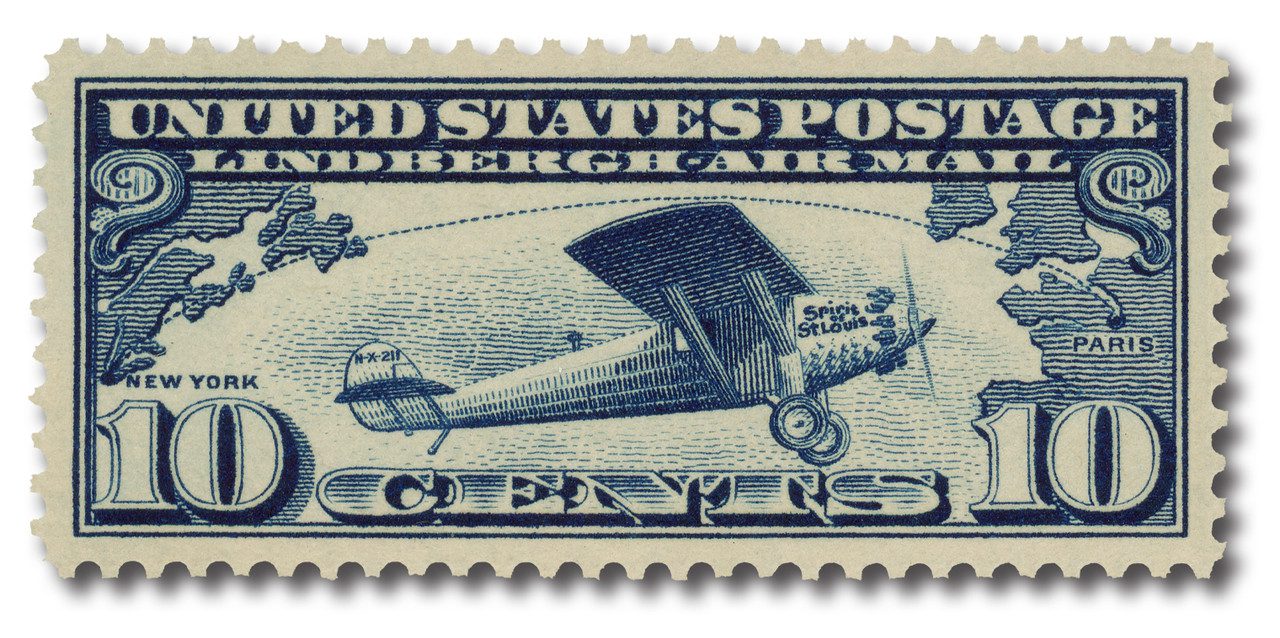
During this period, Lindbergh learned of a $25,000 prize offered by New York hotel owner Raymond Orteig. The award would go to the first aviator to fly nonstop between New York and Paris. The challenge drew international attention, but it also required careful planning and confidence in both aircraft and pilot.
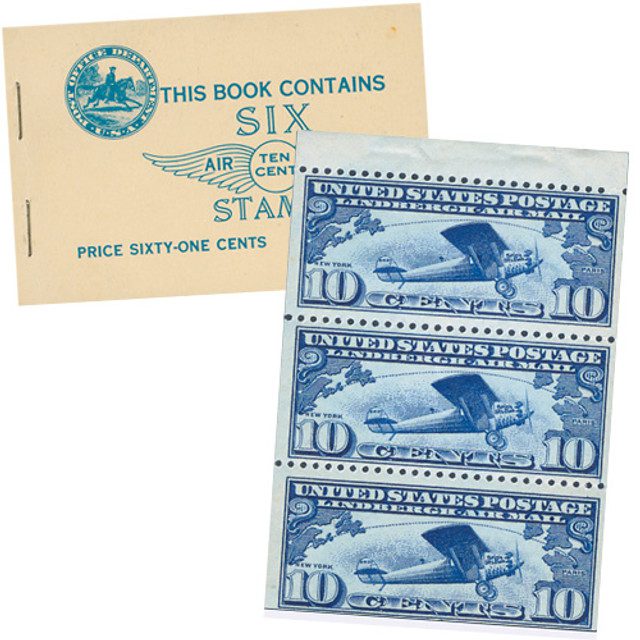
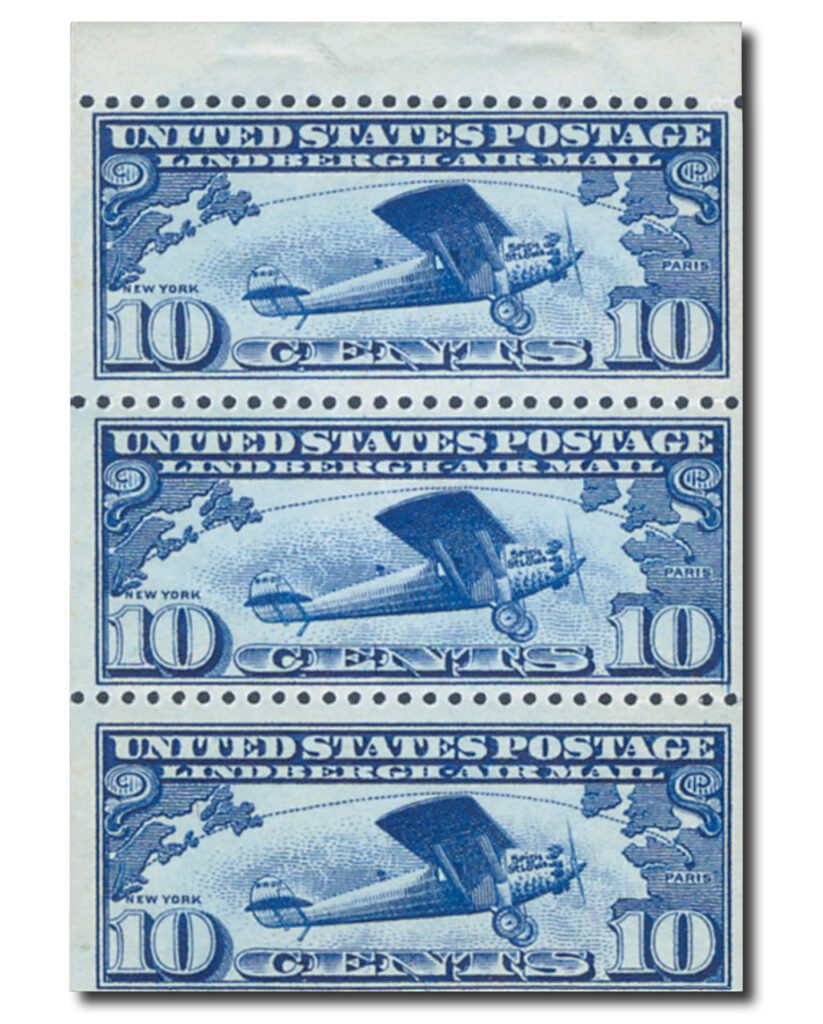
In May 1927, just over a year after his first airmail flight, Lindbergh completed that journey alone in the Spirit of St. Louis. His success brought him global recognition. Yet his earlier work on the Chicago–St. Louis airmail route had already demonstrated the discipline and endurance that made such a flight possible.
| FREE printable This Day in History album pages Download a PDF of today’s article. Get a binder or other supplies to create your This Day in History album. |
Discover what else happened on This Day in History.
Thanks Mystic. Nice reading about early pioneers in airmail delivery.
Wow, that was a lot of weight for back then. Lots of letters or catalogs?
What happened to the planes and mail he jumped out of?
According to charleslindbergh.com…
First bailout, “The plane crashed about two miles from where Lindbergh landed, but the mail was undamaged, recovered, and delivered.”
Second bailout, “Mail, much of it oil-soaked, was recovered from the wrecked airplane and delivered.”
Great History !!!!
Thank you so much for this story. I will share it with the members of the Rossmoor Stamp club.
It is the policy of the US Post Office to retrieve and deliver any kind of mail that ended up like these situations. They will even do so if the mail is tattered. I love to read about Charles Lindbergh’s exploits in aviation. I am sorry that he got mixed up in politics because he was a little naive for that milieu and it sullied his record.
Politics can be brutal, but many Americans opposed the war in Europe and the Far East. It took a tragic event like Pearl Harbor to unify Americans, and Charles Lindbergh and others who opposed the war were the first to join in the fight against the aggressors. The War Department denied Lindbergh’s request for aviation service in the Army Air Corps. As a private citizen, he designed planes and tested the use of oxygen masks on high-altitude flights. Unofficially, he took part in military actions in the Far East without the War Department’s knowledge. In my opinion, Lindbergh did not receive a second chance for redemption. Yes, politics can be brutal.
Pretty sure he spoke truth to power. A courageous man indeed!
I look forward to my daily stamp history email. I love it!!!
Wonderful historical write up! Extra special with the stamps and First Day covers. Thanks
So enjoy the stories behind the stamps. Learning facts never taught and bringing history alive.
He sure went through some aircraft, didn’t he?
Dear Ms Pauline Hartman
You mention “Rossmoor”. Is this the: Rossmoor Leisure World retirement
community? If it is, I would like to know a little about it. I believe that the
Catholic Priest that married my wife and I, may be living there. I saw him
ones and he told me he may be retiring to that location, since his mother lives there. She may have passed on by now. The priest’s name: Father William Saunders. My name: Manuel Shelton. My email: manuel_shelton@yahoo.com
I have an envelope from that first flight. I wonder what it might be worth.
What ever you can get
Lindberg’s flying accomplishments are deeply stained by his antisemitic actions as WWII was breaking out. His “America First” group cost thousands of Jewish the opportunity to get out of Germany. This is almost certainty why his achievements are not being put on a stamp this year.