
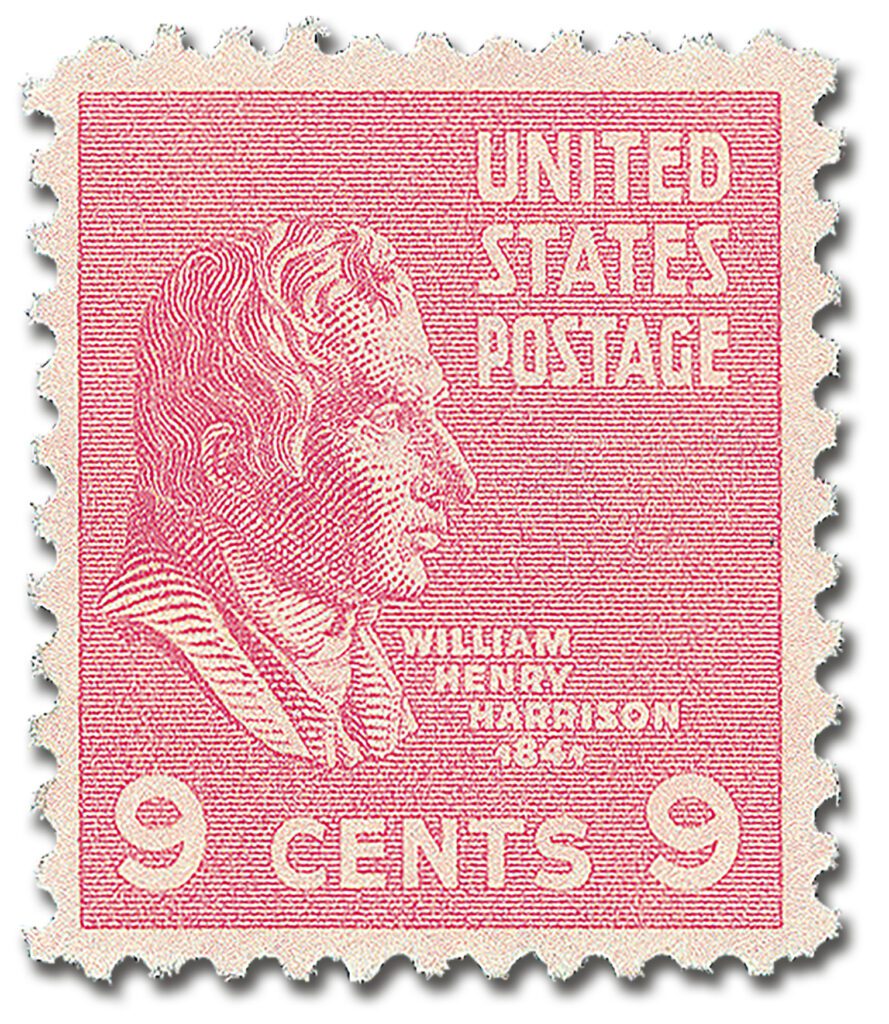
On April 4, 1841, President William Henry Harrison died of pneumonia, just one month after his inauguration. His sudden death ended the shortest presidency in US history and raised immediate questions about presidential succession.
William Henry Harrison was born on February 9, 1773, in Charles City County, Virginia. He was the last US president born as a British subject. His father, Benjamin Harrison V, signed the Declaration of Independence and served as governor of Virginia. Harrison grew up in a politically active household but did not follow a direct path into public life.
At age 14, he attended Hampden-Sydney College. His father later removed him, partly due to concerns about his associations and interests. Harrison then studied medicine at the University of Pennsylvania, but he found the profession unappealing. After his father died in 1791, he could no longer afford school. A family friend, Governor Henry “Light-Horse Harry” Lee, encouraged him to join the army. Within a day, Harrison was commissioned an ensign in the US Army.
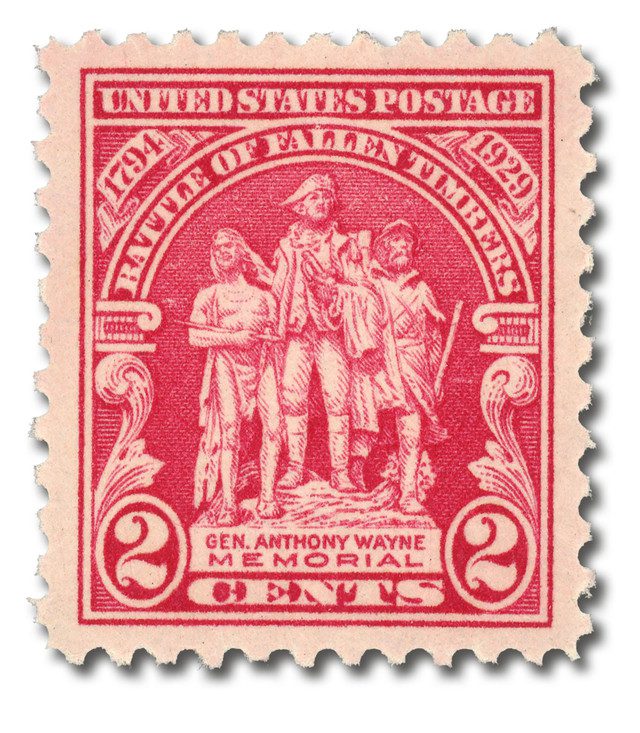
He began his military career on the frontier during the Northwest Indian War. Serving under General Anthony Wayne, Harrison gained experience in discipline and command. He played a role in the American victory at the Battle of Fallen Timbers in 1794. That victory led to the Treaty of Greenville the following year, which opened much of present-day Ohio to American settlement.

Harrison left the army in 1797 and moved into public service. He became Secretary of the Northwest Territory and later its delegate to Congress. Although he could not vote, he helped shape policy. His Harrison Land Act allowed settlers to purchase land in smaller, more affordable parcels. In 1800, he helped organize the division of the territory into Ohio and Indiana.
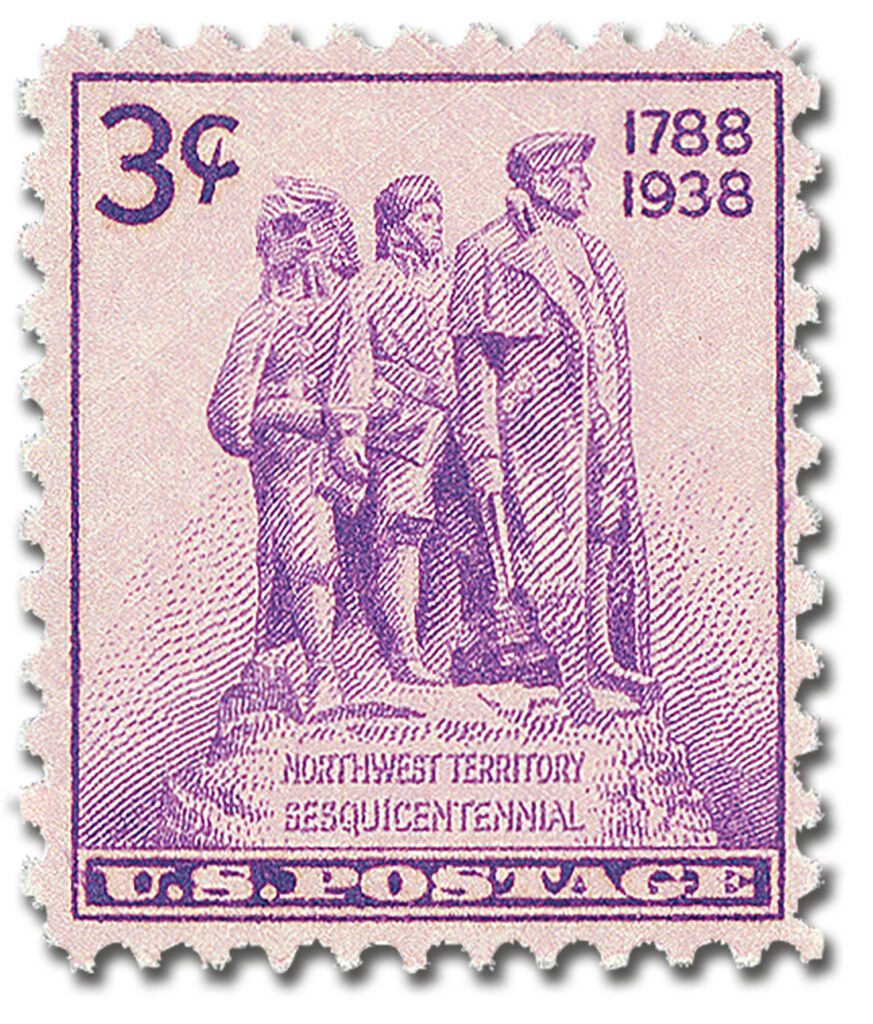
President John Adams appointed Harrison governor of the Indiana Territory. In that role, he negotiated a series of treaties with Native American groups, acquiring over 60 million acres for US settlement. Many Native Americans rejected these agreements, which increased tensions across the region.
Resistance grew under Shawnee leaders Tecumseh and his brother Tenskwatawa. They argued that no single tribe had the authority to sell shared lands. In 1811, while Tecumseh was seeking allies, Harrison led US forces against Tenskwatawa’s followers near the Tippecanoe River. The Battle of Tippecanoe ended in a US victory, though both sides suffered losses. Harrison’s role earned him the nickname “Old Tippecanoe,” which later became central to his political image.

During the War of 1812, Harrison commanded American forces in the Northwest. He recaptured Detroit from the British and led troops into Canada. In 1813, his army defeated British and Native forces at the Battle of the Thames. Tecumseh was killed in that battle, weakening Native resistance in the region. After disputes with the Secretary of War, Harrison resigned his command but was later recognized by Congress for his service.
In the years that followed, Harrison held several public offices. He served in the US House of Representatives, the Ohio State Senate, and the US Senate. In 1828, he was appointed Minister to Colombia. There, he warned US officials that political instability threatened the country’s future. He also expressed concern about Simón Bolívar’s growing authority. President Andrew Jackson later recalled him to the United States.

Harrison returned to private life for a time, including operating a distillery, before re-entering politics. He ran for president in 1836 but lost. In 1840, he ran again as the Whig candidate against President Martin Van Buren. His campaign emphasized his military record and portrayed him as a frontier hero. Opponents mocked him as a man better suited to a log cabin than the presidency. Harrison turned that criticism into an advantage. Campaign materials featured log cabins and hard cider, presenting him as relatable to ordinary voters. His slogan, “Tippecanoe and Tyler Too,” highlighted both his past and his running mate, John Tyler. Harrison won the election in a decisive Electoral College victory.
He traveled to Washington, DC, by train for his inauguration on March 4, 1841, becoming the first president to do so. The weather was cold and windy, yet Harrison chose to ride in the parade and deliver his inaugural address without a coat or hat. His speech, at 8,444 words, lasted nearly two hours and remains the longest inaugural address on record. In it, he outlined plans to reform government practices, limit executive power, and address financial issues, including the future of a national bank.
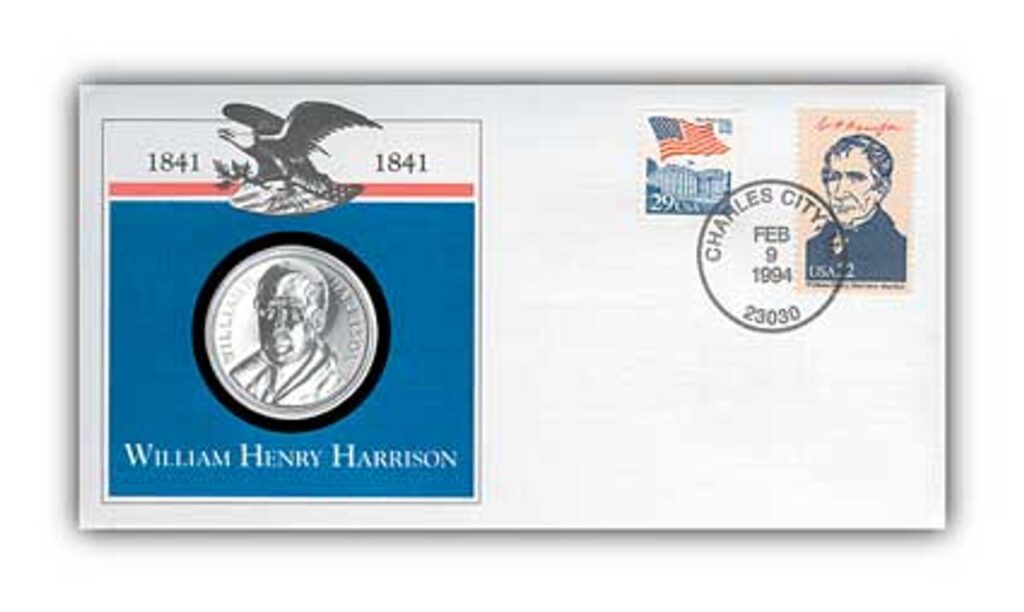
Within weeks, Harrison fell ill. He developed pneumonia and died on April 4, 1841. His reported final words were directed to Vice President John Tyler, urging him to uphold the principles of the government. Harrison became the first US president to die in office. His term lasted just 30 days, 12 hours, and 32 minutes.
His death set an important precedent. John Tyler assumed the full powers of the presidency, establishing a practice that would later be formalized in the Constitution.
| FREE printable This Day in History album pages Download a PDF of today’s article. Get a binder or other supplies to create your This Day in History album. |
Discover what else happened on This Day in History.
Do not care for the new format of multiple stories in one day. Hope you keep the one daily in depth article “This Day in History”.
Agree. I like the in-depth stories.
Read these every day. Love them. Like the blend of history and U.S. stamps. Enjoyed this one on William Henry Harrison. Also, 23rd President Benjamin Harrison was William Henry Harrison’s grandson.
Agree with Mr. Shea, Very much enjoyed the article on Harrison today, but did not like the multiple article approach.
It’s better you have three different links rather than all links lead to one. Some may say the long read for multiple stories a day is more than they can handle. I say bring it. Those who want simple, think of it as a historian’s buffet where you can actually choose what you want to read. The more you know the more you know. Thanks and have a great day!
Why do leaders who were able to defeat and manipulate Native Americans always seem to be shown as such heroes? Why don’t the Native leaders who were really just defending their prior rights to the land never get shown as the heroes they were? White is still all right I guess.
it is history and you can’t turn back the clock
I am of both a Native American and European heritage. I am also a retired Soldier and professor. American Indians, like native Hawaiians, did not have a concept in their cultural norm for ownership of the land. Each tribe had their traditional hunting and lodging grounds that often overlapped and territory con located with the claims of other adjacent tribes. Those conflicts caused wars between the tribes, which often included stealing women and children and captured warriors being slaves who could then be traded for horses, weapons, hunting and fishing rights, other women, etc. When European settlers encroached on their hunting and fishing lands they usually reacted similar to another tribe, with white settlers killing all the game and unlike the Indians, not moving on to new hunting grounds. The white men brought diseases to the Indians who had no immunities to deadly diseases. Many of the tribes continued moving West ahead of the white settlers. But eventually they fought back and viciously in horrendous ways that earned them the reputation of being savages often torturing their captives for days before killing and often eating parts of their victims. Although their weapons were no match for firearms their style of warfare violated European and American values creating fear and hatred toward native Americans. US federal, state, and territorial policy supported Manifest Destiny the expansion of White ruled America across the continent. Militia and the US Army became the means of defense against Indian attacks and the strategies adopted resulted in sustained offensives fought against resisting Indian tribes. Disease, starvation, warfare resulted in genocide. The men who volunteered to lead the fight against the Indians and were successful tactician warriors became heroes first within their units, then through publicity in newspaper accounts of their bravery and daring successes. Virtually all of our Governors, Senators, and Presidents up through President Daddy Bush were war heroes. The native Americans were the losers. Only in the past4 decades have some of their leaders have become heroes in contemporary times. If your family who were living on a small subsistence ranch in Texas were attacked by Indians , your father killed and both scalped and his heart cut out and eaten while your little brother was roasted over a fire while alive and your mother gang raped before being disfigured and dismembered in front of your younger sister. And she was beaten and carried off to be a slave to Kiowa squaws until she reached puberty to be traded to braves as their wives, then you might understand how Americans learned to fear and hate Indians almost to their extinction.
Harrison is seen as an insubstantial figure of history because he wasn’t a distinguished politician beforehand. But he did have decent record of service in elective and appointive office, as well as his military service. Harrison, the son of a signer of the Declaration of Independence, was something of a Founding Father himself; he settled in Ohio and was the first territorial governor of Indiana. In short, he was instrumental in getting the Midwest up and running. Yes, he established fame as an Indian-fighter at the Battle of Tippecanoe, but unlike Andrew Jackson, Harrison was not an Indian-hater, and when someone called him that, he sued for slander . . . and won.
I love history, and wrapped around my new hobby, stamp collecting, is great. I enjoyed this article very much.
I agree. This selection is much too long. Overload of information.
Great Article…lots of information; love it. If you have the time to write it, I will read it.
It was very nice to see an in depth story on a not well known President. However, one correction: an aide de camp is NOT a camp assistant. The aide de camp is an honored and distinguished position reserved for the most outstanding junior officer hand picked by the general or admiral whom they serve. It is analogous to being in an executive development program, learning from the decisions and actions of the boss as you act as their executive secretary taking notes for important meeting, issuing orders on their behalf to subordinate commanders, scheduling the boss’ time and travel arrangements, being mentored by the general to someday be a general yourself. Most every famous military leader in American history was an aide when they were junior officers. They often are called horse holders or horse handlers and sometimes dog robbers in military slang.
Good to know a little more about a president who’s known mainly for the misfortune of dying so soon after his inauguration.
In this country we have freedom of choice, if you don’t like it, don’t read it. I hear you complain constantly that todays education system isn’t up to the task and why don’t they have things like this in school and then you turn around and complain that Mystic is putting up too much information. There is no such thing. There is only too little information. By the way, if more than one thing took place on a certain day do you leave out one or two??? Who makes that choice. I wouldn’t want to. It’s already happened and you can’t change the past so live with it, quit whining and learn a thing or two or three.
Well said Thomas, I agree.
A GREAT history lesson, and introduction to President William Henry Harrison, who sadly died within a month following his election. He may have served as a really fine American president but history is history. Just keep your interesting and informing history lessons coming, Mystic !! And, thank you !!