

On January 22, 1901, Queen Victoria—the longest-reigning British monarch of her era—died after more than six decades on the throne, closing a chapter that reshaped Britain and the modern world. Her life and reign were so influential that her image would go on to appear on countless postage stamps, helping establish a tradition that continues with British monarchs today.
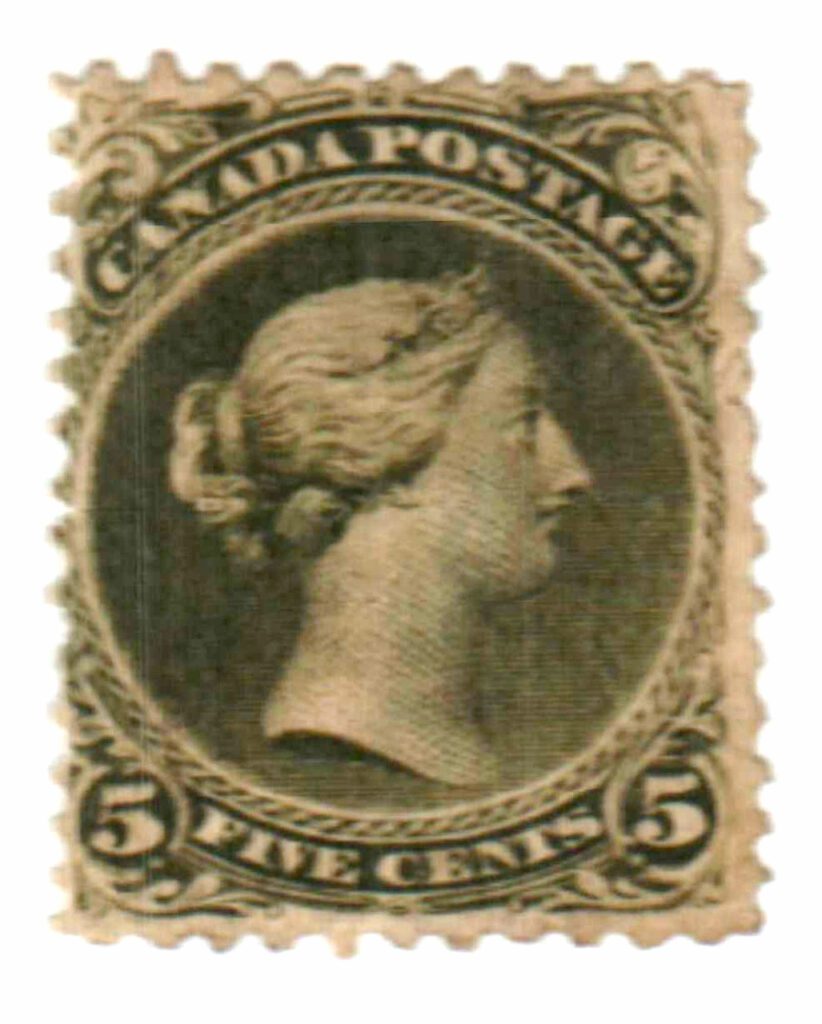
Queen Victoria was born on May 24, 1819, at Kensington Palace in London. She was the daughter of Edward, Duke of Kent, and Victoria, Princess of Saxe-Coburg of Germany. Baptized Alexandrina Victoria in honor of her cousin, Tsar Alexander I of Russia, she was known as “Drina” within her family. Although German was her first language, she also learned English and French, preparing her for a future she did not yet know awaited her.
Victoria’s path to the throne was unexpected. Her father died when she was just eight months old, and she grew up sheltered under strict supervision. When her uncle, King William IV, died in 1837, Victoria became queen at only 18 years old. Despite her youth, she approached her role seriously and quickly earned respect. Her coronation marked the beginning of a reign that would define an entire age—the Victorian Era.
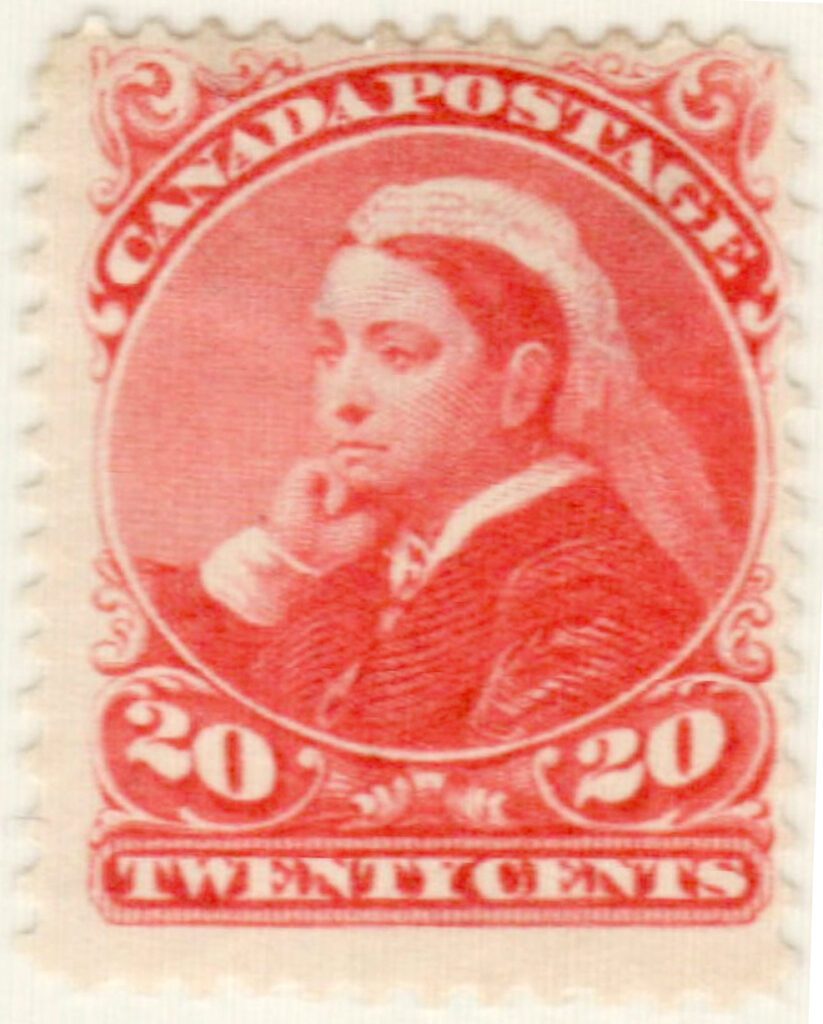
Three years later, Victoria married her German cousin, Prince Albert of Saxe-Coburg-Gotha. Their marriage was unusually close and loving for a royal union, and together they had nine children: four sons and five daughters. Albert became her most trusted advisor and supporter. His death in 1861, likely caused by typhoid linked to poor sanitation, devastated the queen. Already grieving the loss of her mother just months earlier, Victoria withdrew from public life and entered a long period of seclusion. She wore black for the rest of her life and avoided many public appearances for nearly 20 years.
Despite her withdrawal, Victoria’s reign remained a time of major change. Britain was facing rapid industrialization, urban growth, and rising demands for political reform. Across Europe, monarchies were collapsing as revolutions and class conflict increased. In this unstable environment, Victoria helped preserve the monarchy by redefining its role. While her direct political power declined as Parliament grew stronger, her influence increased in more subtle but lasting ways. She helped establish the modern rights of the Crown: to be consulted, to encourage, and to warn.
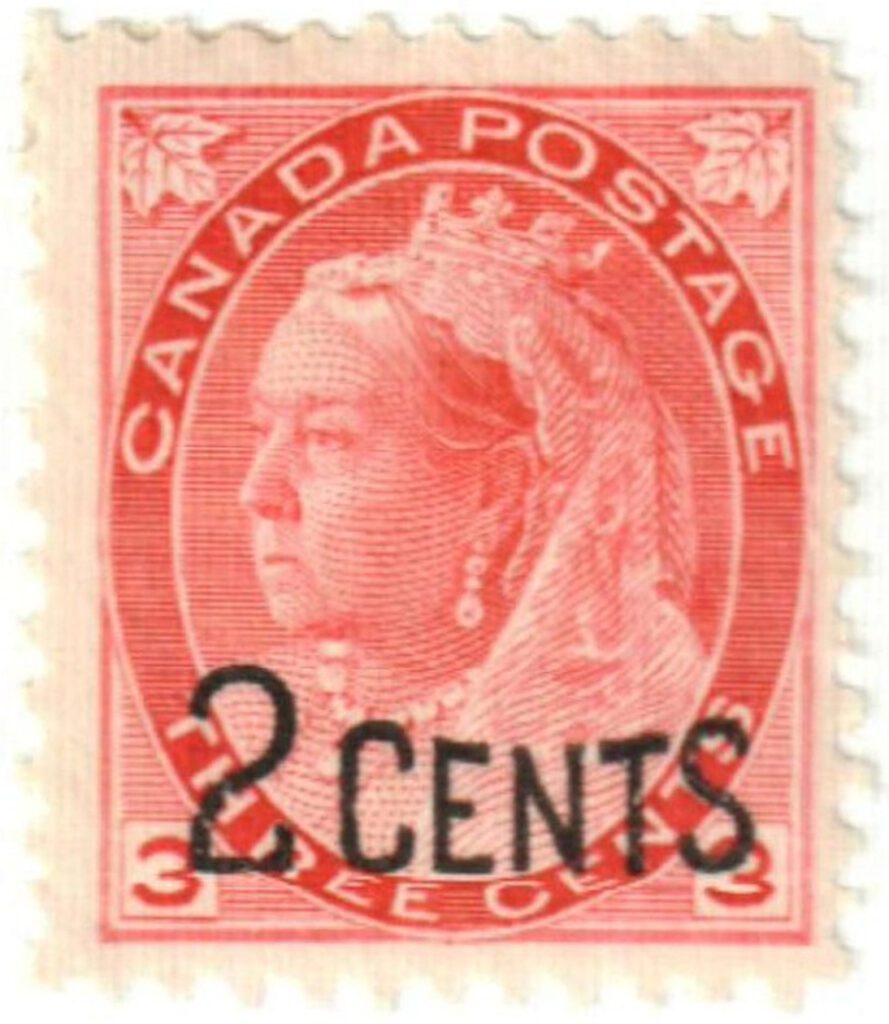
Victoria’s honesty, sense of duty, and personal morality earned her the respect of the British people. She often acted as a steady presence during political disputes and played an important role in foreign policy discussions. Her long reign provided continuity at a time when society was changing rapidly.
In 1887, Victoria celebrated her Golden Jubilee, marking 50 years on the throne. Nine years later, she surpassed her grandfather George III as the longest-reigning monarch in British history. She chose to celebrate that achievement in 1897 during her Diamond Jubilee, commemorating 60 years as queen. These celebrations highlighted not only her longevity but also the global reach of the British Empire.
Queen Victoria died on January 22, 1901, at Osborne House on the Isle of Wight. She left behind a monarchy restored in popularity and dignity, as well as 37 great-grandchildren who would spread royal connections across Europe. In keeping with her wishes—she disliked black funerals—London was decorated in purple and white. In a rare international tribute, US President William McKinley ordered American flags flown at half-staff, the first time this honor was given to a foreign monarch.
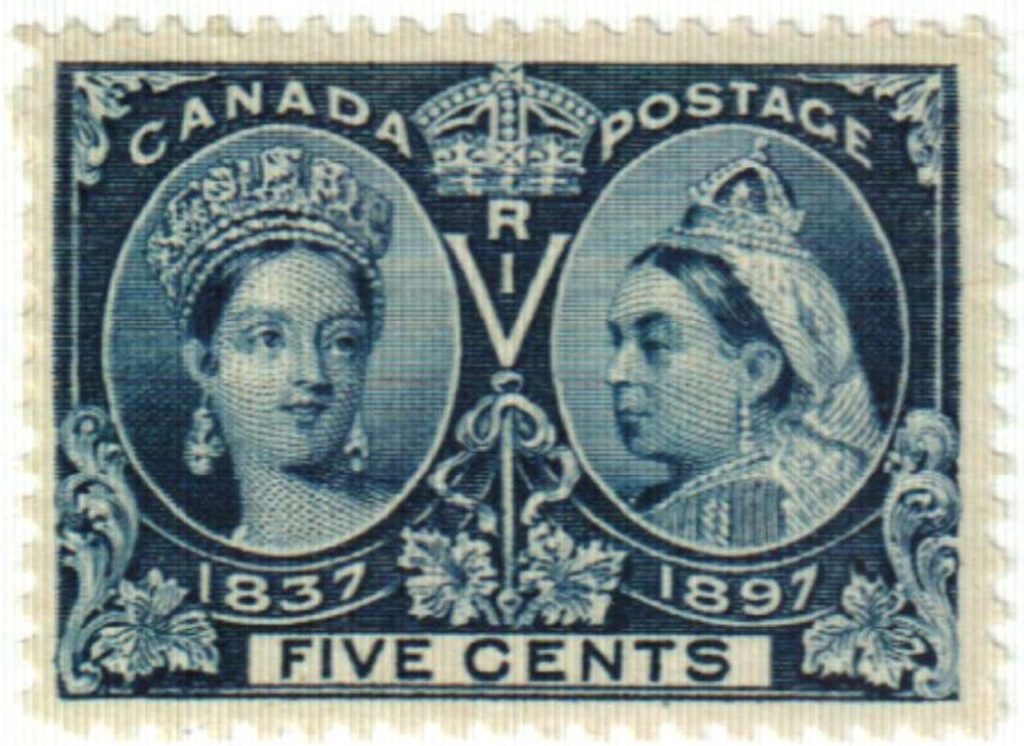
Victoria reigned for 63 years, seven months, and two days, holding the record for over a century until her great-great-granddaughter, Queen Elizabeth II, surpassed it. Victoria also left a lasting legacy in philately. Her portrait appeared on some of the world’s earliest postage stamps, beginning with Britain’s Penny Black in 1840. These stamps helped establish the tradition of featuring reigning monarchs on postage—a practice that continues today, linking modern stamps to Victoria’s enduring image and influence.
Click here for more Queen Victoria stamps and click here for more Great Britain stamps, including many early issues that picture Queen Victoria.
| FREE printable This Day in History album pages Download a PDF of today’s article. Get a binder or other supplies to create your This Day in History album. |
Discover what else happened on This Day in History.
Fascinating!!
I have a world wall map with the black penny stamps commemoratives of the 100th and the 150th yeas emission from many countries, a lot of them from the BCW
4 Mr sandman (?) I was interested in a perfvguageb but sinveci found some in the clutter (?), I will not need to order oneThe half pound , ordered and received, may justvgo into the garbage.
Started soaking it, we sorting it, started on arrived 3 pound newly used, ’18 stamps used on only shippments. 25 diff countries, from algeria, to un, NYC some are really nice my printedused, AND NOW soaked and sorted. WISH I HAD ACCESS TO NEWEST EDITION OF SCOTTSO AS TO CORRECTLY IDENTIFYV
As there is now a television series on Victoria, this information is most timely. Thank you!
I now have a text on British History (1815-1906) by Norman McCord that will get more attention.
When I click on the stars to rate the article, nothing happens. I have one question, what historical personage has the record for the most stamps issued with his/her face. The answer to this question will settle a bet. Thanks for providing these short articles explaining the background of various stamps.
As usual, a very interesting and fact-filled article. Thank you.