
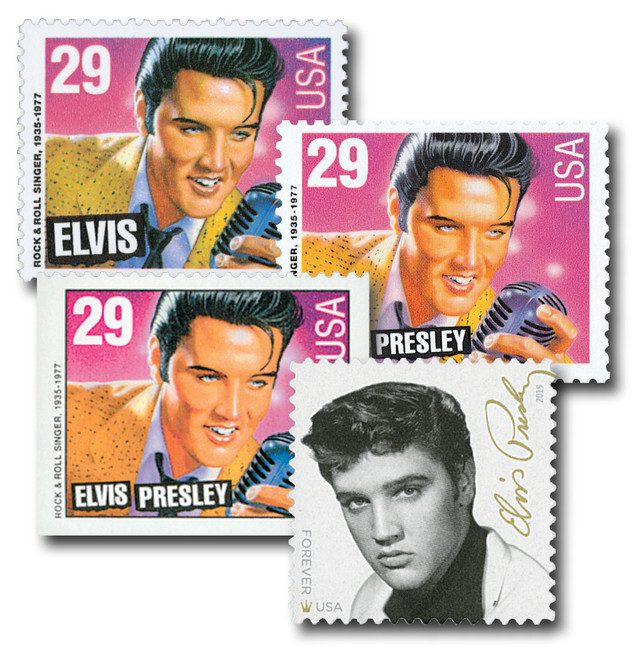
On March 24, 1958, Elvis Presley stepped away from the spotlight and into a US Army uniform. At the peak of his fame, the nation’s biggest rock and roll star served like any other draftee.
Shortly after turning 18, on January 19, 1953, Elvis registered with the Selective Service System, as required of all eligible American men. At the time, the law called for two years of active duty followed by four years in the reserves. Over the next four years, Elvis’s life changed dramatically. He became a national sensation, recording chart-topping songs and starring in films that drew large audiences.
On January 4, 1957, Elvis reported to the Kennedy Veterans Hospital for his pre-induction physical. Later that month, on his 22nd birthday, the Memphis Draft Board announced that he would likely be called to serve that year. As the news spread, both the Navy and Air Force approached Elvis with offers to join under special arrangements. These proposals included entertainment roles designed to boost morale and recruitment. Elvis declined them – he wanted to serve as a regular soldier.
On December 20, 1957, Elvis received his official draft notice. He was ordered to report for duty on January 20, 1958. The timing created problems. His career was at a high point, and he was scheduled to begin filming King Creole the same day. Letters flooded the draft board from fans, business partners, and studio executives. Paramount Pictures had already invested heavily in the film. In response, Elvis was granted a 60-day deferment so he could complete the project.
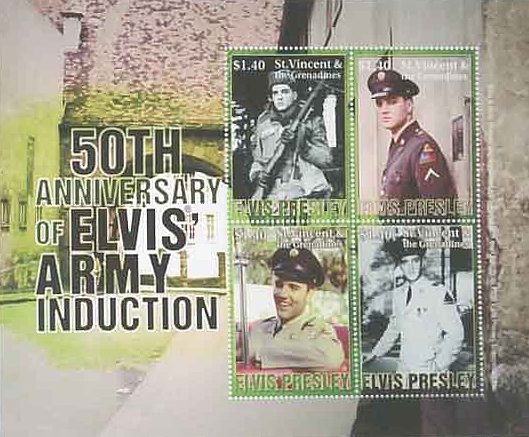
On March 24, 1958, Elvis reported to the Memphis Draft Board and was officially inducted into the Army. The following day, he traveled to Fort Chaffee, where he received his physical and a now-famous haircut. The event drew heavy media attention. Elvis paid the 65-cent barber fee himself. Photographers crowded the room, documenting the moment as his signature hairstyle was trimmed away.
Elvis then began basic training at Fort Hood. For ten weeks, he trained alongside other recruits. He followed the same routines, drills, and expectations. He did not receive special privileges. Fellow soldiers later recalled that he kept a low profile and worked hard to fit in.
In September 1958, Elvis shipped out for overseas duty. He boarded the USS Randall and traveled to West Germany, arriving on October 1. He was assigned to the 1st Medium Tank Battalion, 32nd Armor, part of the 3rd Armored Division. His role was in reconnaissance. He served as a scout and jeep driver, helping gather information during field exercises.
Life in Germany was structured but not without challenges. During his service, Elvis experienced a personal loss when his mother, Gladys Presley, died in August 1958. Despite this, he continued his duties. He also formed close friendships, including one with fellow soldier and musician Charlie Hodge, who later became part of Elvis’s stage group.
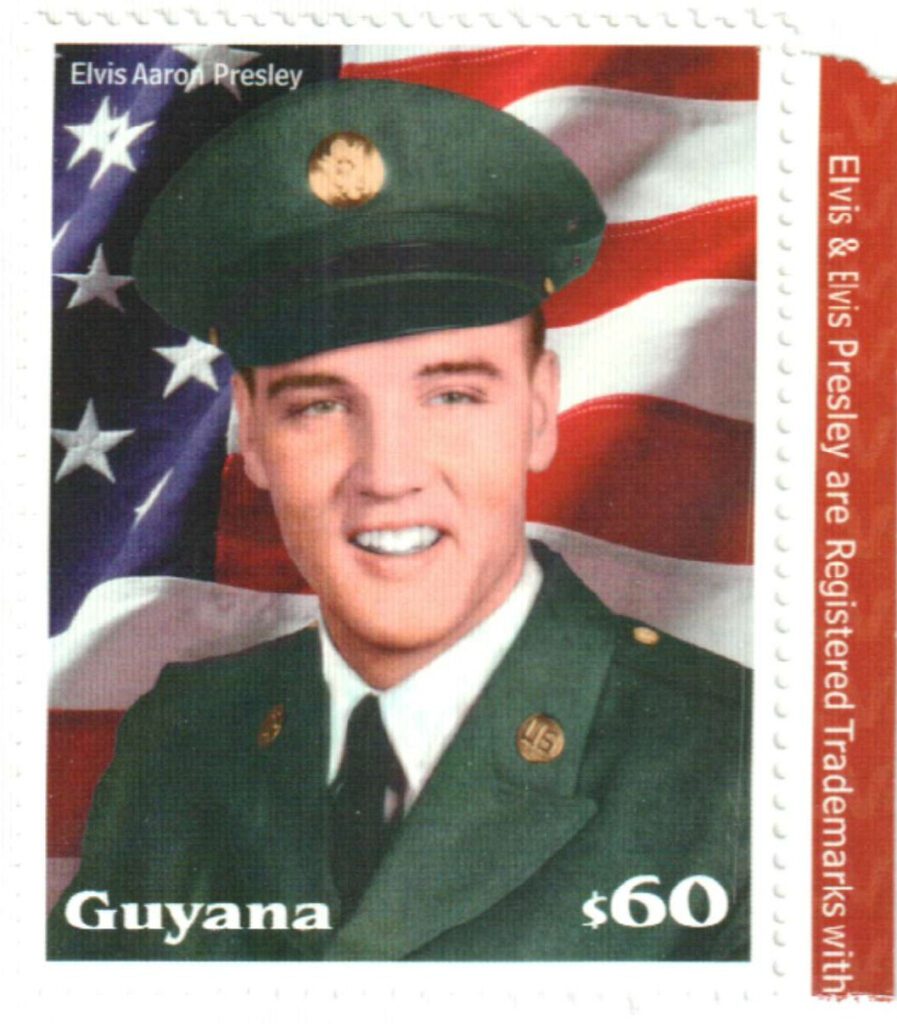
Elvis’s conduct in the Army earned respect from his superiors. On January 20, 1960, he was promoted to sergeant. The promotion recognized his reliability and performance. A commanding officer later described him as a “top-notch soldier” and a credit to his unit. His responsibilities included leading elements of his reconnaissance unit during maneuvers.
Elvis completed his active duty service in early 1960. He left Germany on March 1 and returned to the United States shortly after. At Fort Dix, he was processed for discharge. His final Army paycheck totaled $9.81. From there, he traveled back to Memphis, where large crowds gathered despite harsh winter weather.
Elvis’s time in the Army lasted about 18 months overseas, within a two-year service commitment. He served without joining special entertainment units, which had been an option. Instead, he carried out standard duties expected of enlisted soldiers. During his absence, his manager, Colonel Tom Parker, continued releasing previously recorded material. As a result, Elvis remained visible in popular culture.
After returning home, Elvis quickly resumed his career. Within weeks, he began recording new music and soon started filming G.I. Blues, a movie that reflected his recent military experience. His service had not diminished his popularity. If anything, it strengthened his public image as both a performer and a citizen who fulfilled his obligation.
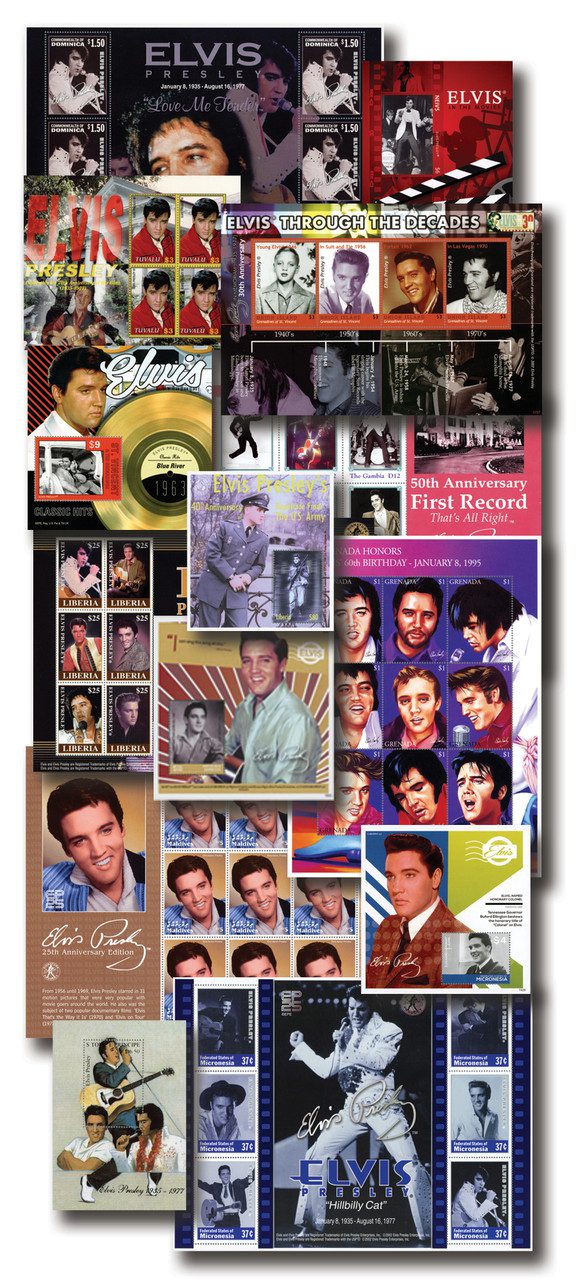
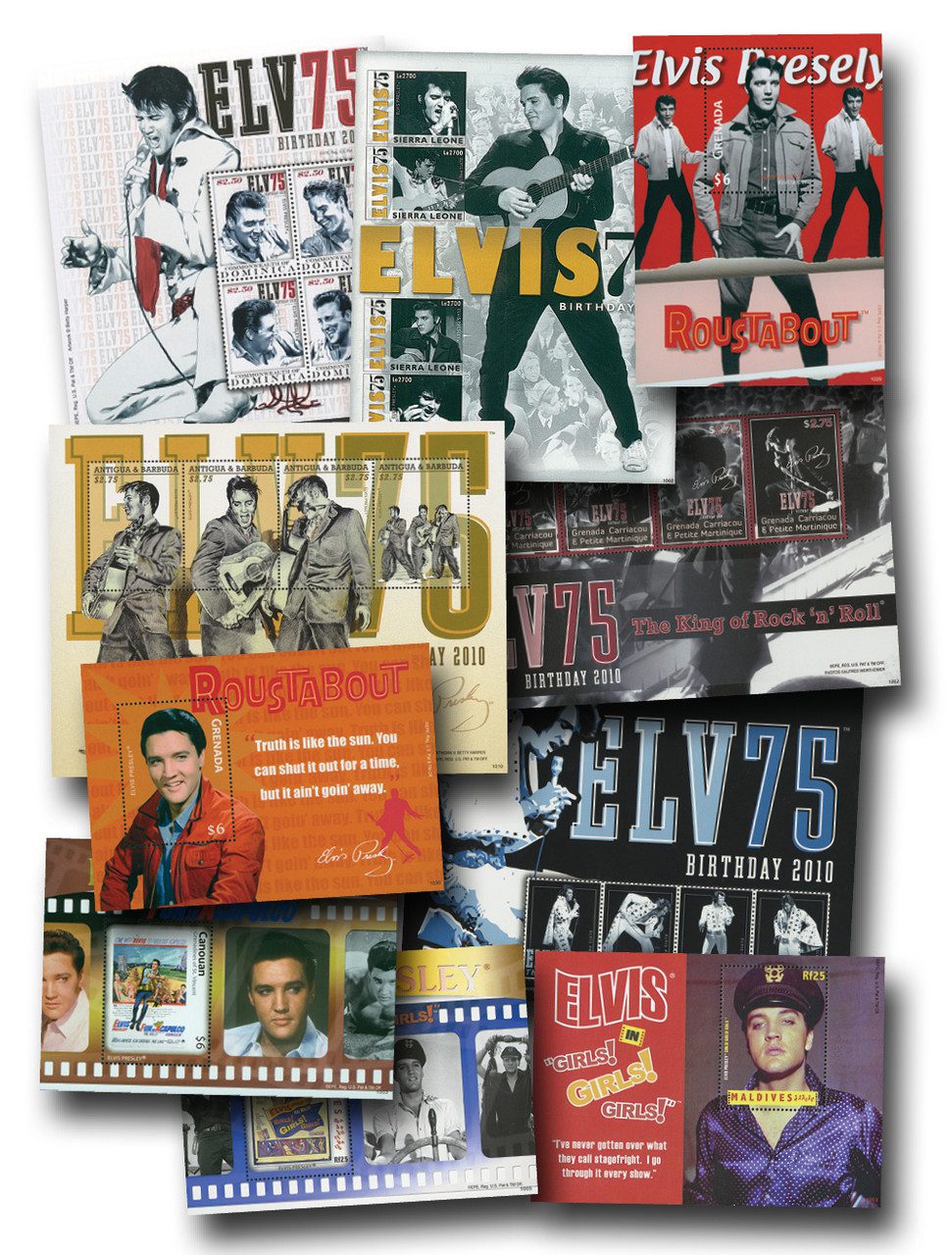
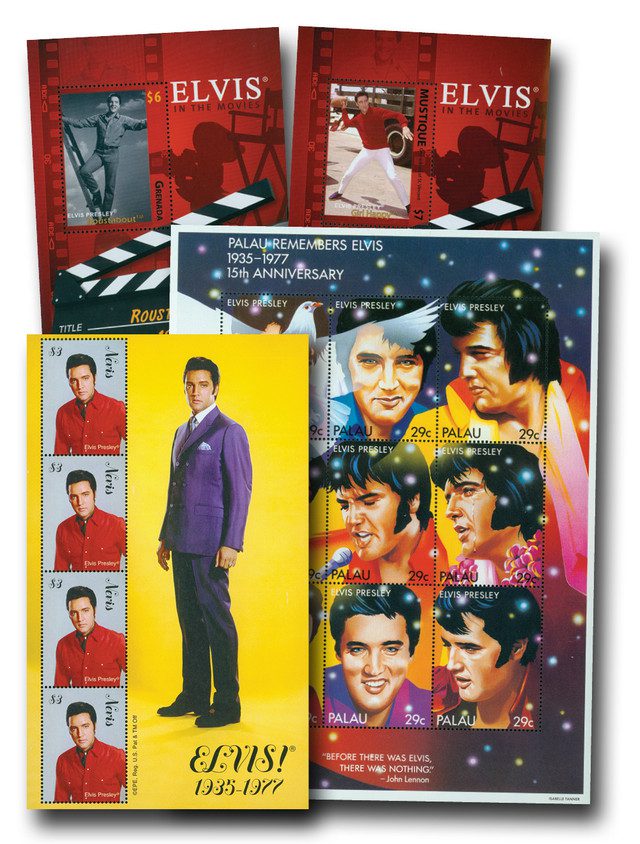
Click here for lots more Elvis stamps and coins.
| FREE printable This Day in History album pages Download a PDF of today’s article. Get a binder or other supplies to create your This Day in History album. |
Discover what else happened on This Day in History.
I lived through this time and remember it well… Elvis still is one of my favorite’s to this day
He Will Never Be Forgotten.His music is in the air all the time.
Elvis is the very best singer in the world nobody comes close to him a wonderful human being and the very best voice in this world . #1 and beatles #2
Totally agree, I even saw Elvis at baseball game last year – thank you very much!
Elvis, a great singer AND patriot! He also contributed funds for the U.S.S. Arizona memorial at Pearl Harbor. A true American.
Definitely iconic
Don’t step on my blue suede shoes.
That was the real Elvis wanting to be a good citizen. I got a big kick out of also going over to Germany by troop ship. The comparison between me and Elvis ended there however except that I did make it to Sgt E-5 in 19 months. I had a lot of respect for Elvis for not looking for special treatment and like that other celebrity Muhammad Ali who stood on his principles and risked some jail time in doing so Elvis took what came and in doing that he proved himself worthy of being an American. Standing up to take what’s coming is risky but you sleep better and looking in the mirror you see a man there looking back at you.
You don’t respect Ali for standing up for his principles? Really?
Still the King and served his country, not like so many others, stars and other, who didn’t.
Thank ya, Mystic, a wunerful article, thank ya vury muh.
To expand on Martha’s comment of definitely iconic and Wade’s patriotic I would like to add generous and that is to the extreme. He would give away the items that he treasured to those he felt deserving. These included cars ,exotic pets, guitars, money; items too numerous to mention. At the age of 7 years old when I found out he was in the service, well, I guess, I was all shook up.
LOL… All Shook Up!
Elvis was in the 3rd Armored Division and became a squad leader as an E5, not the unit commander. Most people do not know it but the entire proceeds from the concert he gave in Hawaii is what paid for the USS Arizona memorial to be built. While he was in basic training at Fort Hood my 15 yr old sister and her friend played hooky and drove about 300 miles round trip to see him march by in his training unit.
Nice tidbit of The King’s military contributions, and thanks to those who noted his monetary support of the USS Arizona memorial.
He got to Germany two days before my ninth b-day. My Dad was stationed in Wiesbaden so when the train came thru we all went up to see him. Great memory tho’ a little hazy after sixty years. G.I. Blues is one of my favorite Elvis movies.
I was an E5 on active duty in the Navy when Elvis gave that concert in Hawaii. A gentleman came into the Enlisted Men’s club on the base in Pearl Harbor where I was having beers with some of my buddies at the bar and commenced handing out free tickets to everyone at the bar to attend the concert. Therefore, we actually got to attend the concert for free, (in the nose bleed section). During the concert Elvis told the audience that the concert was being beamed live by satellite around the world, a first.
Some guys have all the luck. After Wiesbaden my Dad was stationed at Hickham so off we went via a year and a half at Hill A.F.B. in Utah. By ’73 when I think the concert took place, I was 23 and working and going to UH so I missed the concert.
All things considered … Elvis was a great American in all ways. I served in the Army, too, and I think his time in service contributed to his legacy. If you have not yet visited his estate in TN you should; it’s worth your time. From this visit, you will appreciate Elvis even more for the quality of the talented man he was.