
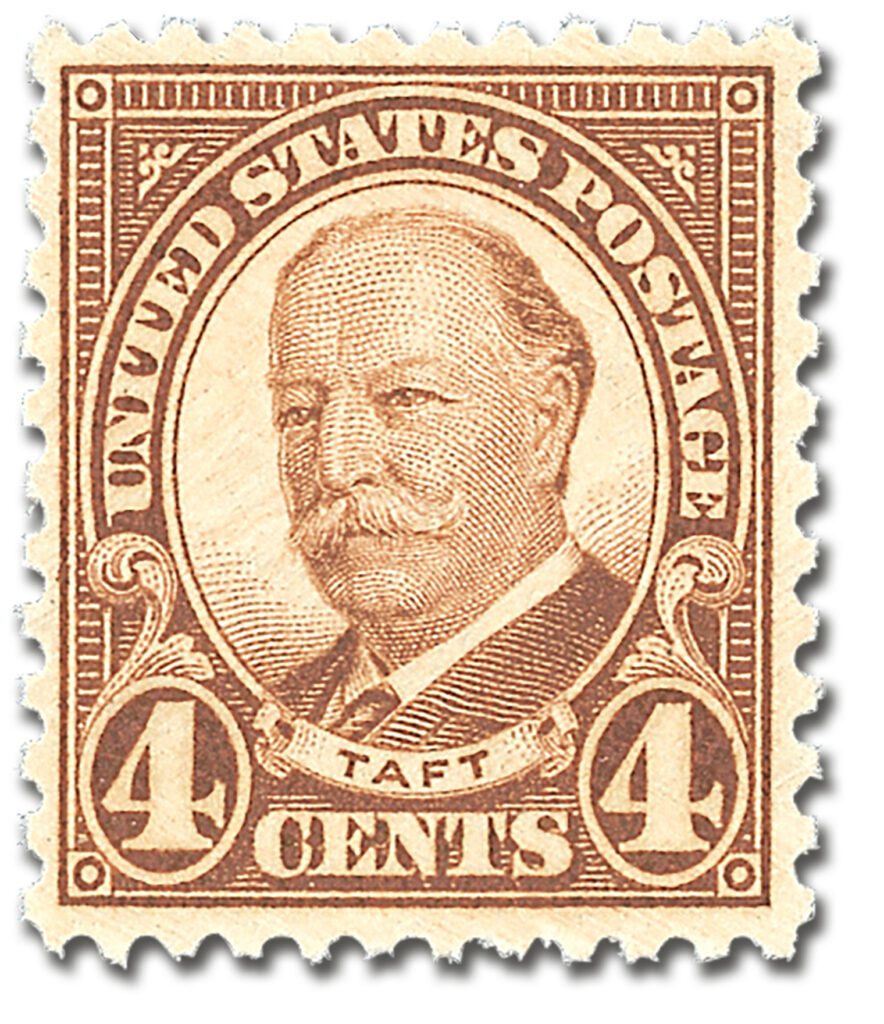
William Howard Taft died on March 8, 1930, after nearly fifty years in public service. His passing marked the end of a career that uniquely bridged the presidency and the nation’s highest court.
Taft was born on September 15, 1857, near Cincinnati, Ohio. His father, Alphonso Taft, served as US attorney general and secretary of war, which exposed young William to public life early on. He attended Yale College in New Haven, Connecticut, graduating second in his class in 1878. After earning his law degree from Cincinnati Law School, he began building a steady and respected legal career.
By age 32, Taft had become the youngest solicitor general in US history. He later served on the US Court of Appeals for the Sixth Circuit. Alongside his judicial duties, he taught constitutional law and became the first dean of the University of Cincinnati College of Law. Even during these early successes, he privately stated that his greatest ambition was to serve on the Supreme Court.

His career expanded beyond the courtroom in 1900, when President William McKinley appointed him to lead a commission establishing civilian government in the Philippines. Taft became the islands’ first civilian governor-general in 1901. He later served as secretary of war under President Theodore Roosevelt, overseeing territorial matters and early work on the Panama Canal. In 1908, with Roosevelt’s backing, Taft was elected president.
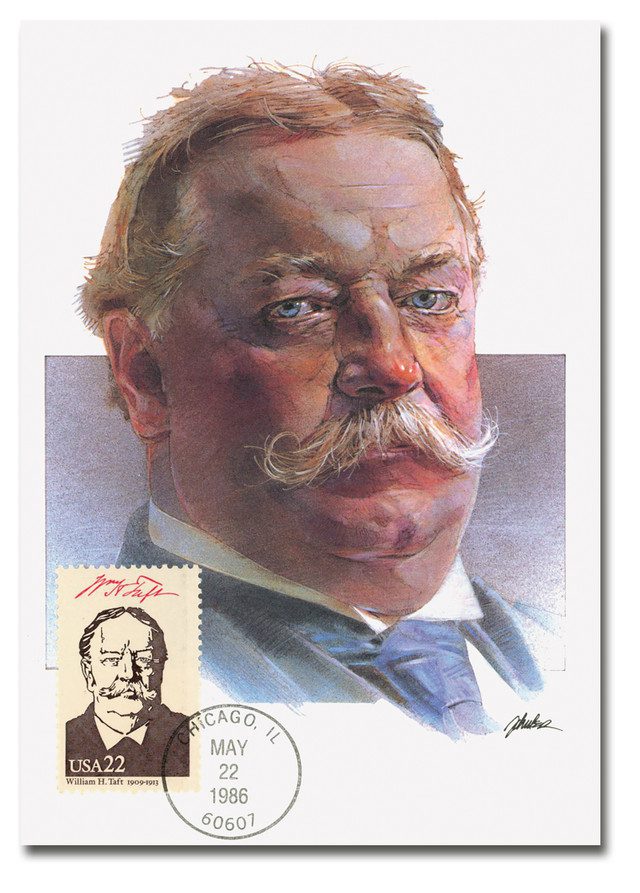
His presidency, from 1909 to 1913, was marked by tariff debates, antitrust enforcement, and internal party division. When he lost the 1912 election to Woodrow Wilson, Taft left the White House disappointed but not embittered. He later admitted that the presidency had not suited his temperament as well as the law.
After returning to private life, Taft accepted a professorship at Yale Law School. He taught courses in legal history and constitutional structure. Students described him as thoughtful and direct. He also became president of the American Bar Association. He wrote frequently about judicial reform and the importance of an independent court system. During World War I, he supported the League to Enforce Peace, advocating for international cooperation to prevent future conflicts.

In 1921, President Warren G. Harding appointed Taft chief justice of the United States. At age 63, he finally reached the goal he had pursued for decades. Unlike his time as president, Taft felt fully at ease in the judicial role. He later wrote that he loved being chief justice more than he had enjoyed being president.

As chief justice, Taft focused heavily on administration. He believed the federal court system needed better organization. He pushed for passage of the Judges’ Bill of 1925, sometimes called the “Certiorari Act.” This law gave the Supreme Court greater discretion over which cases it would hear. It reduced mandatory appeals and allowed the justices to focus on constitutional questions of national importance.
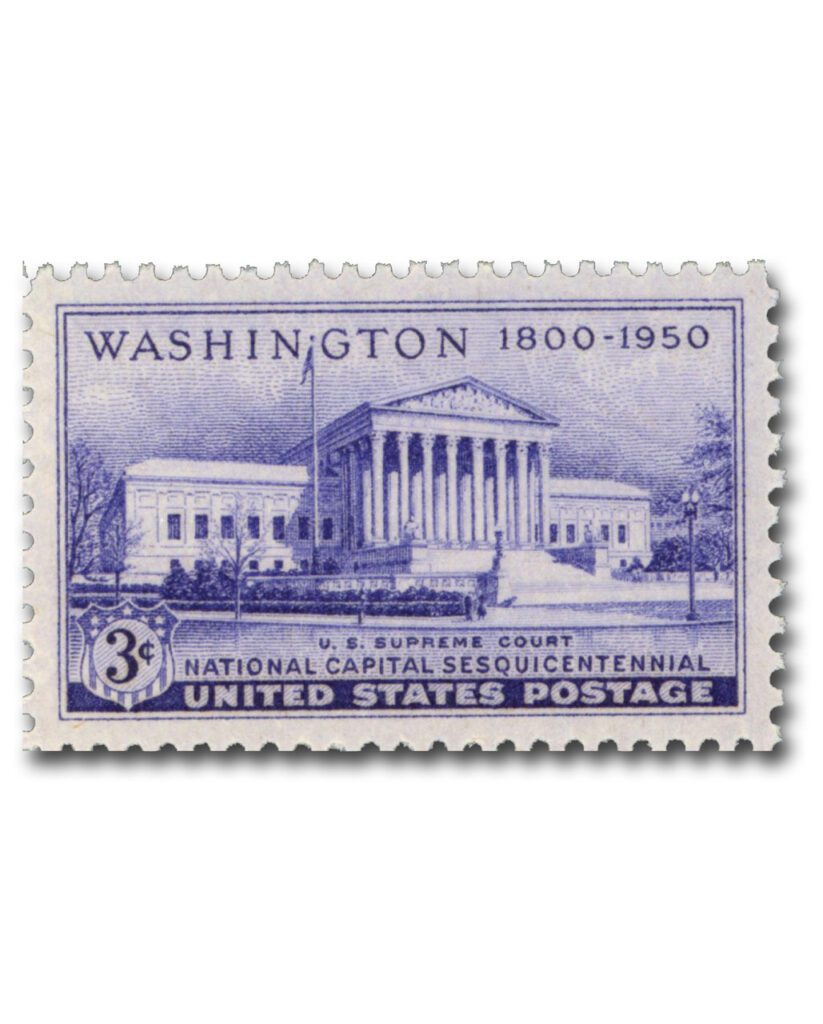
Taft also worked to improve the physical conditions of the court. At that time, the justices met in cramped quarters inside the US Capitol. Taft lobbied Congress for a separate Supreme Court building. He met personally with lawmakers and supervised early planning efforts. Congress approved funding in 1929. Construction began after his death, and the building opened in 1935.
By the late 1920s, Taft’s health began to fail. He had long struggled with weight-related health problems. He experienced high blood pressure and heart strain. In 1929, he began to suffer from increasing fatigue and difficulty concentrating. He occasionally missed court sessions. In January 1930, his condition worsened. Doctors diagnosed him with heart disease and complications that likely included internal bleeding.

On February 3, 1930, Taft resigned as chief justice. President Herbert Hoover quickly appointed Charles Evans Hughes as his successor. Taft returned to his home in Washington, DC, where he received medical care. He remained mentally alert for part of this period but grew weaker in the final weeks.

William Howard Taft died on March 8, 1930, at age 72. News of his death was widely reported across the country. He was given a state funeral, an honor reflecting both his presidency and his service as chief justice. Taft became the first president buried at Arlington National Cemetery. His grave rests on a hillside overlooking Washington, not far from the institutions where he had spent so much of his life.
In his final years, Taft often reflected that the judiciary had been his true calling. His leadership helped modernize the Supreme Court’s procedures and strengthen its administrative foundation. Though his presidency had been politically turbulent, his judicial service brought him lasting professional satisfaction. His career remains unmatched in American history, defined by service at the highest levels of both the executive and judicial branches.
| FREE printable This Day in History album pages Download a PDF of today’s article. Get a binder or other supplies to create your This Day in History album. |
Discover what else happened on This Day in History.
Great story
There are so many presidents that we know so little about. Thank you, Mystic writers, for exploring one of those great men. I enjoy starting my day with “This Day” shedding some light on something new to me.
Loved this. I’m working on a new topical collection of Ohio native sons and daughters on stamps. Thanks a million for these daily history lessons.
Always interesting history.
Thank you.
This very accomplished public servant doesn’t get the retrospective of todays writers & politicians Thank you for reminding us.
Thank you for enlightening us about this great president.
Interesting to see a political figure put his own aspirations aside to seve the country,
I learned some things about Taft I never knew. he was actually a very good President who got things done. He also had a very distinguished career doing important things before he was President. Thanks for the knowledge!
So what changed between Taft and Roosevelt? Taft do too good of a job as president?
It is my understanding from several reference sources that during his presidency Taft pursued his personal beliefs and policies as opposed to what T.R. thought he would or should, thus accounting for the change in the two as noted above by Ben Gale. It was two great presidencies with different agendas. Teddy was obviously the more popular of the two as evidenced by the results of the election of 1912. Lucky thing too; had Taft made it to Mt. Rushmore there wouldn’t have been room for the four who did.
Hilarious!
A very great history lesson about a brilliant American President and incredible Chief Justice of the Supreme Court !! Thank you !