

The first credit union in the United States opened its doors on November 24, 1908, in Manchester, New Hampshire, marking a historic moment in American financial history.
Credit unions themselves were not a purely American invention — the world’s first credit unions were established in Germany in the mid‑1800s as cooperative institutions that allowed working people to pool their savings and gain access to credit. Later, in 1901, Alphonse Desjardins founded North America’s first credit union in Quebec, Canada, calling it a “caisse populaire,” or “people’s bank.”
In 1908, Desjardins was invited to Manchester, New Hampshire, by the pastor of Ste. Marie’s Church, who was deeply concerned about his parishioners. Many of them were immigrants working in textile mills, laboring for meager wages, and denied access to traditional banking services. Without a safe place to save money or borrow, they were often stuck in cycles of debt or forced to rely on predatory lenders. Working together with the community, Desjardins and local leaders created a solution.
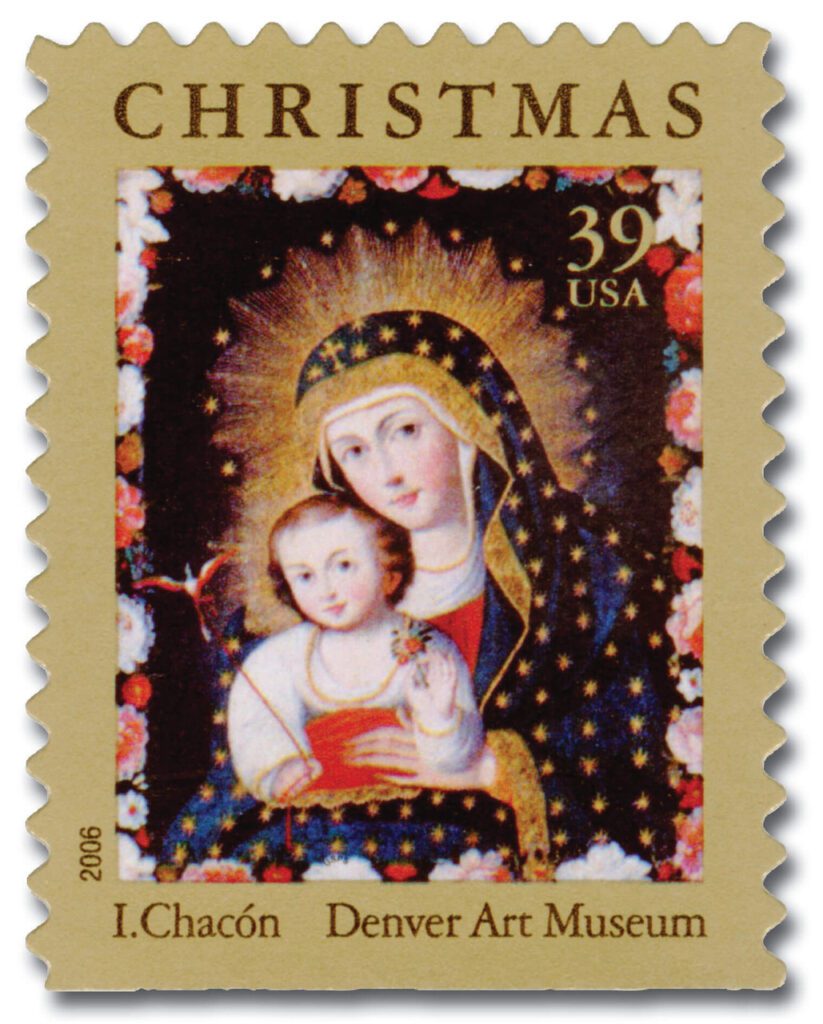
On November 24, 1908, La Caisse Populaire, Ste‑Marie — the first US credit union — was officially founded. A local lawyer, Joseph Boivin, became its first president and even ran the credit union from his own home during its early days. The focus was simple but powerful: let working people save, borrow, and support each other without needing to go through exclusive banks.
By April 1909, the credit union received a formal charter from the state of New Hampshire under the name St. Mary’s Cooperative Credit Association, giving it legal standing to operate and grow. Over time, its name changed to reflect its mission and heritage: in 1917, it reverted to La Caisse Populaire, Ste‑Marie (Bank of the People, St. Mary’s), and by 1925 its charter was updated so that it could use either name officially.
The founding of this credit union was more than symbolic — it was a working model of financial democracy. Its cooperative structure empowered ordinary people, especially immigrants, to take control of their financial lives. The success in Manchester inspired other communities across the country to start credit unions — communities that were often underserved or ignored by traditional banking.
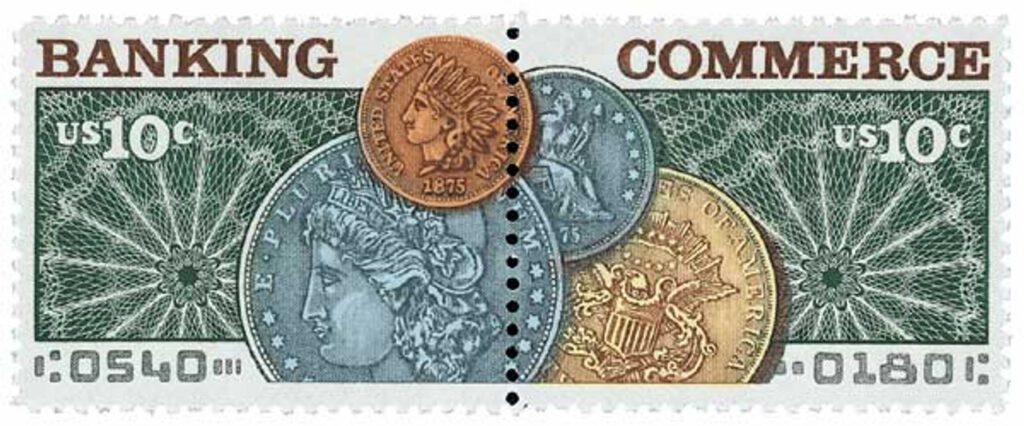
Today, credit unions in the United States are a major force in the financial sector. As of 2025, there were over 4,400 federally insured credit unions in the US, serving 143.2 million members, according to the National Credit Union Administration (NCUA). This growth demonstrates how much the credit union model has spread since its humble beginnings in Manchester. What started as a small, community-based effort in a single church parish has become a nationwide network that helps millions of Americans save, borrow, and build financial security.
| FREE printable This Day in History album pages Download a PDF of today’s article. Get a binder or other supplies to create your This Day in History album. |
Discover what else happened on This Day in History.