
On January 15, 1896, America lost one of its most influential visual storytellers—Mathew Brady. Known as the father of American war photography, Brady brought the distant battlefields of the Civil War into the public eye, using his camera to reveal the real cost of conflict in a way words never could.

Mathew Brady was born around 1822 in Warren County, New York, at a time when photography itself was still a dream waiting to be realized. As a young man, Brady moved to New York City and became fascinated by the emerging art of the daguerreotype—a photographic process that created detailed images on polished metal plates. He studied under Samuel Morse, who was not only the inventor of the telegraph but also an early photography pioneer. Brady quickly mastered the craft and opened his own studio, where his sharp eye and technical skill earned him widespread praise.

By the 1840s and 1850s, Brady was the most famous photographer in the United States. His New York and Washington, DC, studios attracted writers, politicians, and national leaders. He photographed everyone from Edgar Allan Poe to Abraham Lincoln, helping to shape how Americans imagined their public figures. His portraits were formal and serious, reflecting the dignity and gravity people expected from photography at the time. These images helped establish photography as both an art form and a reliable record of reality.
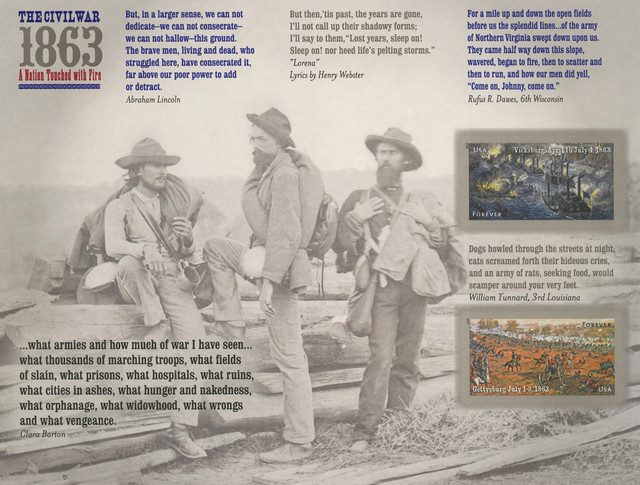

When the Civil War broke out in 1861, Brady made a bold and risky decision. He believed the war needed to be documented honestly and completely, not imagined through paintings or secondhand reports. Rather than photographing battles from afar, Brady organized teams of photographers and sent them directly to the front lines. Using heavy equipment and portable darkrooms, they captured scenes of camps, soldiers, hospitals, and—most shockingly—the aftermath of battles.
The public had never seen anything like it. Brady’s 1862 exhibition, The Dead of Antietam, displayed photographs of fallen soldiers lying where they had died. For the first time, Americans confronted the true human cost of war through images that could not be softened or ignored. Newspapers reported that Brady had brought the battlefield “home to us,” and his work permanently changed how war was understood by civilians.
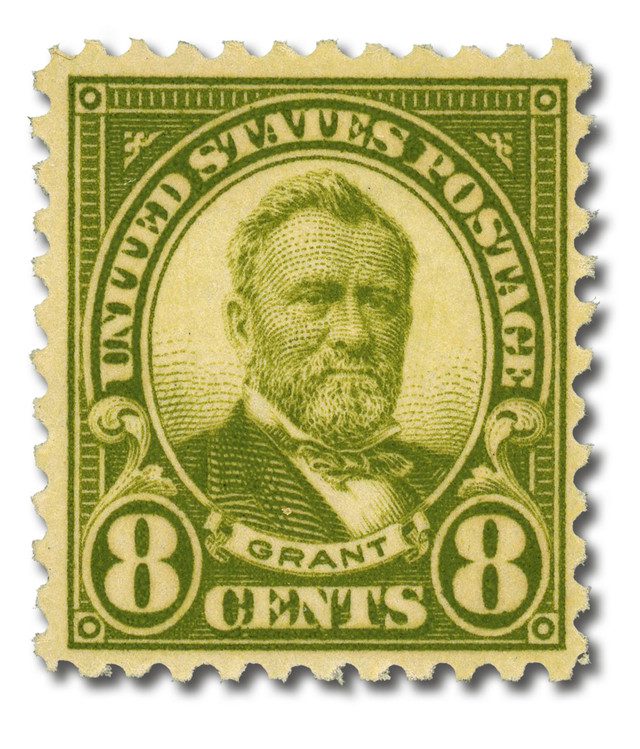
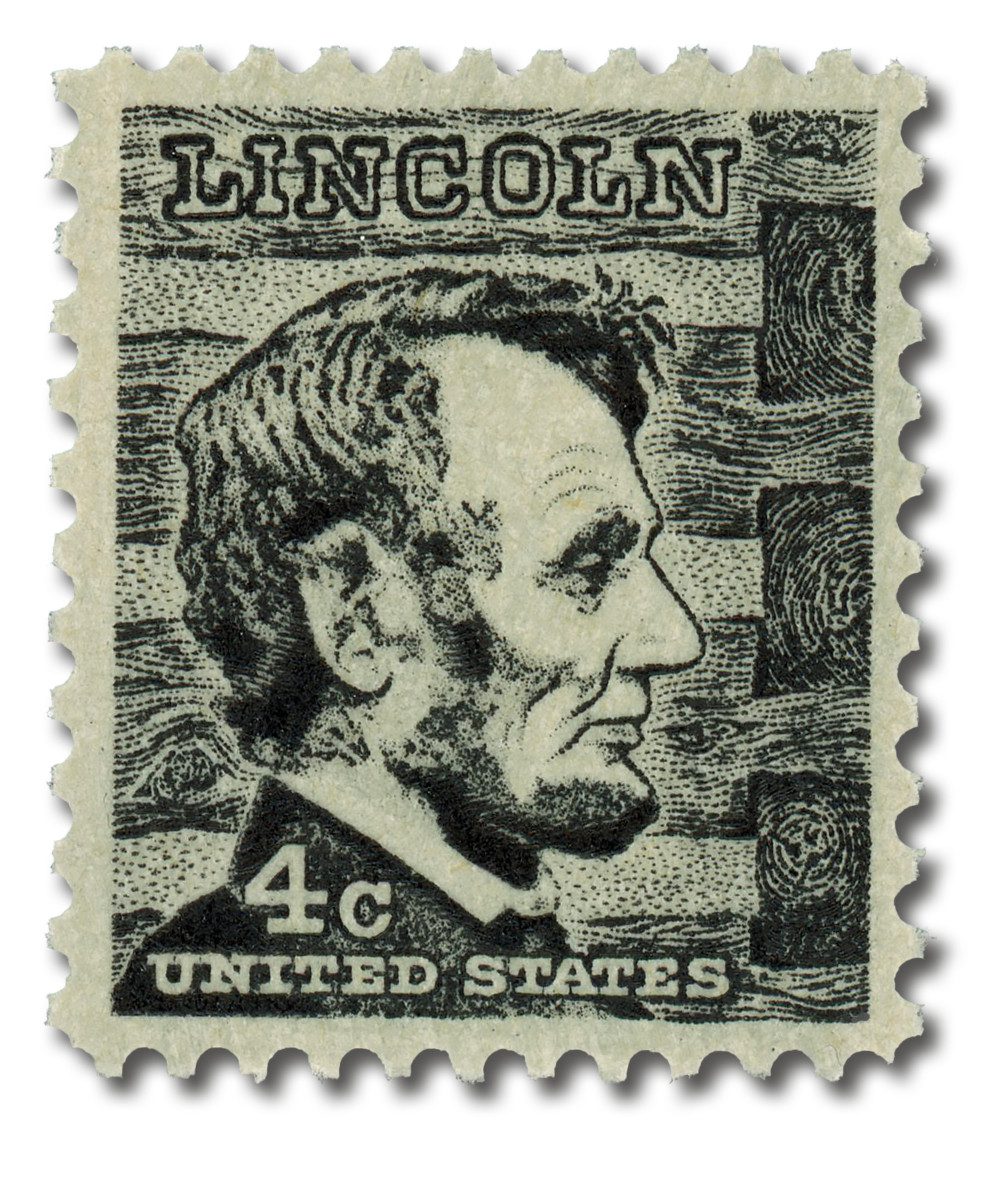
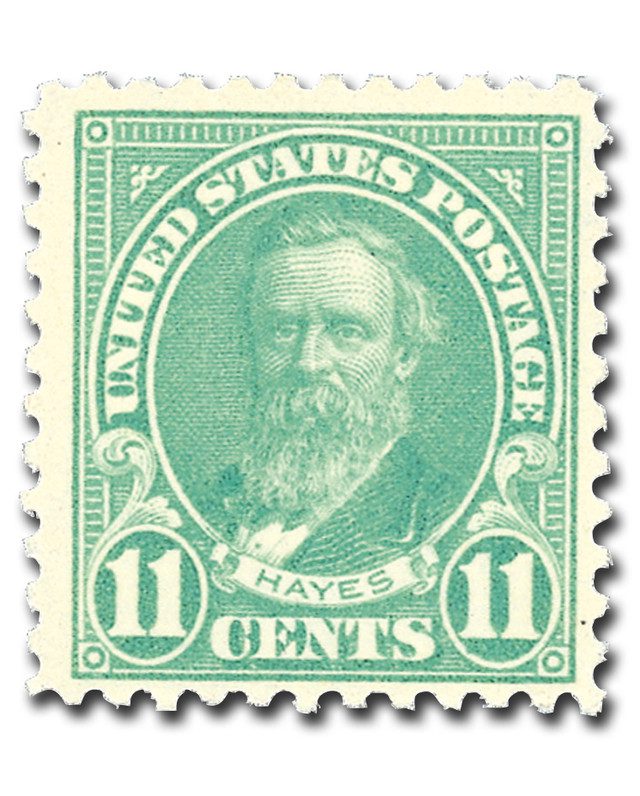
Brady’s influence reached the very highest levels of American leadership. Over the course of his career, he photographed 18 of the 19 US presidents who served between John Quincy Adams and William McKinley (William Henry Harrison was the only exception because he died in office after only a month, three years before Brady began assembling his photographic collection). Among all these figures, Brady’s images of Abraham Lincoln stand out as the most famous. He photographed Lincoln many times, capturing everything from quiet determination to the strain of leadership during war. These photographs became iconic: Brady’s Lincoln portraits were later used as the basis for the $5 bill, and the Lincoln cent.

Brady did not limit his lens to one side of history. He and his teams photographed Confederate leaders and soldiers as well as Union figures, creating a more complete and honest visual record of the Civil War. This commitment to documenting events as they unfolded—rather than staging idealized scenes—earned Brady recognition as the father of photojournalism. He believed photography had a responsibility to show truth, even when it was uncomfortable.
Despite the historical importance of his work, Brady paid a heavy personal price. He spent much of his own money financing the war photography project, believing the government would eventually purchase his collection. That support never fully materialized. After the war, Brady struggled financially, and many of his photographs were sold or lost. Ironically, the man who preserved the visual memory of the Civil War died nearly penniless.
Still, Brady lived long enough to see photography become firmly established as a vital part of journalism and historical record. When he died on January 15, 1896, the nation had begun to recognize the depth of his contribution. Today, his images are among the most valuable and studied photographs in American history. His photographs are now preserved in major institutions such as the Library of Congress, and he has been honored through exhibitions, books, and historical recognition celebrating his role in shaping modern journalism.
Click here to view some of Brady’s Civil War photos.
| FREE printable This Day in History album pages Download a PDF of today’s article. Get a binder or other supplies to create your This Day in History album. |
Discover what else happened on This Day in History.
Sadly so often people with innovative ideas die penniless.