

On February 25, 1928, Bryce Canyon officially became Bryce Canyon National Park, securing permanent federal protection for one of America’s most unusual landscapes. What began as a remote stretch of pink cliffs and strange rock spires in southern Utah had become important enough to earn the highest level of preservation in the National Park System.
Bryce Canyon is located in southern Utah on the Paunsaugunt Plateau. The plateau rises more than 8,000 to 9,000 feet above sea level. From its edge, the land drops away into a series of natural amphitheaters. Despite its name, Bryce Canyon is not a single canyon carved by a river. It is a collection of bowl-shaped depressions filled with thin rock walls, narrow fins, and tall spires called hoodoos.
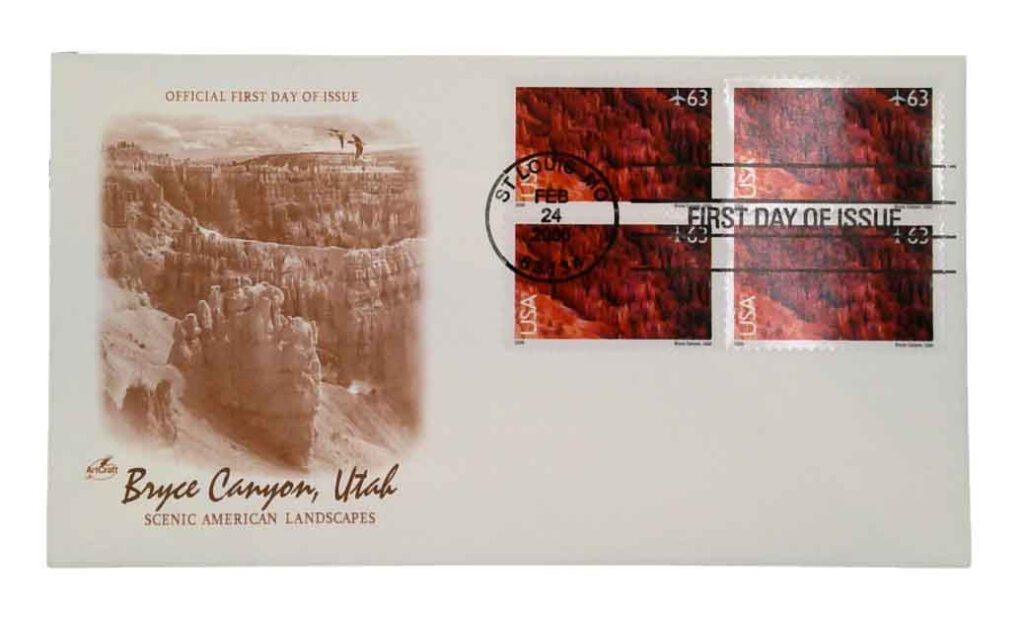
Hoodoos are the park’s most famous feature. These thin rock columns form through a process called frost wedging. Water seeps into cracks in the limestone and sandstone. When temperatures drop below freezing, the water expands as it turns to ice. This forces the cracks wider. Over many winters, the rock breaks apart. Rain and gravity then shape the remaining stone into towers. Some hoodoos stand more than 100 feet tall. Many are arranged in dense clusters that resemble rows of statues.
The rocks themselves record a long geologic history. Most of the formations belong to the Claron Formation, which dates back about 50 million years to the Eocene Epoch. At that time, the region contained lakes and floodplains. Sediment settled in layers. Over millions of years, those layers hardened into limestone, mudstone, and sandstone. Iron compounds in the rock create shades of red, orange, and pink. Manganese adds purple tones. The result is a landscape that changes color throughout the day as sunlight shifts.
Long before it became a national park, the area was home to Native peoples. Archaeological evidence shows that the Ancestral Puebloans lived in the region hundreds of years ago. Later, Paiute tribes occupied the land. One Paiute legend tells of the hoodoos as the “Legend People,” who were turned to stone as punishment for wrongdoing.
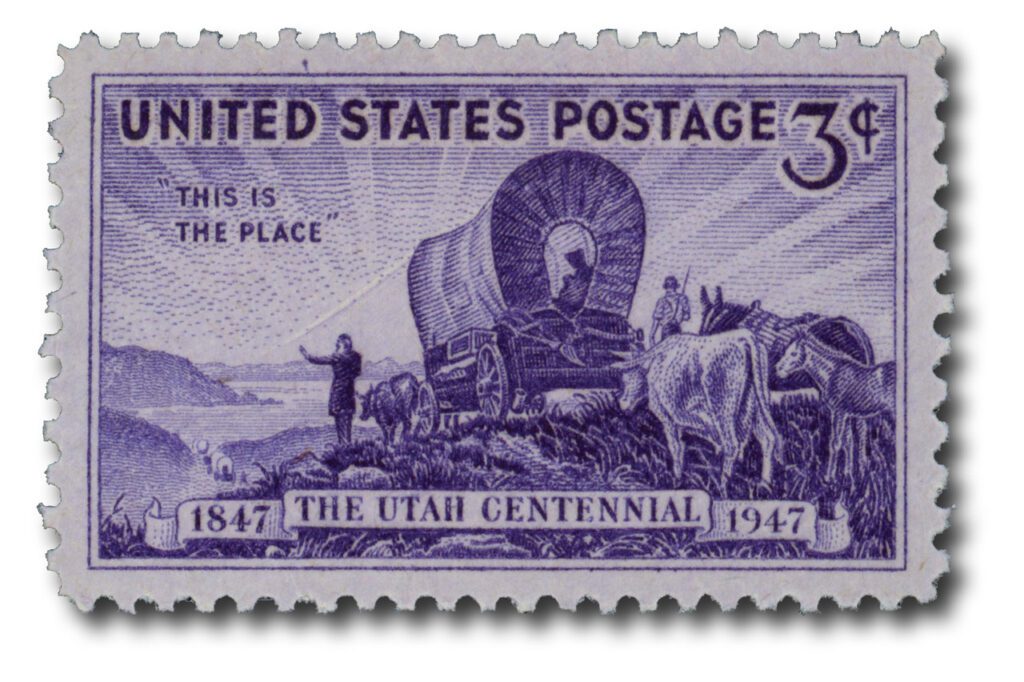
In the 1850s, Mormon settlers moved into southern Utah. One of them was Ebenezer Bryce, a Scottish immigrant and skilled carpenter. He settled near the canyon in 1874. Bryce built roads and irrigation systems for the local community. He is said to have described the area as “a hell of a place to lose a cow.” The canyon later took his name, though he did not seek that honor.
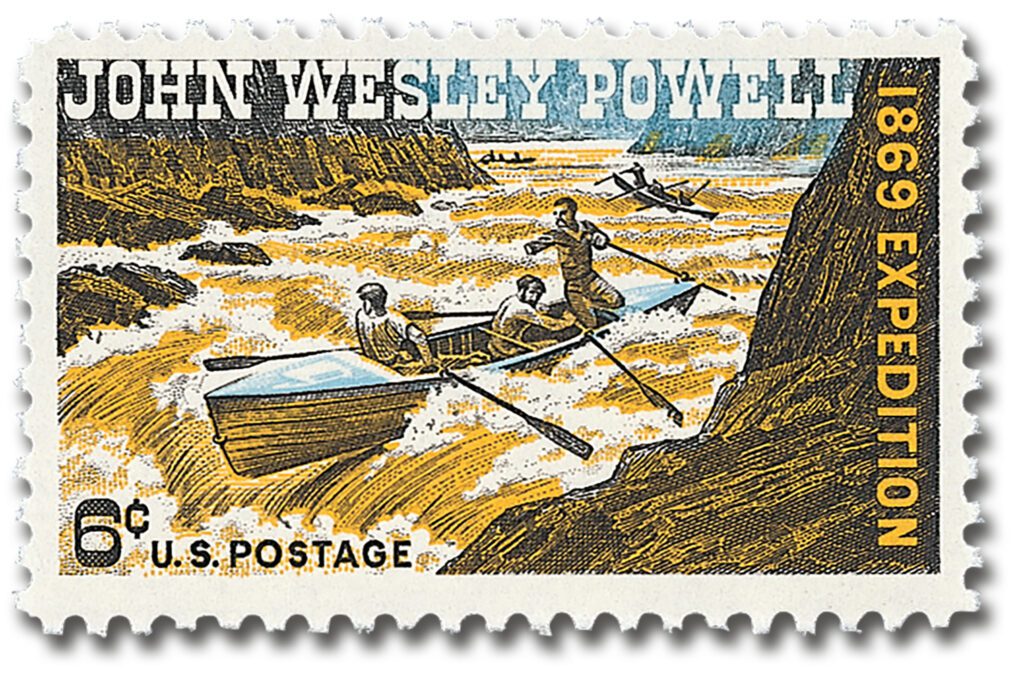
Interest in protecting the area grew in the early 1900s. In 1916, the National Park Service was created. Soon after, forest supervisor J.W. Humphrey and photographer J.E. Broaddus began promoting the scenic value of Bryce Canyon. Broaddus published articles and distributed photographs. Railroad companies, especially the Union Pacific, also saw tourism potential. They built lodges and improved access roads to bring visitors by train and car.
In 1923, President Warren G. Harding used the Antiquities Act to designate the area as Bryce Canyon National Monument. This provided initial federal protection. However, the land was still partly owned by the state of Utah and private individuals. Congress passed legislation to purchase those lands. In 1924, Congress redesignated the site as a national park, but the change could not take full effect until the federal government completed the land acquisitions.

That final step occurred on February 25, 1928. On that date, Bryce Canyon officially became a fully established national park. The boundary included about 35,835 acres. This status ensured stronger protection, funding, and management under the National Park Service. It also placed Bryce Canyon among a select group of landscapes preserved for their natural significance.
Development followed carefully. The Bryce Canyon Lodge, designed by architect Gilbert Stanley Underwood, opened in 1925 and still operates today. Rustic-style cabins blended with the surrounding forest of ponderosa pine. Scenic drives were laid out along the rim. Trails such as Navajo Loop and Queen’s Garden allowed visitors to descend among the hoodoos.
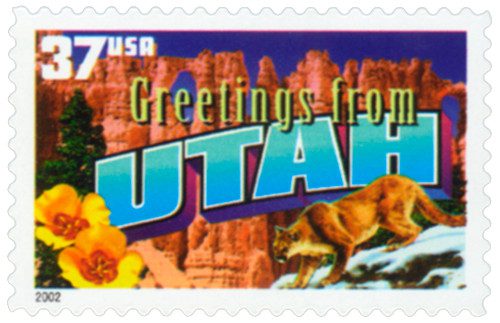
Today, Bryce Canyon National Park attracts more than two million visitors each year. People come to hike, photograph sunrise over the amphitheater, and view one of the darkest night skies in the continental United States. Because of its high elevation and dry air, the park is also known for clear stargazing.
| FREE printable This Day in History album pages Download a PDF of today’s article. Get a binder or other supplies to create your This Day in History album. |
Discover what else happened on This Day in History.
Southern Utah has several beautiful National Parks and Monuments. As I have quoted many times on this site, as author Wallace Stegner once said (or wrote),”National Parks are the best idea America ever had.” Nearly 100 nations around the world have established national parks that support scenery, wildlife conservation, historic sites, tourism, etc. It all started with the Yosemite Grant in 1864 and Yellowstone National Park in 1872.