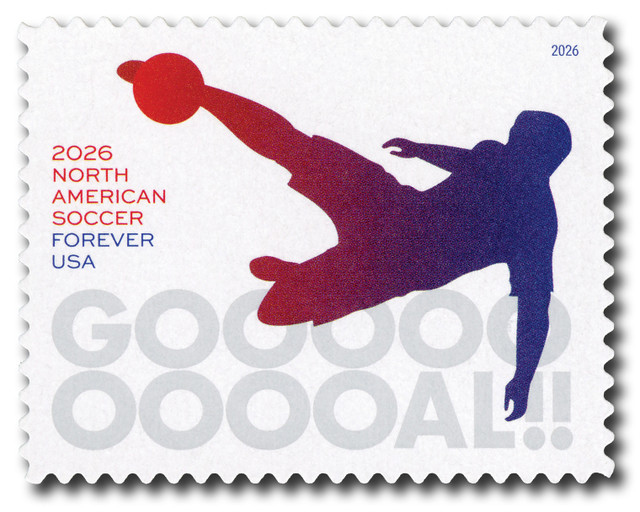
On July 13, 1930, the inaugural FIFA World Cup began in Montevideo, Uruguay. Thirteen national teams gathered for a new competition designed to determine soccer’s world champion outside the Olympic Games.
International soccer had grown rapidly during the early 1900s. FIFA, the sport’s international governing body, was founded in Paris in 1904. However, the Olympic Games provided the most important competition between national teams for the next two decades.
Olympic soccer presented a growing problem. The games were officially intended for amateurs, while professional soccer was becoming established in several countries. FIFA leaders wanted a tournament in which countries could field their strongest players, regardless of their professional status.
FIFA president Jules Rimet became a leading supporter of an independent world championship. At the FIFA Congress in Amsterdam in May 1928, delegates approved plans to organize the first World Cup in 1930. Uruguay was selected as host the following year.
The choice had several advantages. Uruguay had won Olympic soccer gold medals in 1924 and 1928, making it one of the strongest teams in the world. The country was also preparing to celebrate the centennial of its first constitution. Uruguayan organizers offered to cover participating teams’ travel and lodging expenses and build a large new stadium.
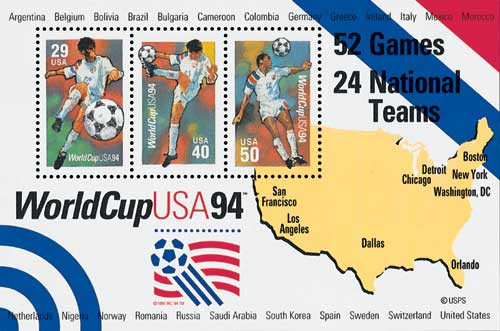
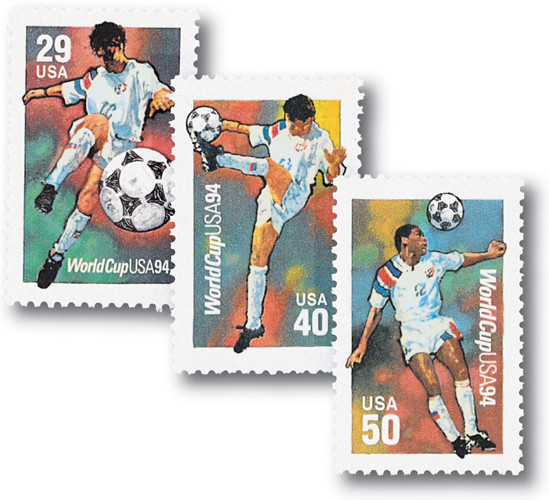
Even with that support, the journey discouraged many European countries. Crossing the Atlantic by ship took about two weeks, and players could be away from their clubs and jobs for nearly two months. The worldwide economic crisis made the expense harder to justify.
Jules Rimet personally encouraged European associations to participate. Belgium, France, Romania, and Yugoslavia finally agreed. They joined seven South American teams—Argentina, Bolivia, Brazil, Chile, Paraguay, Peru, and Uruguay—and two North American teams, Mexico and the United States.
The tournament had no qualifying competition. Every FIFA member was invited, but only 13 accepted. Organizers divided them into four groups. Three groups contained three teams, while one had four. Only each group winner advanced to the semifinals.
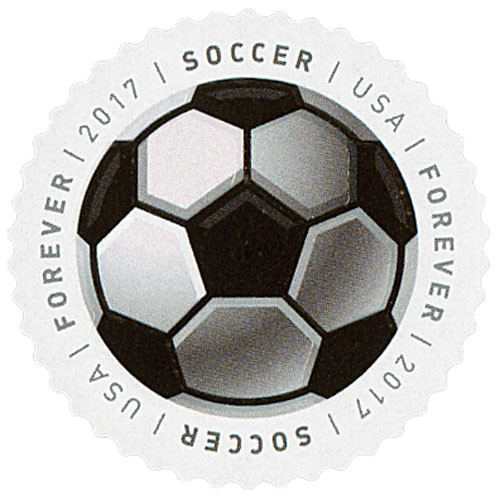
Two matches began at the same time on July 13. France defeated Mexico 4–1 at Estadio Pocitos, while the United States defeated Belgium 3–0 at Parque Central. France’s Lucien Laurent scored against Mexico in the 19th minute, giving him the first goal in World Cup history. He later recalled that there was no great celebration because few people understood what the tournament might become.
Construction delays prevented the new Estadio Centenario from being used on opening day. Heavy rain had slowed the work. The stadium opened on July 18 and eventually hosted ten matches, including both semifinals and the final.
Argentina, Uruguay, Yugoslavia, and the United States won their groups. Argentina defeated the United States 6–1 in one semifinal. Uruguay beat Yugoslavia by the same score in the other.
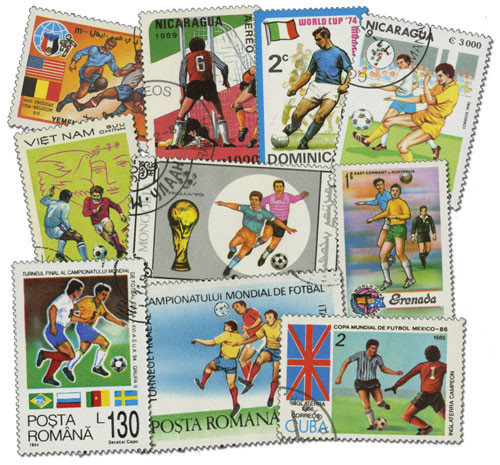
The championship match was played before a reported crowd of more than 68,000 at the Centenario on July 30. Uruguay and Argentina even disagreed over which ball to use. The referee settled the dispute by using Argentina’s ball during the first half and Uruguay’s during the second.
Uruguay scored first, but Argentina led 2–1 at halftime. The hosts responded with three second-half goals. Héctor Castro, who had lost part of his right arm in a childhood accident, scored the final goal in Uruguay’s 4–2 victory.
Captain José Nasazzi received the trophy from Rimet. The award was originally known simply as the World Cup or Victory trophy. It was renamed the Jules Rimet Trophy in 1946. Uruguay declared a national holiday after the victory, while disappointment in Argentina led to tense demonstrations.
The tournament included 18 matches and 70 goals, an average of nearly four goals per game. Argentina’s Guillermo Stábile led all scorers with eight goals. The United States was officially credited with third place, which remains its best finish in the men’s World Cup.
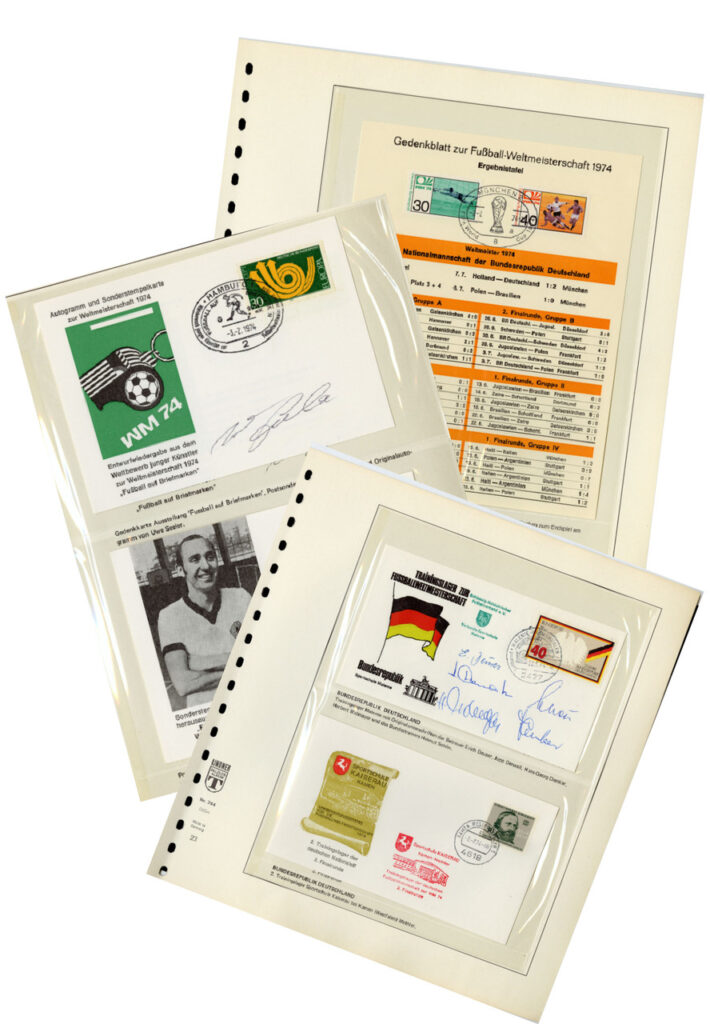
The competition returned in Italy in 1934 and France in 1938. World War II forced the cancellation of the planned 1942 and 1946 tournaments. The World Cup resumed in Brazil in 1950 and has been held every four years since then.
Across the first 22 tournaments, from 1930 through 2022, eight countries won the championship. Brazil led with five titles. Germany and Italy each won four, Argentina won three, and Uruguay and France each won two. England and Spain each won once. Brazil was also the only country to appear in all 22 tournaments.
The field gradually expanded from 13 teams in 1930 to 16, then 24, and eventually 32. Qualification became a worldwide competition involving more than 200 national associations. What began with two simultaneous matches in Montevideo developed into soccer’s central international championship, built around the simple question Rimet and his supporters had raised decades earlier: which national team could defeat the best teams from every region?
Click here for more soccer stamps.
| FREE printable This Day in History album pages Download a PDF of today’s article. Get a binder or other supplies to create your This Day in History album. |
Discover what else happened on This Day in History.
Excelente