
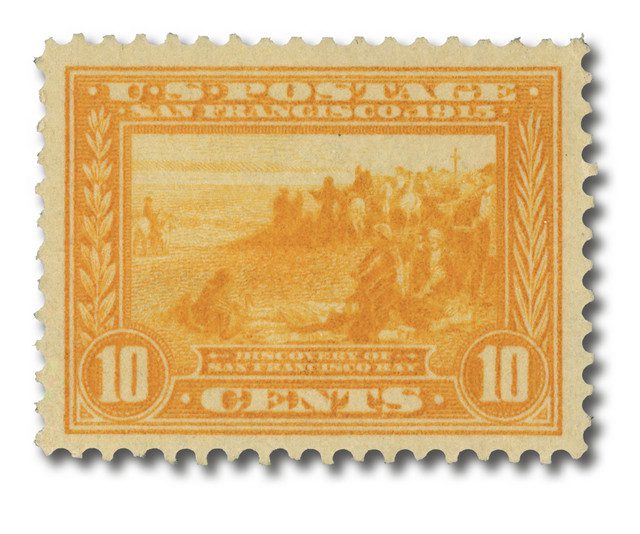
On February 20, 1931, Congress approved the San-Francisco-Oakland Bay Bridge project, setting in motion construction of a permanent crossing that would reshape travel across San Francisco Bay. That decision launched one of the most complex bridge systems ever attempted in the United States and created a transportation link that millions would rely on every year.
The San-Francisco-Oakland Bay Bridge is one of the most important transportation structures on the US West Coast. The project gained federal authorization from the United States Congress during the early years of the Great Depression. At the time, large public infrastructure projects were seen as a way to create jobs and improve long-term economic growth. The bridge was planned to directly connect San Francisco and Oakland, two rapidly growing cities separated by roughly 8 miles of water. Before the bridge, ferries carried most passengers and vehicles across the bay. Ferry service was reliable but slow. Traffic congestion at ferry terminals was increasing every year.
Construction began in 1933. The project required thousands of workers and large amounts of steel and concrete. Workers had to build foundations deep into the bay floor. Tides and currents made construction dangerous. Engineers designed the bridge as a series of connected structures rather than a single span. This included suspension spans, a cantilever section, and long approach viaducts. When the bridge opened in November 1936, it stretched about 8.4 miles in total length. It opened about six months before the nearby Golden Gate Bridge, although each bridge served different travel routes.
The bridge quickly became essential to daily life for many in California. It carried commuters into San Francisco for work. During World War II, it moved military supplies and personnel. Over time, traffic volume increased far beyond original expectations. By the 1980s, safety concerns about earthquakes became more serious. In 1989, the Loma Prieta earthquake struck the Bay Area. Part of the eastern section of the bridge collapsed when an upper deck section fell onto the lower deck. The bridge closed for about one month while emergency repairs were completed.

After the earthquake, officials decided to replace the eastern span instead of repairing it again. The project was led by the California Department of Transportation, working with regional planners from the Metropolitan Transportation Commission. The replacement quickly became one of the most expensive public infrastructure projects in US history. Early estimates were near $1 billion. Final costs reached about $6.5 billion by completion.
The replacement structure, the San Francisco–Oakland Bay Bridge Eastern Span, opened in 2013. It introduced several world-record features. The bridge deck is about 258.3 feet, wide. That makes it the widest bridge in the world. It is also the largest self-anchored suspension bridge ever built. In this design, the main cable is anchored directly to the bridge deck instead of large anchor blocks on land. This required extremely precise steel fabrication and assembly.
The eastern span features a single tower that rises about 525 feet above the water. The main suspension cable loops over the tower and connects back into the deck structure. The roadway is supported by 137 vertical suspender cables. The bridge was designed specifically to survive major earthquakes. Engineers added flexible joints and deep foundation piles. The structure can move during seismic events instead of breaking.
The new eastern span also changed how traffic moves across the bay. The old double-deck cantilever structure was removed. The new span carries traffic in two separate side-by-side roadways. This reduces congestion and improves safety. The new bridge also includes a pedestrian and bicycle path. This allows non-vehicle travel across part of the bay, something the original 1936 bridge did not provide.
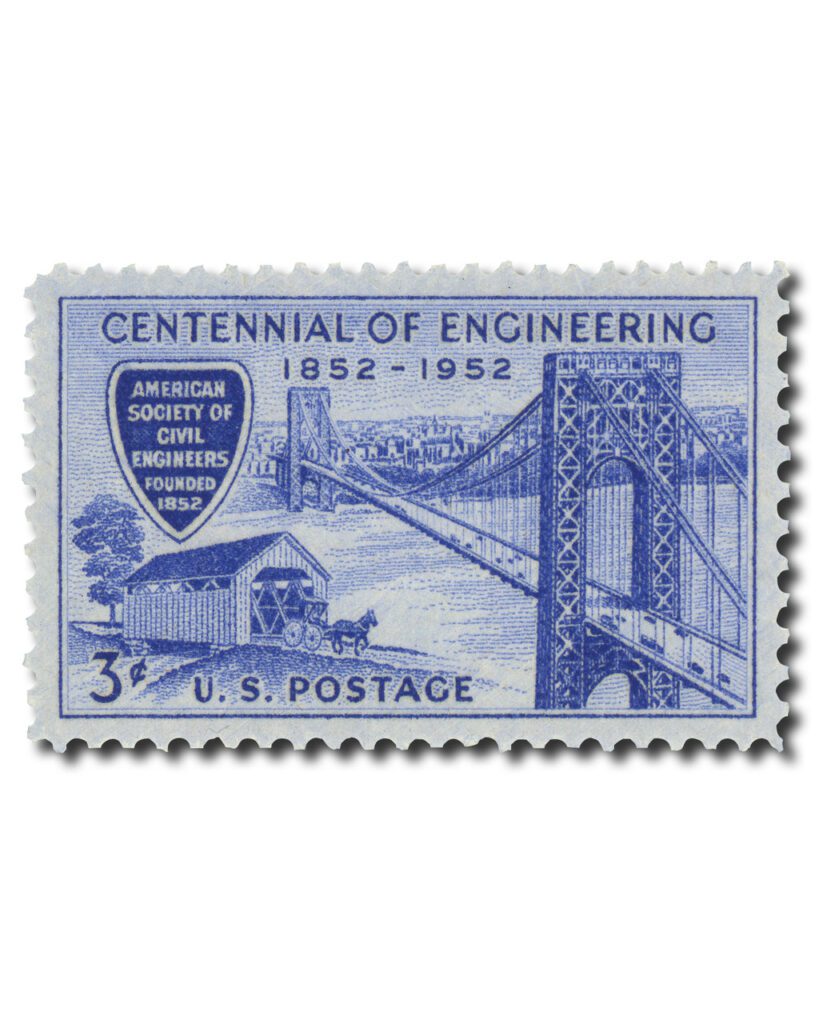
Today, the full bridge system carries about 250,000 vehicles each day. It connects major interstate and regional highway systems. The bridge is not just a landmark. It is a critical part of the regional economy. From congressional approval in 1931 to the advanced engineering of the 2013 eastern span, the bridge shows how infrastructure evolves over time. It reflects improvements in engineering, earthquake science, and long-term transportation planning.
| FREE printable This Day in History album pages Download a PDF of today’s article. Get a binder or other supplies to create your This Day in History album. |
Discover what else happened on This Day in History.
Very magnifique and splendid!
Great article, as usual, great engineering details. Thanks !