Victory Over Japan Day
On September 2, 1945, Japan formally surrendered to the Allies aboard the USS Missouri. This is celebrated as VJ in the US. Many other countries celebrate VJ Day on August 15, when Japan announced its surrender.

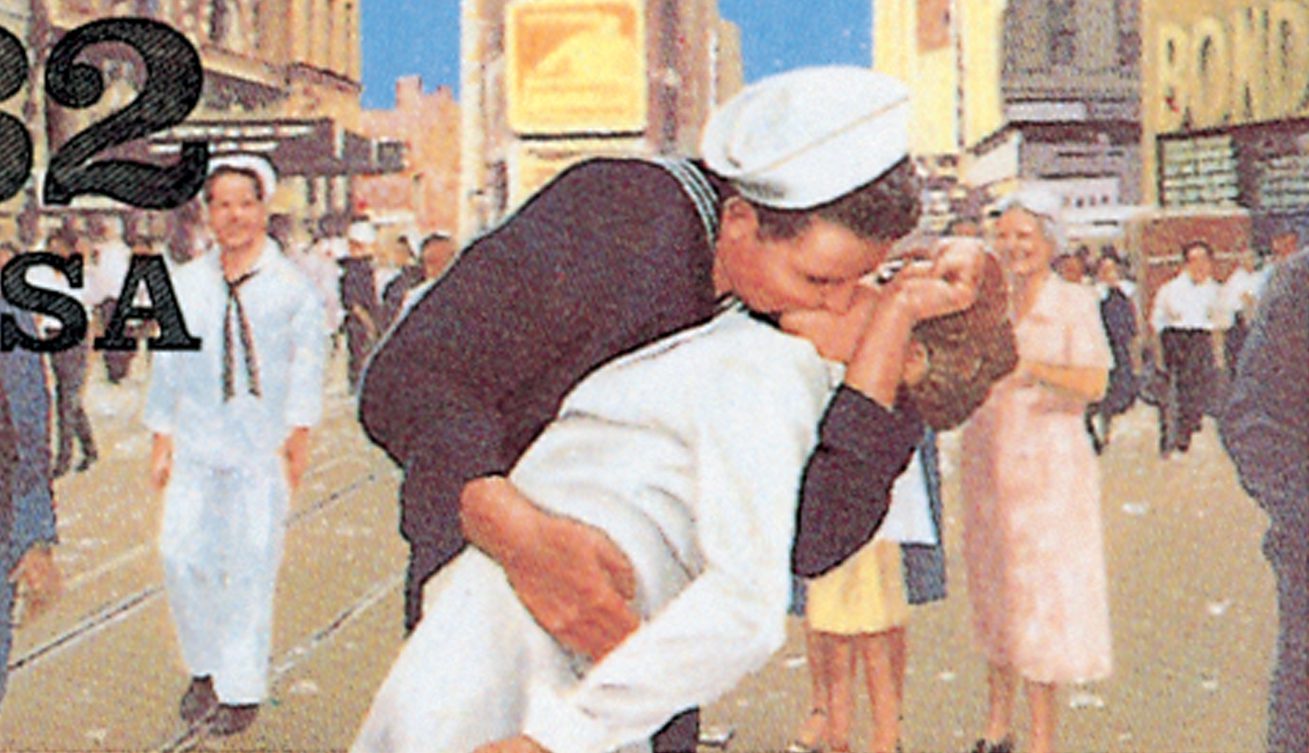
On September 2, 1945, Japan formally surrendered to the Allies aboard the USS Missouri. This is celebrated as VJ in the US. Many other countries celebrate VJ Day on August 15, when Japan announced its surrender.
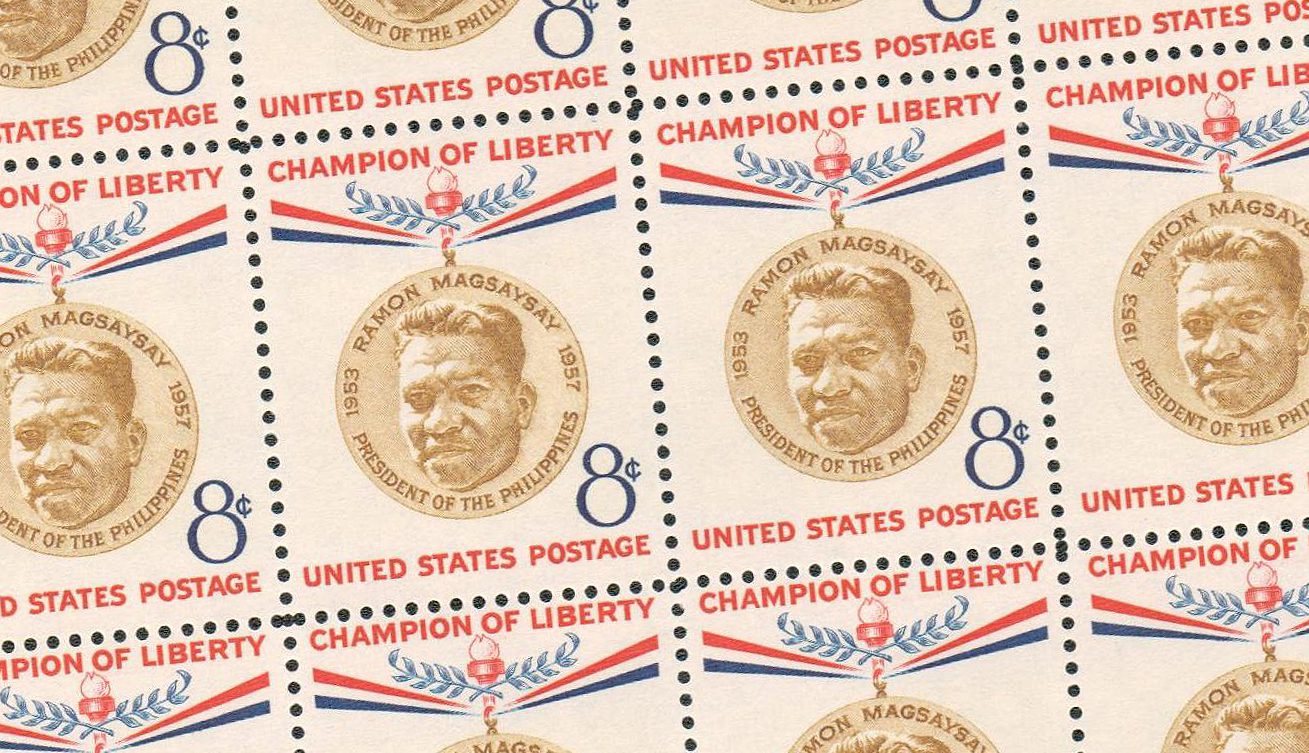
Ramon del Fierro Magsaysay Sr. was born on August 31, 1907, in Iba, Zambales, Philippine Islands. The Philippines’ seventh president, his administration was known for being free of corruption. He was later called the Champion of the Masses and the Defender of Democracy.
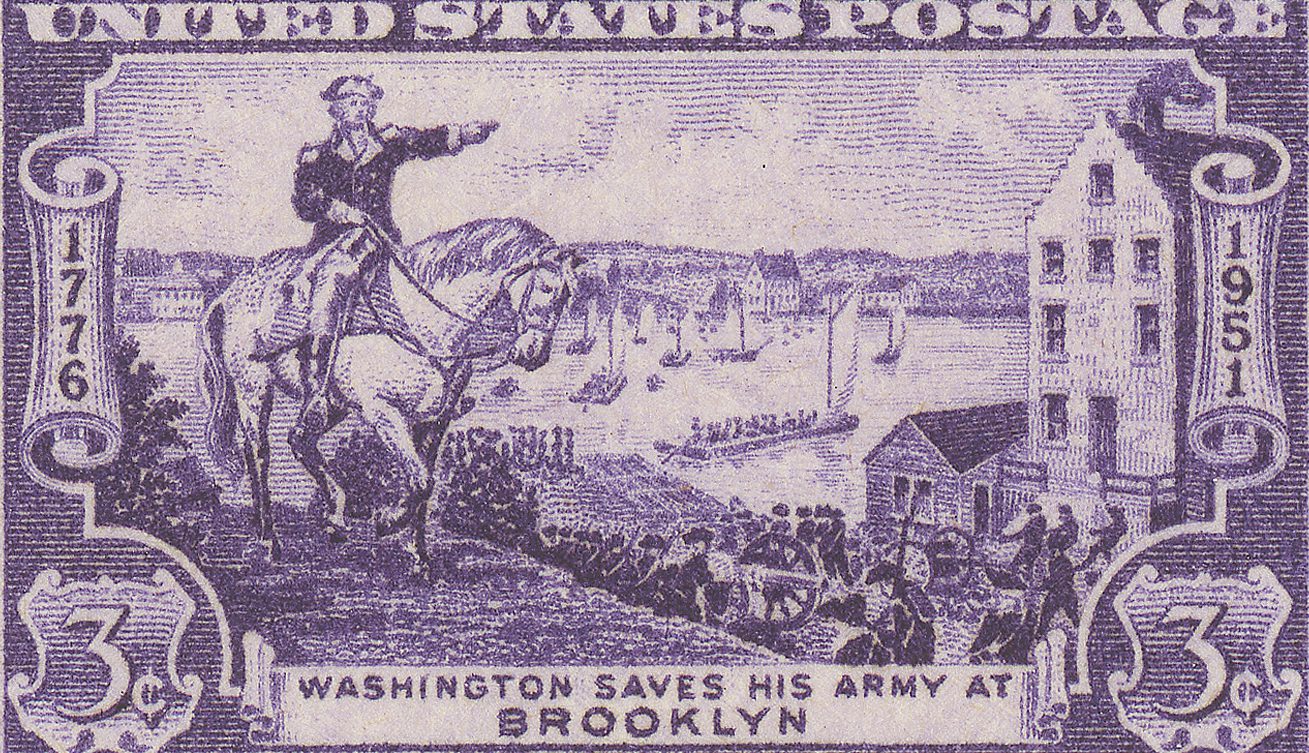
The Continental and British Armies engaged in their first fight of the Revolutionary War on August 27, 1776. The Battle of Brooklyn (also known as the Battle of Long Island or the Battle of Brooklyn Heights) was the largest battle of the war.

Phoebe Yates Levy Pember was born on August 18, 1823, in Charleston, South Carolina. During the Civil War, she directed the care and dietary needs of over 15,000 soldiers at Richmond’s Chimborazo, one of the CSA’s largest hospitals. She later recounted her experiences in her memoir, A Southern Woman’s Story.
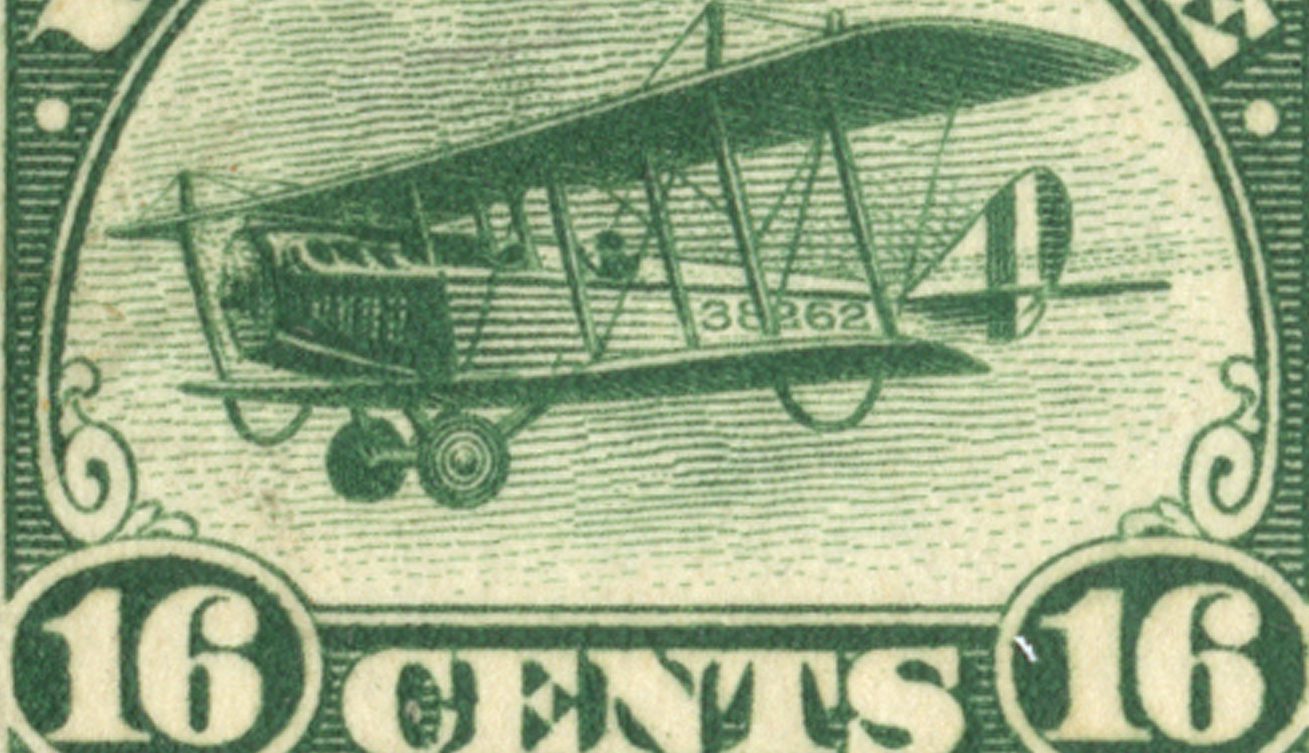
On August 12, 1918, the US Post Office Department took over control of airmail service from the US Army Air Service. Under the Post Office Department, the service flourished, leading to transcontinental airmail service, which was eventually taken over by private companies.
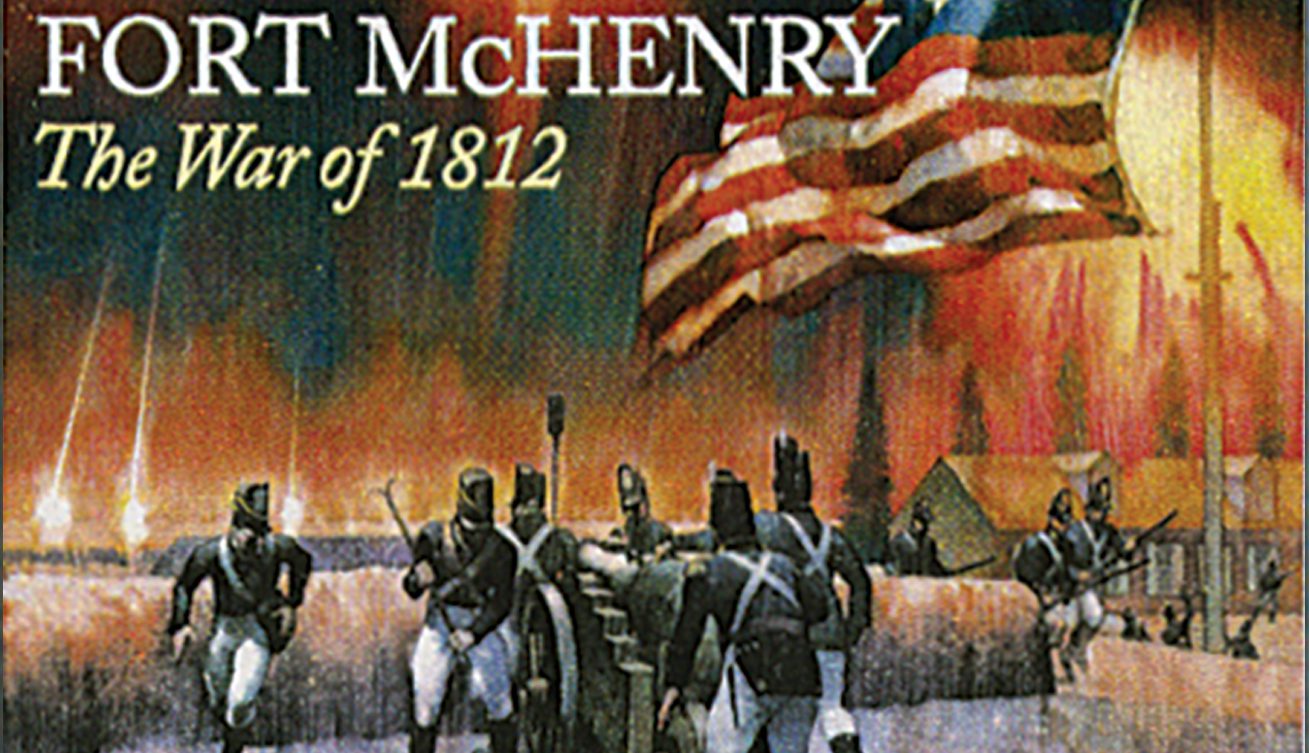
On August 11, 1939, Congress established Fort McHenry National Monument and Historic Shrine. The monument honors and preserves this historic fort where our national anthem was born. It’s also the only place in the National Park system to be designated a Historic Shrine.

On August 8, 1908, the Wright Brothers conducted their first public flight at the Hunaudieres racecourse near Le Mans, France. The flight, and the others that followed, helped the brothers earn international recognition as the inventors of the airplane.

On August 7, 1942, Allied troops landed on Guadalcanal, Tulagi, and Florida in the southern Solomon Islands. The Guadalcanal Campaign, also known as Operation Watchtower, was the Allies’ first major offensive against the Japanese Empire.
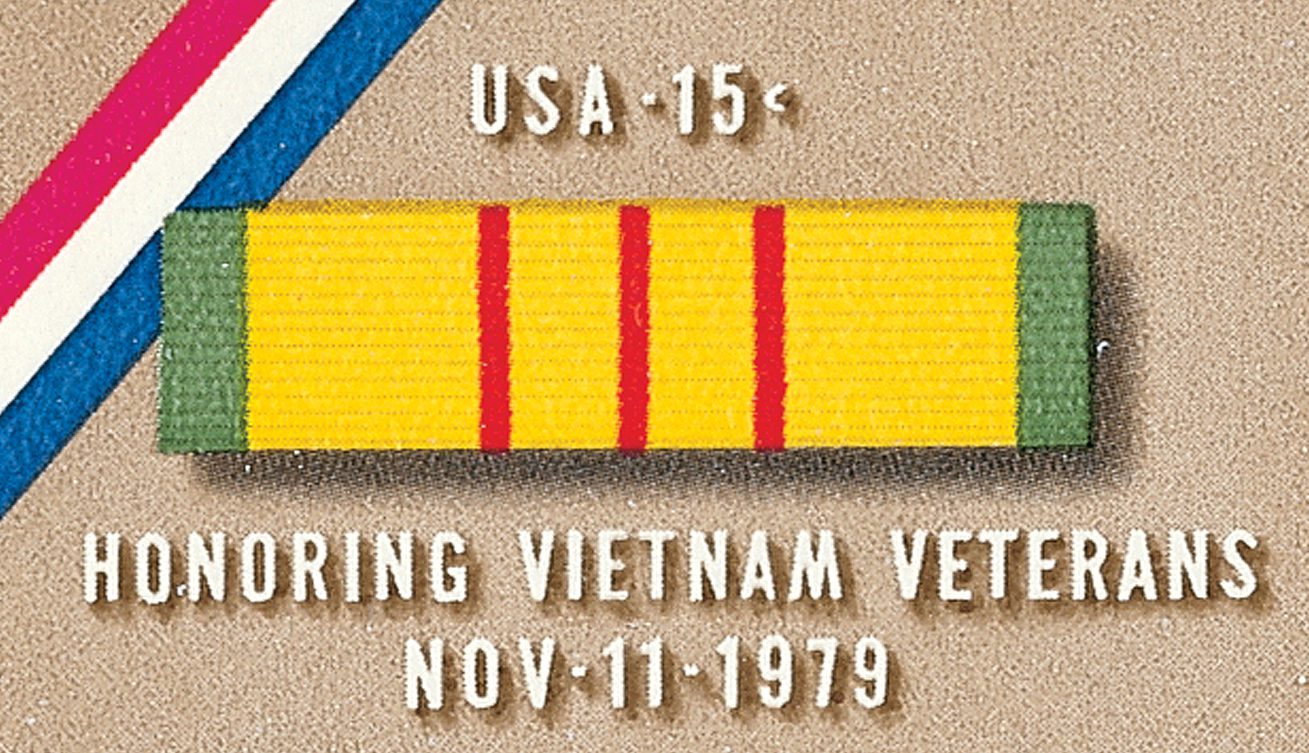
On August 5, 1964, the US launched Operation Pierce Arrow in response to the Gulf of Tonkin Incident. The operation marked the start of US air operations over North Vietnam.