

On December 27, 1947, Howdy Doody made his television debut on a program called Puppet Playhouse, marking an important moment in early TV history. The cheerful, freckle-faced marionette quickly became one of the first true stars of children’s television. At a time when television itself was still new, Howdy Doody helped shape what kids’ programming could be—and proved that television could be a powerful force in American family life.
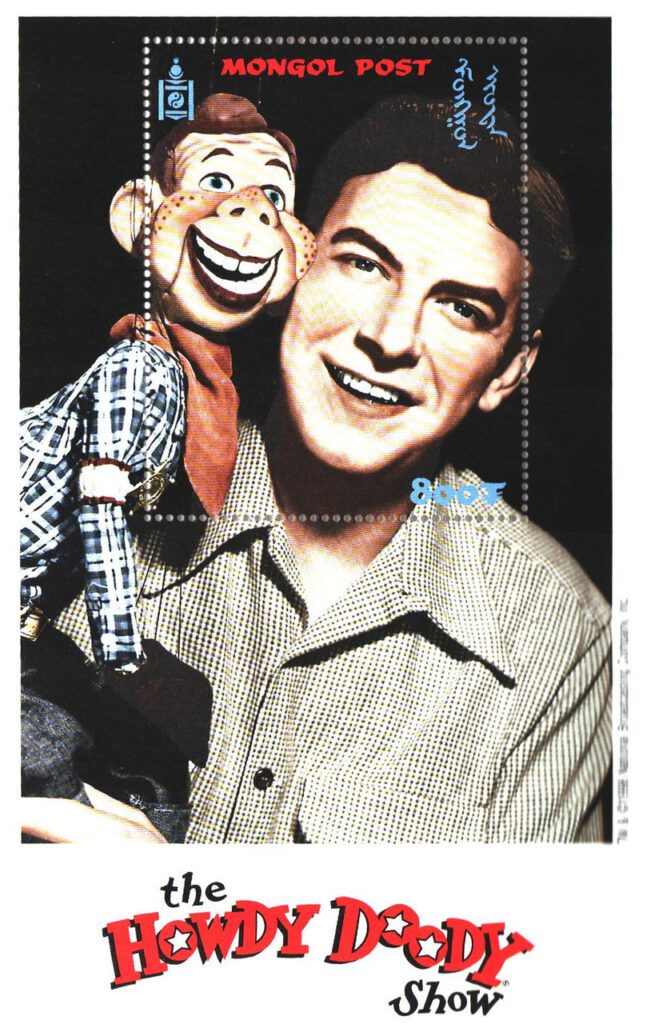
The show’s origins were actually on the radio. Bob Smith, better known as Buffalo Bob, hosted a popular children’s radio program called Triple B Ranch. The show featured songs, stories, and a friendly, upbeat host who spoke directly to young listeners. Seeing the growing interest in television after World War II, Smith convinced NBC executives to experiment with bringing the program to the new medium. When the show debuted on television as Puppet Playhouse on December 27, 1947, one character immediately stood out: a wooden marionette named Howdy Doody.

Children quickly fell in love with Howdy’s playful personality and friendly greeting—“Howdy, kids!” His popularity grew so fast that within a week, NBC renamed the show The Howdy Doody Show. The character’s appeal was helped by the interactive nature of the program. Buffalo Bob spoke directly to viewers at home, making children feel like part of the action during a time when television was often stiff and formal.
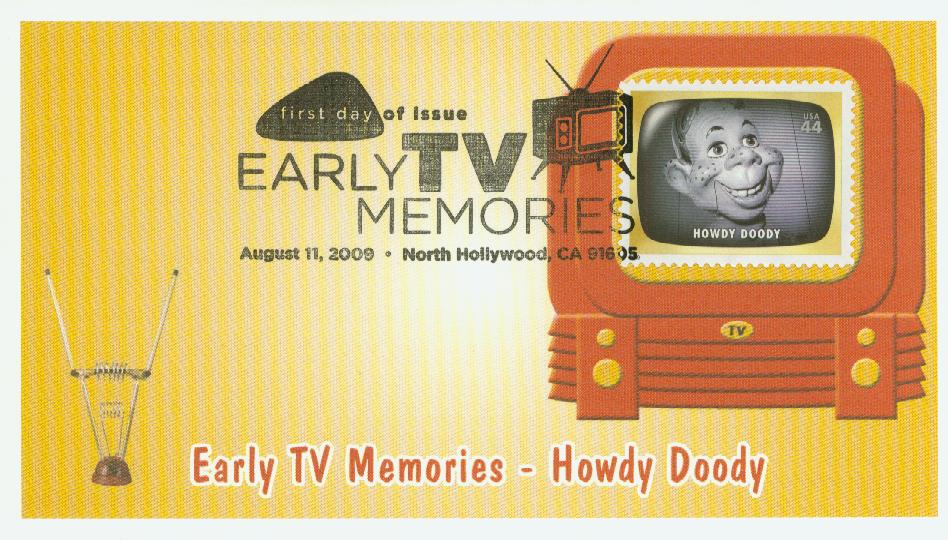
The original Howdy Doody puppet, however, looked very different from the famous version most people remember. After a dispute between Buffalo Bob and the puppet’s creator, the original marionette was removed from the show. While a new puppet was being designed, the writers came up with a clever explanation. They told viewers that Howdy Doody was running for “President of all the Boys and Girls” in the 1948 election. The response was overwhelming. The show received 60,000 requests for campaign buttons—an astonishing number at a time when only about one-third of American households even owned a television. This confirmed that Howdy Doody was a national sensation.

When Howdy returned in March 1948, he looked completely different. The new puppet had bright red hair, a wide smile, and 48 freckles, one for each state in the Union at the time. Howdy joked that he had undergone plastic surgery while on the campaign trail. This version of Howdy Doody became iconic, representing the “all-American boy.” The live studio audience of children, known as the Peanut Gallery, immediately embraced him, shouting greetings and reacting loudly to every moment of the show.
The world of Howdy Doody soon expanded into a lively place called Doodyville, filled with both human performers and puppet characters. One of the most memorable was Clarabell the Clown, a silent clown who communicated through gestures, honking horns, and squirting seltzer water. Clarabell was played by Bob Keeshan, who later went on to become famous as Captain Kangaroo, another beloved children’s television host.
At first, The Howdy Doody Show aired three nights a week, but its popularity quickly earned it a daily time slot. As production costs increased, the show eventually moved to Saturday mornings, helping establish that time as prime viewing for children. In 1955, Howdy Doody made television history again by becoming one of the first NBC programs produced in color, adding to its visual appeal and innovation.
By the late 1950s, Buffalo Bob was growing older, and television audiences were changing. The show’s popularity slowly declined, and the final broadcast aired on September 24, 1960. The episode looked back on the program’s long history and emotional moments. At the very end, Clarabell the Clown shocked viewers by speaking for the first time, saying, “Goodbye, kids,” with tears in his eyes.
In the 1970s, nostalgia for the 1950s swept the nation. After Howdy Doody appeared on Happy Days, the show was revived for 130 episodes in 1976 and 1977. A decade later, Howdy returned once more for a 40th anniversary celebration, reminding Americans of the character who helped define the early days of children’s television.
| FREE printable This Day in History album pages Download a PDF of today’s article. Get a binder or other supplies to create your This Day in History album. |
Discover what else happened on This Day in History.
Howdy Doody certainly brings back memories for me as I was born in 1946, and definitely watched in the 50’s. Thanks for the memories.
I was born five days before the show began, and I too recall watching the program on television in the fifties. Lots of laughs and good memories.
Got up to watch it. Real adventure with
Rama of the Jungle. Waited endlessly for Saturday.
I fondly remember Howdy Doody and Knucklehead Smith in the 1950’s. My older brother and I laughed ‘till we cried.
I remember singing the song everyday when I was just a little kid in the ‘50’s.