
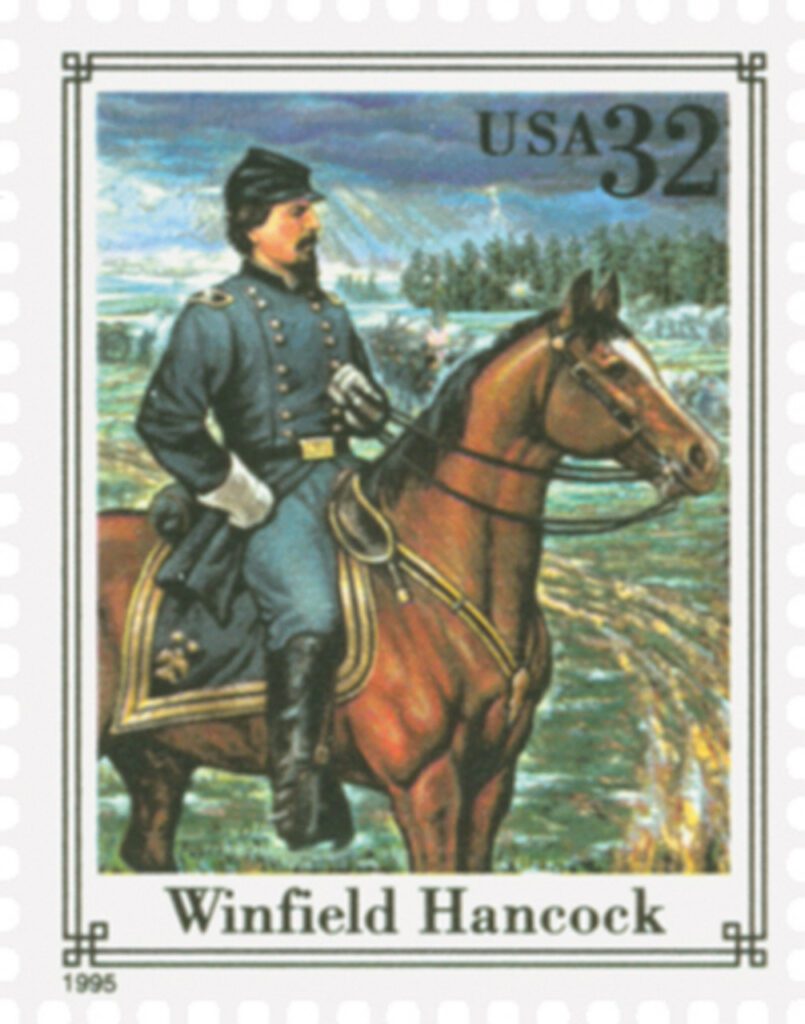
Winfield Scott Hancock was born on February 14, 1824, in Montgomeryville, Pennsylvania, and would grow into one of the Union Army’s most respected battlefield commanders. Known later as “Hancock the Superb,” he built his reputation not through legend, but through steady leadership in some of the Civil War’s hardest fights.
Named after famed War of 1812 general Winfield Scott, Hancock attended Norristown Academy and local public schools before receiving a nomination to the US Military Academy at West Point. He graduated in 1844, finishing 18th in a class of 25, and was commissioned into the 6th US Infantry.
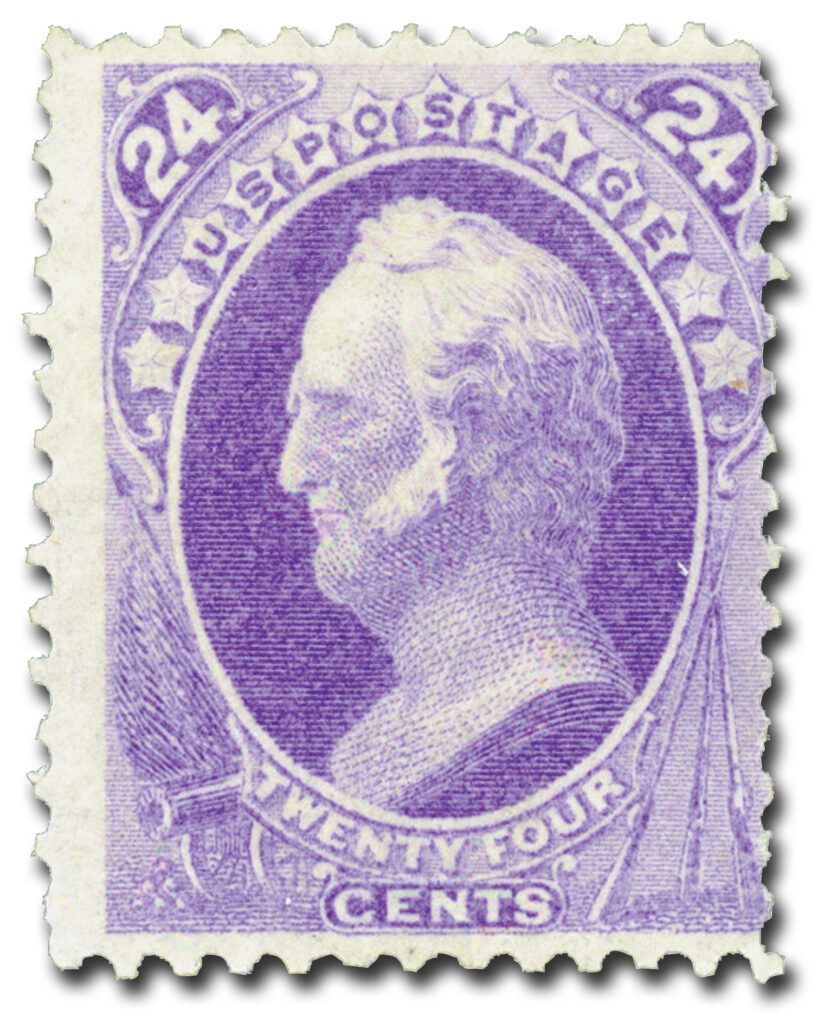
Early in his career, Hancock served in Indian Territory and worked as a recruiting officer. His first combat came during the Mexican-American War, where he served under General Winfield Scott. He fought at battles including Contreras and Churubusco and was wounded at Churubusco in 1847. The injury kept him from participating in later operations toward Mexico City, something he reportedly regretted.
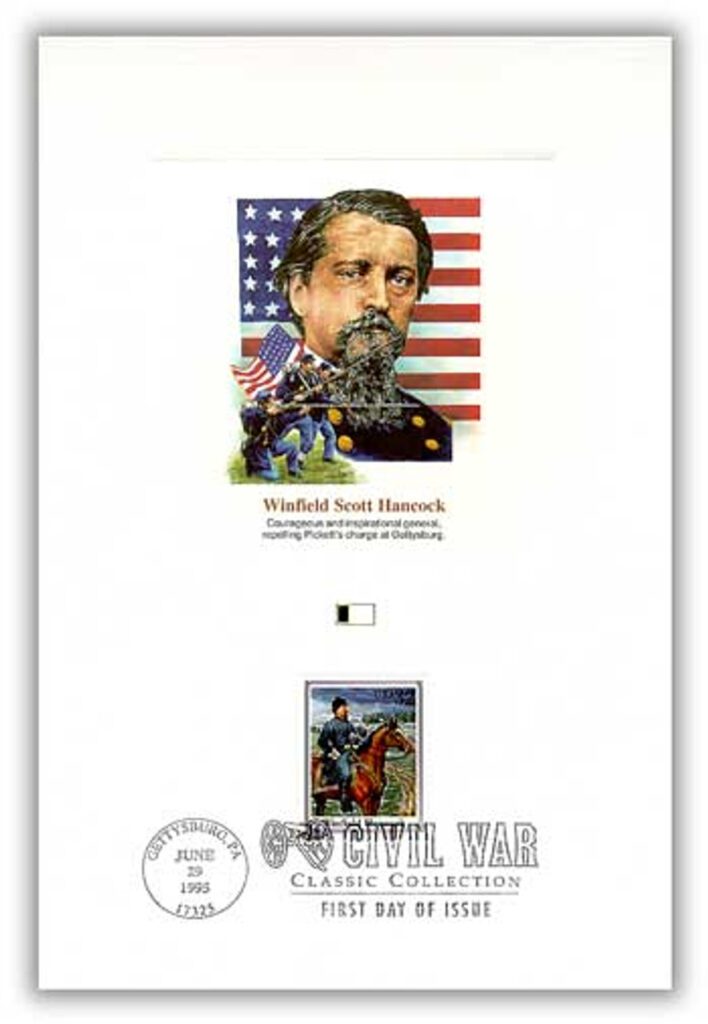
After the war, Hancock spent years in routine army assignments across the country, including Minnesota, Missouri, Kansas, Florida during the Third Seminole War, and California. He married Almira Russell in 1850, and the couple had two children. These years helped shape him into a professional officer known for discipline and calm judgment.
At the start of the Civil War in 1861, Hancock was stationed in California but returned east and was appointed a brigadier general in the Army of the Potomac. During the 1862 Peninsula Campaign, he led a successful counterattack at the Battle of Williamsburg. General George McClellan praised his performance, leading to the nickname “Hancock the Superb.”

Over the next year, Hancock fought in several major battles, including Antietam, Fredericksburg, and Chancellorsville. He was wounded more than once but gained a reputation for staying calm under fire and maintaining control of his troops in difficult situations.
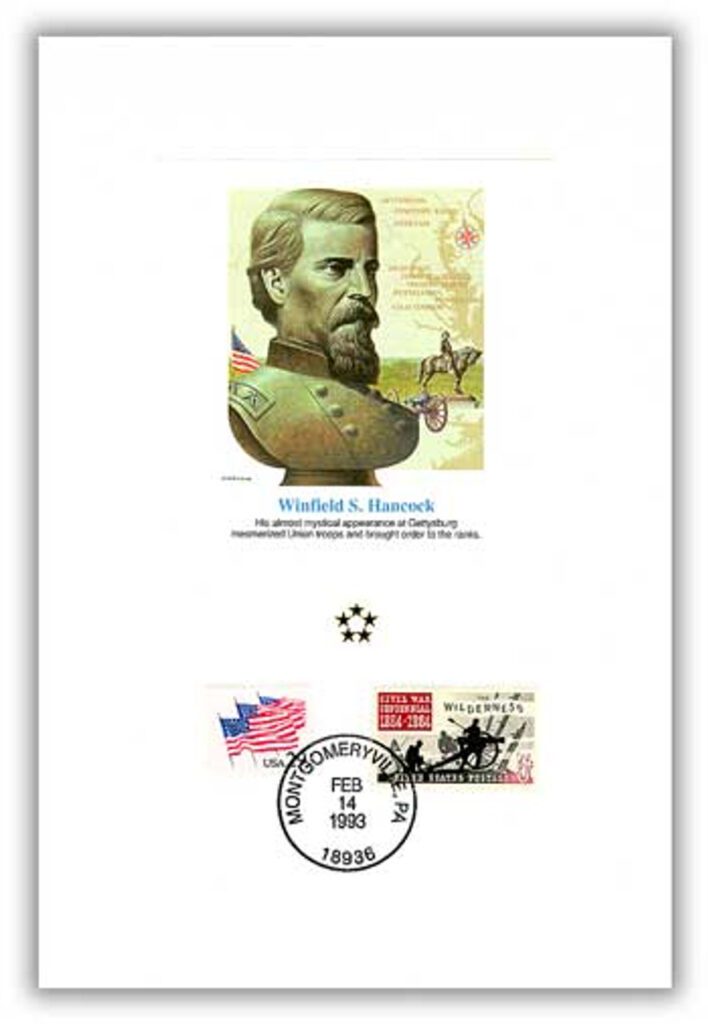
In May 1863, Hancock took command of II Corps of the Army of the Potomac, a position he held for most of the rest of the war. His most important service came two months later at the Battle of Gettysburg. On the first day, after Union General John Reynolds was killed, Hancock helped organize defenses on high ground at Cemetery Hill. His decisions helped shape the Union defensive position for the rest of the battle.
On July 3, 1863, Hancock’s corps held the Union center and absorbed the main impact of Pickett’s Charge. During the attack, Hancock rode along the line directing the defense and was severely wounded when a bullet struck his saddle and injured his thigh. Despite the injury, his leadership helped repel the Confederate assault.
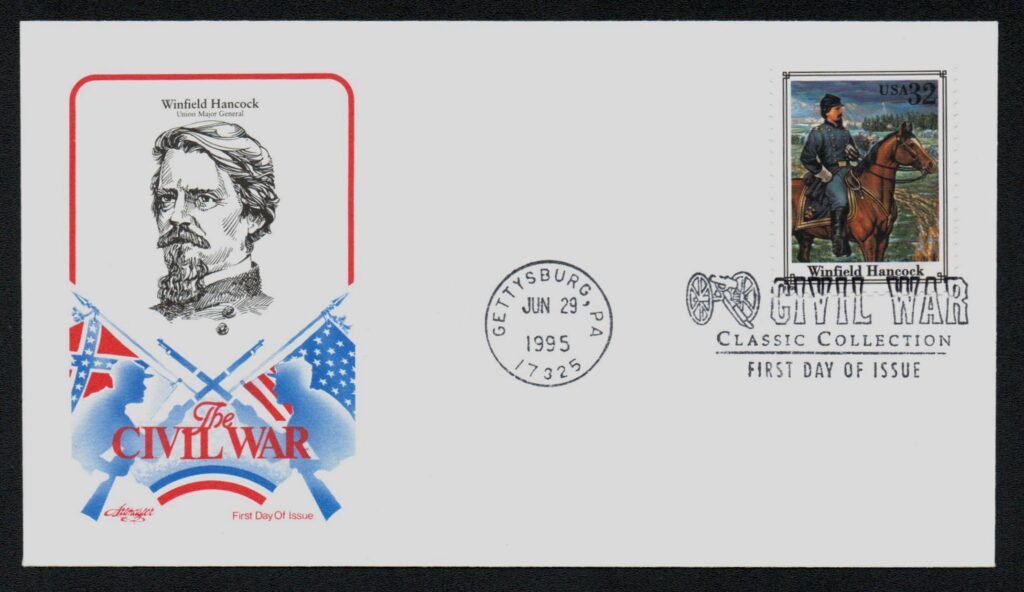
After months of recovery, Hancock returned to command during Ulysses S. Grant’s 1864 Overland Campaign, fighting in the Wilderness, Spotsylvania, Cold Harbor, and the Siege of Petersburg. However, lingering effects from his Gettysburg wound contributed to his decision to step down from field command later in 1864.
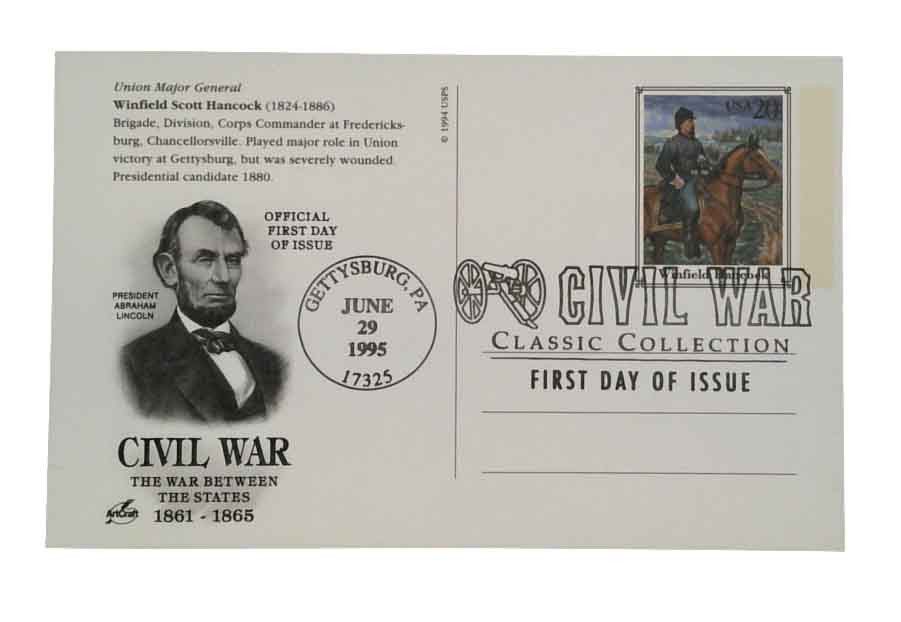
Following the war, Hancock continued serving as a major general. During Reconstruction, his policies in Louisiana and Texas emphasized civilian authority. This stance made him popular with Democrats, who nominated him for president in 1880. He narrowly lost to Republican James A. Garfield before returning to military service.
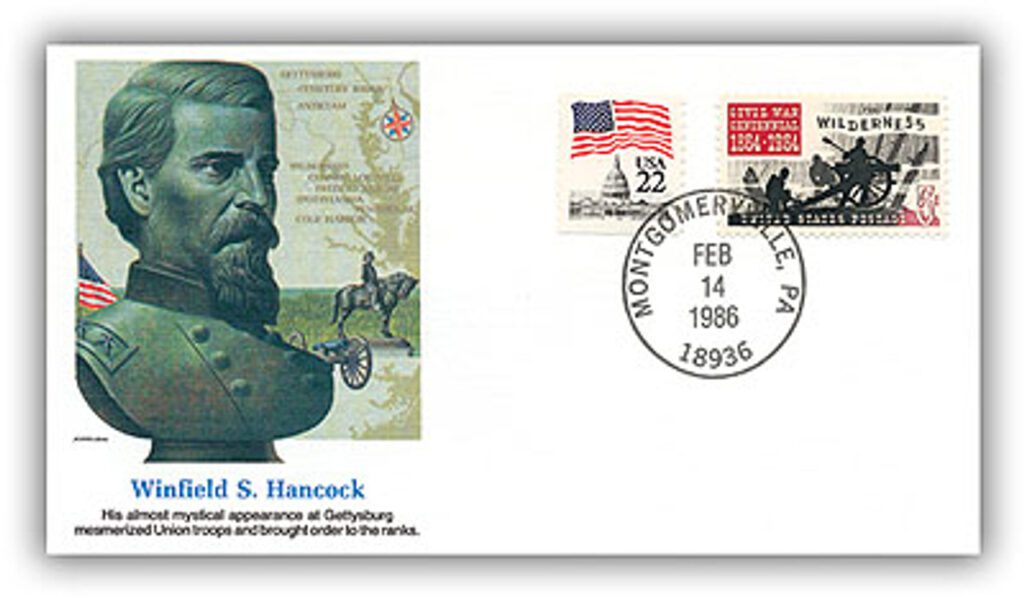
Winfield Scott Hancock died on February 9, 1886, at Governors Island, New York, after more than four decades in uniform. Today, he is remembered as a capable, steady commander whose leadership helped hold the Union line at critical moments of the Civil War.
| FREE printable This Day in History album pages Download a PDF of today’s article. Get a binder or other supplies to create your This Day in History album. |
Discover what else happened on This Day in History.
Thanks Mystic for a refresher on one of our military heroes. I did not know he ran for president.
While General Hancock graduated in the lower half of his class of 25 at West Point, he obviously was still a very smart man, and committed to his Army service at that time. While he was wounded multiple times during his military career through, and during the US reconstruction, following the Civil War, he continued to never give-up and, ultimately, did a great job during his military service.. My surprise is that I never knew he also ran for President, and lost the close election to James Garfield in 1880. A super history update, Mystic !!
Hancock’s home when he was in California is still in Sonoma.
Very interesting and inspiring!!!
I had never heard about him before and I have studied a lot of American history. I am forwarding this story to my grandnephew who is currently studying at a military college to be a commissioned officer in the United States Army.
I’ve been learning a great deal from these daily history lessons! Thank you, Mystic, for this continuing education.
For all of those who read Mystic’s wonderful TDIH, I have 2-suggestions if you haven’t already done so. One, collect the stamps and learn about the people featured in USPS “Black Heritage” series. This may be the most important series ever issued. (The APS has a free album download for the series and full of info for each stamp.) Two, go to the Smithsonian Institution website, home of the postal museum and great learning of history. Mystic is part of that as well. You’ll be glad you did both.