

On January 13, 1864, Stephen Foster—the man often called the “father of American music”—died alone in a New York City boardinghouse. He was just 37 years old, yet the songs he left behind would echo for generations. Long after his death, Americans would still be singing his melodies at home, on stage, and at public events, often without realizing they were hearing the work of one of the nation’s earliest and most influential songwriters.
Stephen Collins Foster was born on July 4, 1826, in Lawrenceville, Pennsylvania, near Pittsburgh. He was the youngest of nine children in a family that valued education and culture. Foster attended private schools but showed an early preference for music over traditional academics. He was largely self-taught and learned to play several instruments, including the clarinet, violin, guitar, flute, and piano. His natural musical ability became clear at a young age, even though he never received formal training in musical composition.

Foster wrote his first song, “Tioga Waltz,” when he was only 14 years old. At 17, he published his first piece, “Open Thy Lattice Love.” Although he briefly attended college, his time there was short-lived. A trip back to Pittsburgh changed his plans, and he never returned to school. Instead, Foster chose a practical path, moving to Cincinnati, Ohio, where he worked as a bookkeeper for his brother’s steamship company. Music, however, remained his true passion.
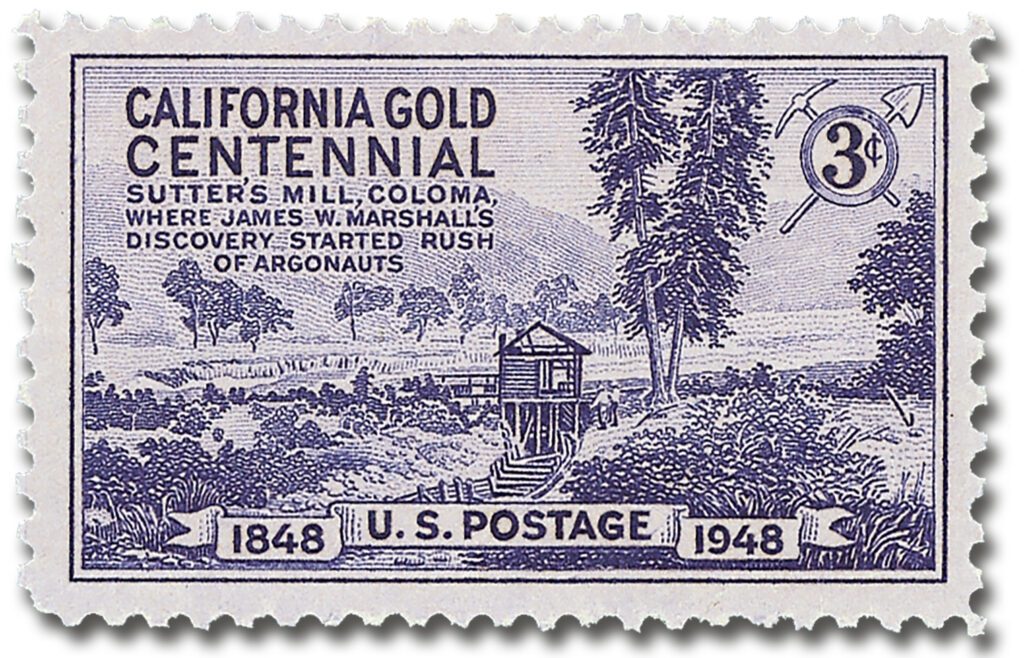
While living in Cincinnati in the late 1840s, Foster experienced his first major success as a songwriter. Between 1848 and 1849, he wrote songs that quickly gained national attention. One of these was “Oh! Susanna,” which became wildly popular during the California Gold Rush. Sung by miners, travelers, and performers, the song helped cement Foster’s reputation. Around the same time, he published Foster’s Ethiopian Melodies, which included “Nelly Was a Lady,” a song later popularized by the Christy Minstrels.
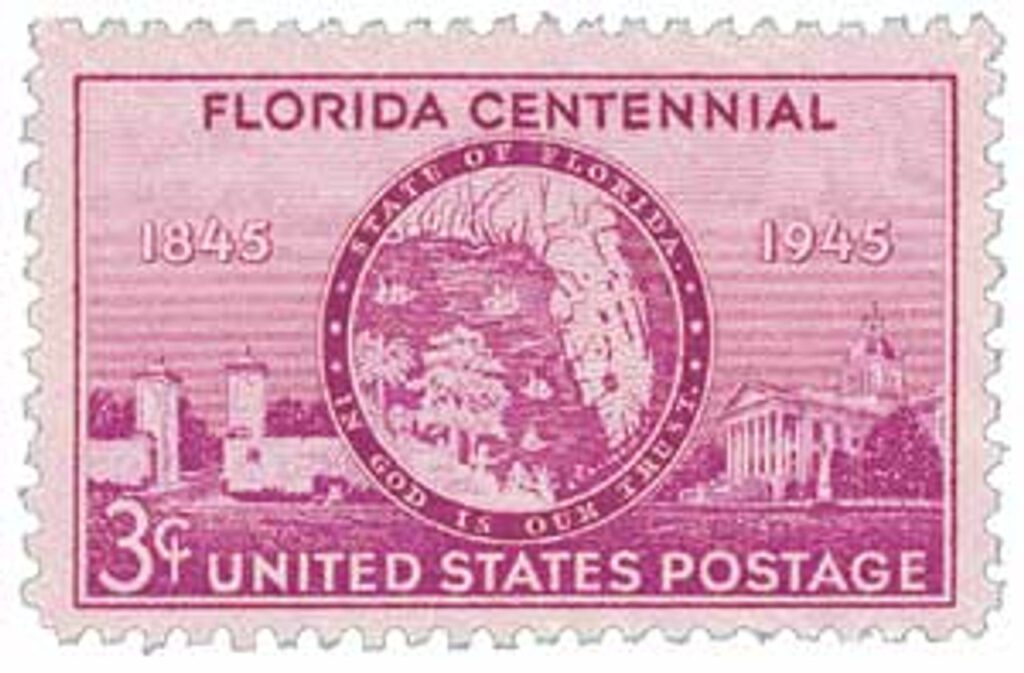
Following this success, Foster returned to Pennsylvania and signed a contract with the Christy Minstrels, one of the most famous entertainment groups of the era. This partnership marked the most productive period of his career. During the early 1850s, Foster wrote many songs that are still well known today, including “Camptown Races,” “Nelly Bly,” “Ring de Banjo,” “Old Folks at Home” (also called “Swanee River”), “My Old Kentucky Home,” “Old Dog Tray,” and “Jeanie with the Light Brown Hair.” Although many of these songs feature Southern settings and themes, Foster never lived in the South and only visited once. His ideas were shaped instead by popular culture, stories, and imagination.
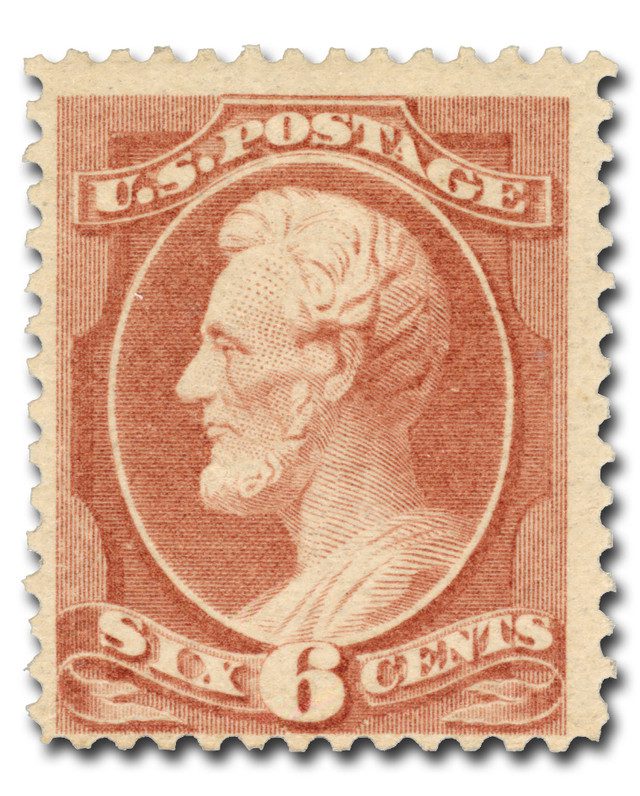
As the Civil War began, Foster responded to national events through music. After President Abraham Lincoln called for volunteers, Foster set the poem “We Are Coming, Father Abra’am” to music, turning it into a patriotic song. Despite his earlier success, Foster struggled financially in his later years. Little is known about this period of his life, though it is believed he wrote one of his most enduring songs, “Beautiful Dreamer,” sometime between 1862 and 1864.

In January 1864, Foster became ill with a severe fever and suffered a tragic fall that caused a serious wound. He was discovered and taken to the hospital, but his condition worsened. On January 13, 1864, Stephen Foster died, leaving behind a small amount of money—and a legacy far greater than anyone at the time could have imagined.

After his death, Foster’s music only grew more popular. January 13 is officially recognized as Stephen Foster Memorial Day under Title 36 of the US Code. Two state parks bear his name, and another—My Old Kentucky Home State Park—honors one of his most famous songs. “My Old Kentucky Home” is the state song of Kentucky, while “Old Folks at Home” holds that distinction in Florida. Though his life was short and often difficult, Stephen Foster’s melodies helped shape American music and continue to connect people to the nation’s early cultural history.
Click here to listen to some of Foster’s songs.
| FREE printable This Day in History album pages Download a PDF of today’s article. Get a binder or other supplies to create your This Day in History album. |
Discover what else happened on This Day in History.
My parents had a set of 8 jelly glasses each with a Stephen Foster song on it.
That was in the late 1940’s.
What a talented young man. I still love his songs to this day.
Thanks for the memories Mystic
Blessings to all