

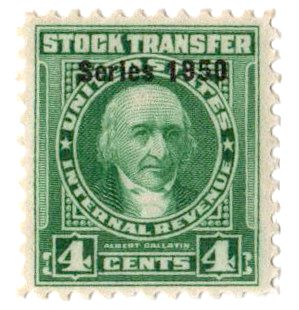
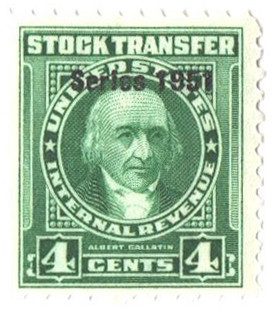
Politician and diplomat Abraham Alfonse Albert Gallatin was born on January 29, 1761, in Geneva, Switzerland. His journey from European aristocrat to one of the most influential financial minds in US history is a story of ambition, intellect, and public service.
Gallatin came from a distinguished family with deep roots in European society. His relatives included physicians, statesmen, and military officers. One family member even commanded a battalion during the Battle of Yorktown, the decisive American victory that ended major fighting in the Revolutionary War.
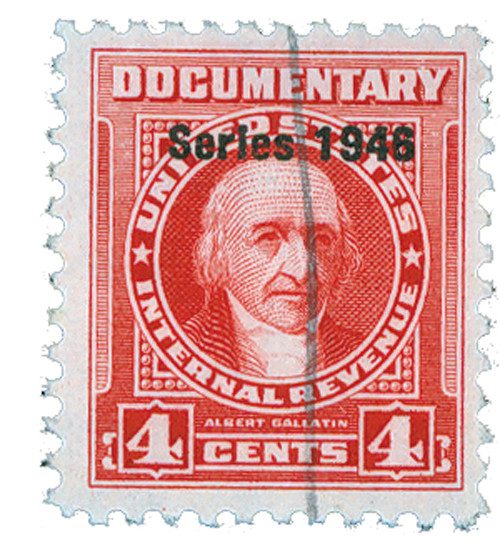
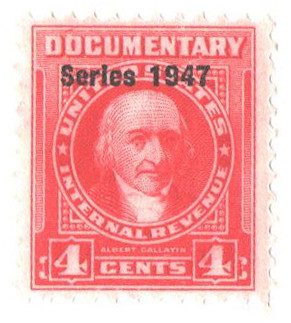
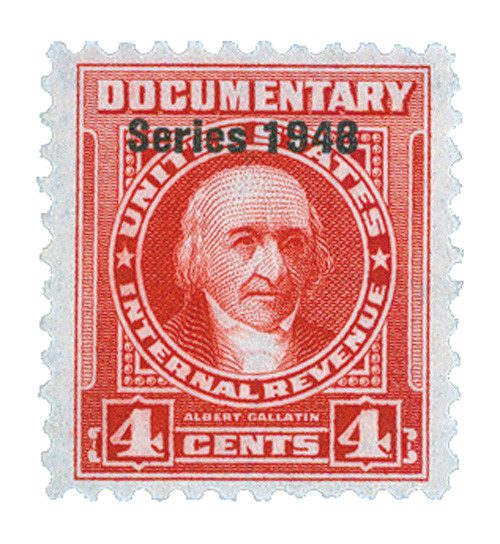
Orphaned at a young age, Gallatin was raised by relatives who expected him to follow a traditional European path in public service or scholarship. He excelled academically and graduated at the top of his class from the Academy of Geneva, where he studied philosophy, history, and classical languages.
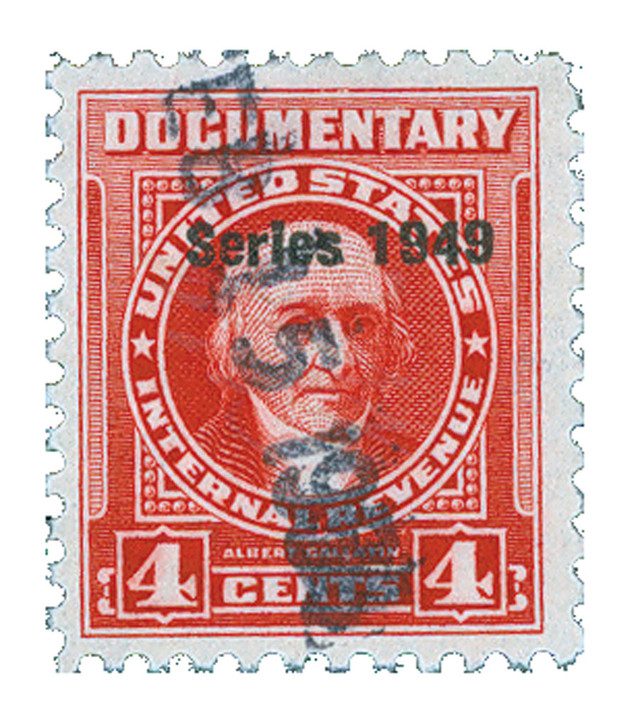
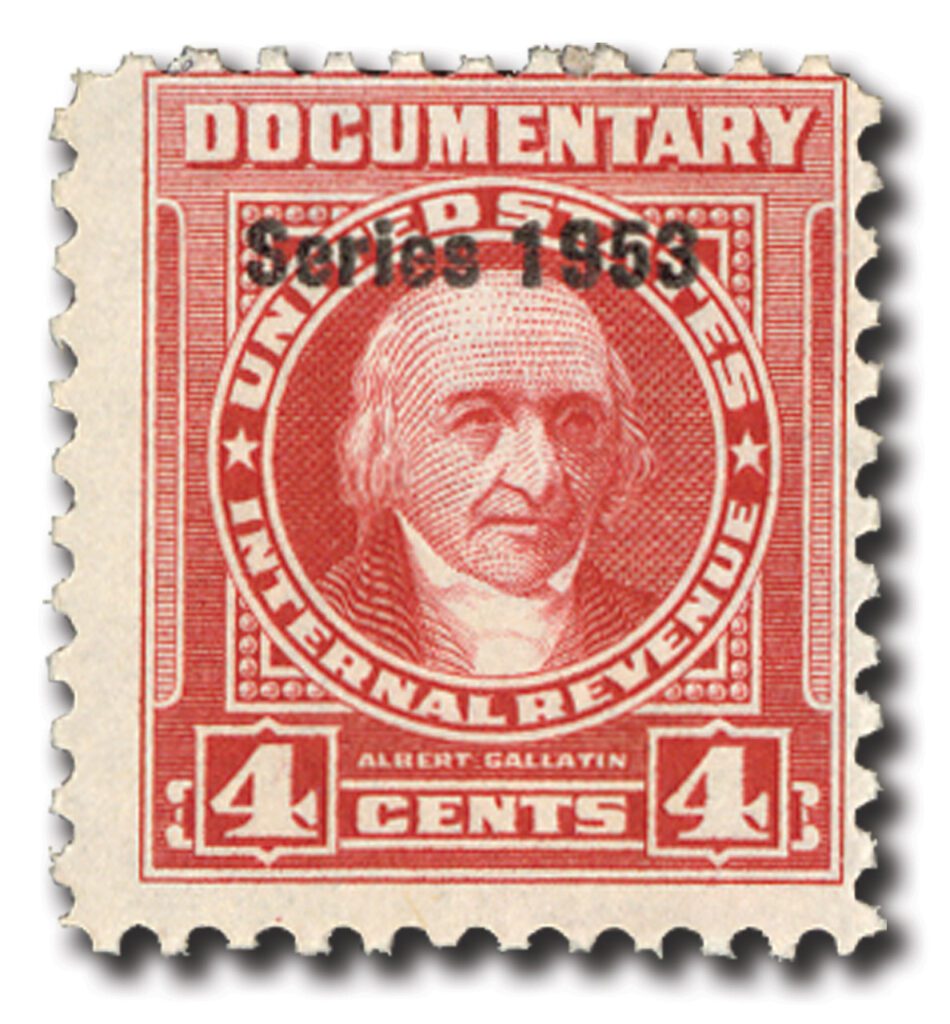
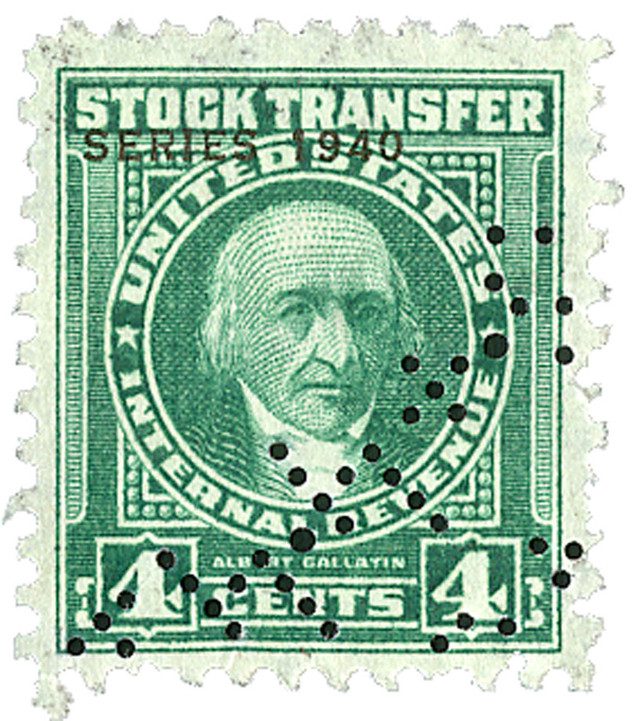
Despite these advantages, Gallatin felt restless. In May 1779, at just 18 years old, he secretly left Europe with a close friend and sailed for the United States. The American Revolution was still underway, and the young republic represented opportunity and political ideals that deeply appealed to him. After arriving in Massachusetts, Gallatin supported himself through a variety of pursuits. He taught French at Harvard University and later moved into business. His ventures included glass manufacturing in Pennsylvania and the production and sale of muskets, both important industries in the early American economy.
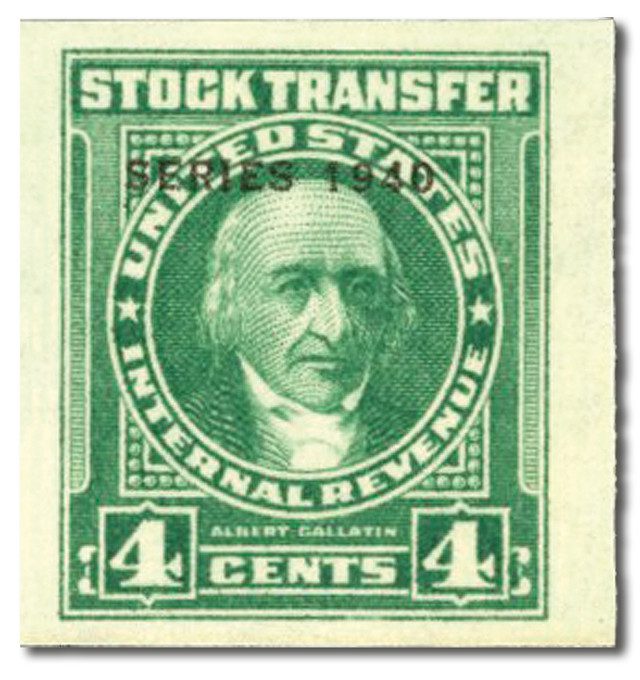
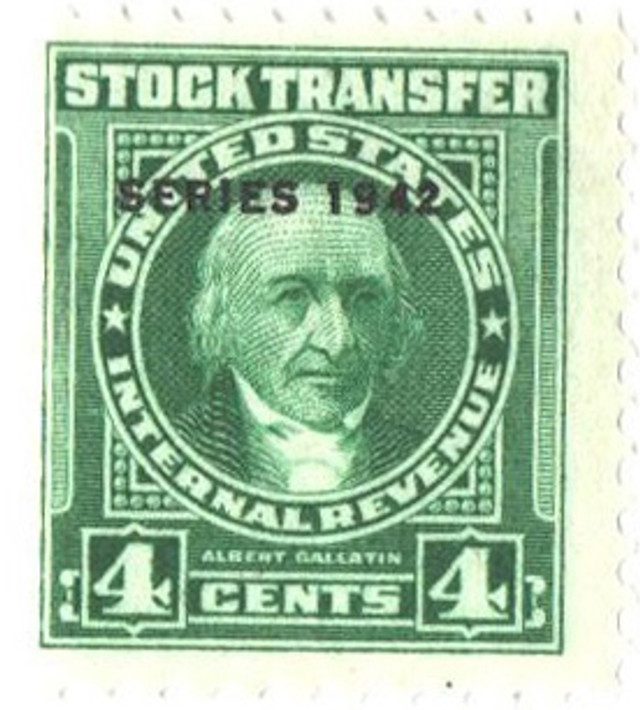
Gallatin soon became involved in politics. In 1789, he served as a delegate to Pennsylvania’s state constitutional convention. A year later, voters elected him to the Pennsylvania General Assembly. His sharp understanding of finance and taxation quickly set him apart. In 1793, the Pennsylvania legislature elected him to the US Senate. However, his tenure was brief. Political opponents challenged his eligibility, arguing that he had not been a US citizen for the required nine years. The Senate agreed, and Gallatin was removed from office in 1794.
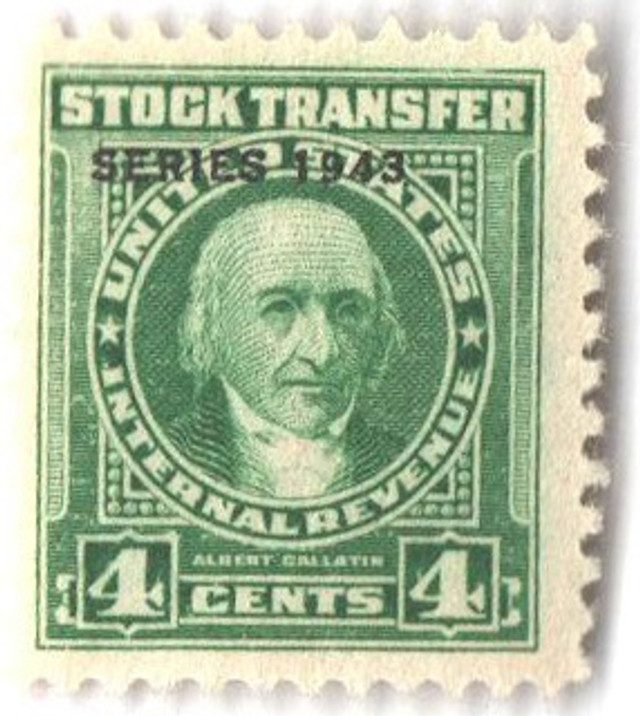
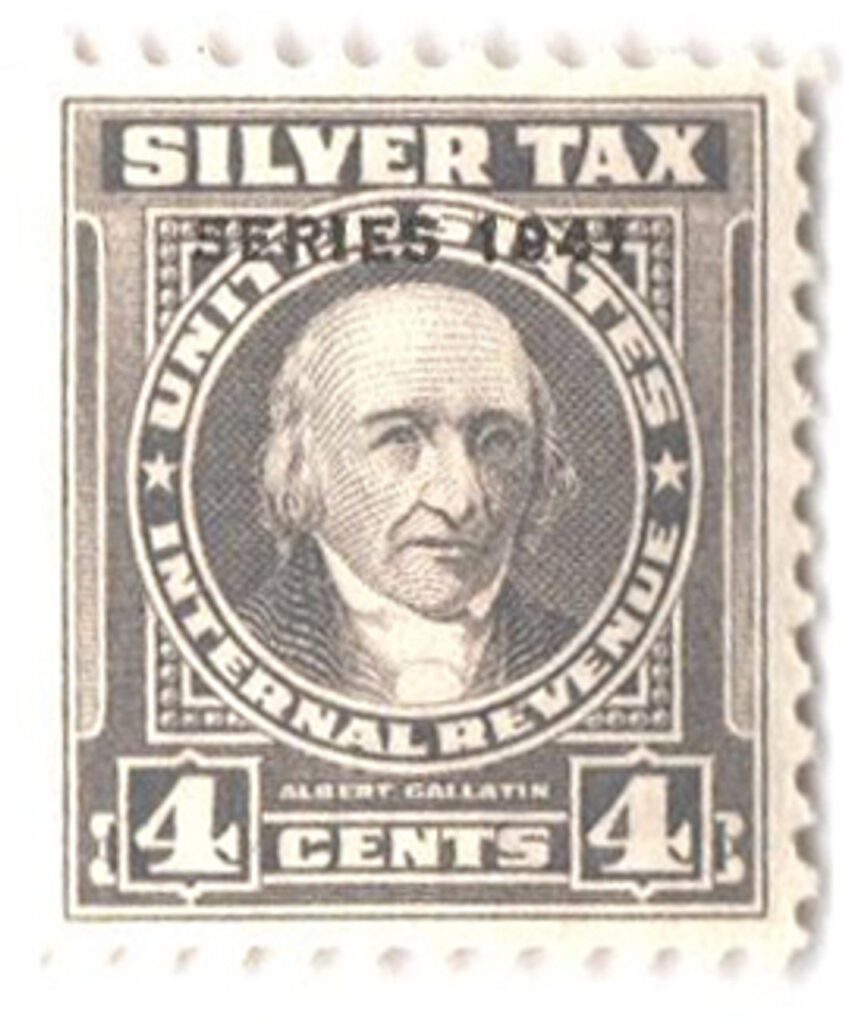
The controversy did not end his career. In 1795, voters elected Gallatin to the US House of Representatives, where he eventually became the majority leader. As a leading figure in the Democratic-Republican Party, he emerged as Congress’s chief authority on financial policy. He strongly opposed Federalist plans for high taxes and a powerful central bank. Gallatin also helped establish the House Committee on Finance, which later became the powerful Ways and Means Committee.
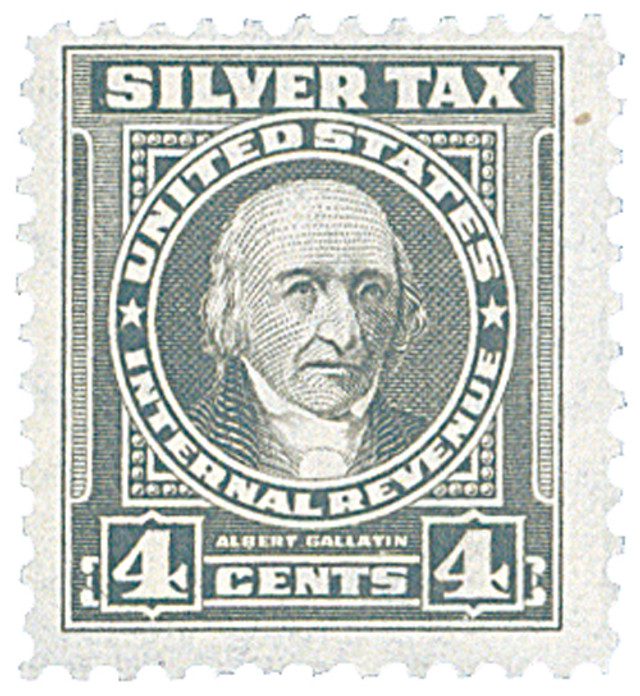
Gallatin’s greatest influence came after Thomas Jefferson was elected president in 1800. In 1801, Jefferson appointed him secretary of the Treasury, a post Gallatin would hold for 13 years—the longest tenure in US history. Gallatin worked to reduce government spending, simplify accounting practices, and eliminate unnecessary taxes. Under his leadership, the federal budget was balanced, and the national debt fell from about $80 million to $45 million.
He played a crucial role in the Louisiana Purchase in 1803. Gallatin helped resolve the constitutional questions surrounding the deal and ensured it could be financed without raising taxes. He also supported and helped plan the Lewis and Clark expedition, which explored the vast new territory.
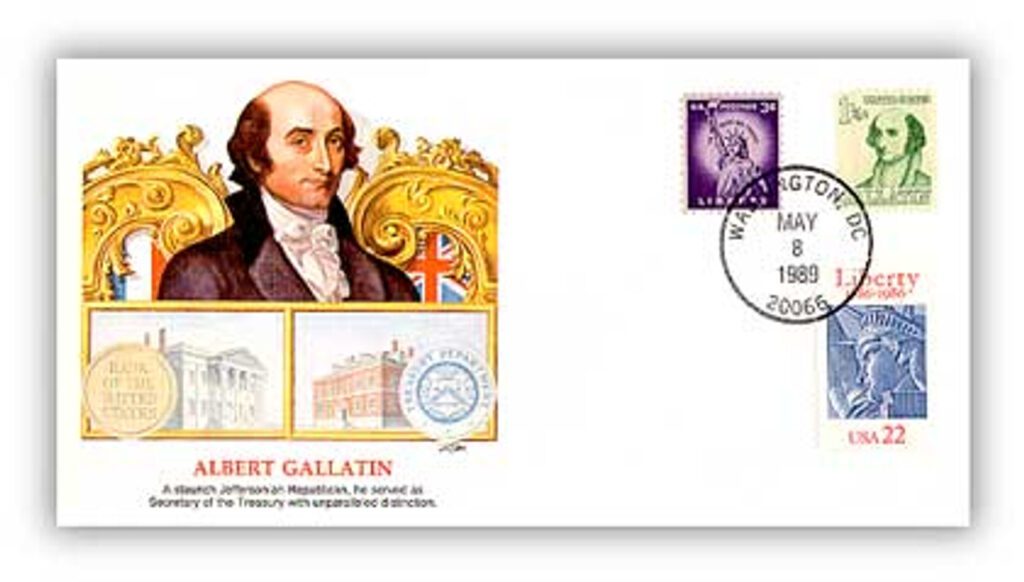
After leaving the Treasury in 1814, Gallatin continued his service to the nation as a diplomat. He was a lead negotiator at the Treaty of Ghent, which ended the War of 1812. He later served as US minister to France and then to Great Britain. In his later years, Gallatin settled in New York City, where he helped found New York University in 1831.
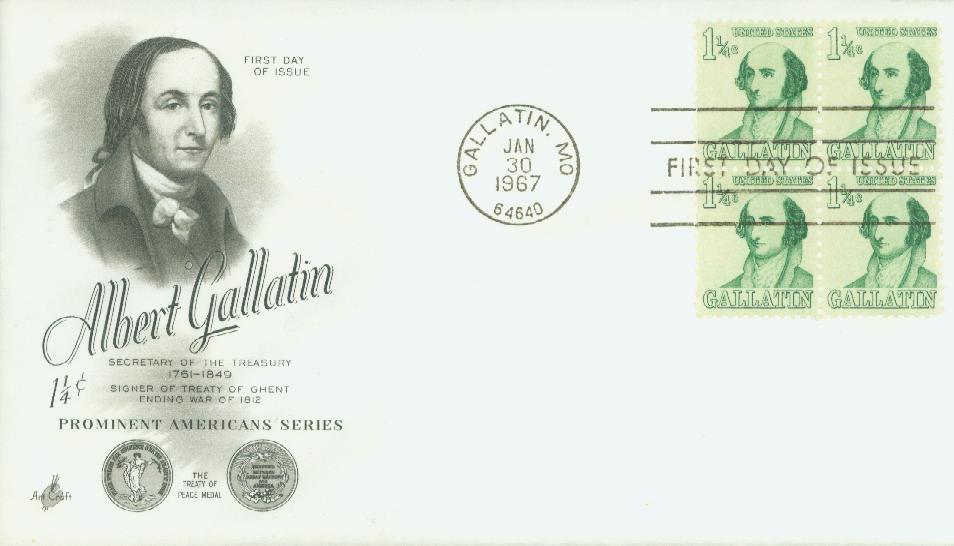
Gallatin died in New York on August 12, 1849. His legacy lives on through counties, towns, rivers, and streets that bear his name, as well as the US Treasury’s highest career service award, the Albert Gallatin Award.
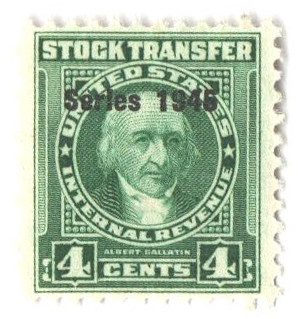
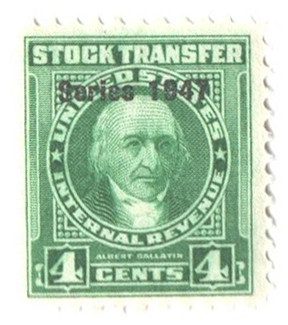
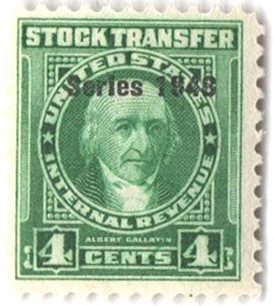
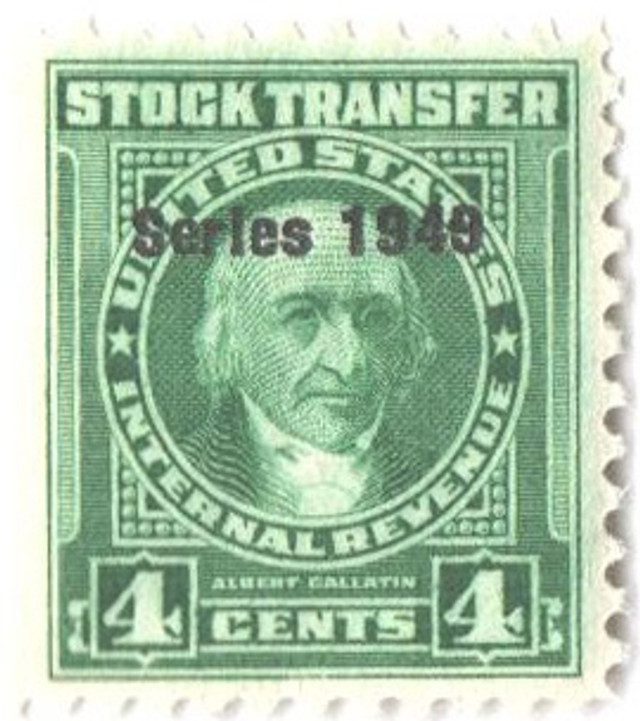
| FREE printable This Day in History album pages Download a PDF of today’s article. Get a binder or other supplies to create your This Day in History album. |
Discover what else happened on This Day in History.
Great summary
His home in western Pennsylvania is a National Historic Site.
I’d like to think I’m pretty knowledgeable about American History. I guess i’m not as i’ve never heard of this man. Great job Mystic.
The Albert Gallatin Award is given by the Treasury Department to employees serving in the Department for 20 or more years. A very nice recognition of service.
It’s pathetic that stamps are issued memorializing or commemorating people and events, but no history is released. Thanks, Mystic, for teaching me about this great American, and as a former NYer, I really appreciated this!
Well, of course, we have always had encyclopedias and now the internet. If you see a name or an event that you are unfamiliar with, look it up.
Thank you Mystic for enlightening me on a gentleman who served our nation well in many capacities. What a great history lesson!
Good job Mystic. Great history lesson!
I am embarassed to say as a long time former resident of Montana that has a whole region of teh state named after him I had no idea of his accomplishments. Thank you Mystic-
Thank you, Mystic! Most interesting!