

On March 21, 1891, General Joseph E. Johnston—who had served both the United States and the Confederacy—died after a final act of respect for a former enemy. His life traced the divided loyalties of the Civil War, and even in death, it reflected a measure of reconciliation between North and South.
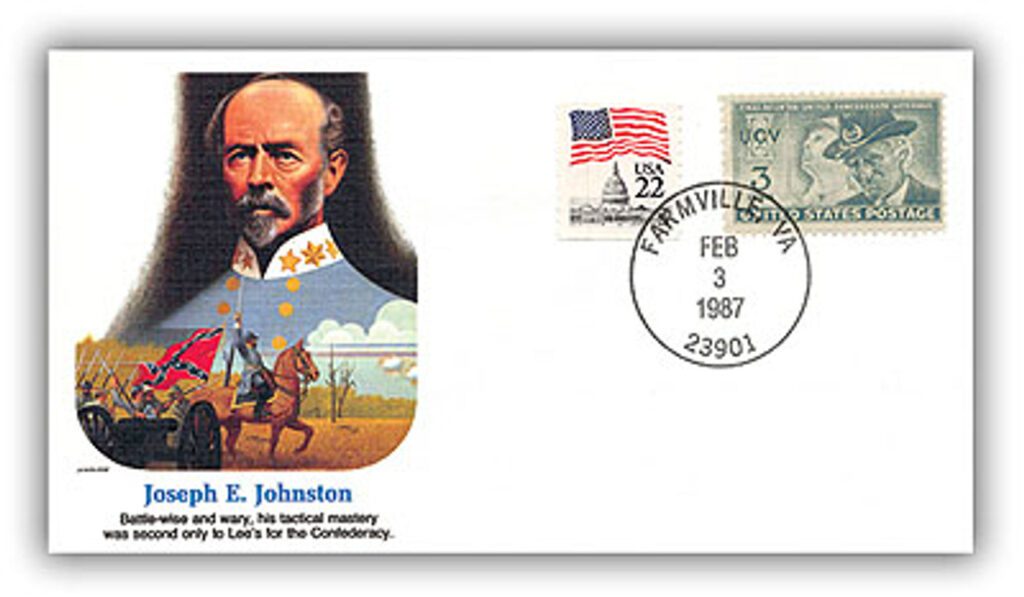
Joseph Eggleston Johnston was born on February 3, 1807, near Farmville, Virginia. He was named after a Revolutionary War officer his father had served under, and he was also related to Patrick Henry. With strong family connections and a solid education, Johnston was appointed to the US Military Academy at West Point in 1825. He trained as a civil engineer and graduated in 1829.
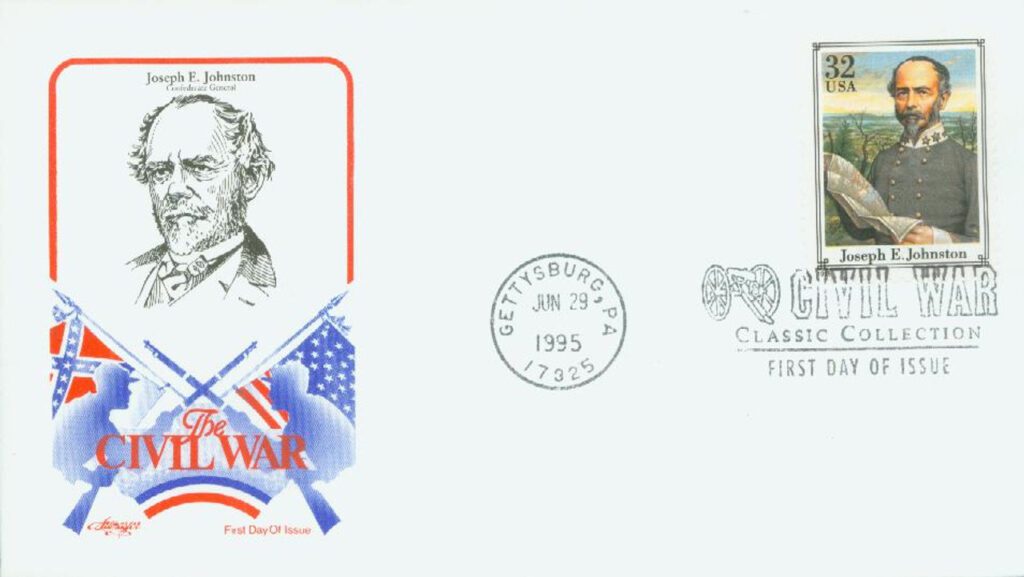
Johnston’s early military career included service in several conflicts. He fought in the Black Hawk War, the Second Seminole War, and the Mexican-American War. During the war with Mexico, he was wounded multiple times and earned a reputation for bravery. He also formed professional relationships with future Civil War leaders, including George B. McClellan, whom he later mentored. By 1860, Johnston had risen to the rank of brigadier general and was serving as quartermaster general of the US Army, a senior logistical position.
When Virginia left the Union in April 1861, Johnston resigned his US commission. At that time, he was the highest-ranking officer in the US Army to join the Confederacy. He was quickly appointed a brigadier general in Confederate service and given command at Harpers Ferry.

Early in the war, Johnston played a key role in the First Battle of Bull Run in July 1861. He moved his troops by rail to reinforce General P.G.T. Beauregard, helping secure a Confederate victory. Although the battle was a success, Johnston faced criticism from Confederate President Jefferson Davis for not aggressively pursuing the retreating Union forces. This disagreement marked the beginning of a strained relationship between the two men. Despite his seniority, Johnston was ranked below several other Confederate generals, which added to the tension.
In 1862, Johnston commanded Confederate forces during the Peninsula Campaign, where Union General McClellan advanced toward Richmond. At the Battle of Seven Pines on May 31, Johnston halted the Union advance but was severely wounded. During his recovery, command passed to General Robert E. Lee, who went on to drive Union forces away from the Confederate capital.
Later that year, Johnston was assigned to the Western Theater, where Union General Ulysses S. Grant threatened key Confederate positions along the Mississippi River. Johnston attempted to coordinate with General John C. Pemberton to defend Vicksburg, a strategic city controlling river traffic. Johnston believed the city could not be held against Grant’s forces and advised evacuation. However, President Davis ordered Pemberton to hold the city. The result was a prolonged siege that ended with the surrender of Vicksburg on July 4, 1863, giving the Union control of the Mississippi River.
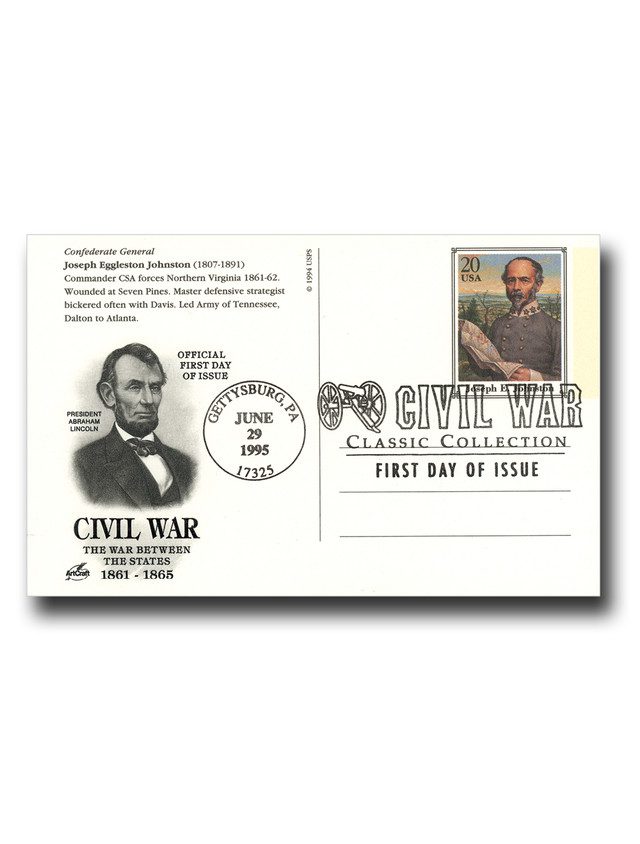
Despite criticism over Vicksburg, Johnston was later placed in command of the Army of Tennessee. His task was to stop General William T. Sherman’s advance toward Atlanta in 1864. Johnston used a strategy of defensive maneuvering and controlled retreats to preserve his army. While he achieved a tactical victory at the Battle of Kennesaw Mountain, he could not stop Sherman’s overall advance. Frustrated, Davis replaced Johnston with General John Bell Hood, who took a more aggressive approach but suffered heavy losses.
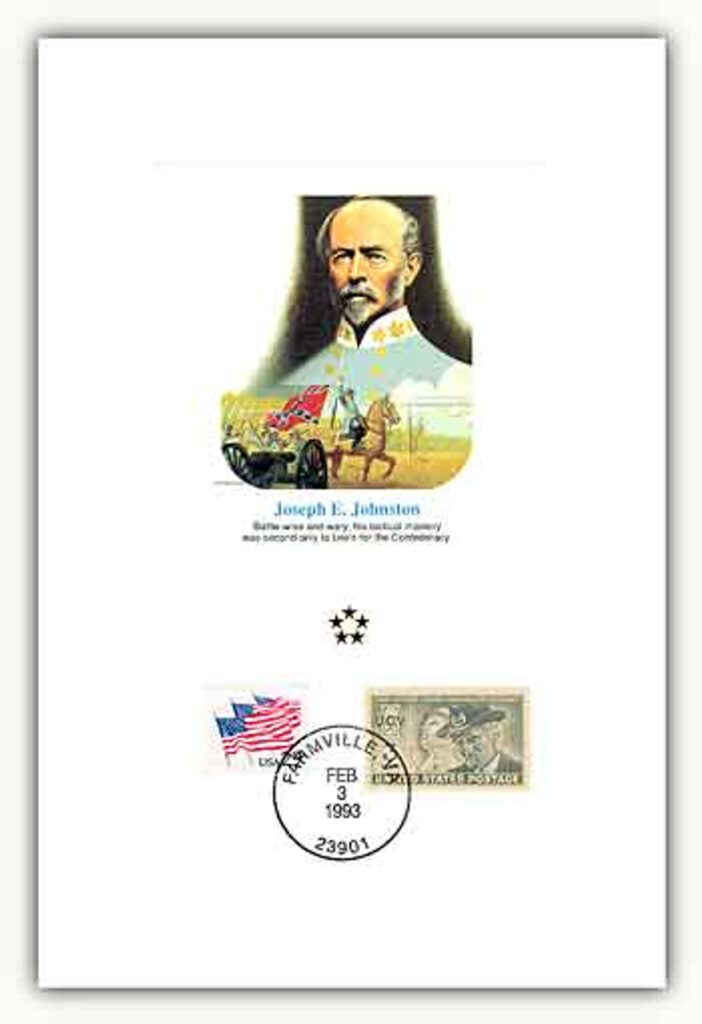
In the final months of the war, Johnston was returned to command in North Carolina. He faced Sherman again and fought at the Battle of Bentonville in March 1865. After learning that General Lee had surrendered at Appomattox, Johnston entered negotiations with Sherman. He formally surrendered his forces on April 26, 1865, one of the largest Confederate surrenders of the war.
After the war, Johnston settled in Savannah, Georgia. He worked in business, including as an insurance agent and railroad executive. He later moved to Richmond, Virginia, and wrote a memoir reflecting on his military career. Johnston also entered public service. He served one term in the US House of Representatives and was later appointed US commissioner of railroads by President Grover Cleveland.
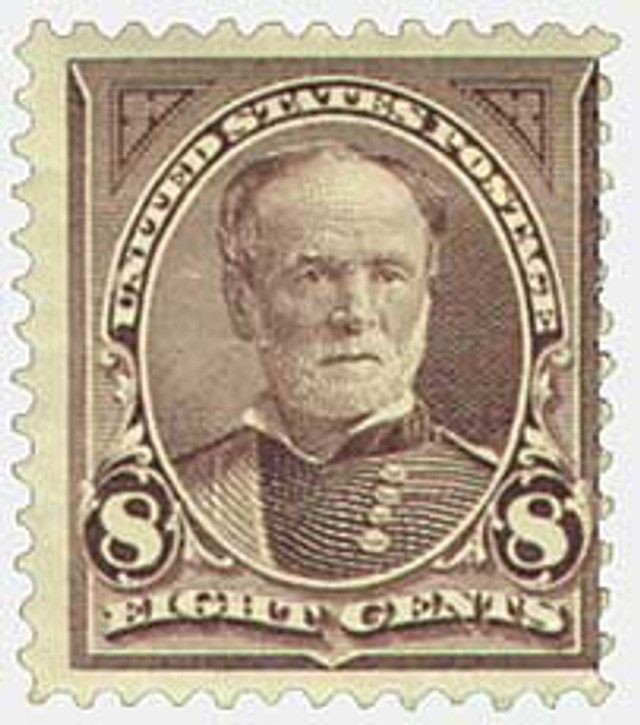
In February 1891, Johnston attended the funeral of his former opponent, General William T. Sherman. As a sign of respect, Johnston stood bareheaded in cold, rainy weather during the ceremony. When urged to cover his head, he reportedly replied that Sherman would not have done so for him. The exposure contributed to illness. Johnston developed pneumonia and died a few weeks later, on March 21, 1891, at the age of 84.
Johnston’s career reflected both the divisions of his time and the efforts to move beyond them. His final public act—honoring a former adversary—captured that balance with quiet clarity.
| FREE printable This Day in History album pages Download a PDF of today’s article. Get a binder or other supplies to create your This Day in History album. |
Discover what else happened on This Day in History.
A nice highlight of a key figure from the Confederacy; more importantly, showing true honor following a devastating Civil War in mending deep wounds for the benefit of the Country.
There is a code of honor and respect among men who have fought side by side. I can’t imagine how difficult it must have been to fight against them. In the end, that honor and respect stands above other principles. Some people will never understand that. My hat is off to General Johnston.
Watch out you don’t catch a cold.
Very nicely done. Love these bits of history.
In the later part of the article, it reads: “Davis replaced him with General John Bell, eventually ordering Johnston to command the Army of Tennessee in North Carolina.”
It should read “Davis replaced him with General John Bell Hood . . .” Hood commanded the Army of Tennessee in the Confederate defeats at Franklin and Nashville.
I really appreciate every opportunity available to me to learn and understand the most that I can about American history. This essay identifies another great American Army General, Joseph E. Johnston, who had to go thru a difficult and very hard life. I learned a lot I never knew about General Johnston from this article. I salute you, Sir !
Thank you Mr Moon for the correction. I also “salute” General Joseph E.
Johnston for the act of respect for a fellow colleague, with no relevance to
which side one fought and represented. Thank you Mr Holt for your fine
comment. I also salute you all!
Ok guys, enough already. The guy was a traitor and although I share feelings for anyone going through a rough life, I wonder how rough it was for the slaves he was fighting to keep enslaved? It’s a nice jester he gave to Sherman but don’t forget he killed Union Patriots for a really terrible and inhumane cause.
Watch how you spell gesture.
Your comments are correct; but we were not there to experience the plight of the everyday person who was caught up in the catastrophe. A very small group of people owned slaves, but wielded power over the politicians to keep the status quo…i.e. preserve slavery. And the Southern politicians then, as now, were more interested in keeping power than right vs. wrong. Johnston, like Robert E. Lee, could not fight against his home state and neighbors; and so he was caught up in the storm.
I guess you haven’t read that the first two years of the war weren’t for the slaves but for saving the union. Maybe you think he was a traitor but I’m sure they thought they were fighting for an ideal, not necessarily slavery.
To gain more insight into the conflicts within the men leading and fighting in the Civil War I recommend reading ‘Gods and Generals’ and subsequent books by Jeff Shaara.
Sounds like Johnson was right on time.