
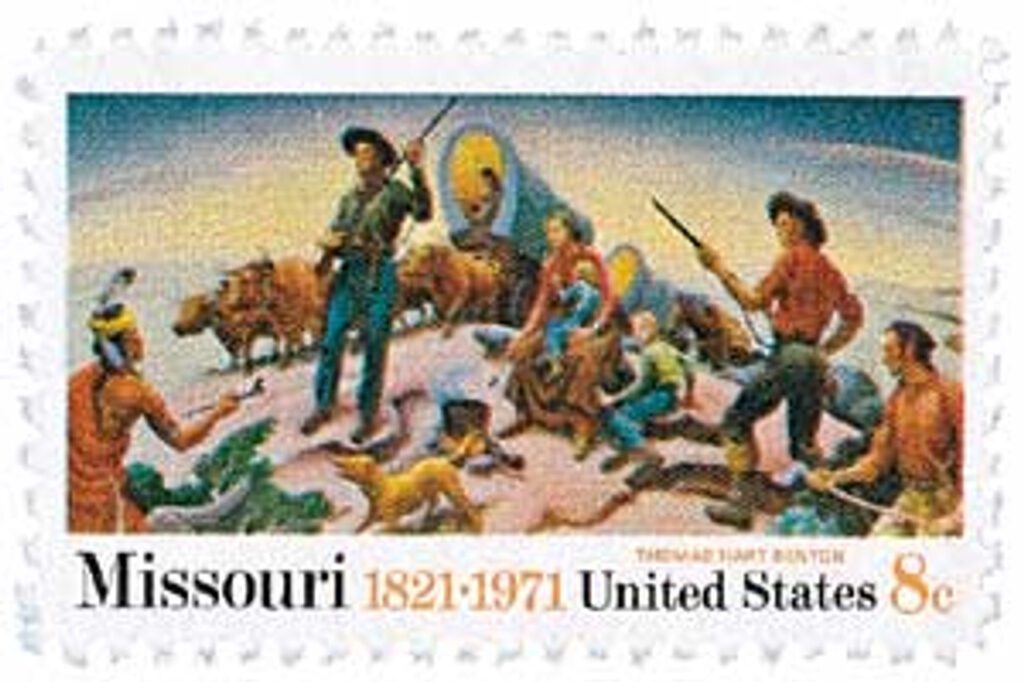
On March 6, 1820, President James Monroe signed the Missouri Compromise into law. The measure aimed to calm rising tensions over slavery, but it also revealed how deeply divided the nation had already become.
Missouri first applied for statehood in 1818. At the time, the United States was expanding westward. The Louisiana Purchase of 1803 had doubled the nation’s size. As new territories filled with settlers, a difficult question followed: would these new states allow slavery or prohibit it? The answer mattered greatly in Congress.
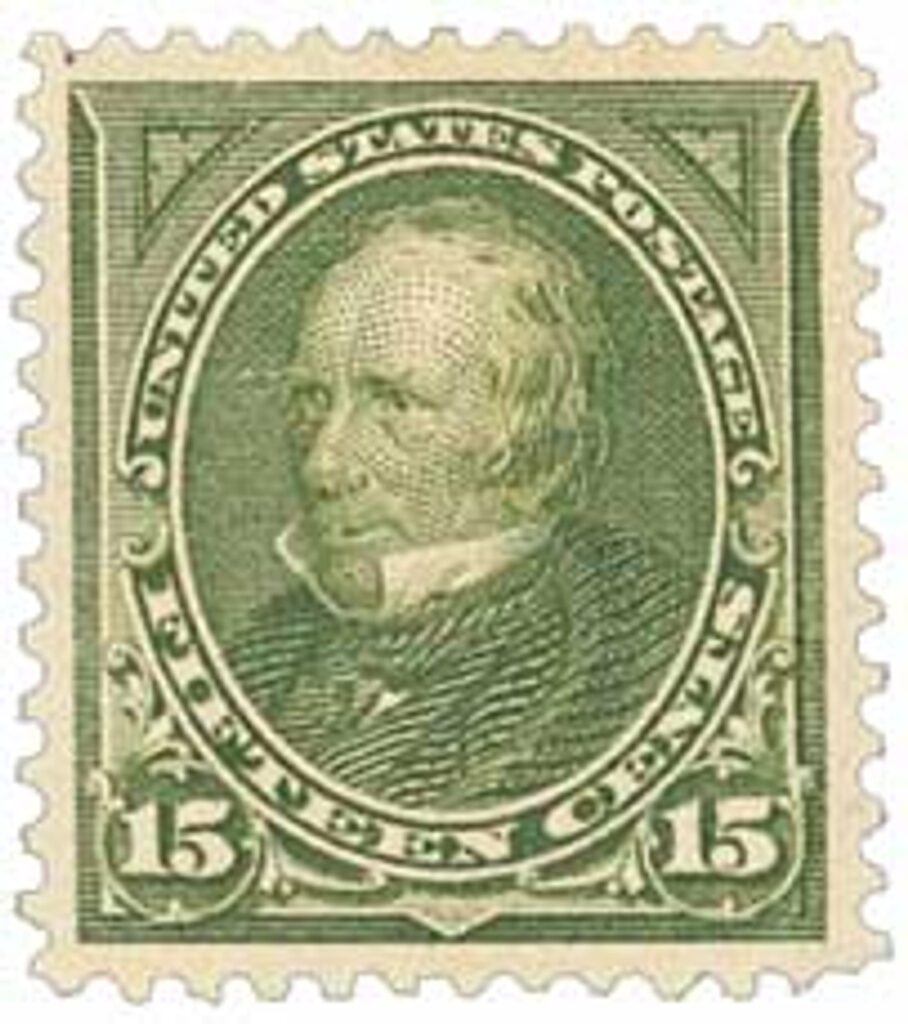
By 1819, there were 11 free states and 11 slave states. This balance gave each side equal power in the Senate. If Missouri entered the Union as a slave state, the South would gain an advantage. Northern lawmakers objected. Representative James Tallmadge of New York proposed an amendment that would gradually end slavery in Missouri. Southern leaders rejected it. The debate grew heated and personal.
To prevent a political crisis, Congress searched for a compromise. The solution involved Massachusetts. Its northern district had long sought separation. Lawmakers agreed that Maine would enter the Union as a free state. In return, Missouri would be admitted as a slave state. This plan preserved the balance in the Senate.

The final agreement became known as the Missouri Compromise. It also included a geographic boundary. Slavery would be prohibited in the remaining Louisiana Purchase territory north of latitude 36°30′, except for Missouri itself. This line ran along Missouri’s southern border. The idea was simple: future states above the line would be free, and those below could permit slavery.
President Monroe supported the compromise but questioned whether Congress had the authority to restrict slavery in territories. He consulted his Cabinet. After receiving written opinions that the measure was constitutional, he signed the bill on March 6, 1820. Maine entered the Union on March 15, 1820. Missouri followed on August 10, 1821, after drafting a state constitution and resolving objections over a clause that restricted the rights of free Black residents.

For a time, the compromise reduced sectional conflict. Many leaders hoped it had settled the slavery question. In reality, it only postponed deeper disputes. As the country gained more territory after the Mexican-American War, the issue returned with new intensity.
In 1854, Congress passed the Kansas–Nebraska Act. Sponsored by Senator Stephen A. Douglas, the law allowed settlers in Kansas and Nebraska to decide for themselves whether to permit slavery. This idea was known as popular sovereignty. The act effectively repealed the Missouri Compromise line. Violence soon broke out in “Bleeding Kansas” as pro-slavery and anti-slavery settlers clashed.
The Missouri Compromise also played a central role in one of the most infamous Supreme Court cases in American history: Dred Scott v. Sandford. Dred Scott was born enslaved in Virginia around 1799. His owner, an army surgeon, took him to Illinois and later to the Wisconsin Territory. Both were free areas under federal law. After returning to Missouri, Scott sued for his freedom in 1846, arguing that his residence in free territory made him free.
Scott’s case moved slowly through the courts. In 1850, a Missouri trial court ruled in his favor. However, in 1852, the Missouri Supreme Court reversed that decision. By then, Scott’s owner had died, and ownership passed to Irene Emerson. She later transferred Scott to her brother, John F. A. Sandford of New York. This allowed Scott’s lawyers to file suit in federal court, claiming diversity of citizenship.
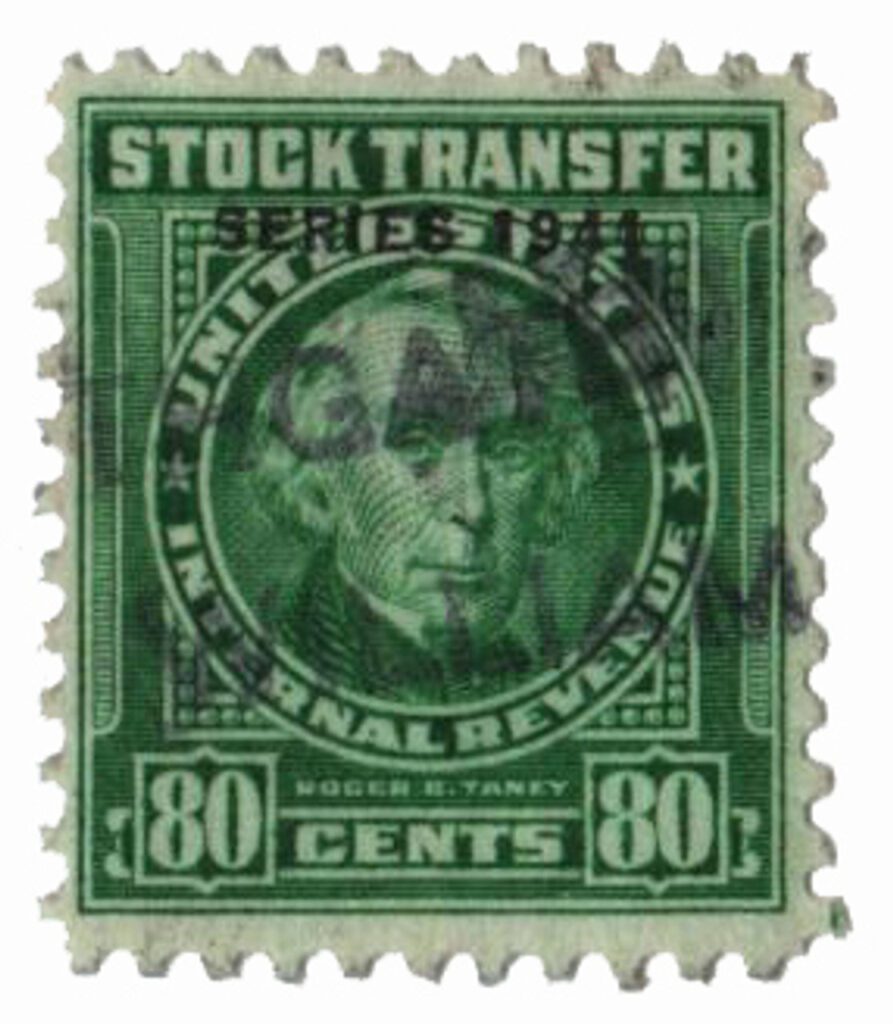
The case eventually reached the US Supreme Court. On March 6, 1857—37 years to the day after Monroe signed the Missouri Compromise—Chief Justice Roger B. Taney delivered the majority opinion. In a 7–2 decision, the Court ruled that Black people, whether enslaved or free, were not citizens under the Constitution and could not sue in federal court. The Court also declared that Congress had no authority to prohibit slavery in the territories. This ruling struck down the Missouri Compromise as unconstitutional.

The decision caused outrage across the North. Many believed the Court had gone too far. It strengthened the growing Republican Party, which opposed the expansion of slavery. In 1858, Abraham Lincoln criticized the ruling in his “House Divided” speech while running for the US Senate. He argued that the country could not endure permanently half slave and half free. Although Lincoln lost that Senate race (at the time senators were chosen by the state legislatures), his debates with Stephen Douglas gained national attention and helped prepare the way for his presidential victory in 1860.
The Missouri Compromise did not cause the Civil War. However, it marked a major moment in the long struggle over slavery’s expansion. It showed that lawmakers could delay conflict through negotiation, but it also revealed how fragile those agreements could be. By trying to draw a line across the map, Congress could not erase the deeper moral and political divisions shaping the country’s future.
| FREE printable This Day in History album pages Download a PDF of today’s article. Get a binder or other supplies to create your This Day in History album. |
Discover what else happened on This Day in History.
Good History lesson, BUT Remember the Alamo, which feel on this day in 1836 leading the way
to Texas Independence.
More great information. Thanks
This was one time where the Supreme Court bungled a decision.
You folks are so good at assembling appropriate US postage stamps in order to tell our nation’s history using stamps. In this case an extra tip of the hat, for including RD103 because I had no idea that Taney “had the honor” of being on United States accountable paper!! Nice job as always. Thank you . –Jews
I agree with Tom H. Our nation was built in our trusting in God. Now our nation is deteriorating by leadership decisions that are contrary to God‘s instructions.
.
I’m a GOD believing man, but wow, the two people above represent backward thinking. What might be right for one doesn’t mean it’s right for all.