
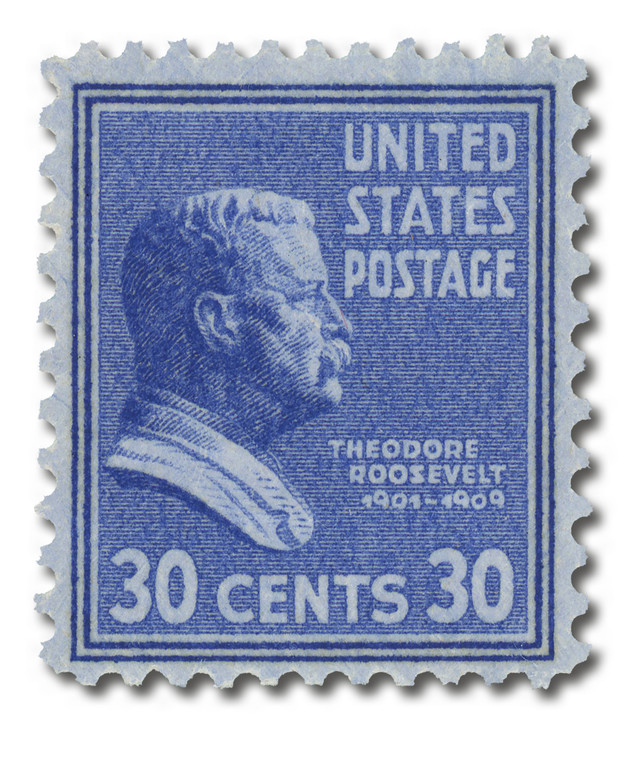
A gunshot struck Theodore Roosevelt in Milwaukee on October 14, 1912, as he campaigned for president. Bleeding and carrying a bullet in his chest, he insisted on delivering his speech—and spoke for about ninety minutes.
Roosevelt had left the White House in 1909 after two terms. He had backed his friend and chosen successor, William Howard Taft, to take his place. But Roosevelt grew dissatisfied with Taft’s policies and believed the Republican Party had moved away from reform. After an African safari and a tour of Europe, Roosevelt returned to the United States in 1910. By 1912, he was challenging Taft for the Republican presidential nomination.
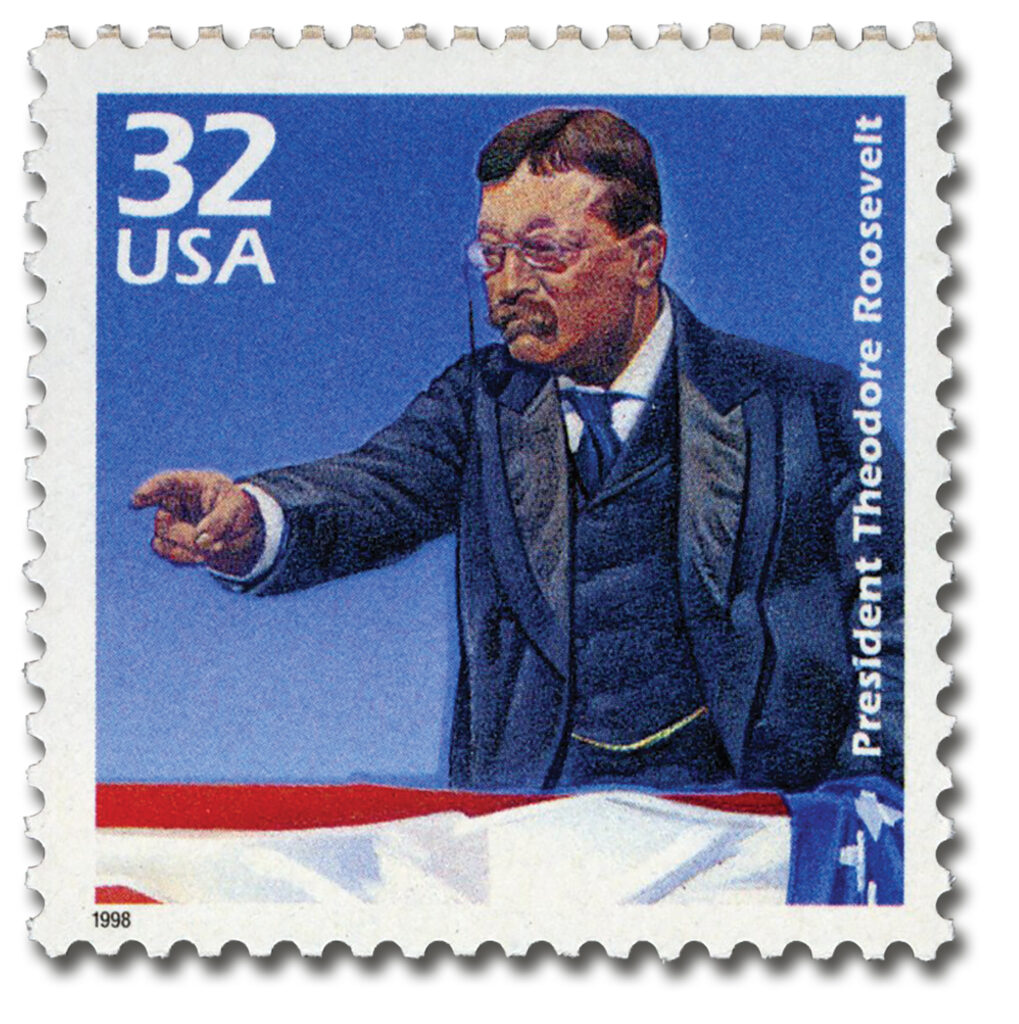
Roosevelt won many Republican primaries, but Taft’s supporters controlled the party convention in Chicago. Taft secured the nomination. Roosevelt and his followers then left the Republican Party and formed the Progressive Party, commonly called the Bull Moose Party. Roosevelt ran for president with California governor Hiram Johnson as his running mate. The party’s platform called for reforms that included an eight-hour workday, a minimum wage for women, and stronger public oversight of business.
The campaign took Roosevelt to Milwaukee on October 14. He had already spoken to local supporters that day. That evening, he was preparing to leave the Gilpatrick Hotel for a major address at the Milwaukee Auditorium. As he stood in his open automobile to wave to the crowd, John Flammang Schrank stepped forward and fired one shot at close range.
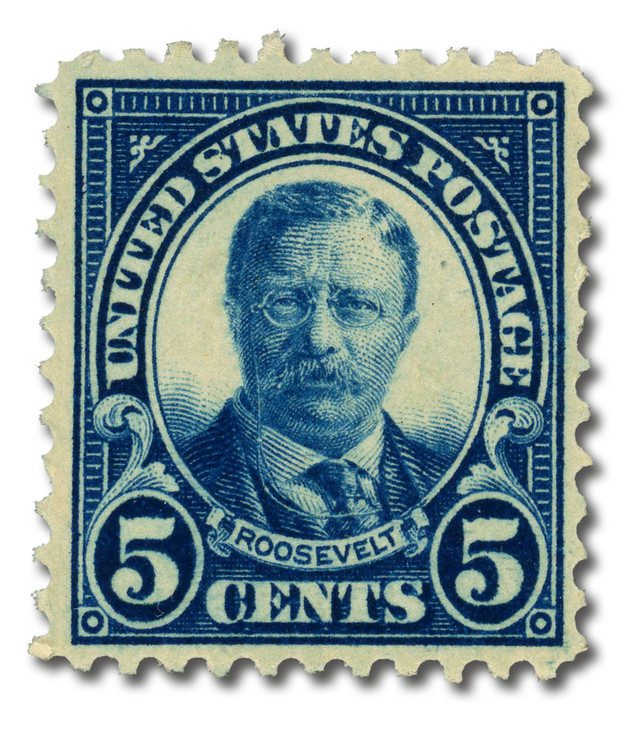
Roosevelt’s secretary, Elbert Martin, tackled Schrank. Other members of the party and the crowd helped subdue the gunman. Some people shouted for Schrank to be killed, but he was taken into police custody. Roosevelt, meanwhile, checked his breathing and examined his chest. He realized the bullet had not pierced his lungs. His heavy coat, steel-reinforced eyeglass case, and folded fifty-page speech manuscript had slowed the bullet. It entered his chest and lodged near a rib.
Roosevelt’s physician urged him to go to a hospital. Roosevelt refused. “You get me to that speech,” he insisted. He continued to the Auditorium, where thousands were waiting. Before he began, aides told the crowd he had been shot. Roosevelt opened his vest to show his bloodstained shirt. He held up the manuscript, pointed to the bullet holes, and explained that it had probably kept the bullet from reaching his heart.
“I don’t know whether you fully understand that I have just been shot,” he told the crowd, “but it takes more than that to kill a Bull Moose.” He then began his prepared remarks. The speech lasted about ninety minutes. Roosevelt urged listeners to support the Progressive cause, saying its goals mattered more than his personal success. His aides watched closely in case he weakened, but he finished the address.
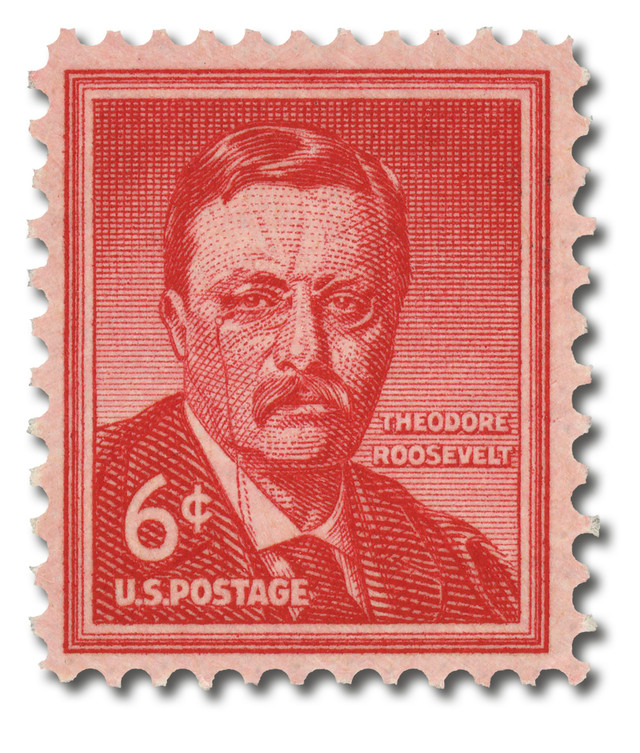
Afterward, Roosevelt went to a Milwaukee hospital and was later transferred to Chicago for further examination. Doctors used X-rays to locate the bullet. They judged that removing it would be more dangerous than leaving it in place. The bullet remained in Roosevelt’s chest for the rest of his life.
Schrank was a thirty-six-year-old former saloonkeeper from New York. A letter found in his possession described a dream in which the ghost of President William McKinley blamed Roosevelt for his assassination in 1901 and urged revenge. Schrank also opposed a third presidential term. Roosevelt was seeking to return to office after serving two terms. In 1914, physicians declared Schrank legally insane, and he was committed to a Wisconsin state hospital. He remained there until his death in 1943.
Roosevelt’s survival became one of the most striking episodes of the 1912 campaign. But the Milwaukee speech also showed what he wanted voters to remember: his candidacy rested on a political program, not only on his forceful personality.
| FREE printable This Day in History album pages Download a PDF of today’s article. Get a binder or other supplies to create your This Day in History album. |
Discover what else happened on This Day in History.
Theodore Roosevelt ascended to the Presidency after McKinley was assassinated in 1901. After winning the election in 1904 in a landslide, Roosevelt made the greatest mistake in his life. He vowed that he would not seek another term because of the so-called “no third term tradition.” Four years later, in 1912, he ran as a third party candidate of the Progressive “Bull Mouse” Party. Splitting the Republican Party, the Democratic candidate, Woodrow Wilson, was elected, Roosevelt came in second, and the regular Republican Party candidate, William Taft, came in third. History sometimes turns on odd circumstances.
Great story. I did not know the full story about the attempted assassination attempt.
What a guy that teddy was.
Great for teddy.
Who does that! It shows how far we as a nation have changed. The sensibilities of our forefathers to face adversity and to do what is right for their fellow man, Is so much different then, as it is today. Teddy Roosevelt has just been shot, he assesses the situation, takes control and makes the decision to give that speech anyway. A true american.
I really enjoy reading these historical stories each morning. I was not aware of this event and you can always learn something new no matter how old you become.
You inspired me to seek out his biography and learn more about him.
Bully! Great historical information, Mystic. Thanks.
They don’t make ’em like that anymore
I believe it was the bull moose party not the bull mouse party.