
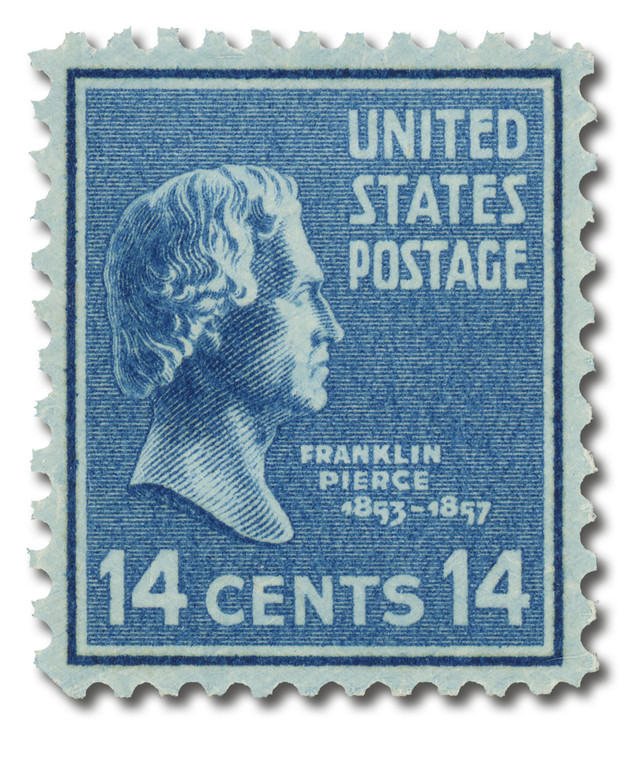
On July 14, 1853, President Franklin Pierce opened a glass-and-iron palace in New York City filled with machinery, art, and manufactured goods from around the world. The Exhibition of the Industry of All Nations became the first major world’s fair in the United States and tested whether New York could rival London as a center of industry and culture.

The model was London’s Great Exhibition of 1851, generally recognized as the first international world’s fair. Its Crystal Palace drew millions of visitors and displayed products from Britain and many other countries. The United States had held industrial fairs before 1853. The American Institute began annual exhibitions in New York in 1828, but those events were smaller and largely regional. The 1853 exhibition was planned as an international showcase.
The private association behind the project was led by lawyer Theodore Sedgwick. Navy captain Samuel Francis Du Pont served as general superintendent, while scientists and engineers advised departments devoted to chemistry, mineralogy, machinery, and the fine arts. Their aim was both commercial and educational.
Organizers selected Reservoir Square, the site of present-day Bryant Park, west of the Croton Distributing Reservoir. Architects Georg Carstensen and Charles Gildemeister designed the New York Crystal Palace in the form of a Greek cross. Its iron framework held about 15,000 panes of glass. A central dome and lantern rose about 148 feet. At the time, it was the largest building in the country.
Inside, nearly 4,400 exhibitors presented goods from the United States and countries across Europe, Asia, and the Americas. Visitors saw locomotives, printing presses, farm equipment, scientific instruments, furniture, jewelry, textiles, sculpture, paintings, and household products. The arrangement placed fine art beside practical machinery. This allowed visitors to compare craftsmanship, materials, and manufacturing methods from different countries.
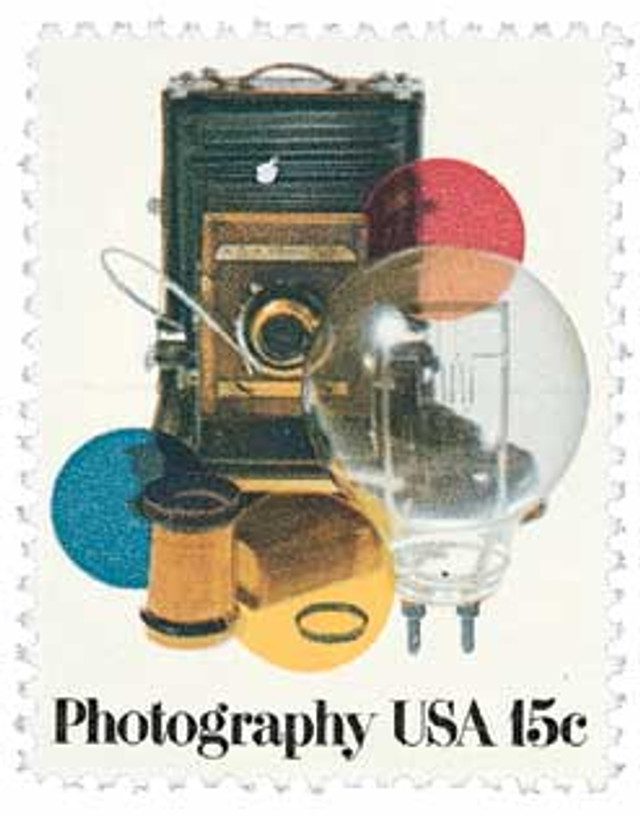
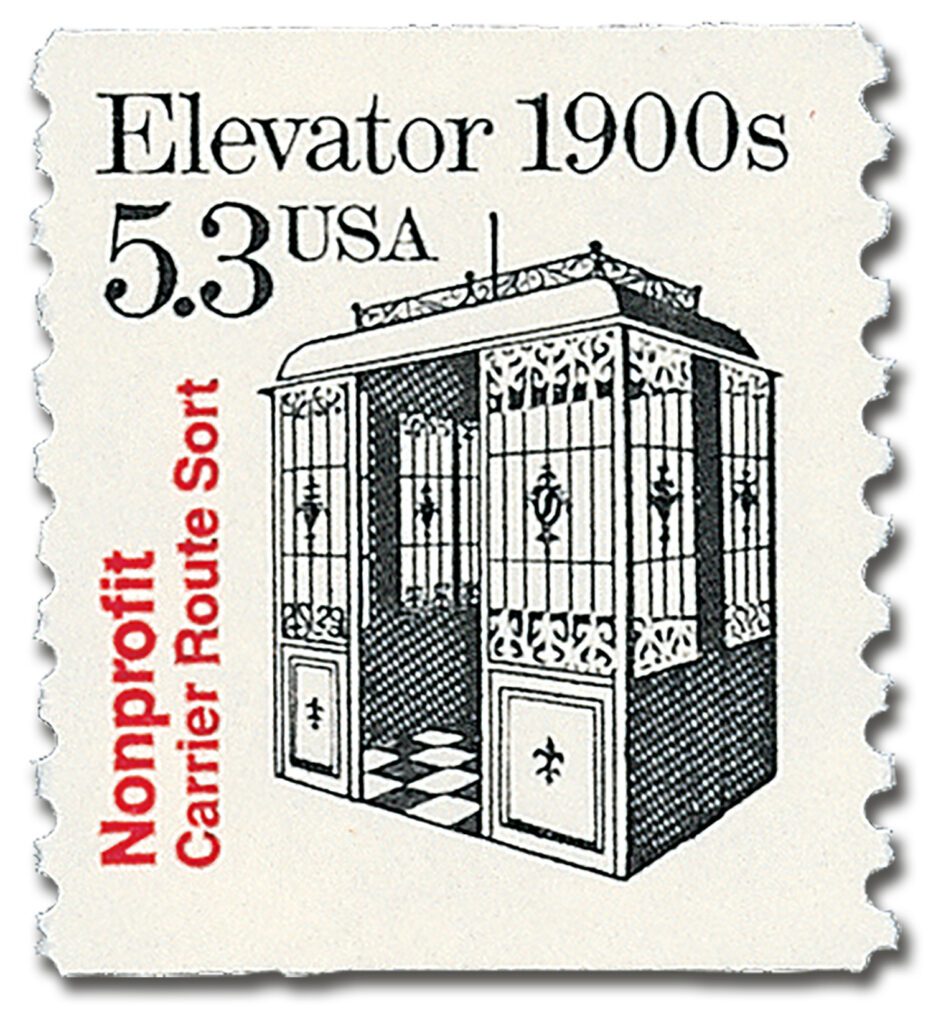
Several displays showed how rapidly American technology was changing daily life. Singer sewing machines were demonstrated by women operators. Samuel F. B. Morse displayed his telegraph. Photographer Mathew Brady exhibited portraits, while John Adams Whipple and Victor Prevost showed early photographic prints. Artist William Sidney Mount demonstrated a violin that he had patented. During the fair’s 1854 season, Elisha Graves Otis stood on a raised platform while its supporting rope was cut. His safety device stopped the platform from falling, giving the public a dramatic demonstration of a safer elevator.
Next to the palace stood another attraction, the Latting Observatory. The wooden tower rose about 315 feet and was then New York’s tallest structure. Visitors could climb to viewing platforms and look across Manhattan, its harbor, and the surrounding countryside. Together, the tower and palace made the fairgrounds a destination as well as an exhibition hall.

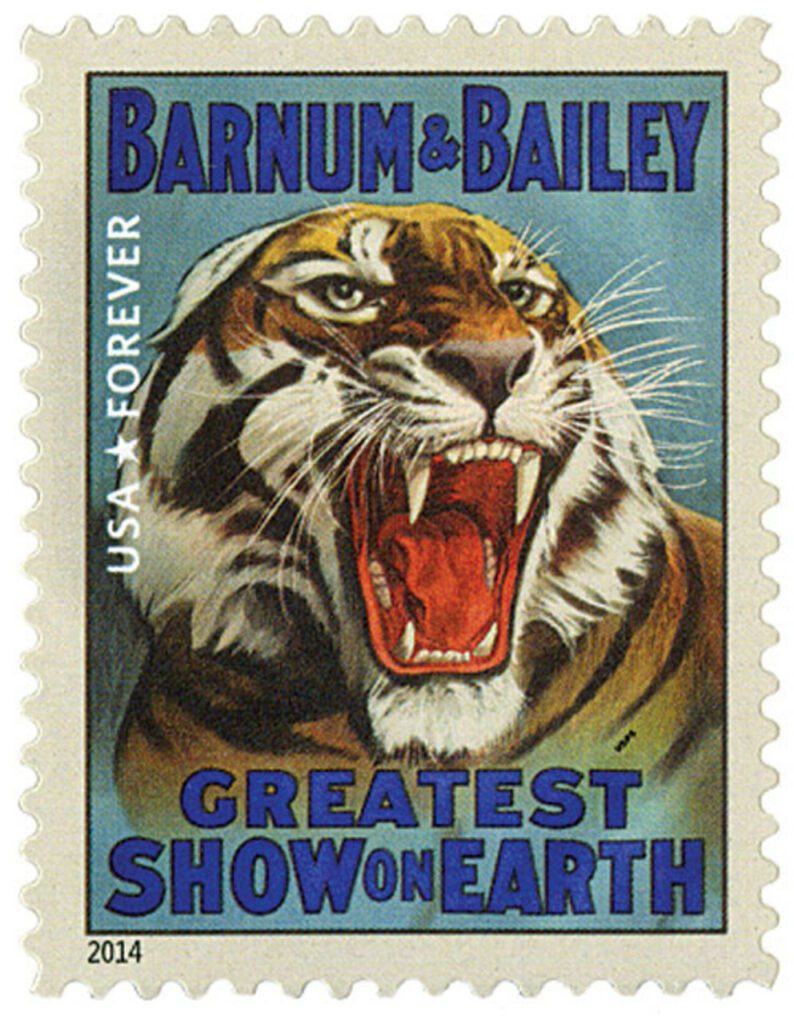
The fair struggled almost from the beginning. It was privately financed and received little government support. Some exhibits arrived late, and attendance did not meet the organizers’ hopes. P. T. Barnum was brought in to improve promotion and add entertainment. More than one million people eventually attended before the exhibition closed on November 14, 1854. That was a large audience, but far below London’s turnout, and the enterprise lost money.
Its influence reached beyond its balance sheet. The fair gave Americans direct access to foreign design while providing American manufacturers with an international stage. It also joined invention, advertising, education, art, and amusement in one public event. Later American expositions expanded that formula, beginning with Philadelphia’s Centennial Exhibition in 1876. The Crystal Palace continued to host exhibitions until it burned in 1858. Its brief life helped establish New York as a place where new products and ideas could be presented to a mass audience.
| FREE printable This Day in History album pages Download a PDF of today’s article. Get a binder or other supplies to create your This Day in History album. |
Discover what else happened on This Day in History.