
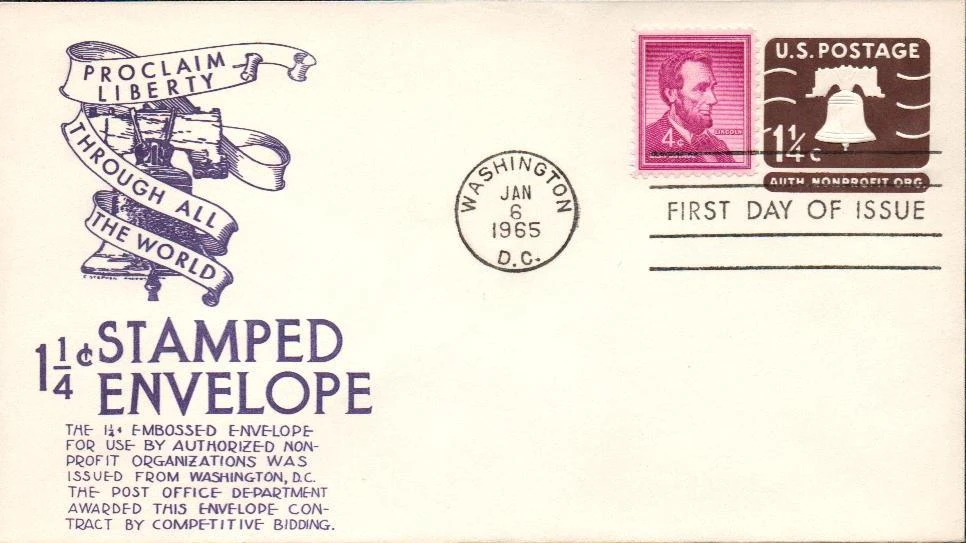
On August 27, 1894, the Wilson-Gorman Tariff Act became law and established the nation’s first federal income-tax exemption for charitable, religious, and educational organizations. Although much of the law proved short-lived, its basic distinction between commercial profits and nonprofit work became a lasting part of the federal tax system.
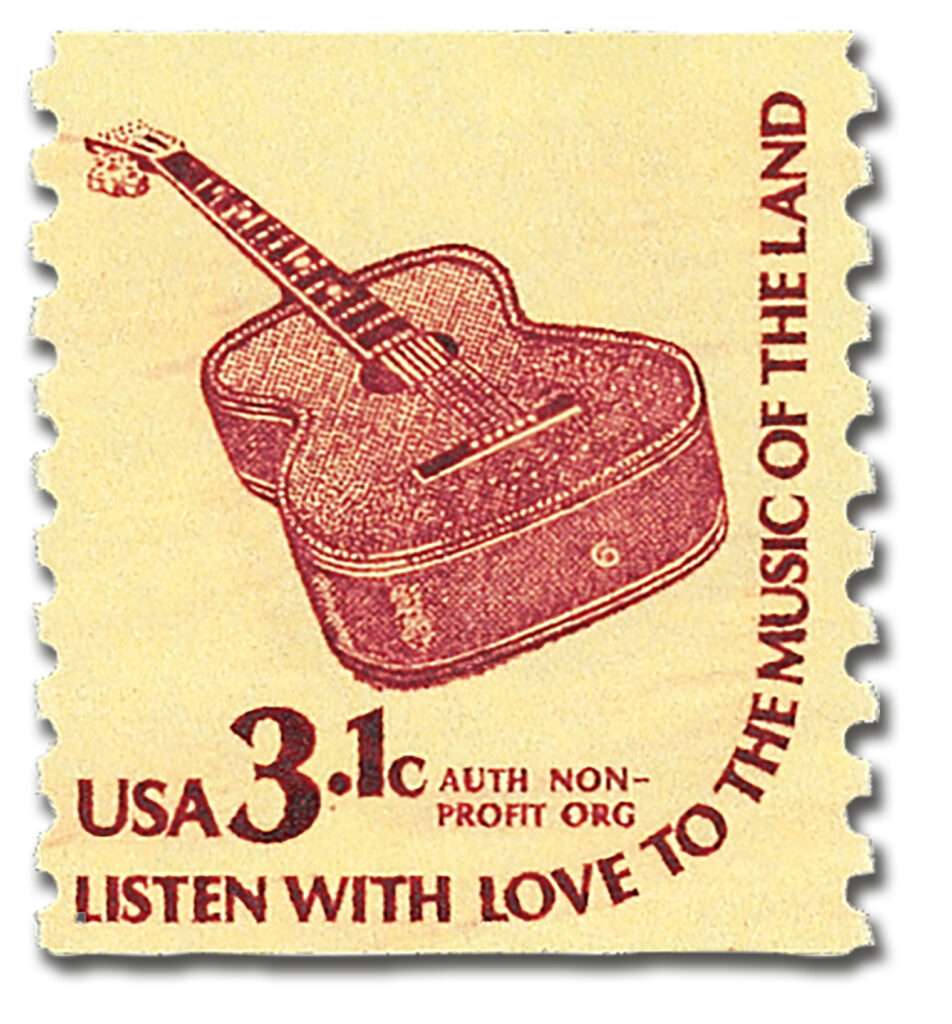
Official records identify the measure as “An Act to reduce taxation, to provide revenue for the Government, and for other purposes.” It is commonly called the Wilson-Gorman Tariff Act after Representative William L. Wilson of West Virginia and Senator Arthur P. Gorman of Maryland.
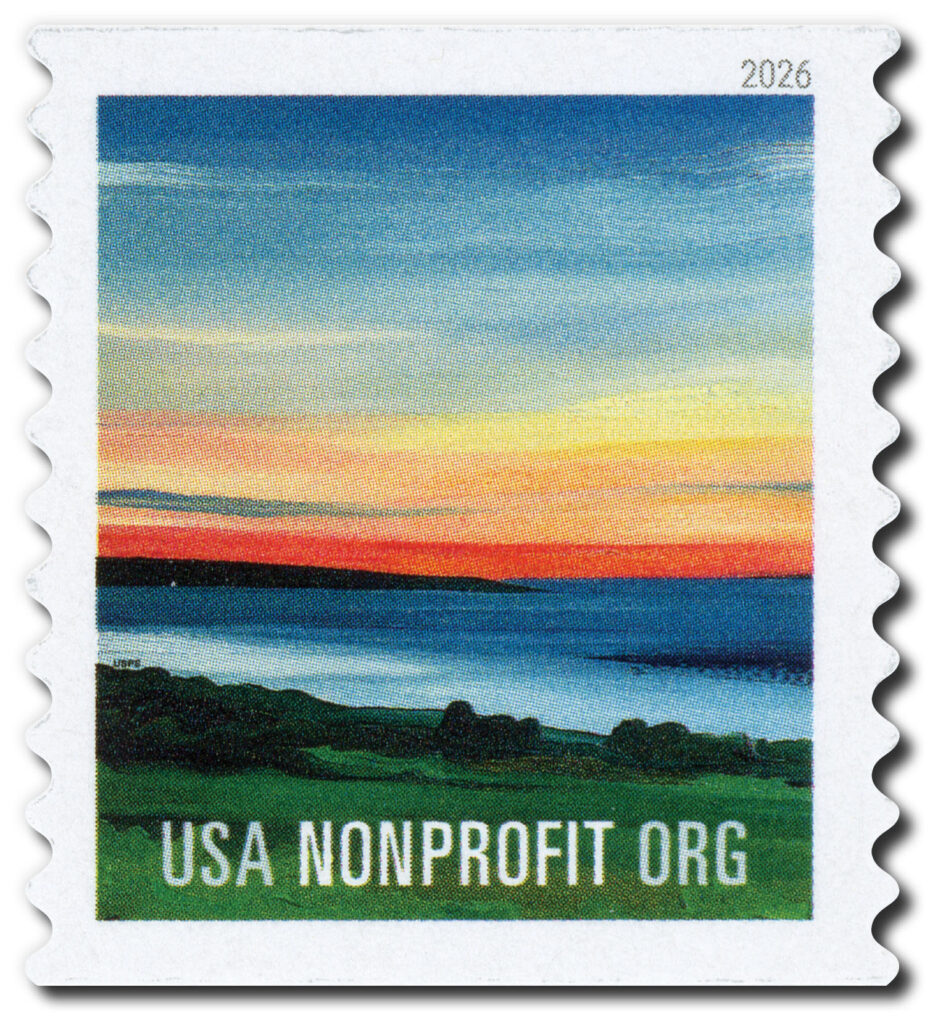
The law was not technically signed by President Grover Cleveland. Cleveland opposed the final version because senators had weakened the tariff reductions he supported. He allowed it to become law without his signature on August 27, 1894. The enrolled statute and Statutes at Large both establish that date. References to August 17 appear to be based on a later historical error.

Tariffs supplied much of the federal government’s revenue during the 19th century. The Wilson-Gorman Act lowered some duties imposed by the McKinley Tariff of 1890, although its reductions were less extensive than reformers had sought. To replace part of the lost tariff revenue, Congress enacted a 2 percent tax on certain personal and corporate income.
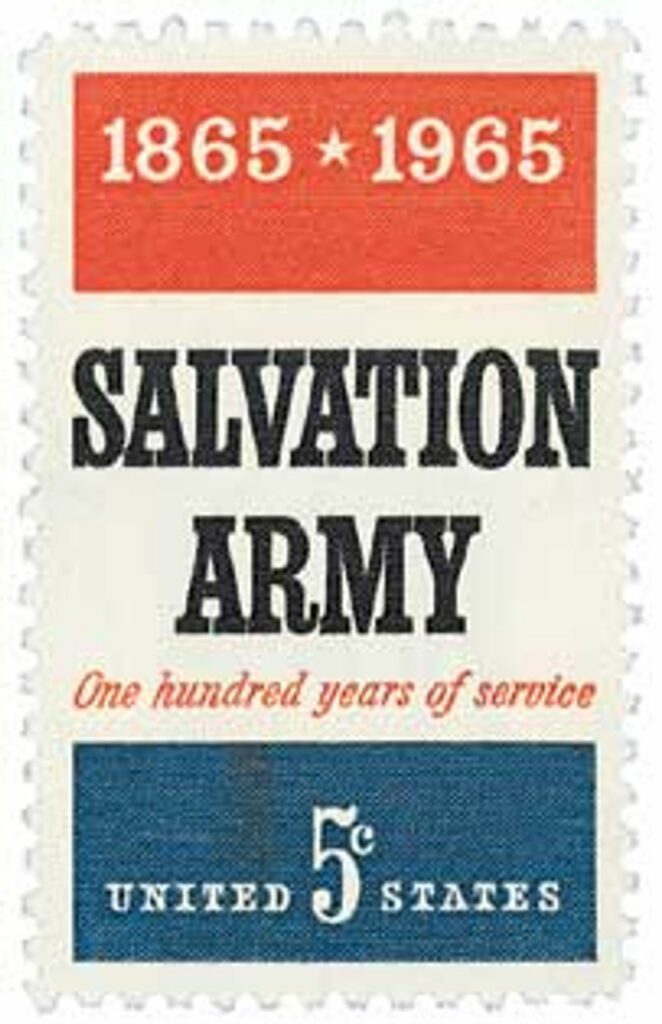
This was not America’s first federal income tax. Congress had imposed temporary income taxes during the Civil War. Those measures expired in 1872. The 1894 law instead introduced the country’s first peacetime federal income tax. Individuals generally owed the tax only on income exceeding $4,000, placing it mainly on wealthier Americans. Corporations were taxed on their net profits or income after allowable expenses.
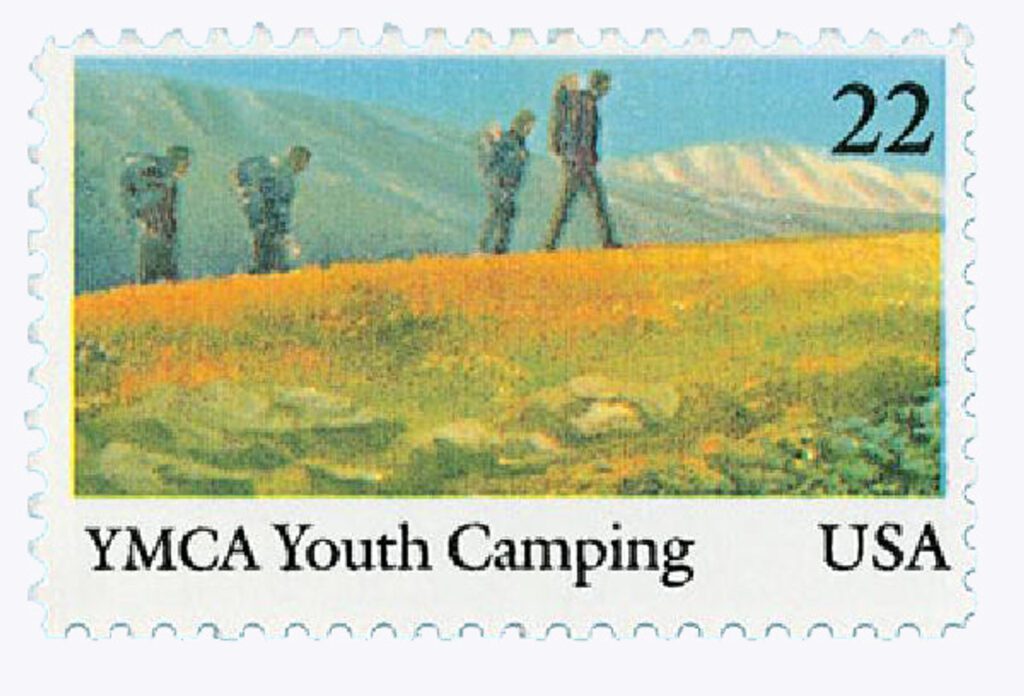
Congress excluded several kinds of organizations from the corporate tax. The exemption covered corporations, companies, or associations “organized and conducted solely for charitable, religious, or educational purposes.” To qualify, no part of an organization’s net income could benefit a private stockholder or individual.

That last condition was especially important. It established the principle now called the prohibition against private inurement. An exempt organization could pay reasonable salaries and operating costs, but its earnings could not be distributed to owners or insiders as private profit. The distinction helped define what a nonprofit organization was for federal tax purposes.
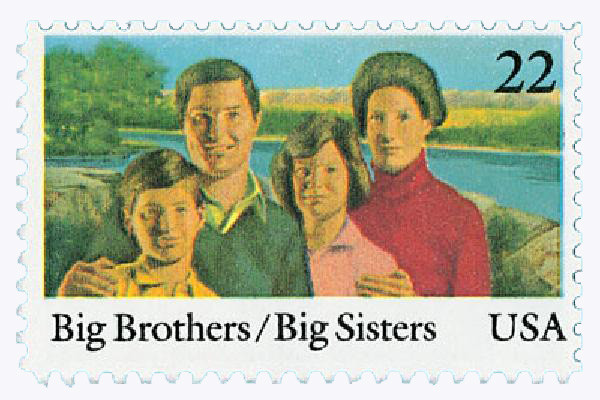
The exemption recognized that qualifying organizations used their resources for public or community purposes. Religious congregations maintained places of worship and provided aid. Charitable groups supplied food, shelter, medical assistance, and other relief. Schools and colleges offered education. Exempting their income allowed more of their funds to remain available for those activities.

The income-tax provisions soon faced a constitutional challenge. In the 1895 case Pollock v. Farmers’ Loan & Trust Company, the Supreme Court invalidated key parts of the tax. The Court ruled that taxes on income derived from property were direct taxes and therefore had to be apportioned among the states according to population. That requirement made the income tax impractical, and the entire 1894 tax system became unenforceable.

The nonprofit exemption nevertheless supplied a model for later legislation. After the Sixteenth Amendment was ratified in 1913, Congress gained clear authority to impose an income tax without apportioning it among the states. The Revenue Act of 1913 restored an exemption for organizations operated exclusively for religious, charitable, scientific, or educational purposes. Later laws added more qualifying purposes and created additional rules governing political activity, private benefit, reporting, and unrelated business income. The core language survives today in Section 501(c)(3) of the Internal Revenue Code.
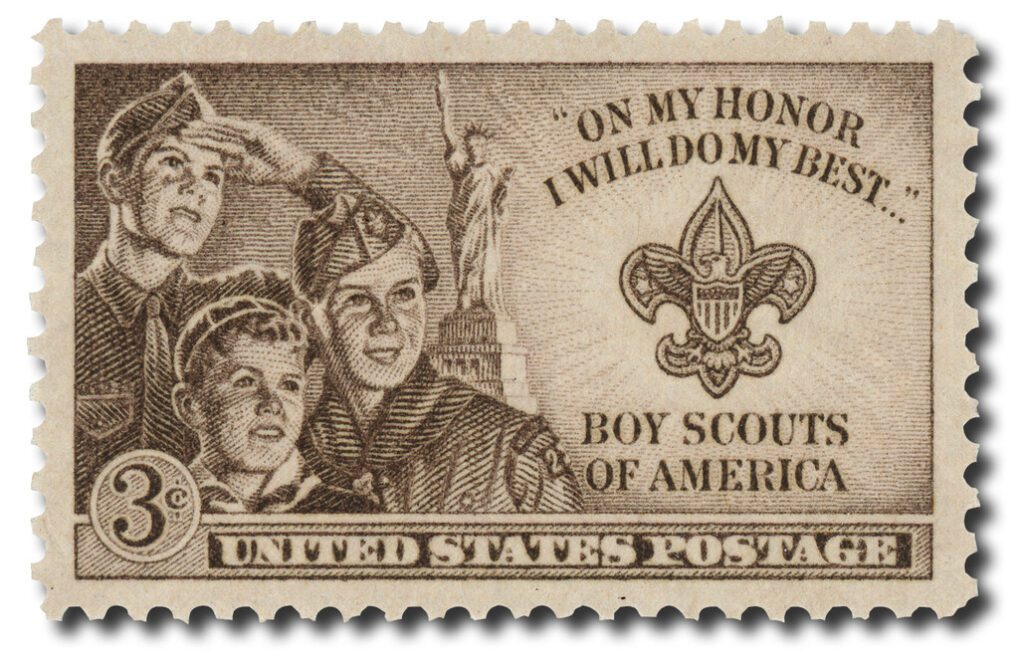
Nonprofit tax exemptions now support institutions ranging from food banks and museums to universities, hospitals, historical societies, and disaster-relief organizations. The exemption does not mean that every nonprofit avoids every tax. Organizations may owe employment taxes, state or local taxes, and federal tax on income from business activities unrelated to their exempt missions.
Nonprofit advocate Sherita J. Herring founded National Nonprofit Day in 2017. It is observed on August 17 to recognize nonprofit organizations, volunteers, and donors. Accounts of the observance commonly connect that date to the Tariff Act, but they incorrectly state that the law was enacted on August 17. The anniversary still draws attention to a legal principle first written into federal law in 1894: organizations serving specified public purposes should be treated differently from businesses operated for private gain.
| FREE printable This Day in History album pages Download a PDF of today’s article. Get a binder or other supplies to create your This Day in History album. |
Discover what else happened on This Day in History.