
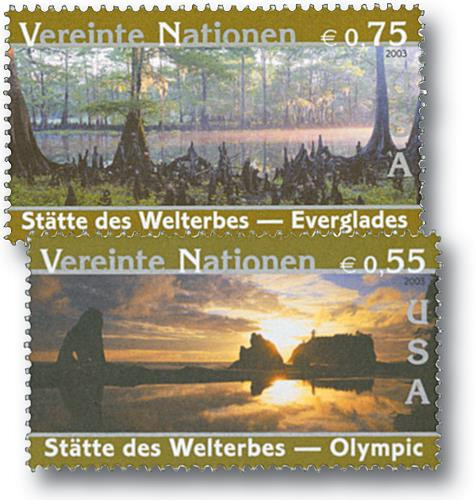
On June 29, 1938, President Franklin D. Roosevelt signed the law creating Olympic National Park in Washington. The new park protected a rare place where glacier-covered mountains, ancient forests, wild rivers, and Pacific coastline meet on one rugged peninsula.
Olympic was not created because of one sudden campaign. It came after decades of exploration, scientific interest, local debate, and concern over disappearing forests and wildlife. The peninsula drew attention because it was hard to reach and unlike most other places in the United States.

The peaks of the Olympic Mountains are not especially high. Mount Olympus, the park’s tallest, rises 7,980 feet. But the range stands close to the Pacific Ocean, and that location shapes nearly everything in the park. Moist air from the ocean moves inland and is pushed upward by the mountains. As the air cools, it drops rain in the valleys and snow on the peaks.
This creates sharp climate differences over short distances. The western valleys and coast can receive 100 to 170 inches of rain a year. The Hoh and Quinault rain forests grow in this wet zone. Their Sitka spruce, western hemlock, Douglas fir, and western red cedar are draped with mosses and ferns. On the drier north side, Port Angeles receives only about 25 to 30 inches of precipitation a year.
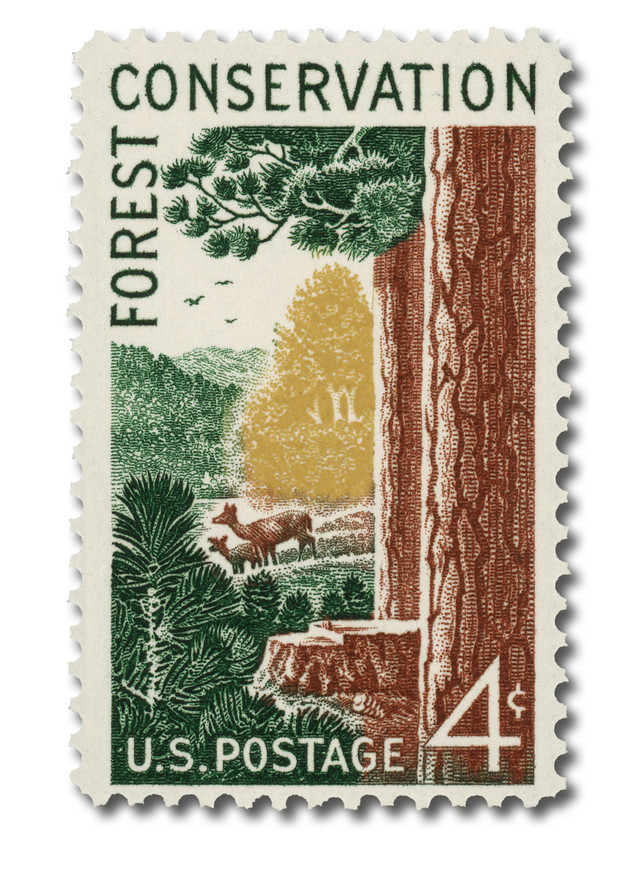
The land itself was shaped by powerful geologic forces. The rocks of the Olympic Mountains began offshore as layers of sediment and basalt. Over millions of years, the Juan de Fuca Plate moved beneath the North American Plate. That motion lifted, folded, and broke the rocks into jagged mountains. Ice Age glaciers later carved valleys, lakes, and waterways.
People lived in the region thousands of years before the national park existed. A mastodon rib found near the park contained a bone spear point dated to about 13,800 years ago. The ancestors of today’s Olympic Peninsula tribes used rivers, forests, mountains, and coastal waters for food, travel, tools, and shelter. Cedar provided wood for longhouses and canoes. Salmon, shellfish, sea mammals, elk, and plants were central to daily life and ceremony.

Eight tribes maintain formal relationships with Olympic National Park today: the Lower Elwha Klallam, Jamestown S’Klallam, Port Gamble S’Klallam, Skokomish, Quinault, Hoh, Quileute, and Makah.
European and American explorers arrived much later. In 1787, Captain Charles William Barkley identified the Strait of Juan de Fuca between Vancouver Island and the Olympic Peninsula. The interior mountains remained hard to map. Dense forests, steep ridges, heavy rain, and snow slowed travel.
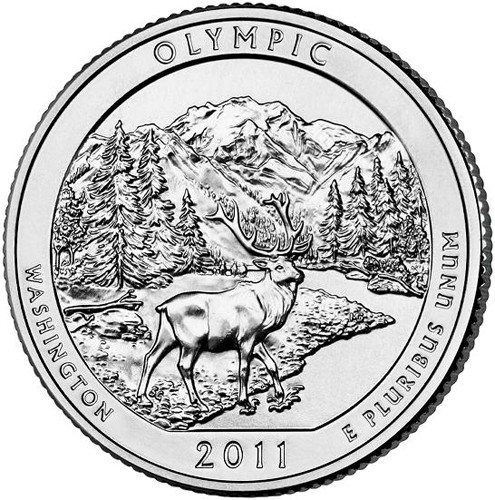
A key expedition came in 1885, when Army Lieutenant Joseph P. O’Neil led a party into the Olympic Mountains from Port Angeles. O’Neil returned in the early 1890s and became one of the area’s strongest advocates. After seeing the interior, he wrote that it would “serve admirably for a national park.” He also noted the elk, which he believed needed protection.
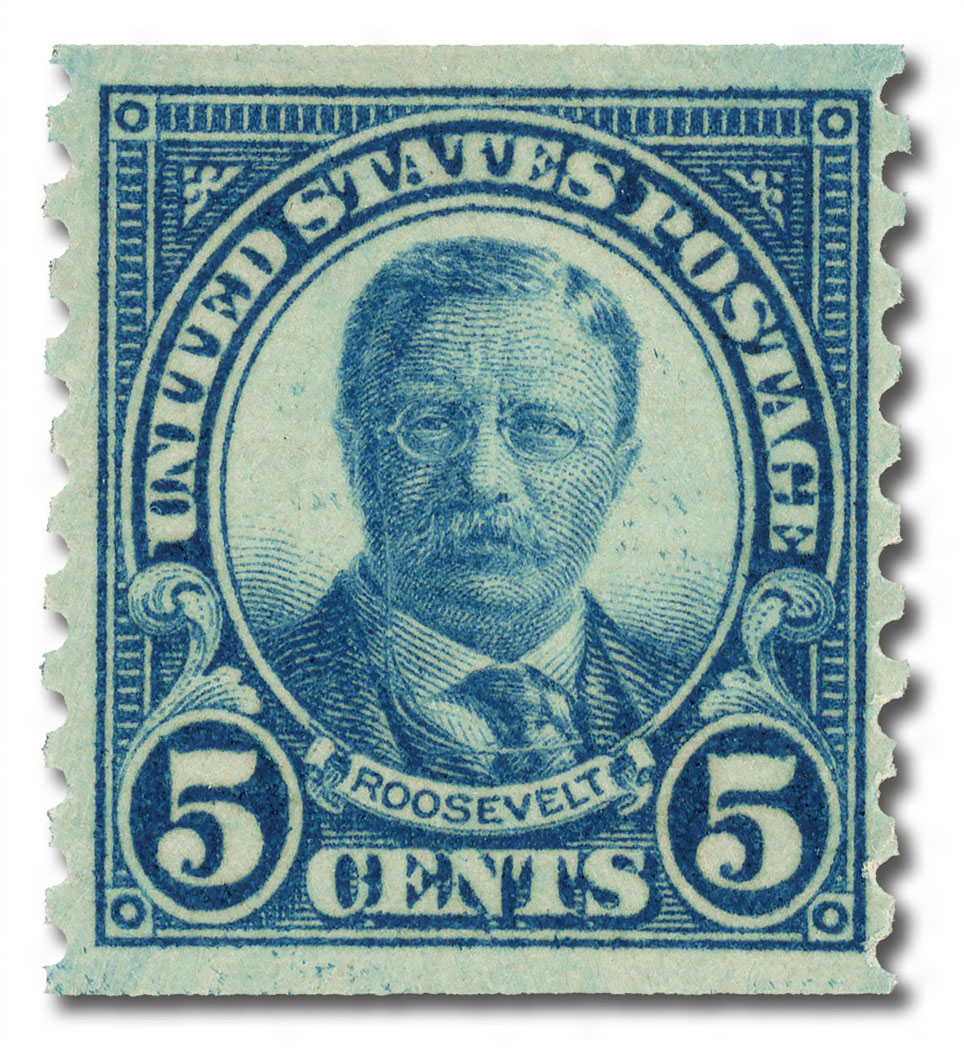
The first major federal step came on February 22, 1897. President Grover Cleveland created the Olympic Forest Reserve to protect forests from heavy cutting. In 1909, President Theodore Roosevelt created Mount Olympus National Monument to protect the native elk, later known as Roosevelt elk. The monument covered more than 600,000 acres.
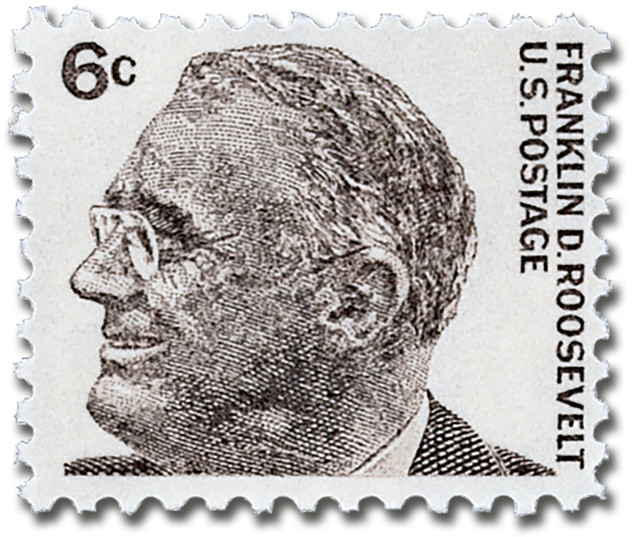
Franklin Roosevelt visited the Olympic Peninsula in 1937 and supported national park status. The next year, Congress passed the act establishing Olympic National Park. Roosevelt signed it on June 29, 1938. Congress authorized a park of up to 898,292 acres and placed it under the National Park Service.
The park later grew when a strip of Pacific coastline was added in 1953. Today it protects more than 922,000 acres, including more than 70 miles of wild coast, temperate rain forest, alpine meadows, rivers, and old-growth forest. Its isolation also helped produce species found only in this region, including the Olympic marmot, Olympic chipmunk, and Olympic snow mole.
Olympic National Park became an International Biosphere Reserve in 1976 and a UNESCO World Heritage Site in 1981. Those honors reflected what early advocates had argued for decades: the Olympic Peninsula was not one kind of landscape, but many.
Click here to visit the Olympic National Park website.
| FREE printable This Day in History album pages Download a PDF of today’s article. Get a binder or other supplies to create your This Day in History album. |
Discover what else happened on This Day in History.
Took my family to this park when they were kids. It is sublime with its moss covered trees and winding trails. One of our favorite places to get to know.