
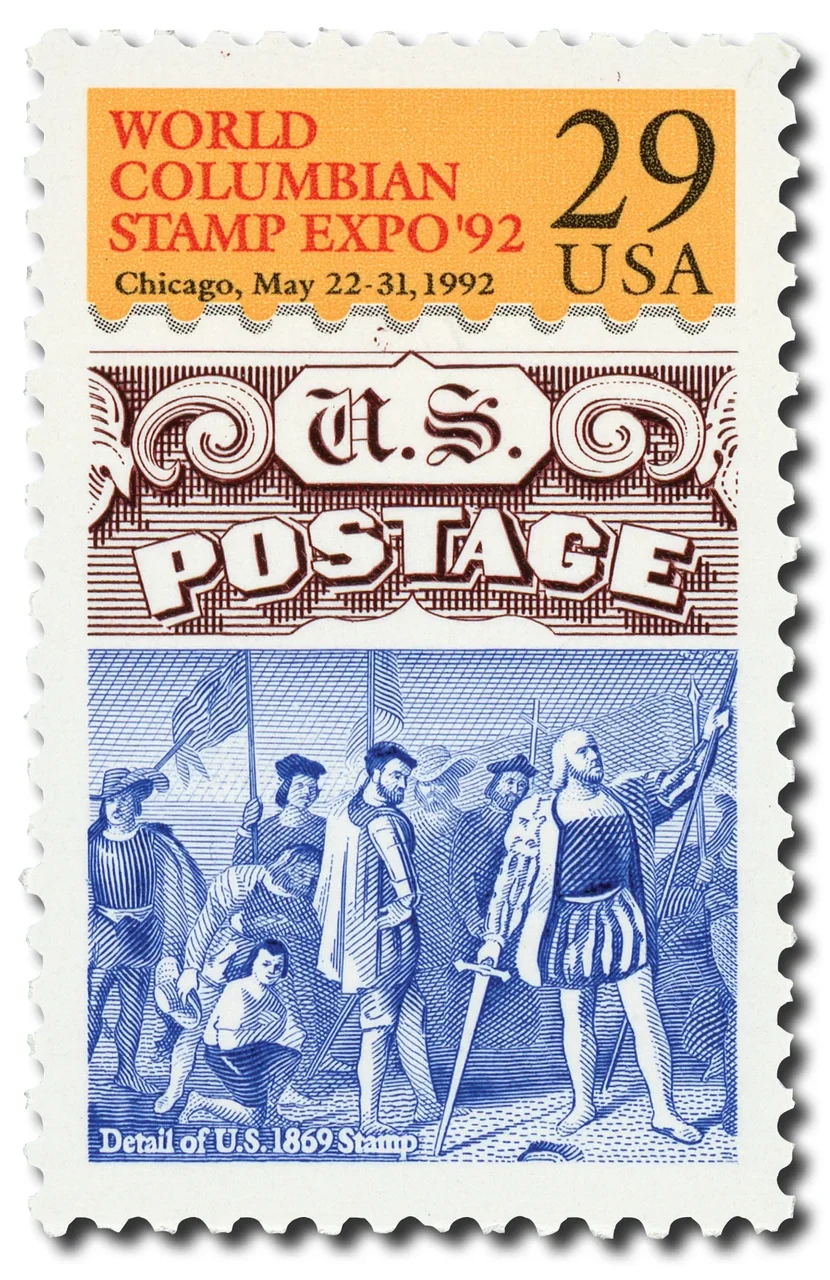
On October 21, 1892, Chicago dedicated the grounds and buildings of the World’s Columbian Exposition. The fair would not open to visitors until the following May, but its three-day dedication celebration drew huge crowds and put the unfinished exposition on the national stage.
The fair was planned to mark the 400th anniversary of Christopher Columbus’s 1492 voyage. Several cities competed to host it. Chicago gained support after banker Lyman Gage and other local leaders secured millions of dollars in subscriptions, helping persuade Congress to choose the city in 1890.
Organizers had hoped to dedicate the exposition on October 21, 1892, but construction delays meant the grounds were still incomplete. Chicago held a three-day celebration, October 20–22. A large parade moved through downtown on October 20, with civic groups, military units, and visitors taking part. The next day, President Benjamin Harrison and members of his Cabinet attended the formal dedication. A sunrise salute opened the day, followed by a procession across the grounds to the Manufactures and Liberal Arts Building. Speeches, music, and other ceremonies continued into the evening. See photographs and a list of parade participants.
Work continued through the winter. The exposition opened to the public on May 1, 1893, and ran until October 30. It covered nearly 700 acres in Jackson Park and the Midway Plaisance. More than 27 million visits were recorded during its six-month run. Forty-six nations took part, displaying products, inventions, art, and cultural traditions.
The exposition’s most famous section became known as the “White City.” Its neoclassical buildings stood around lagoons, fountains, and landscaped avenues. More than 200 major buildings were constructed for the fair, many designed by leading architects. Most were temporary, with white-painted exteriors that gave the Court of Honor its name and striking appearance. The scale and coordinated design helped inspire the City Beautiful movement, which urged American cities to create more unified public spaces. The fair is also often cited as an influence on L. Frank Baum’s Emerald City in The Wonderful Wizard of Oz.

The gathering also created opportunities for meetings and public programs. Dozens of congresses addressed subjects such as labor, medicine, education, art, and science. The Parliament of Religions, held September 11–27, brought representatives of several faiths together. Hindu monk Swami Vivekananda drew attention with a speech calling for religious tolerance. He quoted a hymn describing different paths that “all lead to Thee,” and also referred to the Bhagavad Gita.
Music was another part of the exposition. W.C. Handy organized a quartet to perform at the fair, and ragtime pianist Scott Joplin was among the Black musicians associated with its music scene. Their performances helped bring African American musical styles to wider audiences, though the fair’s exhibits and official programs did not represent Black Americans equally.
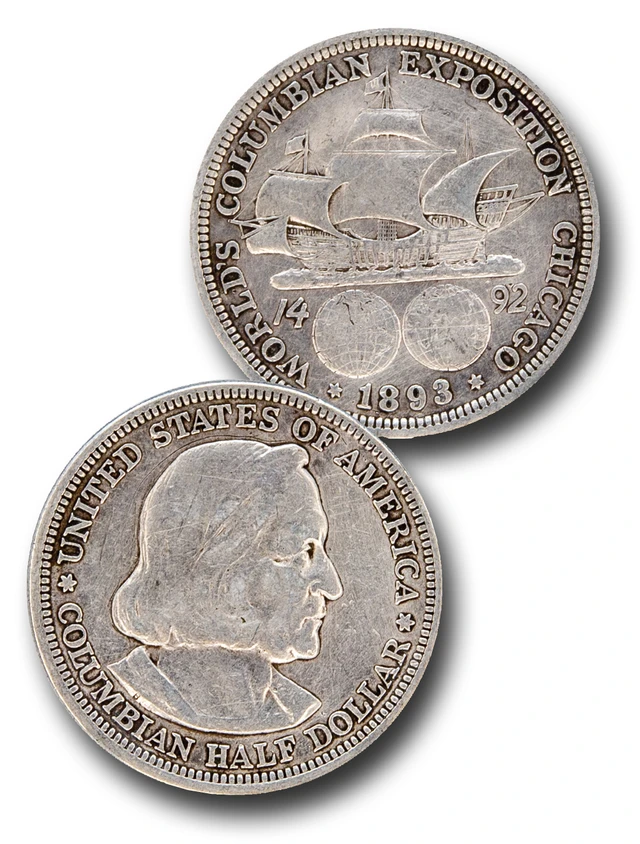
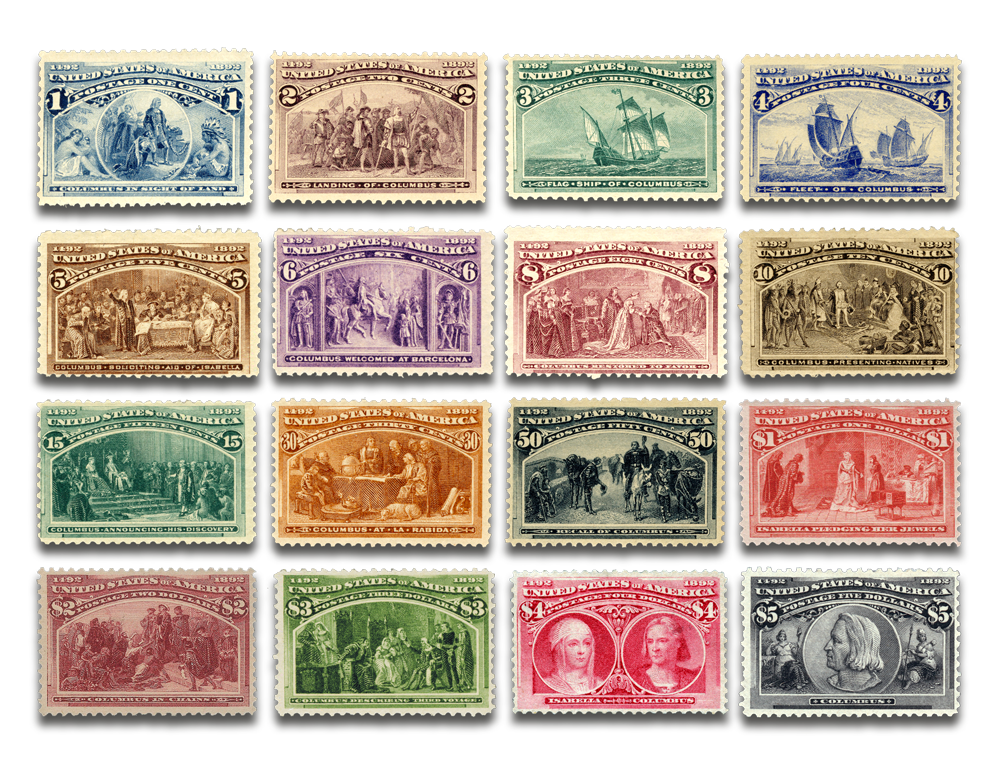
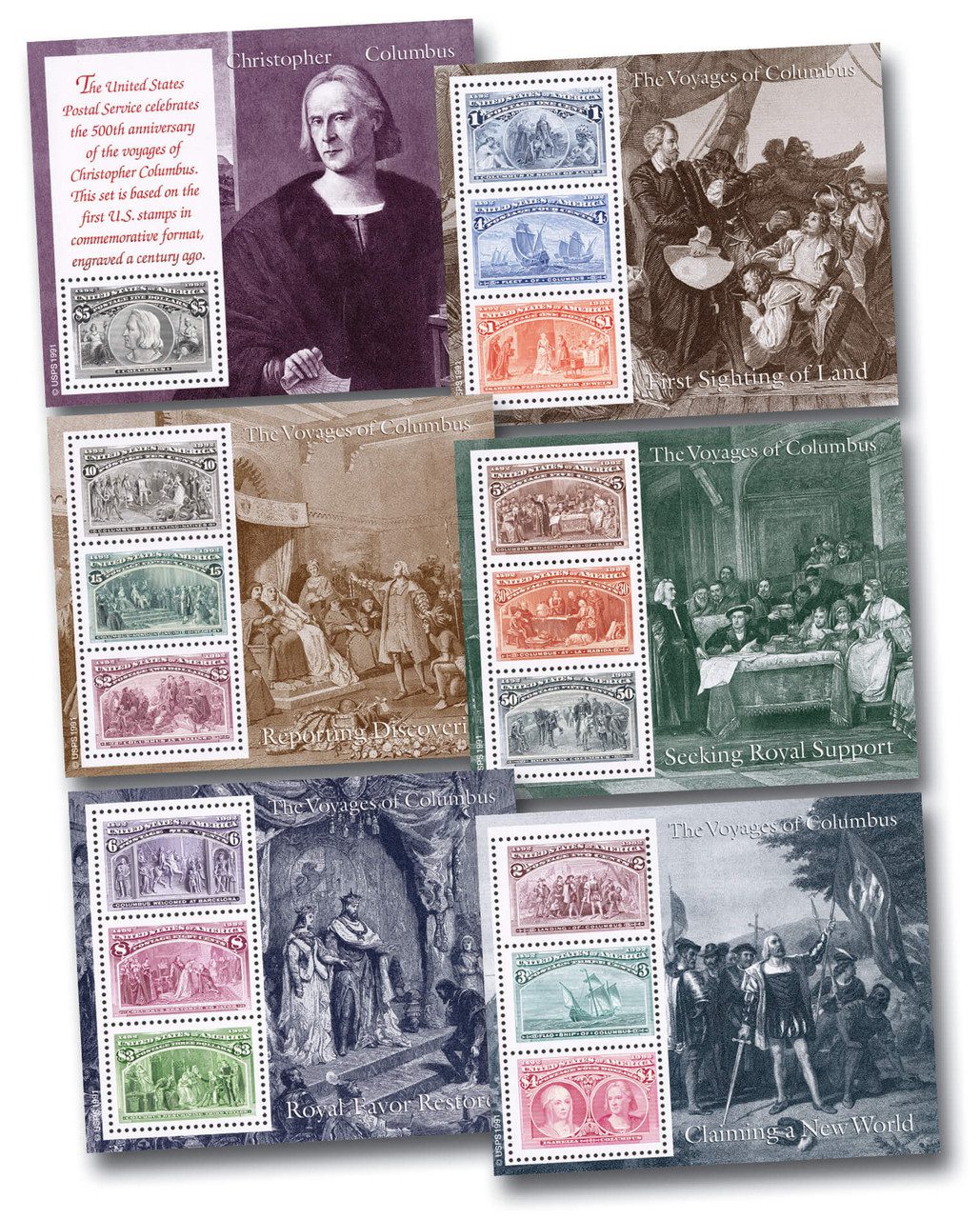
The fair left a lasting mark on US collecting. The Post Office Department issued the Columbian series, the nation’s first commemorative postage stamps. The exposition also prompted the US Mint to produce the first US commemorative coins: a half dollar and a quarter dollar honoring Columbus. Foods and products later linked with the fair included Cracker Jack, Quaker Oats, and Shredded Wheat, though claims about exactly where each was first introduced vary.
Click here for more Columbian sets, singles, covers, joint issues, tickets, and more!
Click here to view scenes from the Columbian Expo and click here for more about the 1893 Columbians.
| FREE printable This Day in History album pages Download a PDF of today’s article. Get a binder or other supplies to create your This Day in History album. |
Discover what else happened on This Day in History.
Great presentation. Enjoyed story and photos of my home town.
Why wouldn’t you add about Nicola Tesla and his alternating current lighting up the exhibition. It was the first time alternating current was used on such a large scale and was huge advancement in technology. A historic event in itself.
https://www.linns.com/news/us-stamps-postal-history/2016/october/born-october-21-carrie-fisher.html Happy 60th Birthday Carrie!!!!
Let’s not forget that Columbus explorations were acts of Imperialism and brought as much evil as good to the world.
Oh please…can we give that a rest? It was a different time. I wonder what they will say about us 524 years from now?
I A\agree Dennis, William stop drinking PC Koolaide and get your head out of your know what
Why, why are these beautiful historic buildings being torn down – probably wouldn’t happen in Europe!