

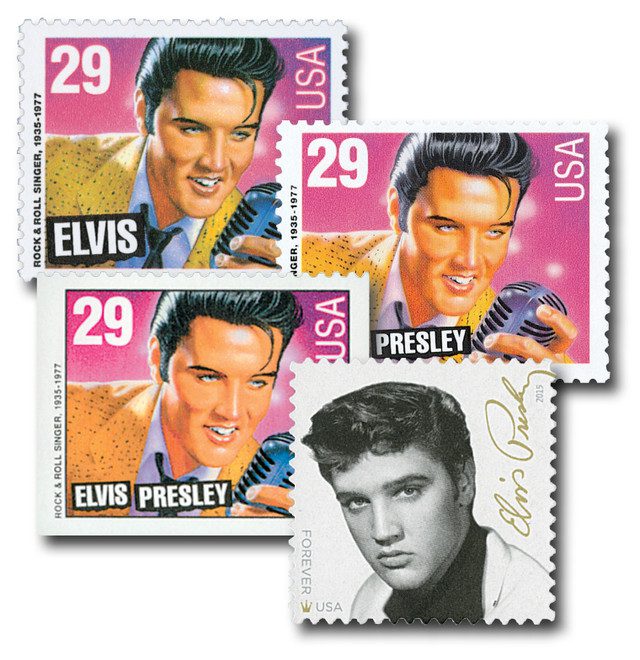
On October 28, 1956, Elvis Presley received a widely publicized polio vaccination before appearing on The Ed Sullivan Show. The event put a familiar face behind a public health message: teenagers, too, needed protection from polio.
Polio was a frightening part of American life in the first half of the 20th century. The virus could spread quickly, and severe cases damaged nerves, causing paralysis or death. In 1952, the United States recorded more than 21,000 paralytic cases, the largest number in the country’s history. There was no cure, so prevention became a priority.
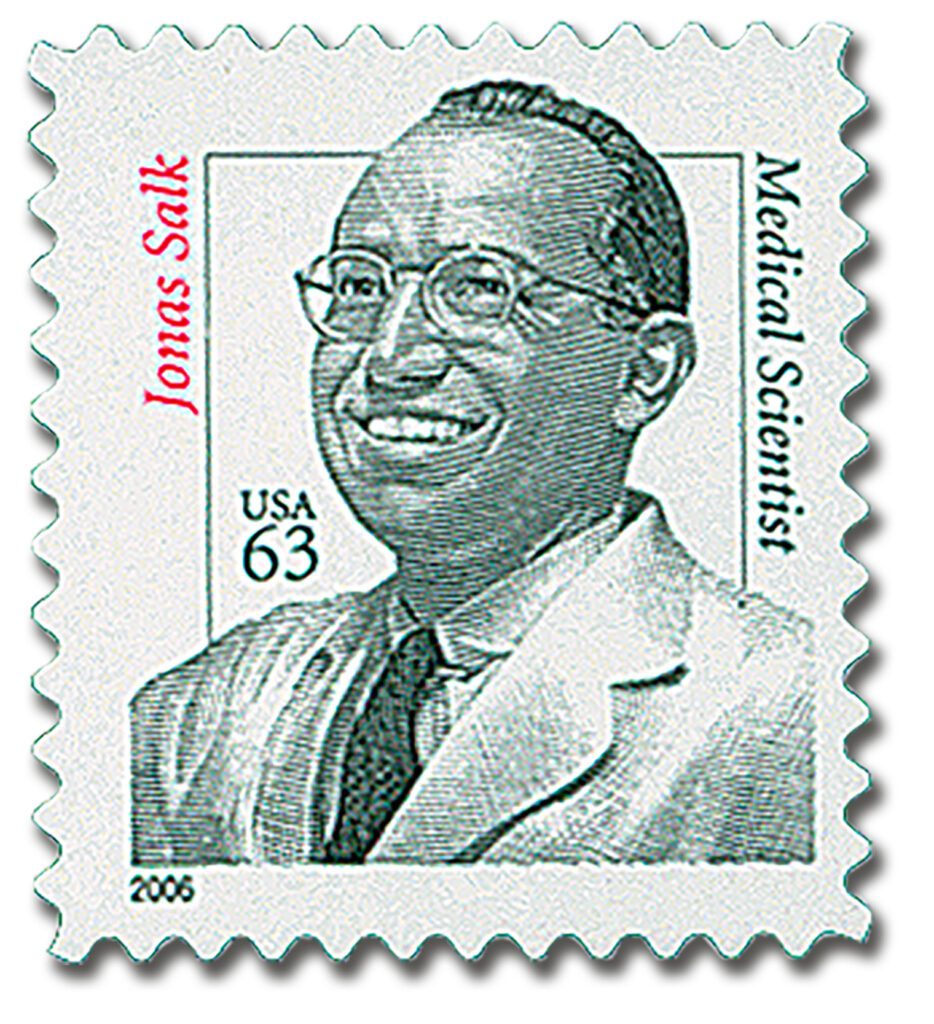
Physician Jonas Salk began developing an inactivated polio vaccine at the University of Pittsburgh in the early 1950s. His vaccine used poliovirus that had been killed with formaldehyde. It was designed to protect against all three known types of the virus. After early testing, the vaccine entered a large field trial in 1954. The March of Dimes helped organize the effort, which involved about 1.8 million children in the United States, Canada, and Finland. On April 12, 1955, officials announced that the vaccine was safe and effective, and it was licensed that day.
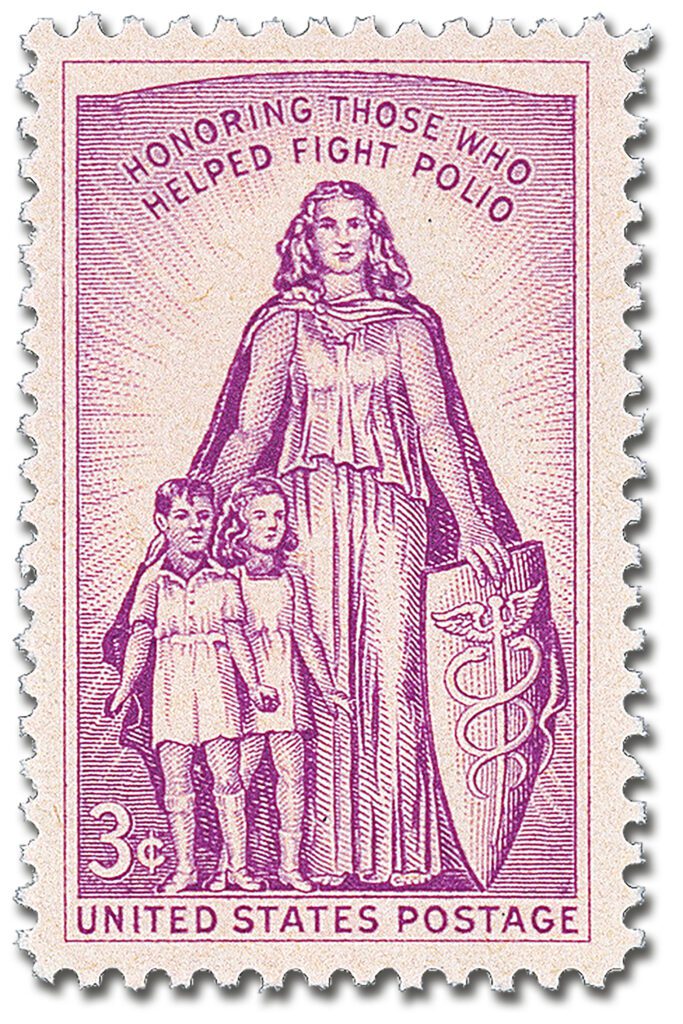
Vaccination campaigns first focused heavily on young children. Teenagers were also at risk, but many had not received their shots. Some thought polio was a disease of childhood and that they were unlikely to catch it. Others worried about needles or could not easily get to a vaccination clinic. The National Foundation for Infantile Paralysis, which raised money through the March of Dimes, began looking for ways to reach young people in language and settings they would respond to.
By 1956, Presley had become a major star, with a particularly strong following among teenagers. Health officials and the foundation saw an opportunity to reach that audience. Before his October 28 appearance on The Ed Sullivan Show, Presley agreed to receive the vaccine in front of reporters and cameras at CBS Studio 50 in New York. New York City Health Commissioner Leona Baumgartner held his arm while Assistant Commissioner Harold Fuerst gave the injection. The vaccination took place backstage; photographs and film of the event, rather than the shot itself as part of his performance, carried the message to the public.

The pictures appeared in newspapers, and reporters described Presley as setting an example for young people. He also met March of Dimes poster girl Joanne Wilson. His participation continued beyond that day: he recorded a message for a March of Dimes album released in 1957. The publicity helped draw attention to the campaign, but it was only one part of a larger effort.
Teenagers were not simply the audience for the campaign. The foundation helped organize them as volunteers through groups known as Teens Against Polio. They spoke with classmates, promoted vaccination, and organized “Salk Hops”—dances that admitted teens who could show they had received their shots. These activities made vaccination a visible part of school and social life. They also gave teenagers a direct role in encouraging their peers.


Some accounts say the share of vaccinated teenagers rose from 0.6 percent to more than 80 percent within six months. The vaccine’s impact can also be seen in national case counts. The CDC reports that the United States had 2,525 paralytic polio cases in 1960, down from more than 21,000 in 1952—about an 88 percent decline. That drop followed the introduction and growing use of effective vaccines, alongside years of organized immunization work. Presley’s highly publicized shot became a memorable moment in that broader campaign.
Click here for a neat video about Elvis’s polio awareness campaign.
Click here for more Elvis stamps, covers, coins, and more.
| FREE printable This Day in History album pages Download a PDF of today’s article. Get a binder or other supplies to create your This Day in History album. |
Discover what else happened on This Day in History.
Often overlooked, probably because of his immense popularity and mega-star status, Elvis was an extremely generous and compassionate human. I remember an appearance by Elvis on the Ed Sullivan show on a Sunday night while my grandmother was babysitting. Sitting in a rocking chair and looking over the top of her glasses while she was knitting she uttered, “That boy is going places”. I was 7 or 8, she was 60 something and that moment is etched indelibly in my mind. Hey Nana, you were right.