
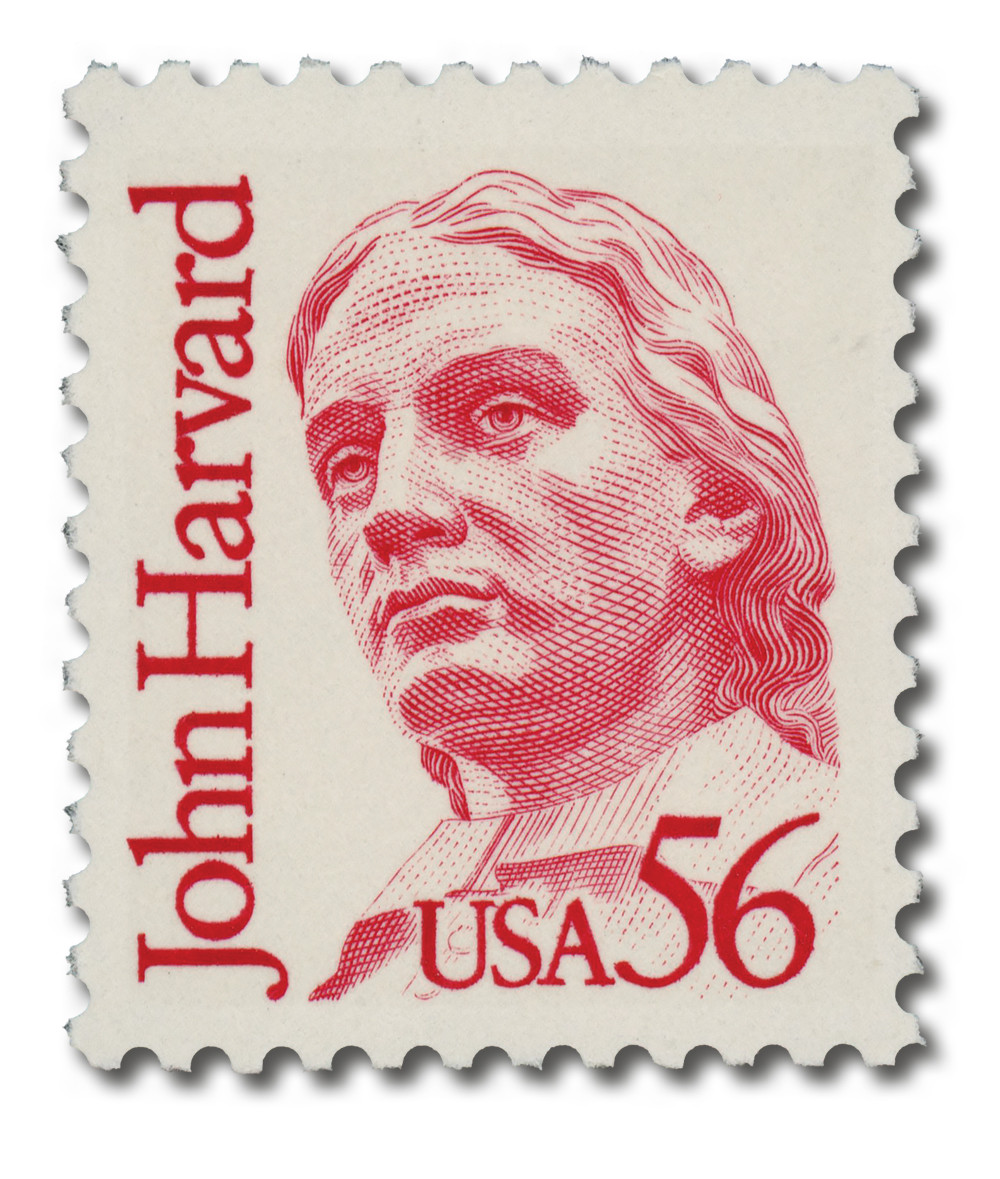
Clergyman John Harvard died on September 14, 1638, in Charlestown, Massachusetts Bay Colony. He was only about 30 years old, but his final gift gave a struggling colonial college the money and books it needed to continue.
Harvard was born in Southwark, Surrey, England, an area just south of the River Thames and now part of London. He was likely born on November 26, 1607, and was baptized three days later at St. Saviour’s Church, now Southwark Cathedral. He was the fourth of nine children born to Robert Harvard, a butcher and tavern owner, and Katherine Rogers Harvard. His mother’s family came from Stratford-upon-Avon; her father had served on the town council with John Shakespeare, William Shakespeare’s father.

Harvard’s early life was marked by loss. In 1625, a severe outbreak of bubonic plague killed his father and several of his siblings. Only John, his brother Thomas, and their mother remained from the immediate family. Katherine later remarried, and the family’s financial circumstances improved enough for John to attend Emmanuel College at the University of Cambridge.
Emmanuel College had a strong Puritan tradition and trained many ministers who later emigrated to New England. Harvard entered the college in 1627, when he was about 20. He earned his bachelor’s degree in 1632 and his master’s degree in 1635. He prepared for the Puritan ministry during a period of growing religious conflict in England. Many Puritans objected to ceremonies and church structures they believed remained too close to Roman Catholic practice.
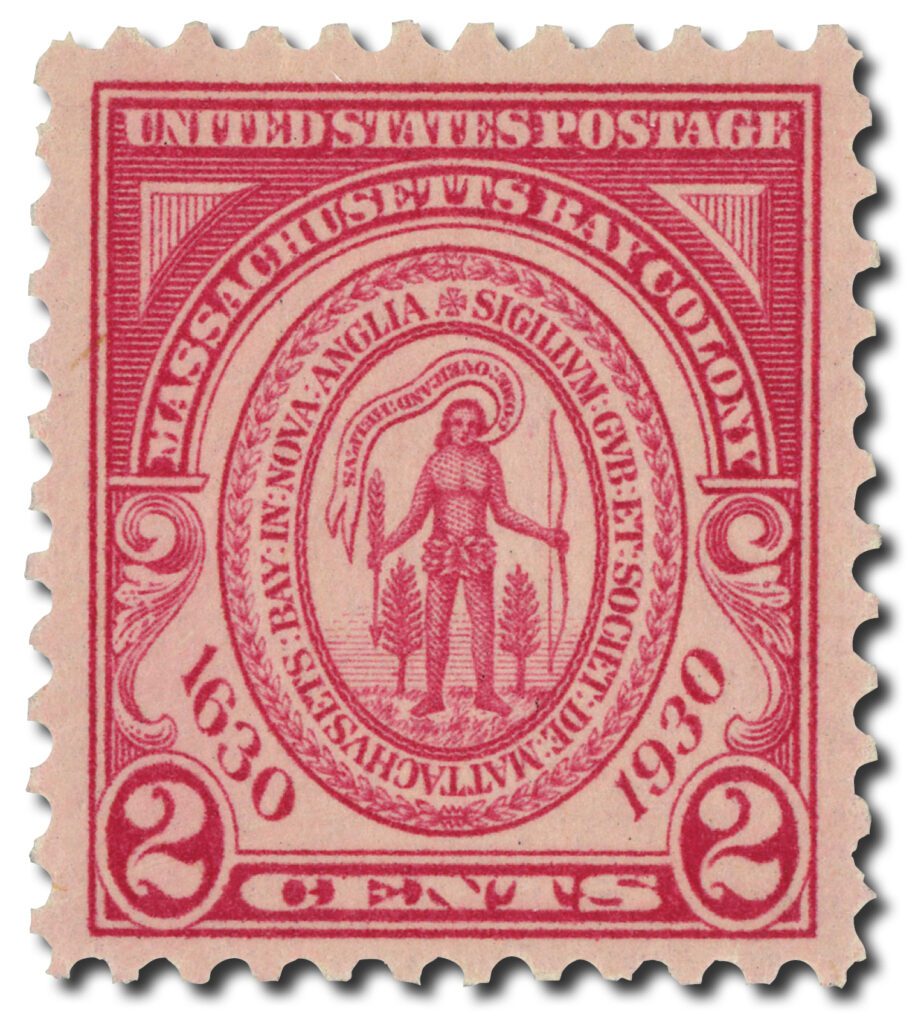
The college was founded to ensure Massachusetts Bay would have educated ministers and civic leaders.
In 1636, Harvard married Ann Sadler. The following year, they joined the large movement of Puritans who crossed the Atlantic to Massachusetts Bay Colony. The voyage was dangerous and uncomfortable, but the colony offered religious and civic opportunities unavailable to many Puritans in England.
The Harvards settled in Charlestown, then a separate community across the Charles River from Boston. John Harvard became a teaching elder and assistant preacher at the First Church of Charlestown. A teaching elder was expected to preach, explain Scripture, and help guide the congregation. Harvard also took part in civic affairs. In 1637, he served on a committee formed “to consider of some things tending toward a body of laws,” an early effort to develop laws for the colony.
Harvard purchased a home and about 120 acres of land in Charlestown. He hoped to raise cattle, but he had little time to establish himself. He became ill with consumption, the disease now known as tuberculosis, and died on September 14, 1638. He was buried in Charlestown’s Phipps Street Burying Ground. His original grave marker disappeared long ago, but Harvard University alumni placed a granite memorial at the site in 1828.

Two years before his death, the Massachusetts Bay Colony had voted to establish a college. Its leaders wanted to “advance learning and perpetuate it to posterity,” especially so the colony would continue to have educated ministers. The school was first planned for Newtowne, which had already been renamed Cambridge in honor of the English university attended by many colonists.
Harvard had no children. Near the end of his life, he left half his estate—about £780—to the new college, with the remainder going to his wife. The gift was enormous for the small colony. It was roughly equal to Massachusetts Bay’s annual tax revenue and nearly doubled the financial support already promised for the school.
He also left his personal library: about 400 volumes, representing roughly 329 separate titles. In the 1630s, books were expensive and difficult to obtain in New England. The collection gave the young college resources for teaching religion, languages, philosophy, history, and other subjects. In 1639, the colony ordered that the college be named Harvard College in recognition of his gift.
Most of Harvard’s books were later lost when Harvard Hall burned in 1764. One volume from his library is known to have survived: a copy of The Christian Warfare by English clergyman John Downame. Its survival provides a rare physical connection to the college’s earliest benefactor.
Click here for more about Harvard University.
| FREE printable This Day in History album pages Download a PDF of today’s article. Get a binder or other supplies to create your This Day in History album. |
Discover what else happened on This Day in History.
Never knew where the name of the school came from. Good info!!
“From small beginnings . . . “
Agree with Bill R. I am a student of US history but didn’t know the story.
Bubonic plague killed most of his family. Tuberculosis took his life. People were at the mercy of nature and diseases. Many of those diseases are well controlled now. Cancer and heart attacks took their places. People live longer now, thanks to science and discoveries. He was very generous on death bed. Harvard education is very prestigious. Medical school is top.