
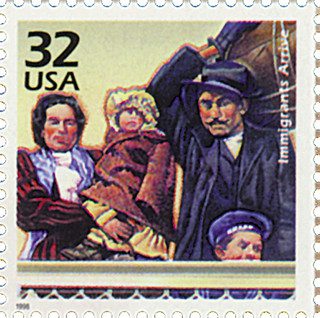
On November 12, 1954, Ellis Island’s immigration station closed after more than six decades of operation. At its peak, thousands passed through in a day; in its final years, the island was used largely for detention and deportation.
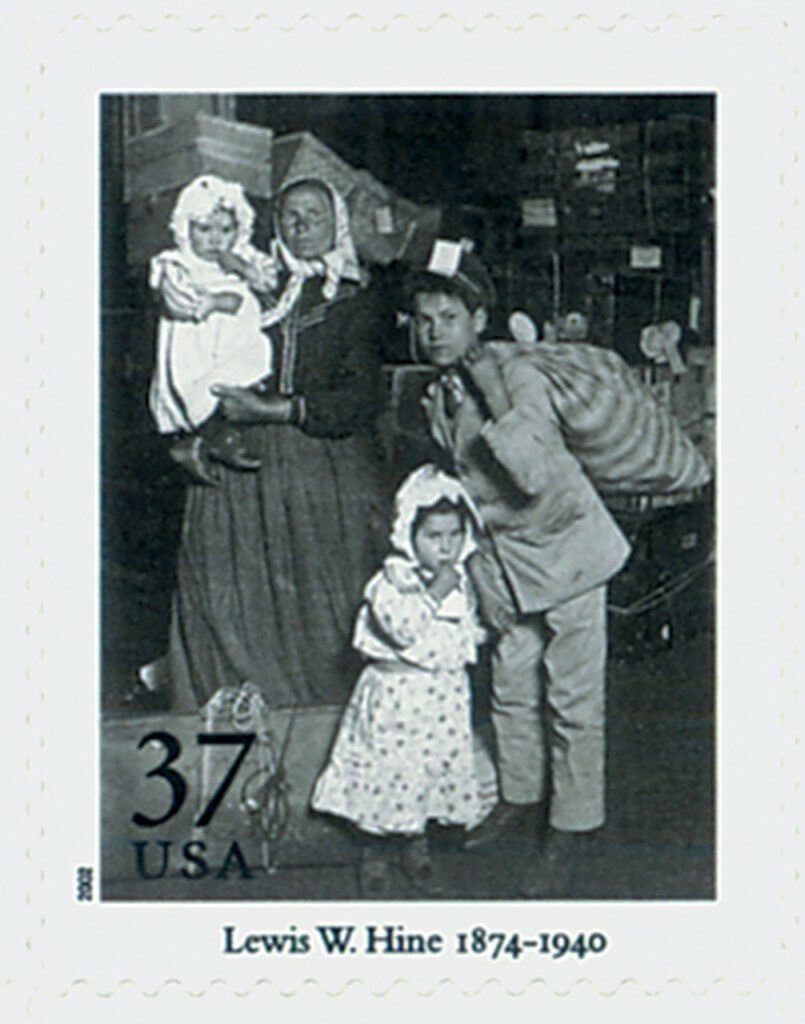
Archaeological evidence suggests Indigenous people used Ellis Island by about 994 AD. The island was one of three in New York Harbor known as the Oyster Islands, named for their shellfish beds. Oysters were an important food source. As European settlement expanded, Indigenous communities were displaced from the area.
In the 1670s, colonial governor Edmund Andros granted the island, then called Little Oyster Island, to customs official William Dyre. It later took several names, including Dyre’s Island and Bucking Island. New York merchant Samuel Ellis advertised it for sale in 1785, and the island became known by his name. In the early 1800s, the US government developed it as a harbor defense post. Fort Gibson, with a battery, barracks, and powder magazine, stood on Ellis Island before the War of 1812.
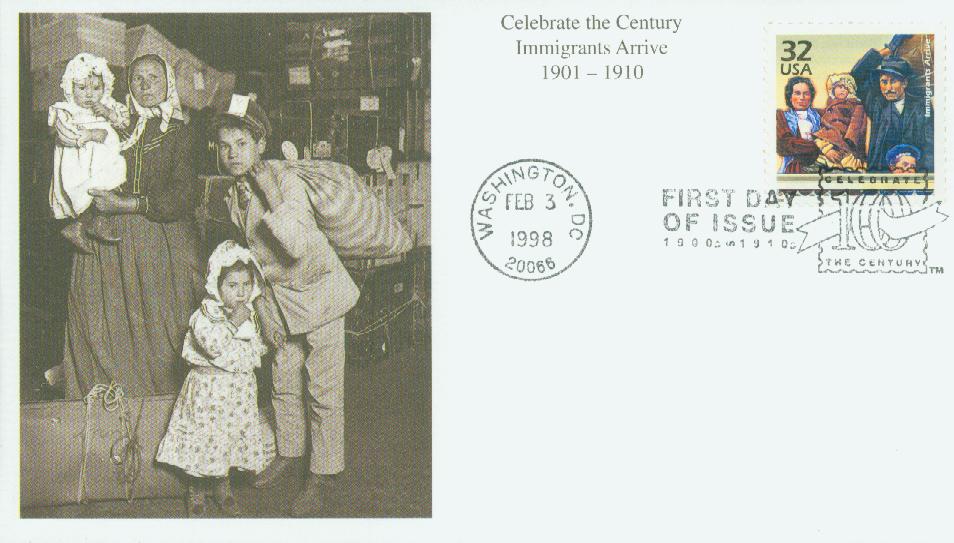
Until the late 19th century, state authorities handled immigration. The federal government assumed responsibility in 1891 and appropriated $75,000 for an inspection station. Before construction, landfill doubled the island’s size. The first federal immigration station opened on January 1, 1892. On that day, 17-year-old Annie Moore, from County Cork, Ireland, became the first immigrant processed there. She arrived aboard the steamship Nevada with her two younger brothers to join their parents in New York.

Immigrants arriving at Ellis Island first underwent a medical inspection in the Registry Room. Doctors looked for signs of illness or disability. Those needing further examination could be sent to the hospital or held for treatment. Conditions such as trachoma and favus could lead to detention or exclusion. Legal inspectors compared travelers’ answers with information on passenger manifests, which recorded 29 details about each person. Officials could refuse entry to people barred under federal law, including those judged likely to become a public charge. Most inspections took several hours, though the initial medical check became known as the “six-second physical.” In 1907, as many as 5,000 immigrants arrived in a single day.
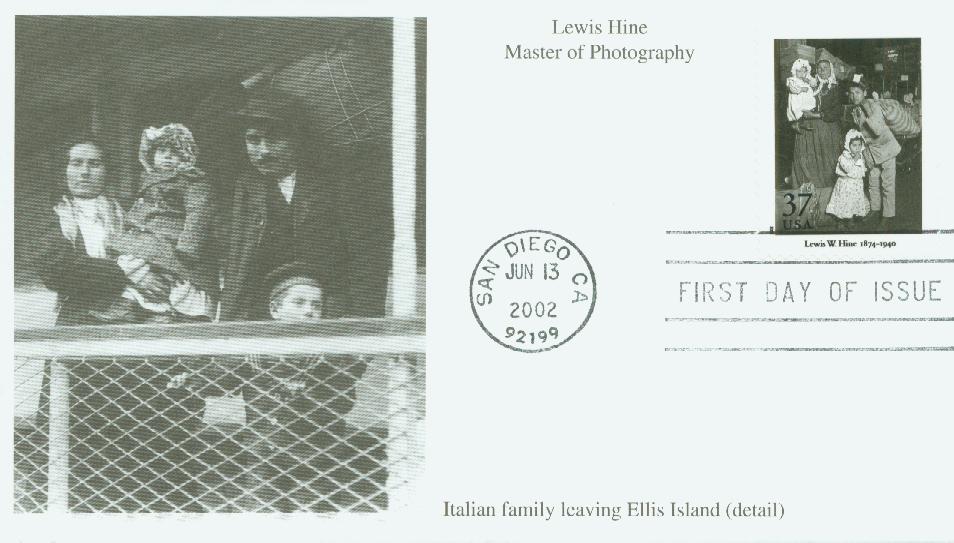
A fire destroyed the wooden station on June 15, 1897. No one died, but the buildings were lost. The government rebuilt the complex with fire-resistant materials. The new main building opened on December 17, 1900, followed by a hospital in March 1902. The hospital treated immigrants with contagious diseases and other serious conditions. It soon proved too small, so officials added wards, an administration building, and isolation facilities. Landfill expanded the island from about three acres to roughly 27 acres.
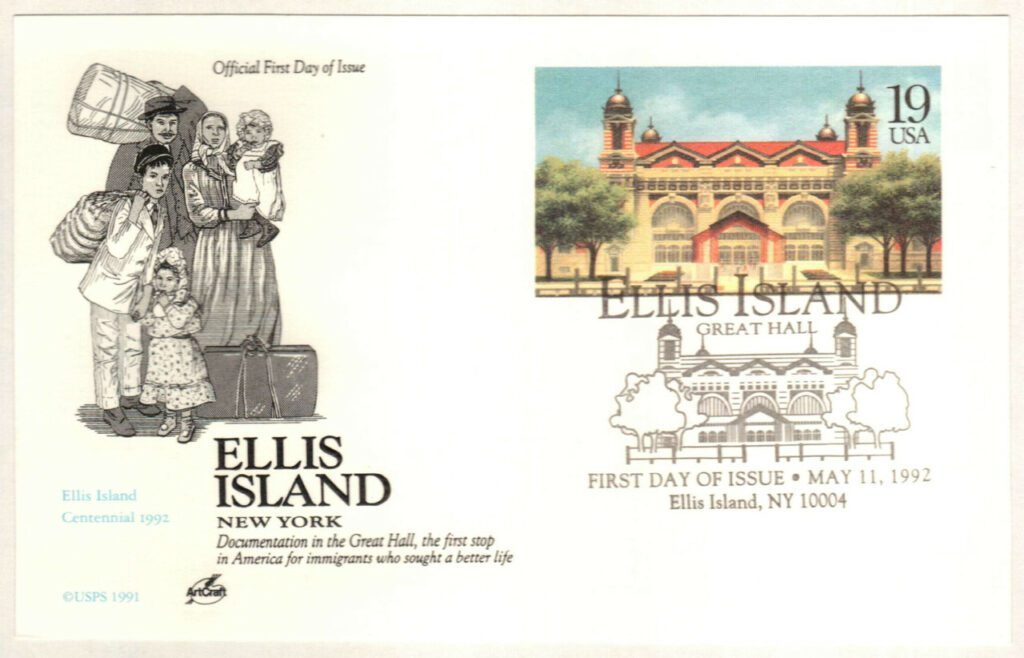
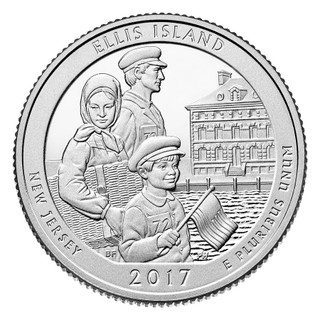
Immigration quotas adopted in the 1920s sharply reduced the number of people allowed to enter the country. The quotas favored immigrants from northern and western Europe and restricted those from southern and eastern Europe. New rules also allowed many travelers to complete inspections at US consulates before leaving home. Ellis Island increasingly became a detention and deportation center. The Immigration and Naturalization Service removed its final detainees on November 12, 1954; the last ferry departed later that month. In March 1955, the federal government declared the property surplus.
In 1965, President Lyndon B. Johnson added Ellis Island to the Statue of Liberty National Monument. The Statue of Liberty’s centennial in 1986 helped launch a major restoration. The Ellis Island Immigration Museum opened in the restored main building in 1990. Today, visitors can see the rooms where nearly 12 million immigrants were processed between 1892 and 1954.
Click here for more about the Statue of Liberty and Ellis Island National Monument.
| FREE printable This Day in History album pages Download a PDF of today’s article. Get a binder or other supplies to create your This Day in History album. |
Discover what else happened on This Day in History.
Nice piece of history. My wife and I visited Ellis Island and Statue of Liberty several years ago. A very amazing place.
I really enjoyed thus story on Ellis Island. I plan on ordering the first day covers if they are available.
Great reminder of our countries lifeblood, immigration. Thanks again Mystic
Great article. My grandfather immigrated through Ellis Island from Sweden in 1910 at the age of 17. Look forward to visiting it some day.
Reagan appointed Lee I, CEO of Chrysler, to head public funds to renovate the statue.