

On August 6, 1965, President Lyndon B. Johnson signed the Voting Rights Act, giving the federal government powerful new tools to confront racial discrimination at the polls. The law followed decades of blocked registrations, intimidation, and a voting-rights campaign that drew national attention to Selma, Alabama.
The 15th Amendment, ratified in 1870, declared that voting rights could not be denied because of “race, color, or previous condition of servitude.” Yet many Southern states found ways around that command after Reconstruction. Registration officials used literacy tests, complicated questionnaires, selective enforcement, and economic pressure to keep Black citizens from voting. Poll taxes also discouraged poor voters, although the 24th Amendment prohibited them in federal elections in 1964.

Congress had tried to address the problem. The Civil Rights Act of 1957 created the Justice Department’s Civil Rights Division and authorized federal lawsuits to protect voting rights. It also established the US Commission on Civil Rights. The Civil Rights Act of 1960 required officials to preserve voting records and allowed courts to appoint voting referees. The Civil Rights Act of 1964 prohibited unequal registration standards. However, these measures often depended on slow, county-by-county lawsuits. Local resistance continued.
Civil rights organizations expanded voter-registration campaigns across the South. During Mississippi’s 1964 Freedom Summer, workers James Chaney, Andrew Goodman, and Michael Schwerner were murdered after investigating the burning of a Black church. Their deaths exposed the violence surrounding efforts to register Black voters.
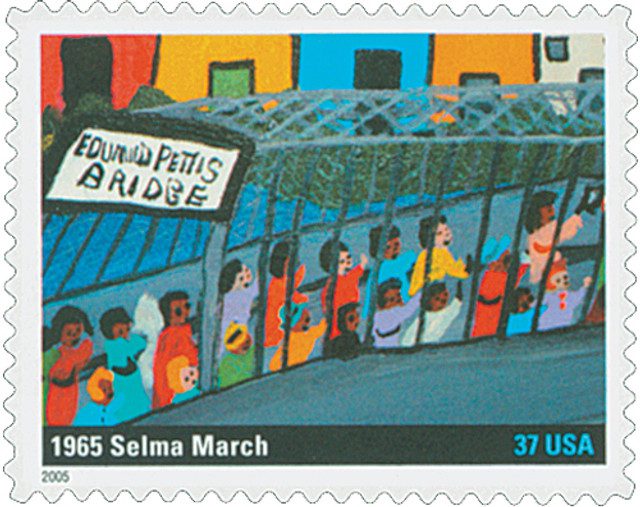
The struggle became especially visible in Selma. Of about 15,000 Black residents of voting age, only 335 were registered. The Dallas County Voters League, Student Nonviolent Coordinating Committee, and Southern Christian Leadership Conference organized demonstrations. On February 18, 1965, Alabama state trooper James Bonard Fowler shot activist Jimmie Lee Jackson during a protest in nearby Marion. Jackson died eight days later.
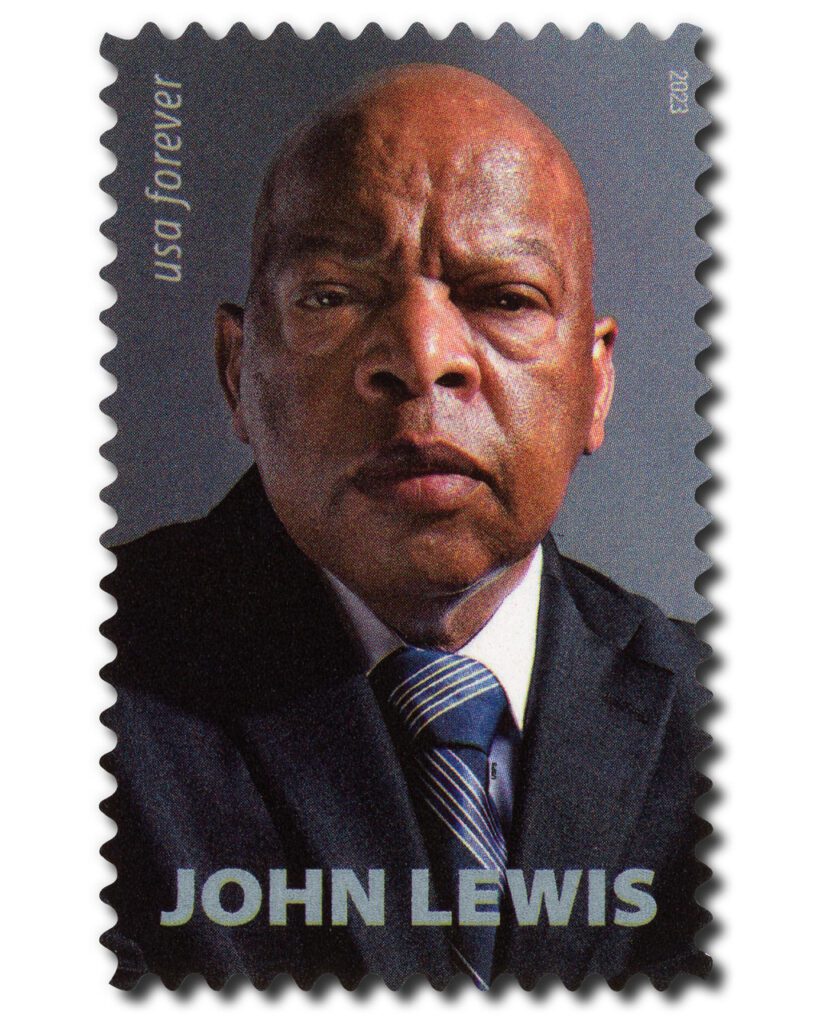
Activists responded by planning a 54-mile march from Selma to the state capital at Montgomery. On March 7, about 600 marchers, led by John Lewis and Hosea Williams, crossed Selma’s Edmund Pettus Bridge. Alabama state troopers ordered them to disperse, then attacked with clubs and tear gas. Television footage of “Bloody Sunday” showed the violence to viewers across the country.
Eight days later, Johnson addressed a joint session of Congress. He called for legislation that would enforce the Constitution instead of leaving protection largely to local officials. “It is wrong—deadly wrong—to deny any of your fellow Americans the right to vote in this country,” he declared.

The bill suspended literacy tests and similar devices in places identified by a federal coverage formula. It authorized federal examiners to register qualified voters where local officials had obstructed registration. Section 5 required covered states and counties to obtain federal approval, known as preclearance, before changing election procedures. Section 2 prohibited racially discriminatory voting practices throughout the country.

Congress approved the final bill by wide margins. The House passed it 328–74 on August 3. The Senate accepted the final version 79–18 the next day. Johnson signed Public Law 89-110 on August 6 in the President’s Room at the US Capitol, with civil rights leaders and lawmakers present.

The results came quickly. By the end of 1965, about 250,000 new Black voters had registered. Federal examiners registered roughly one-third of them. By the end of 1966, Black registration had reached at least 50 percent in nine of 13 Southern states.

Congress renewed and strengthened the act in 1970, 1975, and 1982. The 1975 amendments added protections for certain language-minority citizens. In the 2013 case of Shelby County v. Holder, the Supreme Court invalidated the formula that determined which jurisdictions required preclearance. The court further weakened Section 2 of the Voting Rights Act in the 2021 case, Brnovich v. Democratic National Committee, and the 2026 case, Louisiana v. Calais. Other provisions, including the nationwide prohibition against racial discrimination in voting, remain in force.
Click here to read the Voting Rights Act of 1965.
| FREE printable This Day in History album pages Download a PDF of today’s article. Get a binder or other supplies to create your This Day in History album. |
Discover what else happened on This Day in History.
The article is out of date since subsequent actions by the US Supreme Court and several States have diminished the effectiveness of the Voting Rights Act. The question of voting access is an unresolved, controversial issue.
The article above is NOT out of date! It only covers the development and original intention of the Voting Rights Act of 1965. The recent misinterpretation of the Supreme Court made it controversial and set back this important 1965 legislation that long resolved the active access and participation of minority Americans. Thank you, Mystic, for bringing this outstanding 1965 Act to our attention!
When I was a lot younger, I thought that you fought for something that was the right thing to do, you won, and that was it. Boy was I naïve. The Voting Rights Act of 1965 was a great law and it led to the enfranchisement of hundreds of thousands of African Americans that had been denied the vote. After the Roberts Supreme Court gutted the Act in 2013, many states with Republican majorities have come up with a whole slough of tricky ways to reduce the vote of blacks, Native Americans who live on reservations, the young, and the elderly. The fight for the right of every citizen to vote goes on.
Mr. Gaunt is correct. You may also include Women’s Rights! Along with all other minorities.
Voting by minority groups, particularly Black voters, is even more under attack now that the Roberts Supreme Court has okayed racial gerrymandering. Republican states have recently redrawn districts with large numbers of black voters, who usually vote Democratic, and carved them up so as to favor Republican “generally white” candidates. The Trump administration and the Republican Congress are currently trying to pass legislation dictating how states conduct elections and voting. The object seems to be to make it more difficult for citizens to vote.