
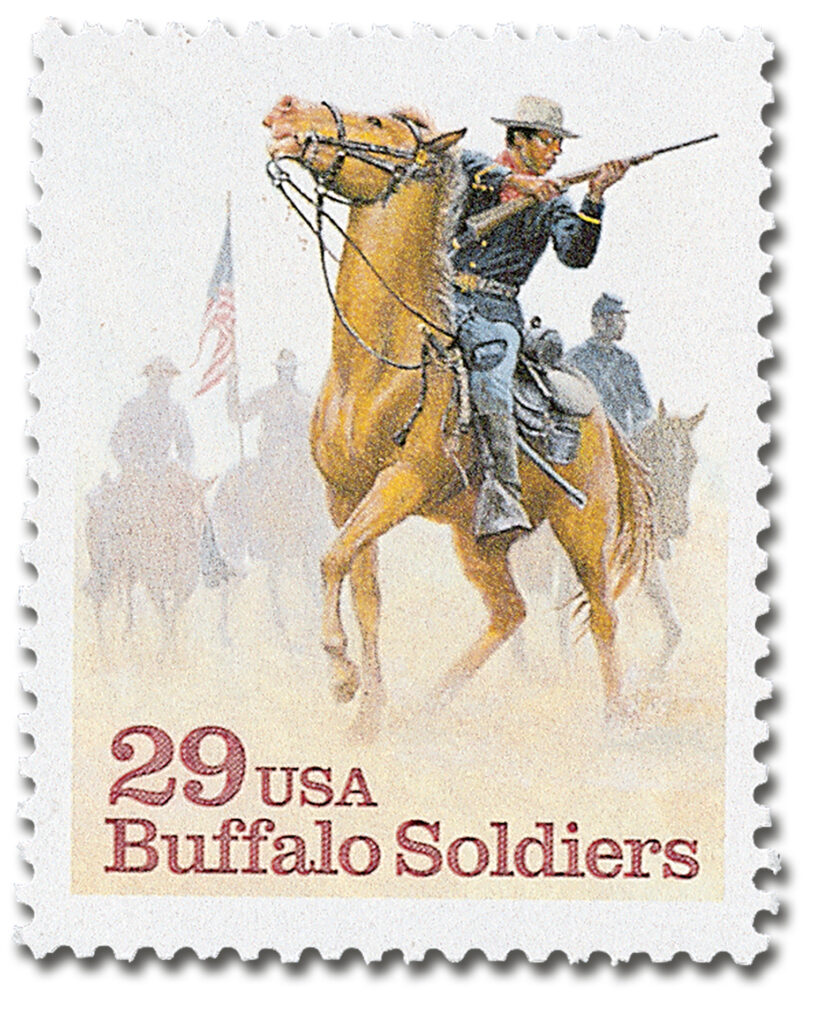
On September 21, 1866, the US Army organized six new Black regiments: the 9th and 10th Cavalry and the 38th, 39th, 40th, and 41st Infantry. Created during Reconstruction, they gave African American soldiers a continuing place in the peacetime Regular Army and began the history of the troops later known as the Buffalo Soldiers.
Congress authorized the regiments in the Army reorganization law of July 28, 1866, after nearly 200,000 Black men had served in the Union forces during the Civil War. Their military service had challenged long-standing racist beliefs about Black soldiers’ ability and discipline. The new units were composed of Black enlisted men, although the Army’s segregated system generally assigned white officers to command them. A small number of Black men later became officers, including Henry Ossian Flipper, who graduated from West Point in 1877 and served with the 10th Cavalry.
The infantry regiments were soon reorganized. In 1869, the 38th and 41st Infantry combined to form the 25th Infantry, while the 39th and 40th became the 24th Infantry. Together with the 9th and 10th Cavalry, the 24th and 25th Infantry formed the four principal Regular Army regiments commonly associated with the Buffalo Soldiers.
Their first assignments took them to isolated posts across Texas and the western territories. The work was demanding even when no battle was underway. Soldiers rode long distances in severe heat, cold, and storms. They built and repaired roads, established camps, carried messages, guarded supply routes, escorted mail coaches, and pursued outlaws and cattle thieves. They also protected railroad crews and other travelers in regions where federal authority was often limited.

The regiments served extensively in the wars between the United States and Native nations during the late 19th century. The Army was enforcing federal expansion into Native homelands, often after treaties had been broken or ignored. Buffalo Soldiers fought in campaigns against the Comanche, Kiowa, Cheyenne, Apache, Lakota, and other Native peoples. They carried out their orders under difficult conditions, but their service was part of a larger and often violent process of westward expansion.
The name “Buffalo Soldiers” became associated with Black troops during this period. Its exact origin is uncertain. Several later accounts say Native American opponents compared the soldiers’ hair or fighting ability to that of the buffalo. Whatever its beginning, the name was eventually used with pride by members of the Black regiments and became a lasting part of their public history.
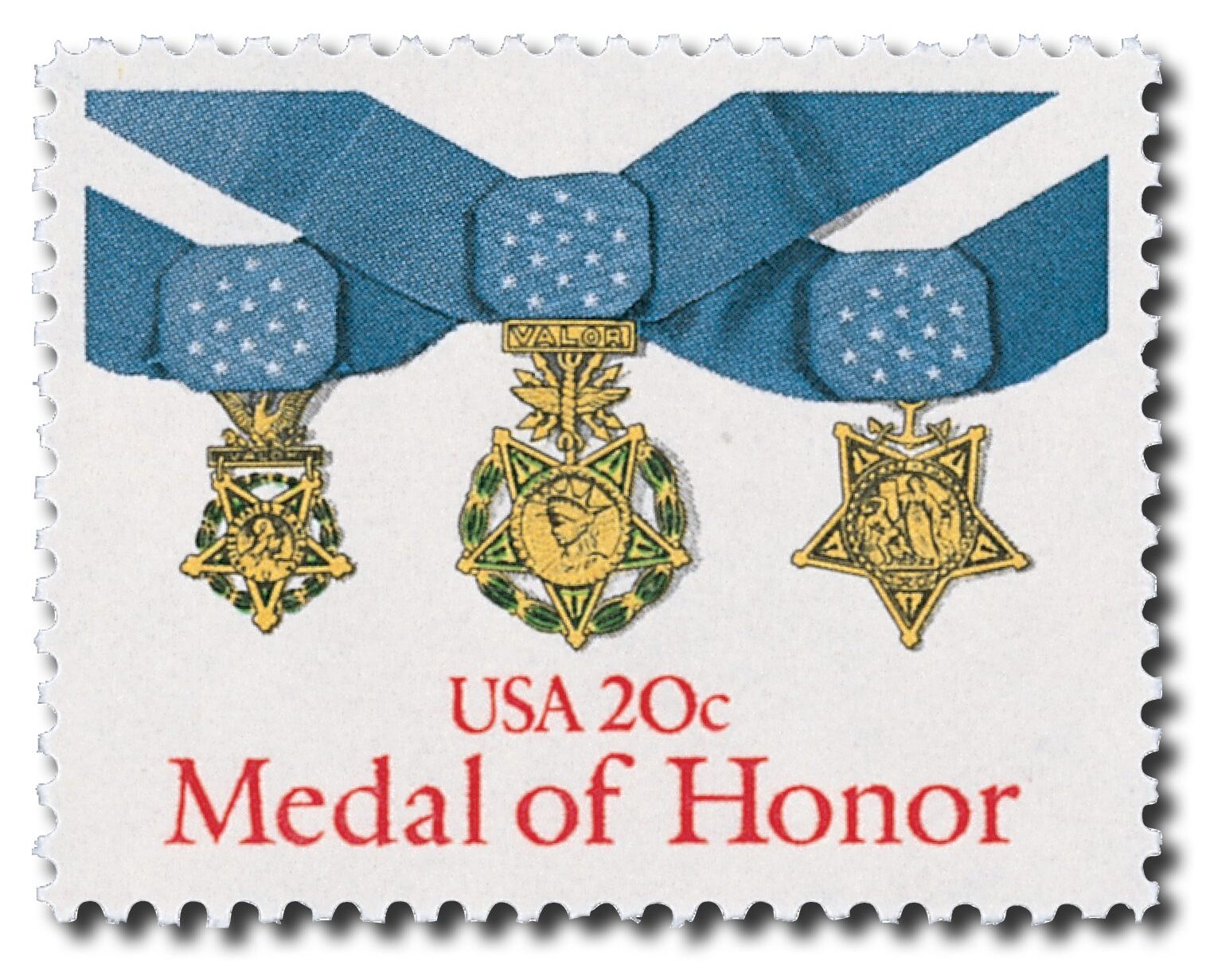
These soldiers faced discrimination inside and outside the Army. They were assigned to segregated units, frequently served at remote posts, and encountered hostility in nearby towns. Their equipment and mounts were sometimes poorer than those issued to white regiments. Yet the units developed strong records of discipline. The 9th and 10th Cavalry, in particular, were known for their persistence on long patrols and difficult field operations. Between 1866 and the end of the 19th century, 18 men serving in the Black Regular Army regiments received the Medal of Honor.
Their service extended far beyond the western frontier. In 1898, the 9th and 10th Cavalry fought in Cuba during the Spanish-American War. They were part of the US force that attacked the heights near Santiago, including San Juan Hill. Theodore Roosevelt’s Rough Riders fought in the same campaign, but the Black cavalry regiments were experienced Regular Army troops and played an important role in the assault.
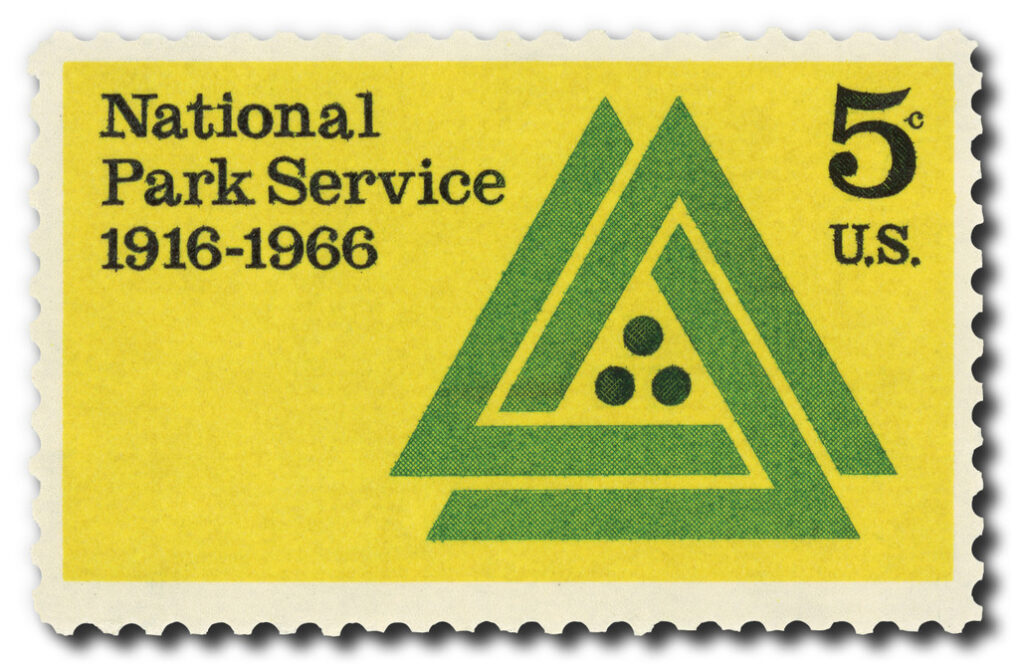
Buffalo Soldiers also helped protect some of America’s earliest national parks before the National Park Service existed. Between 1891 and 1913, companies from the 9th Cavalry and 24th Infantry served in Yosemite and Sequoia national parks. About 500 Black soldiers performed park duty over those years. They patrolled against poaching, illegal grazing, and timber theft. They fought forest fires and built or improved roads and trails. In 1903, troops of the 9th Cavalry helped construct the first road into Sequoia’s Giant Forest, making the famous grove of giant sequoias more accessible.

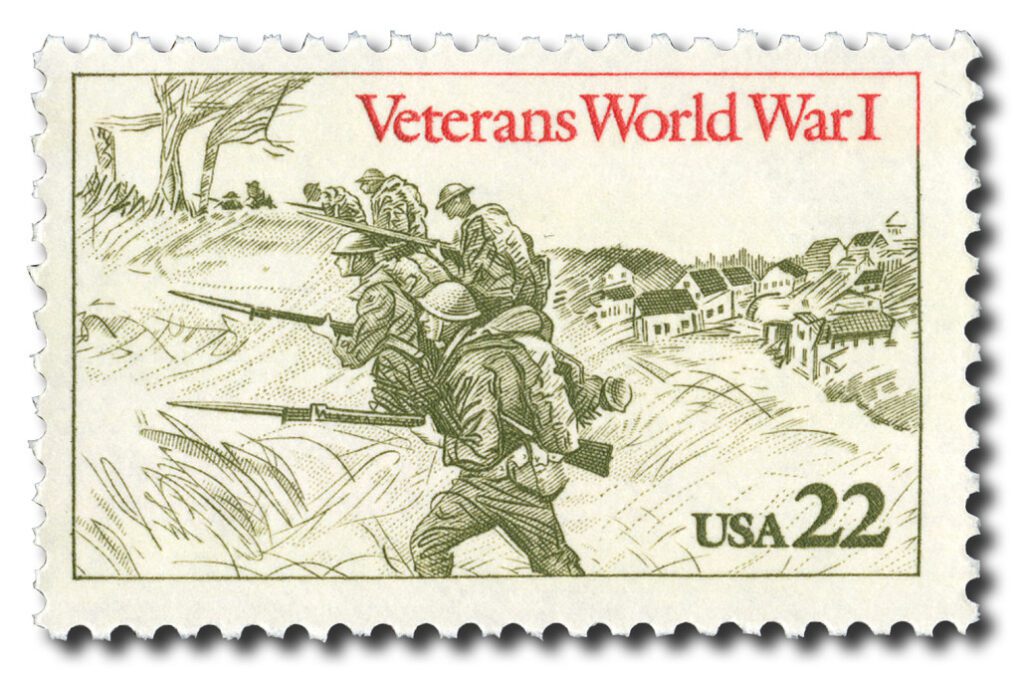
The regiments later served in the Philippines, along the Mexican border, and in both World Wars. The 24th Infantry also saw combat in Korea. President Harry S. Truman ordered the desegregation of the armed forces in 1948. As the Army integrated, the remaining segregated Buffalo Soldier units were reorganized or inactivated; the 24th Infantry was inactivated in 1951.
| FREE printable This Day in History album pages Download a PDF of today’s article. Get a binder or other supplies to create your This Day in History album. |
Discover what else happened on This Day in History.
A fascinating chapter in Arizona’s military history is on display at Fort Huachuca near Sierra Vista. Four units were known as Buffalo Soldiers: the 9th Cavalry, 10th Cavalry, 24th Infantry and 25th Infantry. Those groups also spent time in Vermont, Kansas and Hawaii, but Fort Huachuca can be called the true home of the Buffalo Soldiers because it’s the only base that has housed all the units.
great job good information
“Lingering racism following the Civil War?” How about overt flat out racism?: imposition of Jim Crow segregation throughout the South and in some parts of the rest of the country…segregated inferior schools…denial of the right to vote supposedly guaranteed by the 15th Amendment…race massacres in multiple cities…lynching of African Americans…racial covenants and “red lining” that led to segregated housing…the list could go on.
I agree with Conrad. If one is to learn the history of the US, then one needs to know the plight of the African-American. The APS have a wonderful and free downloadable album pages designed by J. Thomas Nichols titled African-American Heritage. It covers what I consider the most important stamp series ever from the USPS. The history just leaps out at you.
And what about the invention of the “Smokey-the-Bear” hats in the Philippine Islands? Were’nt they first developed there (to shed the tropical rains better) by the Buffalo soldier units?
There is the book “The Problem of Slavery in Early Vermont: Harvey A. Whitfield. The first ten minutes in the brief youtube layout says absolutely everything. The slavetocracy that was willed to be, was never intended to be anything different, other than whatever continues to the present. Ever is a long time but the understanding says it all.
Thank you 🙏 for your excellent service and History!