

Greta Garbo was born Greta Lovisa Gustafsson on September 18, 1905, in Stockholm, Sweden. Rising from a poor working-class neighborhood to become one of Hollywood’s most private and magnetic stars, she made only 28 films before leaving the screen at age 36.
Garbo’s family struggled financially throughout her childhood. When her father became seriously ill, she left school at 13. He died in 1920, when she was 14, and she soon began working to help support the family.
Her first jobs included work in a barber shop and at Stockholm’s PUB department store. She later modeled hats and clothing for the store’s advertisements. That work brought her to the attention of filmmakers, and she appeared in the short comedy Peter the Tramp in 1922.

That same year, Garbo entered the Royal Dramatic Theatre’s acting school in Stockholm. There she met Mauritz Stiller, one of Sweden’s leading silent-film directors. Stiller recognized her potential and cast her in The Saga of Gösta Berling in 1924, an adaptation of Selma Lagerlöf’s novel. The film succeeded in Sweden and Germany and made Garbo a promising young screen performer. Stiller became her mentor and is generally credited with encouraging the screen name Greta Garbo.
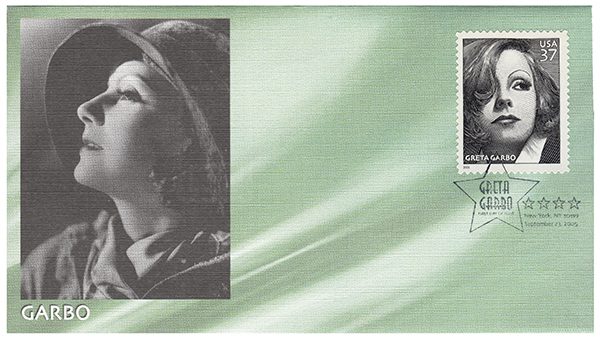
Garbo next appeared in the German film The Joyless Street—also known as The Street of Sorrow—released in 1925 and directed by G. W. Pabst. Her work in Europe helped attract the attention of Metro-Goldwyn-Mayer. MGM’s Louis B. Mayer wanted to hire Stiller, and Stiller insisted that Garbo be included in the arrangement. She and Stiller arrived in the United States in 1925, when Garbo was 19.
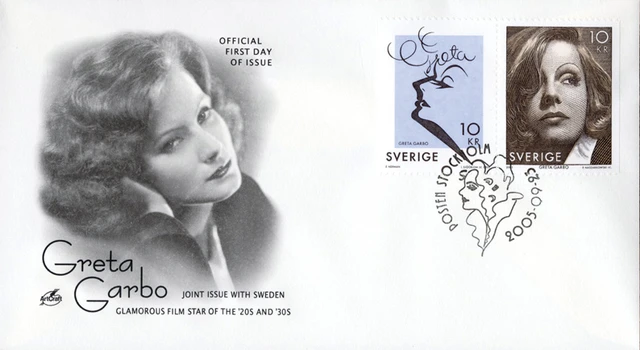
Her first American film, Torrent (1926), was a commercial success and established her as a new MGM star. She followed it that year with The Temptress and Flesh and the Devil, the latter co-starring John Gilbert. Their on-screen partnership became one of the most popular of the silent era. Garbo’s expressive face, reserve, and ability to convey emotion with very little movement made her especially effective in silent films.
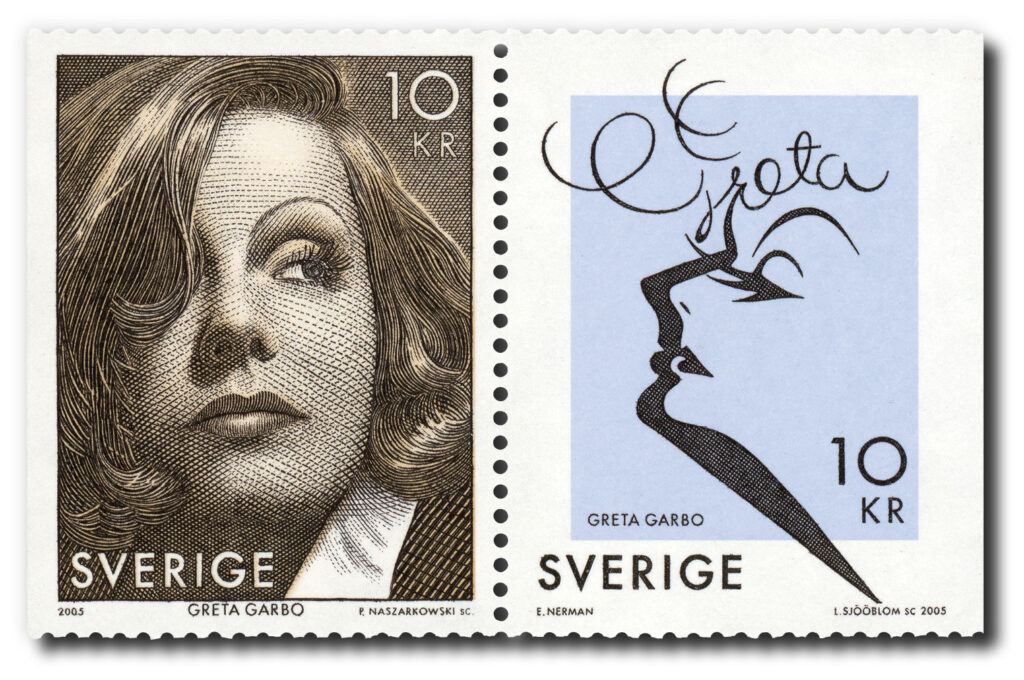
By the late 1920s, Garbo had gained enough influence to negotiate more favorable contracts. MGM eventually agreed to pay her about $270,000 per picture, an extraordinary sum for the period, while giving her greater say over her work. The studio also helped cultivate the “Garbo mystique.” Naturally private, she rarely gave interviews, avoided premieres and industry events, did not sign autographs, and generally refused to answer fan mail. Her last substantial American interview appeared in 1928, and her silence only increased public curiosity.
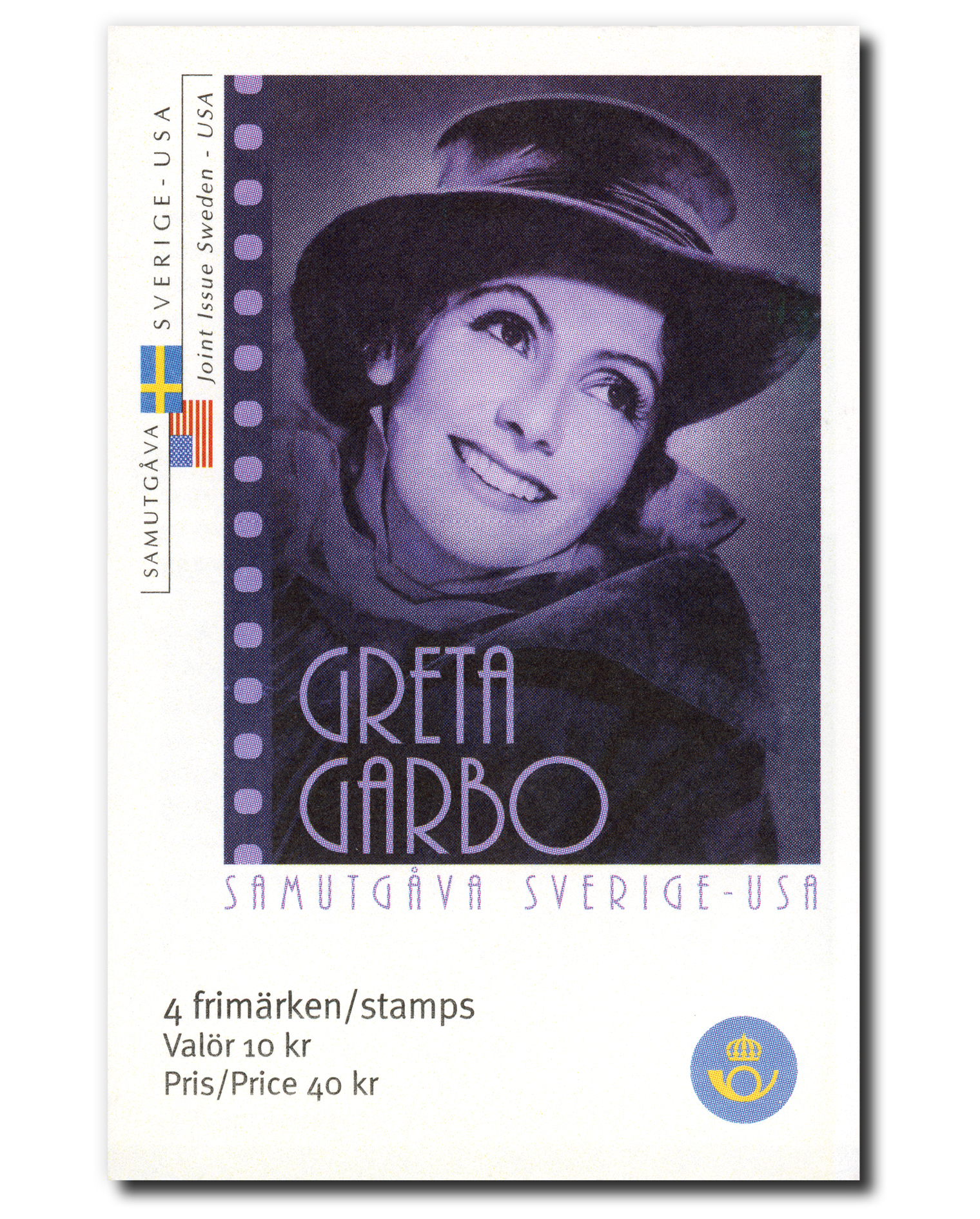
MGM worried that Garbo’s Swedish accent might limit her appeal in sound films. Those concerns proved unfounded. In 1930, she made her talking-picture debut in Anna Christie, promoted with the famous line, “Garbo Talks!” Audiences responded enthusiastically to her deep, distinctive voice. Her performances in Anna Christie and Romance earned her a single Academy Award nomination that recognized both films.

Garbo remained one of Hollywood’s leading stars through the 1930s. Her major films included Grand Hotel (1932), Queen Christina (1933), Anna Karenina (1935), Camille (1936), and Conquest (1937). After being labeled “box-office poison” during a difficult period in 1938, she successfully shifted to comedy in Ninotchka (1939), earning another Academy Award nomination. Her final film, the romantic comedy Two-Faced Woman (1941), received poor reviews. Although Garbo did not publicly announce a retirement, she made no further films.

She became a US citizen in 1951 and later settled in New York City. In retirement, she guarded her privacy but maintained friendships, traveled, collected art, and invested in real estate. The Academy awarded her an honorary Oscar in 1954, presented at the 1955 ceremony, “for her luminous and unforgettable screen performances.” As expected, Garbo did not attend.
Greta Garbo died in New York City on April 15, 1990, at age 84, after suffering from kidney failure and pneumonia. Her brief film career left behind performances that still define the glamour, restraint, and emotional power of classic Hollywood.
| FREE printable This Day in History album pages Download a PDF of today’s article. Get a binder or other supplies to create your This Day in History album. |
Discover what else happened on This Day in History.
Interesting chronology. I wonder how foxy she looked modeling those clothes as a young teenager. Sure must have been nice to retire at 35!
Fremragende historie og smukke frimærker fra denne store filmstjerne.
In the summer of 1968, I worked as an undercover store detective for Saks Fifth Avenue. One of our responsibilities was to protect famous people while they shopped in the store to ensure they were not disturbed if necessary. One day a woman walked into the store wearing a hat, face mask, scarf and a long winter coat drawing attention to herself. It turned out she was Greta Garbo who requested our assistance since people were staring at her and this bothered her. She literally wanted to be left alone.
Awsome Story. Great Stamps too
Hadn’t seen her much, but not long ago, saw her with Melvyn Douglas in Noninchka. A great romantic comedy, highly recommend.
….correction: Ninotchka…