
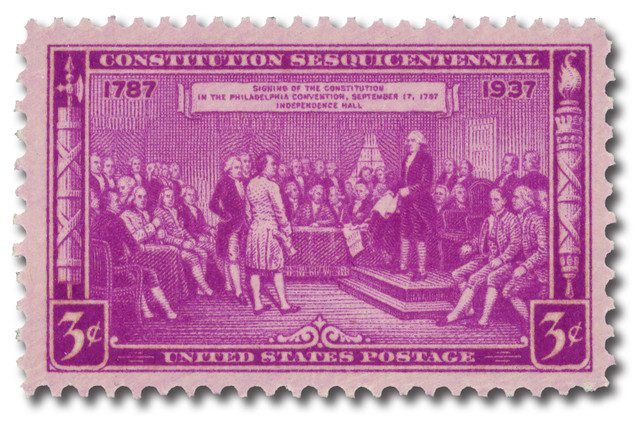
On March 16, 1986, Freedom of Information Day was established to celebrate the public’s right to access government records. The date was chosen to honor the birthday of James Madison, a key author of the Constitution who strongly believed that informed citizens are essential to a functioning democracy.
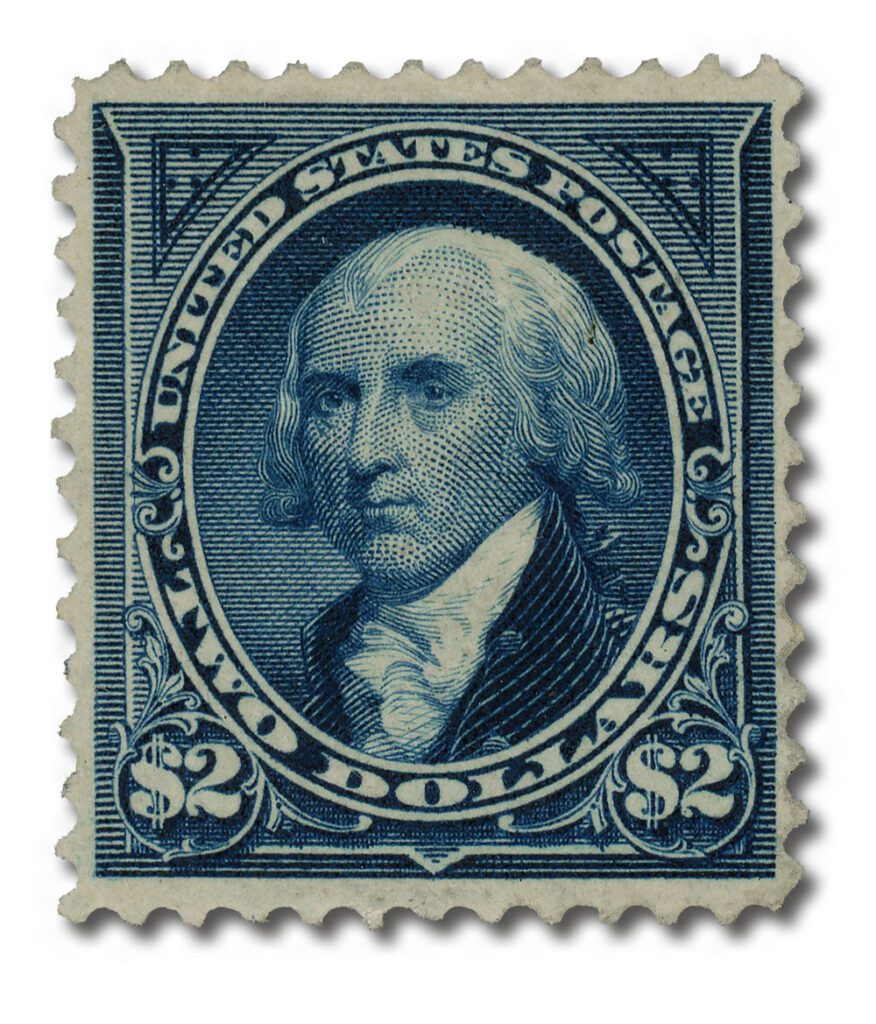
Freedom of Information Day highlights the principle that government actions should be open to public review. In the United States, this idea developed slowly over many years. Early American leaders often debated how much information government officials should share with the public. Some believed secrecy was necessary for national security. Others argued that transparency helped prevent corruption and abuse of power.
James Madison strongly supported openness in government. As one of the main architects of the United States Constitution, Madison believed that a republic could not survive without an informed public. He wrote that “a popular government without popular information… is but a prologue to a farce or a tragedy.” Madison’s writings helped shape the idea that citizens must be able to examine government decisions to hold leaders accountable.
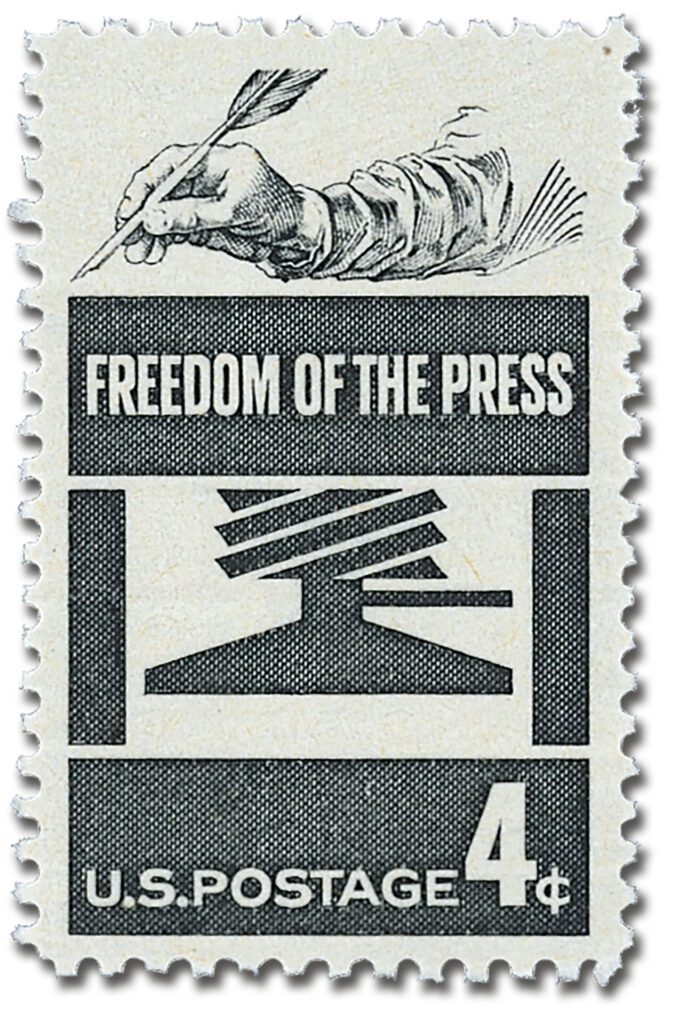
Although the principle existed from the nation’s earliest years, a formal system for public access to government documents did not appear until the twentieth century. During the Cold War, many government records were classified or difficult to obtain. Journalists and historians often struggled to gather information about federal policies and decisions.
In response, Congress passed the Freedom of Information Act in 1966. The law created a legal process allowing citizens to request records from federal agencies. Signed by Lyndon B. Johnson, the act required agencies to provide most records upon request unless the information fell under specific exemptions.
The law defined several types of information that could remain confidential. These included national defense secrets, law enforcement investigations, trade secrets, and certain personal records. However, the law placed the burden on government agencies to justify withholding information. In many cases, agencies were required to release documents unless a clear legal reason existed to keep them private.

The Freedom of Information Act became an important tool for journalists, researchers, and private citizens. Reporters used the law to uncover government spending records, environmental data, and policy decisions that might otherwise remain hidden. Historians relied on it to access documents related to past conflicts and political events.
Congress later strengthened the law several times. In 1974, amendments were passed after the Watergate scandal revealed how secrecy could be used to hide wrongdoing. These amendments expanded public access to records and limited the ability of agencies to deny requests without clear justification.
Freedom of Information Day was established in 1986 by the Society of Professional Journalists and other transparency advocates. The observance highlights the importance of open government and the legal tools that allow citizens to request information. Events held each year often include conferences, panel discussions, and awards recognizing journalists and organizations that promote public access to information.

The date of March 16 was chosen because it is the birthday of James Madison, who was born in 1751. Madison’s commitment to open debate and an informed electorate made him a fitting figure to honor. By linking the observance to his birthday, organizers emphasized the historical roots of the principle that government should remain accountable to the people.
In modern times, freedom of information laws continue to play a role in public oversight. Federal agencies receive thousands of requests each year under the Freedom of Information Act. State governments have adopted similar laws that allow residents to request local records and documents.
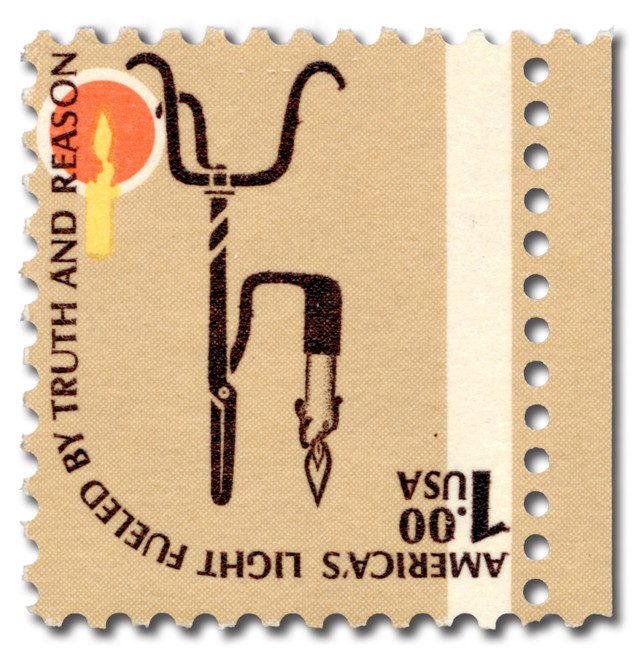
Technology has also changed how information is shared. Many government agencies now publish large collections of documents online, making them easier for citizens to access without submitting formal requests. Digital archives, data portals, and electronic record systems have expanded public access in ways that were not possible when the law was first written.
Freedom of Information Day serves as a reminder that transparency remains a central part of democratic government. By ensuring that citizens can examine public records, the principle behind the observance supports informed participation in civic life and encourages accountability among public officials.
| FREE printable This Day in History album pages Download a PDF of today’s article. Get a binder or other supplies to create your This Day in History album. |
Discover what else happened on This Day in History.