
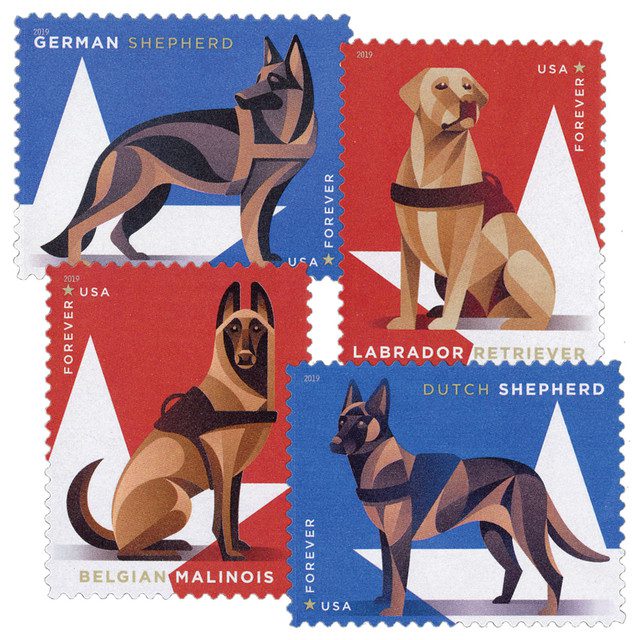
On March 13, 1942, the US Army officially launched its War Dog Program, marking the beginning of organized military service for American dogs. Today, that date is remembered as National K9 Veterans Day, honoring the loyalty, courage, and sacrifice of the dogs that have served beside US troops.
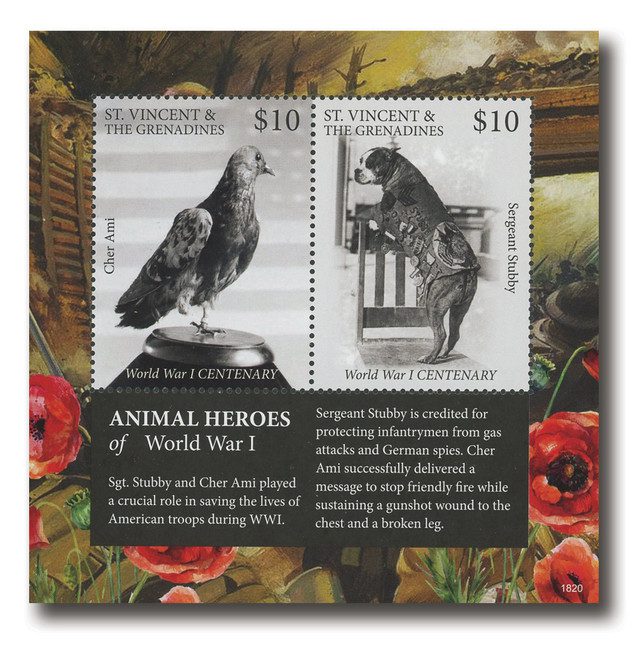
The program began during the early months of US involvement in World War II, when military leaders recognized that trained dogs could help protect soldiers and military bases. The United States had used dogs in limited ways before, but the war created a need for a larger and more organized effort. On March 13, 1942, the United States Army formally established what became known as the War Dog Program, often called the “K-9 Corps.”
The program was launched with the help of a civilian organization called Dogs for Defense. Founded shortly after the attack on Attack on Pearl Harbor, the group encouraged American families to volunteer their pets to help the war effort. Thousands of people responded. Within months, dogs from homes across the country were being evaluated and trained for military service.
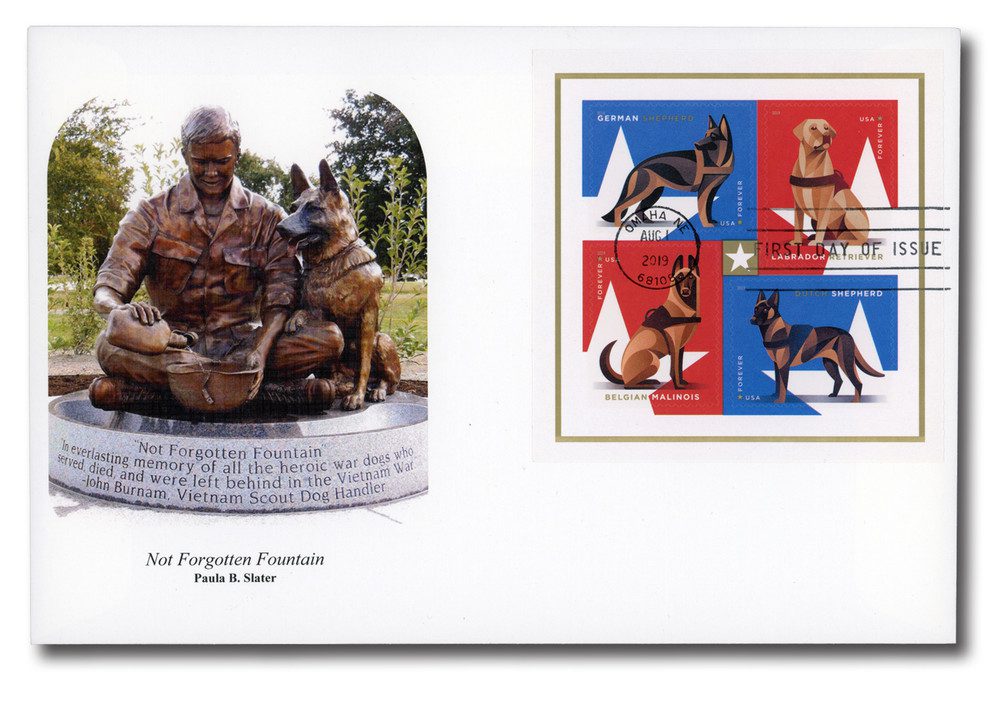
Many different breeds were accepted during the early stages of the program. However, the Army soon focused on a smaller group of breeds that showed strong working ability and trainability. These included German Shepherds, Doberman Pinschers, Belgian Sheepdogs, and Giant Schnauzers. Trainers found that these dogs adapted well to military commands and stressful environments.
Training took place at several military facilities across the United States. One of the most important training centers was located at Camp Lejeune in North Carolina. There, dogs learned how to respond to commands, navigate obstacles, and remain calm during gunfire and explosions. Trainers also taught them to patrol with soldiers, guard equipment, and warn handlers about approaching enemies.
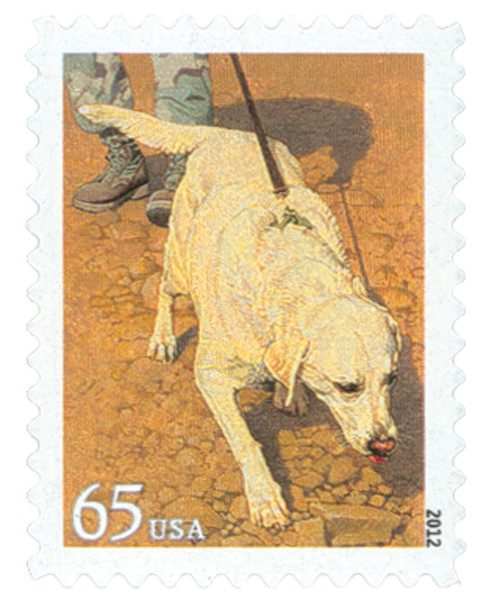
The military assigned dogs to several specialized roles. Sentry dogs guarded bases, warehouses, and airfields. Their sharp senses allowed them to detect intruders long before human guards could see them. Scout dogs accompanied troops on patrol. They could smell or hear enemy soldiers hiding in jungles or forests, often giving American troops precious time to prepare for an attack.
Dogs also worked as messengers, carrying messages or small supplies between units when radio communication failed. Others were trained as mine detection dogs, helping soldiers locate hidden explosives. Their ability to detect scents made them valuable in dangerous environments where human soldiers might not notice a threat.
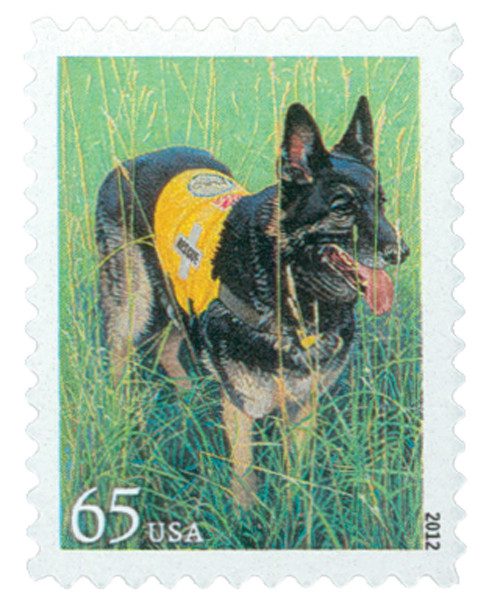
One of the most famous war dogs of World War II was Chips, a German Shepherd–Collie mix who served with US forces in North Africa and Italy. During one battle in Sicily in 1943, Chips reportedly attacked an enemy machine-gun nest, helping American soldiers capture the position. His actions saved lives and earned him several decorations, although military rules later prevented dogs from officially receiving combat medals.
By the end of World War II, the War Dog Program had trained more than 10,000 dogs. These animals served in Europe, North Africa, and the Pacific. Many were returned to their original owners after the war, while others continued working with the military.
Military working dogs remained important in later conflicts. During the Vietnam War, thousands of dogs served as scouts and sentries in dense jungle terrain. Their ability to detect hidden enemies often prevented surprise attacks. In more recent decades, military dogs have been used to detect explosives, search buildings, and protect troops in conflicts in the Middle East.
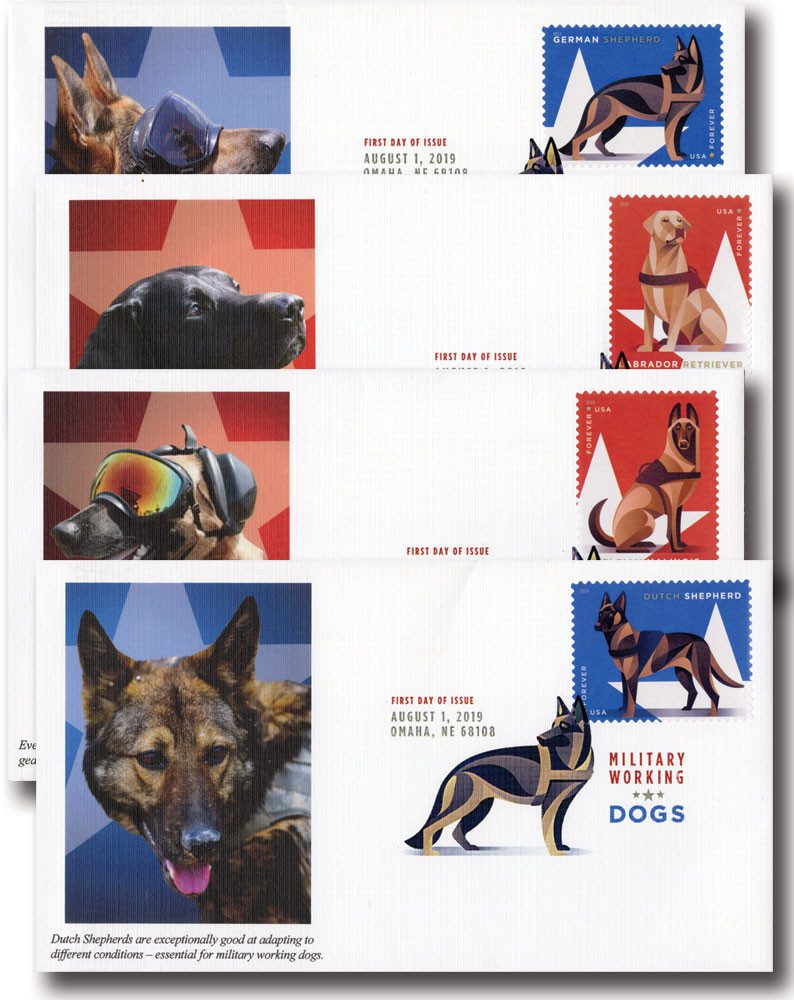
Today, military working dogs are trained by the United States Department of Defense at specialized facilities such as Joint Base San Antonio–Lackland in Texas. These dogs are carefully selected and trained alongside their handlers. Many work with the Army, Navy, Air Force, and Marine Corps, as well as with federal law enforcement agencies.
National K9 Veterans Day was later established to recognize the contributions of these animals. Each year, ceremonies and events across the United States remember the thousands of dogs that have served in combat zones, protected military installations, and helped keep American service members safe.
| FREE printable This Day in History album pages Download a PDF of today’s article. Get a binder or other supplies to create your This Day in History album. |
Discover what else happened on This Day in History.